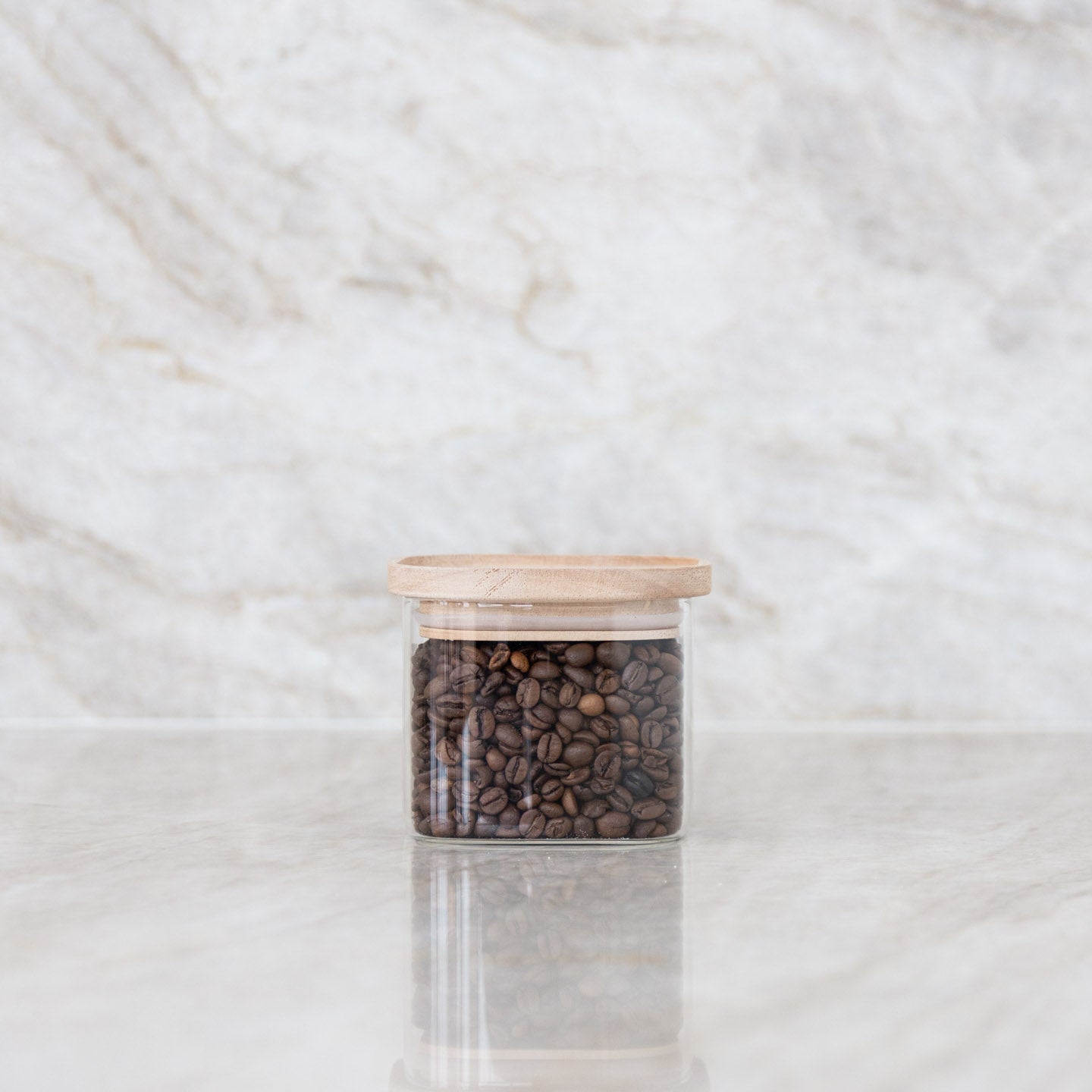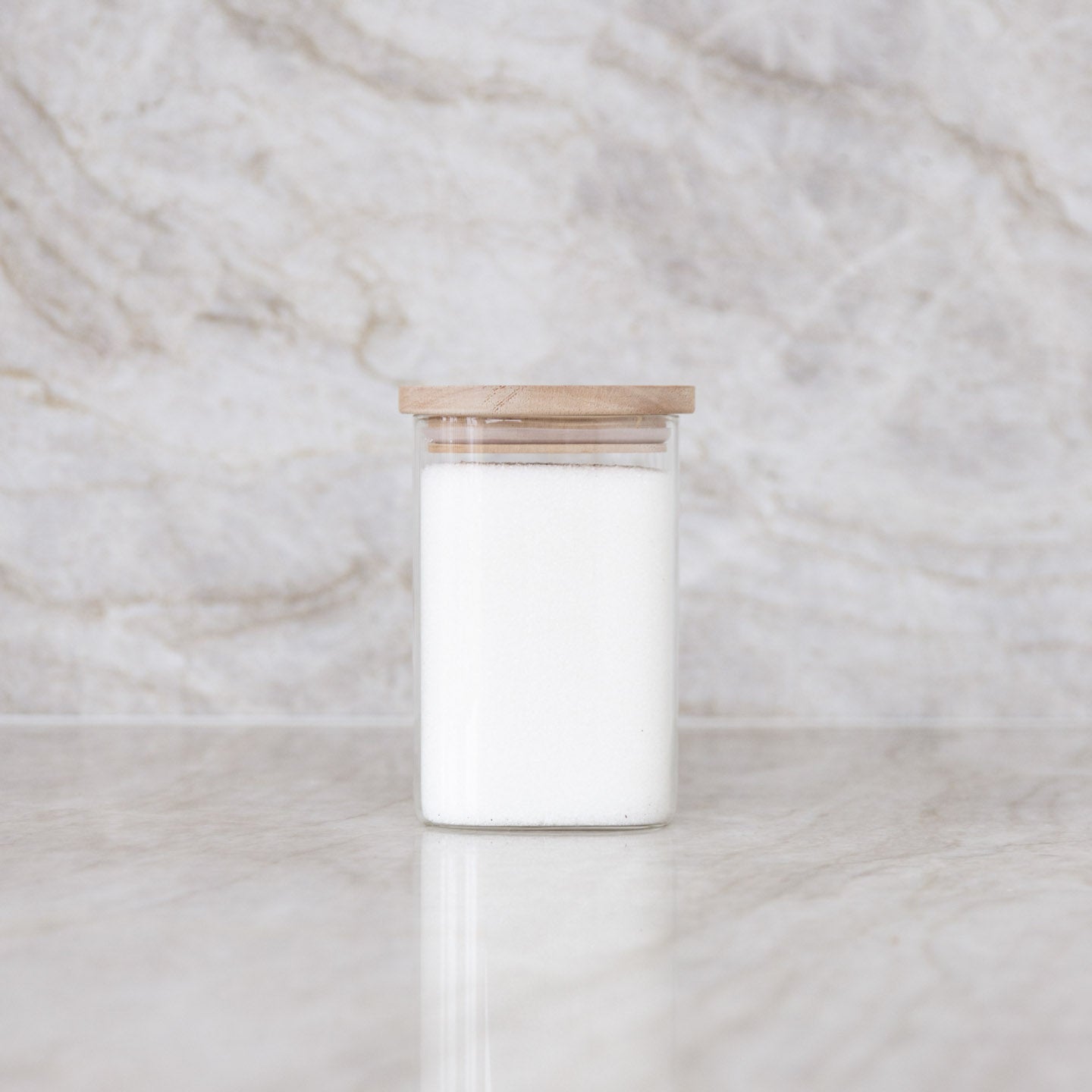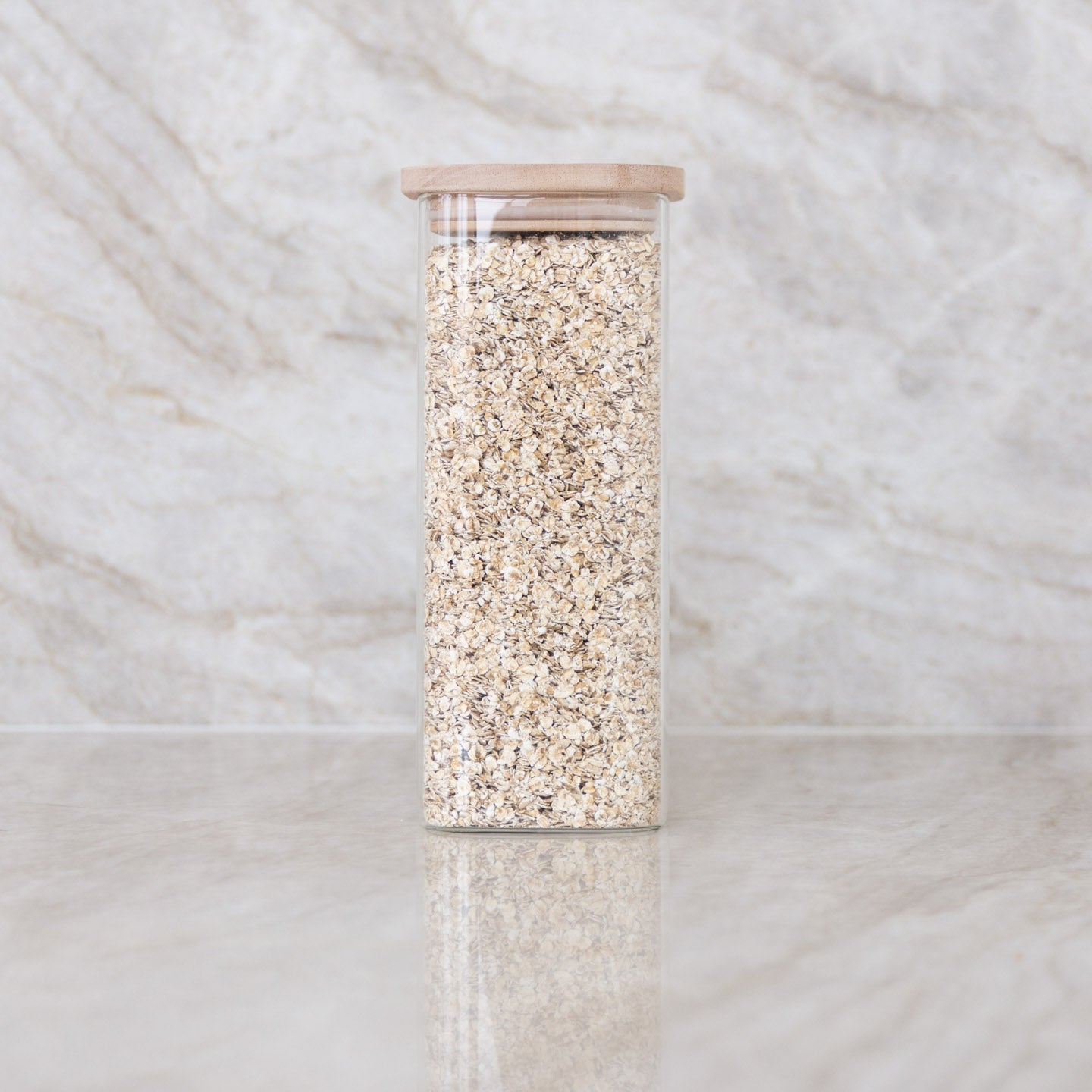


A well-designed corner shelf in the kitchen utilizes space that would otherwise be difficult to access. With simple measures, you can create a calm corner with designated spots for everyday groceries and utensils. Think about easy access, short reaches, and grouping items so you can quickly find what you use most. Start by deciding its function: Should the corner be for spices, for plates and serving, or for dry goods like pasta and flour? Once the purpose is clear, both purchasing and organizing become much more manageable.
Corner shelf ideas for the kitchen
Place the corner shelf to support your routines. By the stove, it works well for oil, salt, and the spices you use daily. In the coffee zone, it can gather tea, cups, and small accessories. Use open containers for items that need to be quickly grabbed, and use glass for dry goods so you can see the level. Make expression and function go hand in hand by repeating the same materials and colors in both shelves and containers.
Organizing corner cabinets and open corners
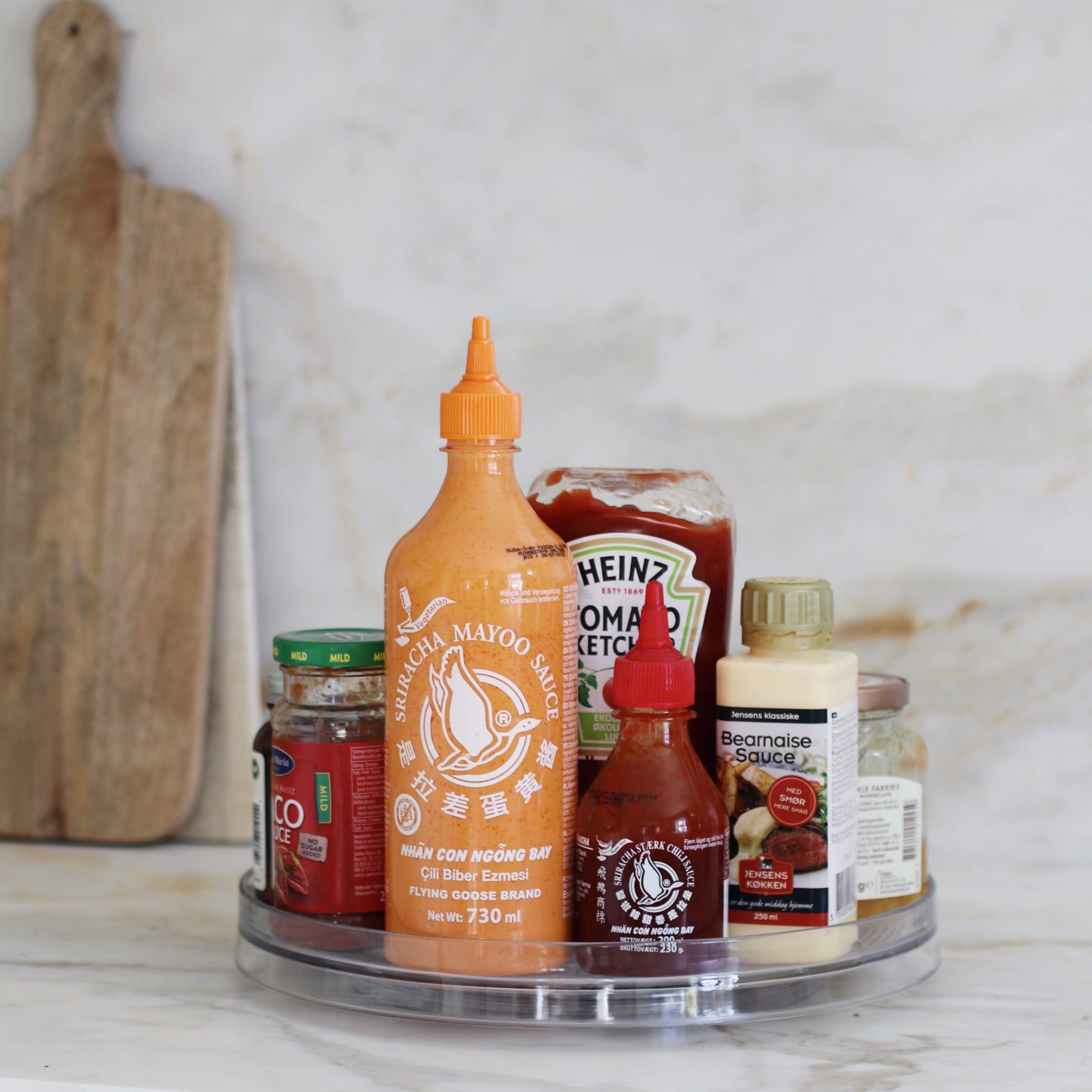
A kitchen corner benefits from structure. Divide the corner into zones and avoid deep rows of products that disappear at the back. In a deep corner cabinet, a rotating base can make the difference between clutter and clarity.
Make deep corners accessible
A wooden turntable with a high rim provides full access to bottles and glasses in a snap. This is especially useful in dark corners where you might otherwise easily overlook items at the back. Place frequently used items at the front of the turntable and less used items at the back – then simply rotate to reach them.
Create clarity with zones
- Breakfast: oats, granola, and tea gathered in one area.
- Cooking: oil, vinegar, and salt in a wooden box.
- Baking: flour, sugar, and decorations in clear, transparent glass jars.
Spice shelf in the corner
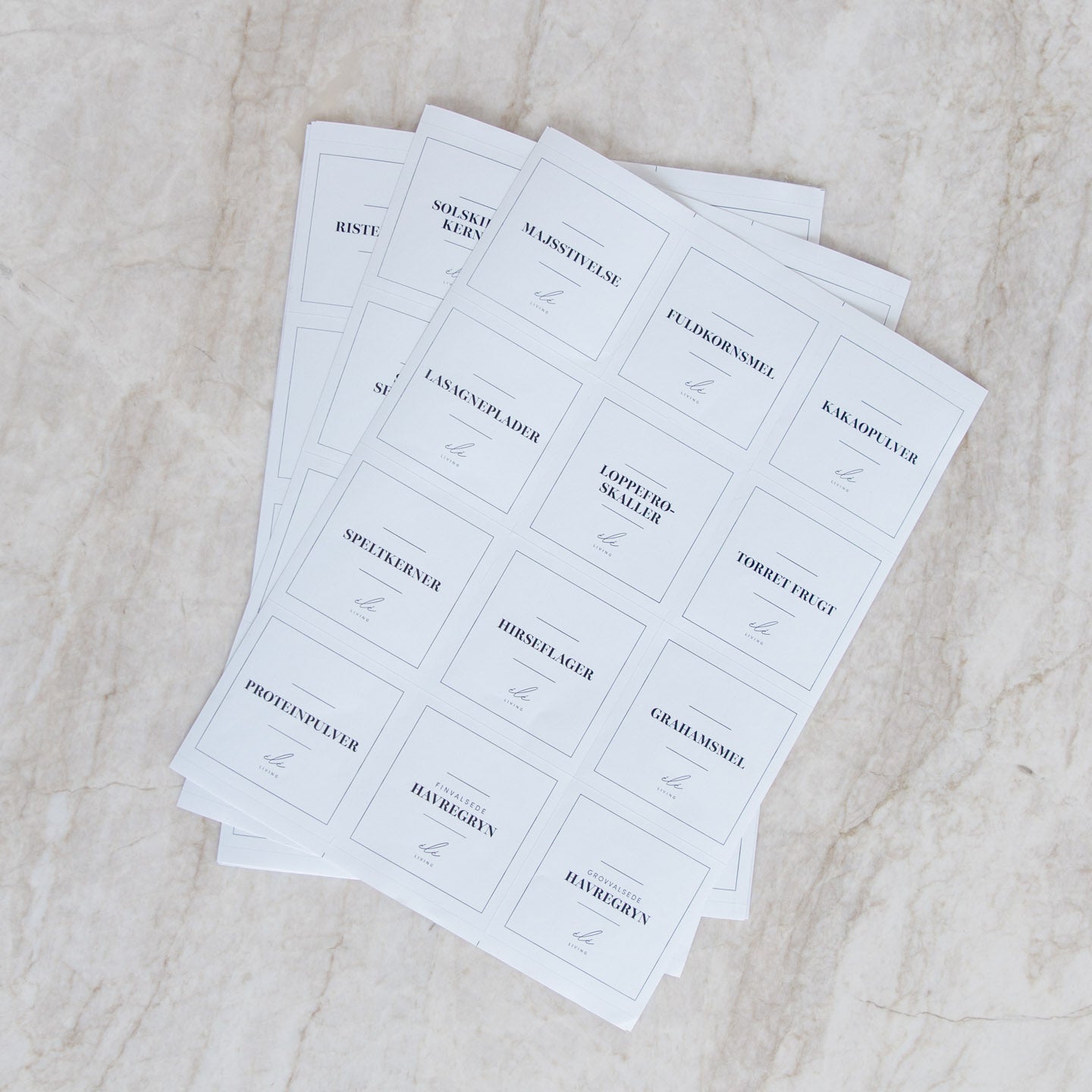
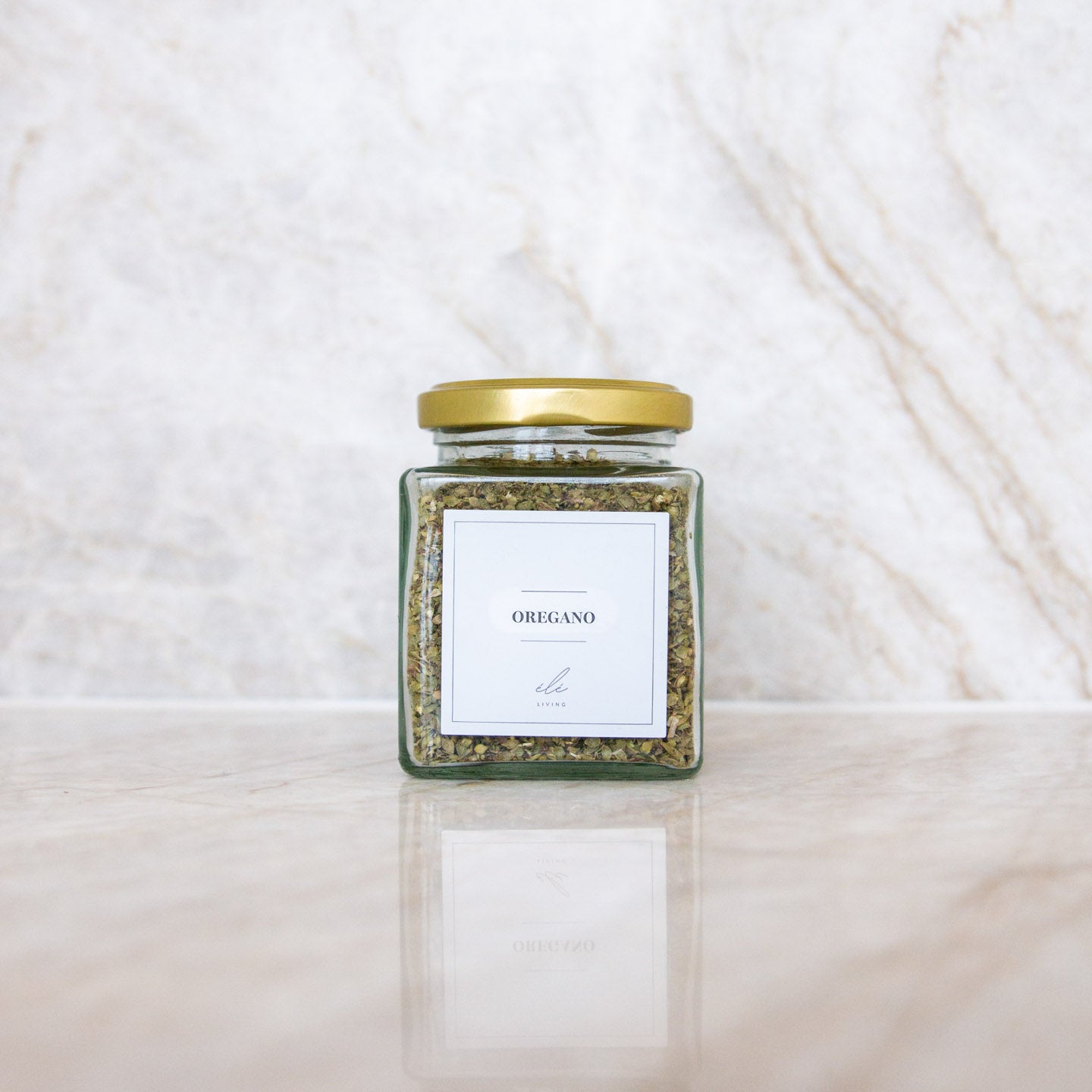
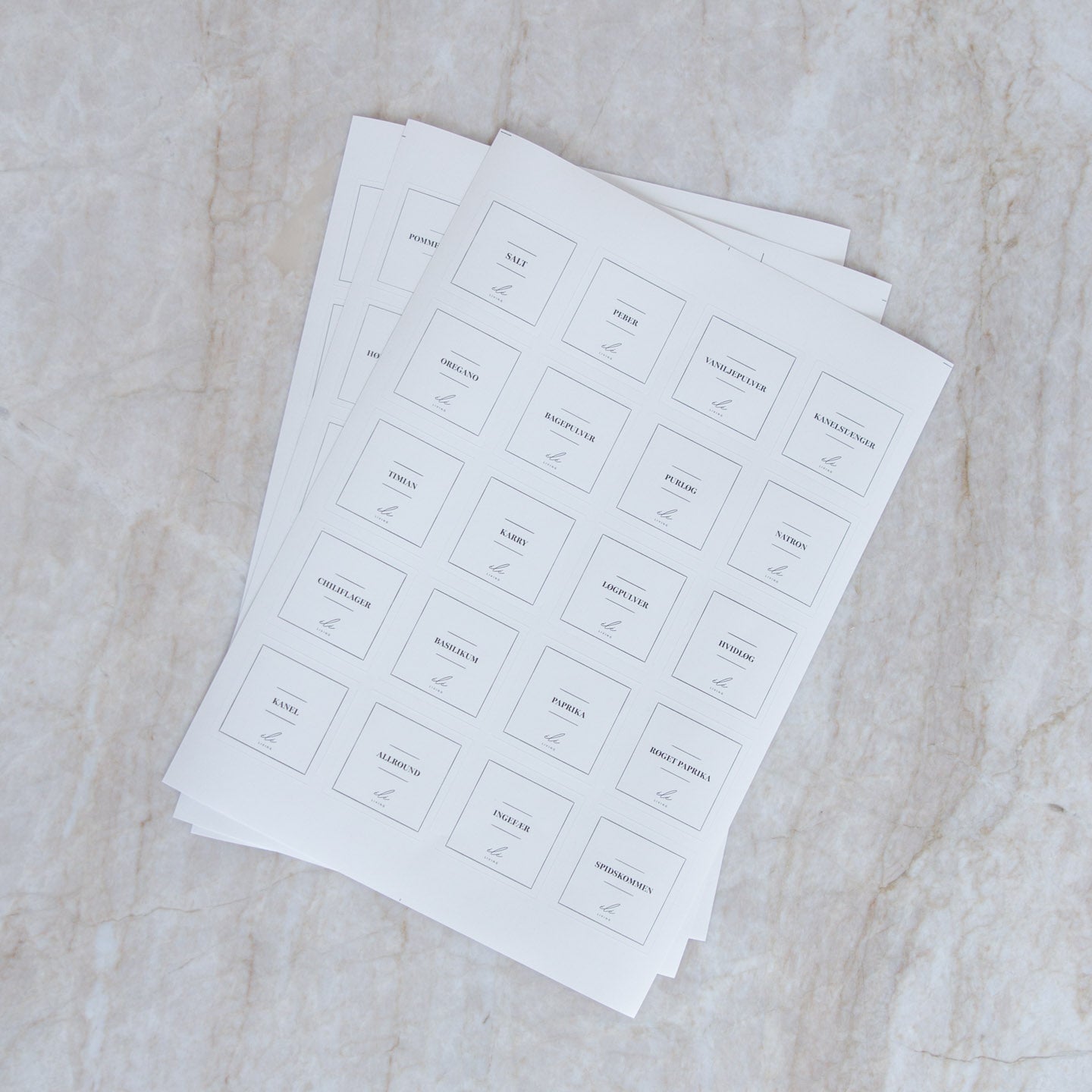
A compact spice zone in the corner saves time when cooking. Gather the most used spices in identical containers so that heights and diameters match, and label the lid or front with the content. For example, choose gold spice jars for a uniform, calm look. Divide by function: basic (salt, pepper, paprika), green spices, and specialty spices. Place them so you can reach them with one hand while the other stirs the pot.
Dry goods and bottles on the corner shelf
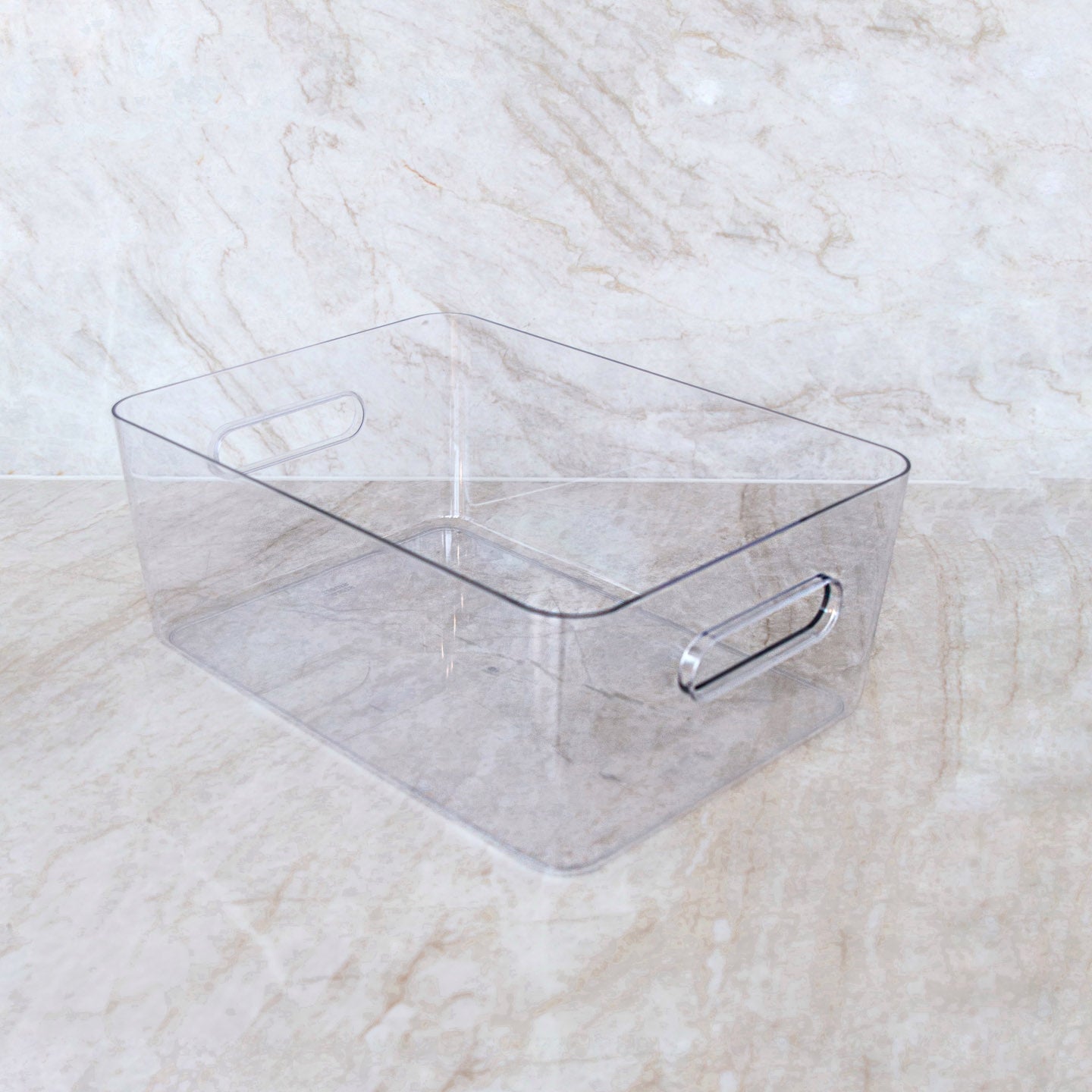
Large staple items stand stably and look tidy in identical glass jars. A square storage jar 1800 ml dark is great for pasta or flour, keeps pests out, and makes it easy to see contents and quantity. Gather taller bottles like oil and vinegar in a tall rectangular wooden box. This way, you move the entire group at once, and the shelf remains tidy. Stick to a few repeated sizes for a calm look, and place the heaviest products at the bottom.
Step by step - how to furnish a functional kitchen corner
Plan in 10 minutes
- Choose function: What will live in the corner - spices, bottles, or dry goods.
- Measure the corner: Note width, depth, and height in relation to the products you want to gather.
- Choose solutions: Turntable for depth, glass jars for dry goods, and a box for bottles.
- Set up and test: Place items in the order you use them. Adjust after a week of use.
Choose what lives on the shelf
- Bottles: oil, vinegar, and soy sauce gathered in a box.
- Spices: identical jars in small rows, labeled from the front.
- Dry goods: pasta, rice, and flour in square jars, so they stand close and stable.
- For serving: small bowls and salt cellars gathered on a small tray.
Aesthetics and flow
In feng shui, it's about clear lines and a light expression. Keep the corner airy, repeat materials, and avoid too many small individual elements. A turntable or identical containers make it easier to maintain order in everyday life because everything has a designated place. When the corner is calm to look at, the kitchen feels more organized, and you get started with cooking more quickly.