
A tidy kitchen cupboard provides an overview and makes cooking easier. With a few simple steps, you can utilize space better, find groceries faster, and create peace in your daily life. The key is fixed zones, uniform containers, and solutions that fit your routines. Here are concrete steps for effective kitchen cupboard organization you can start today.
Storage jars for dry goods in cupboards
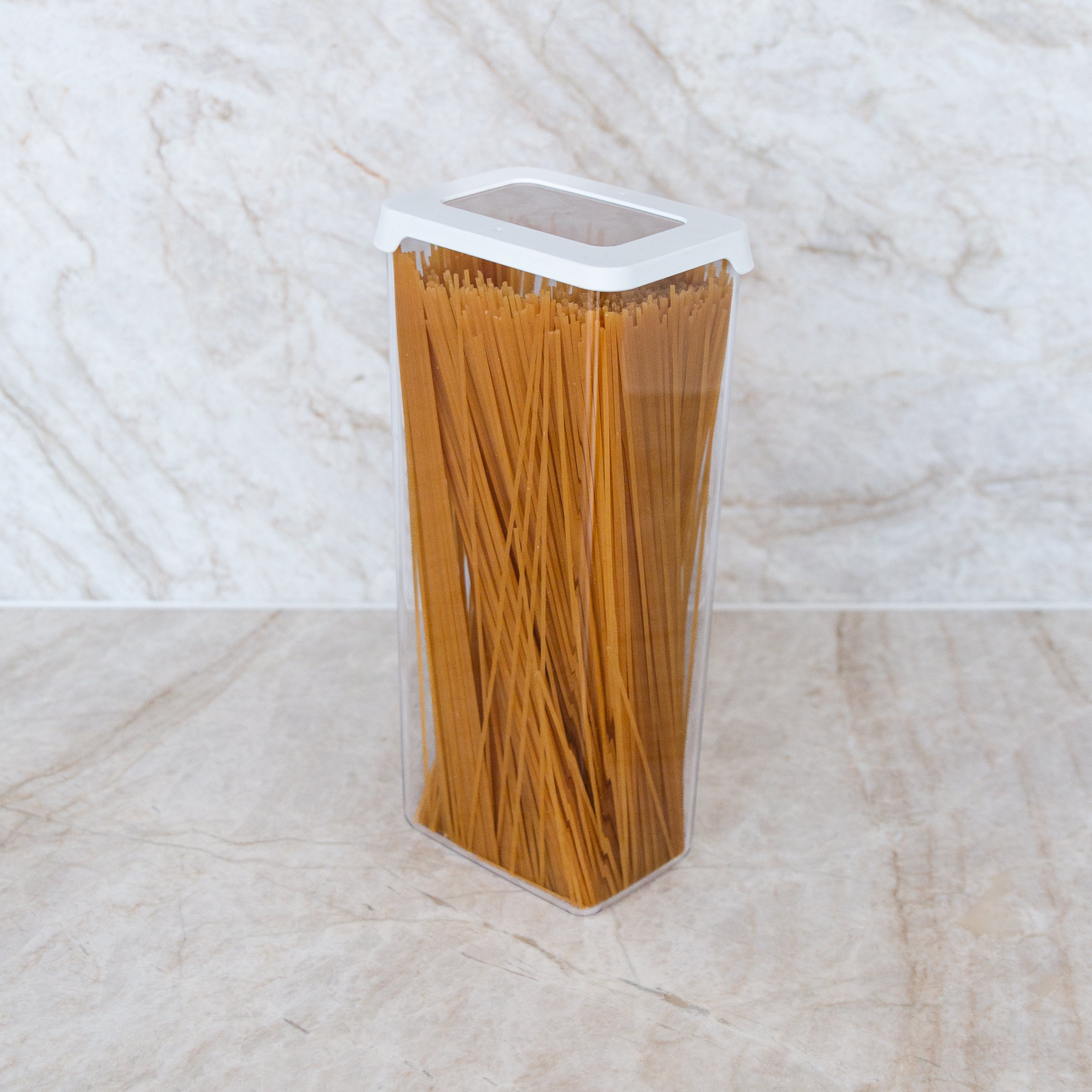
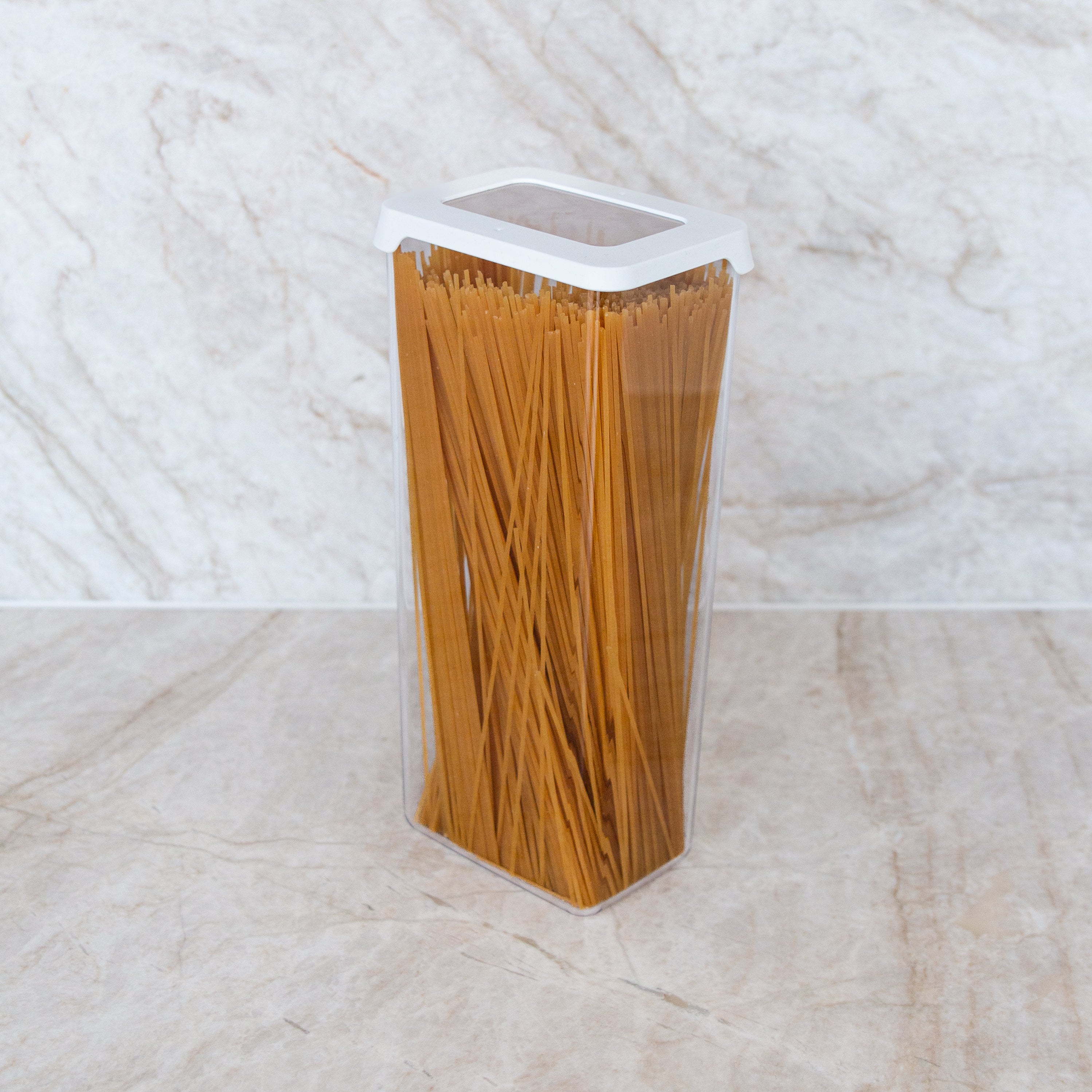
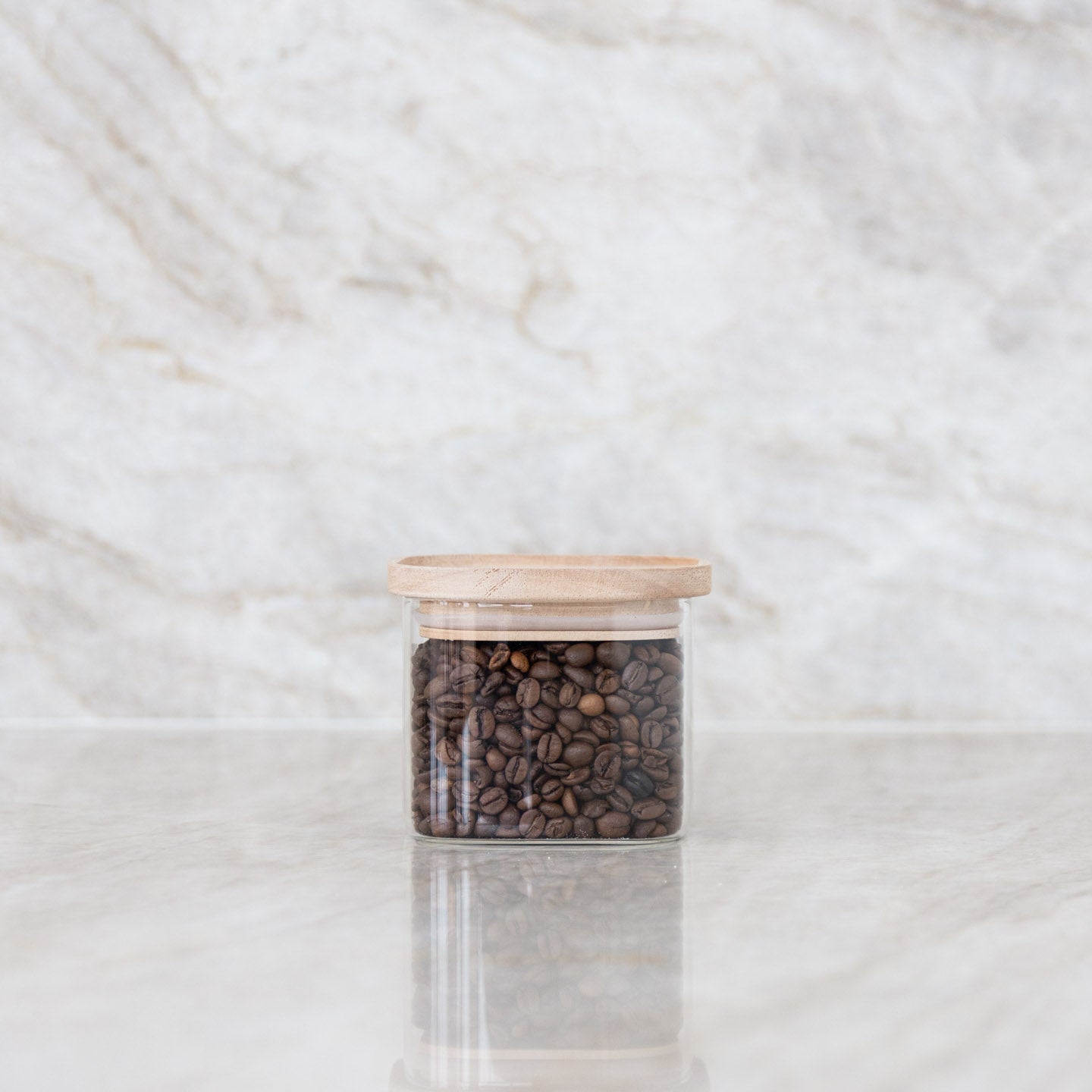
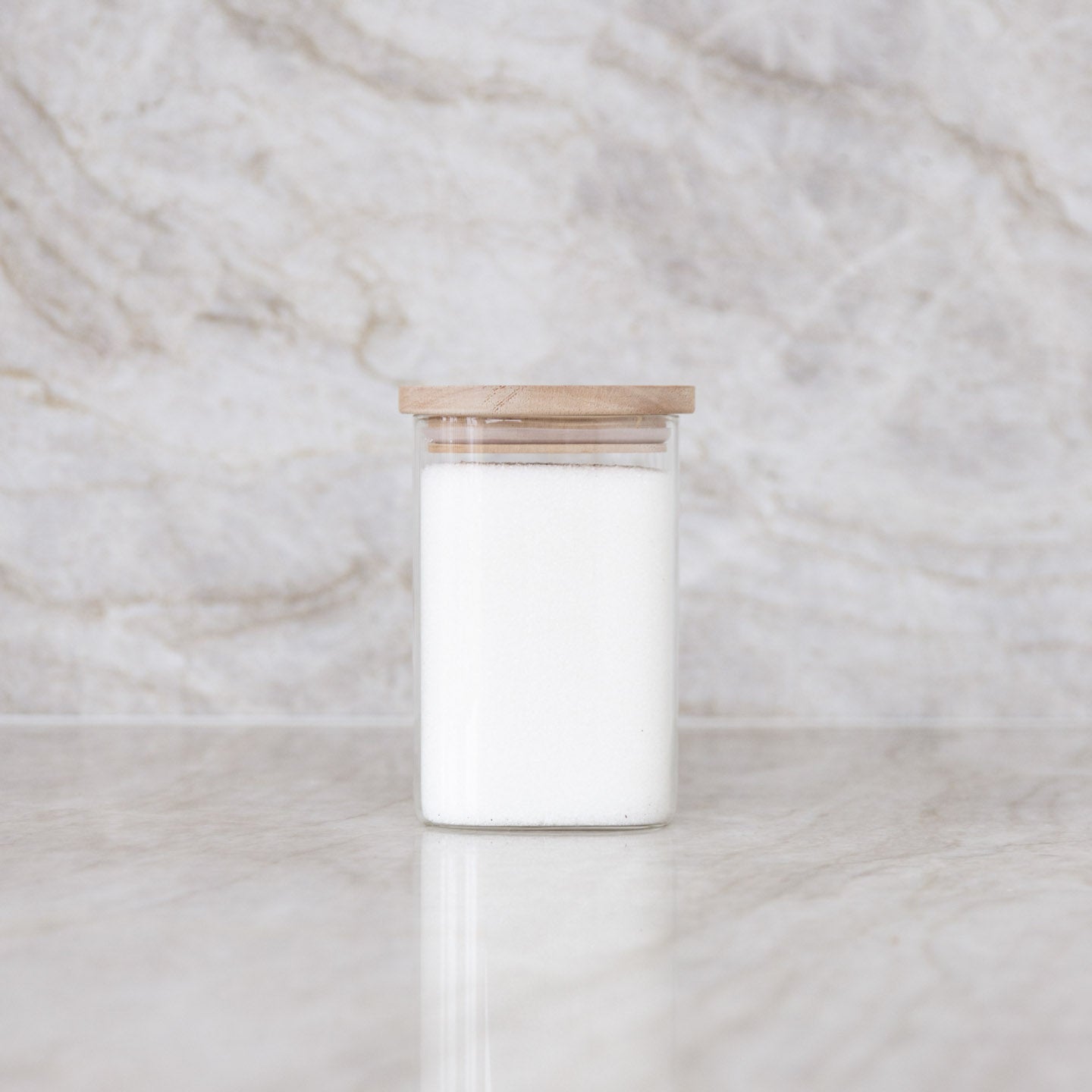
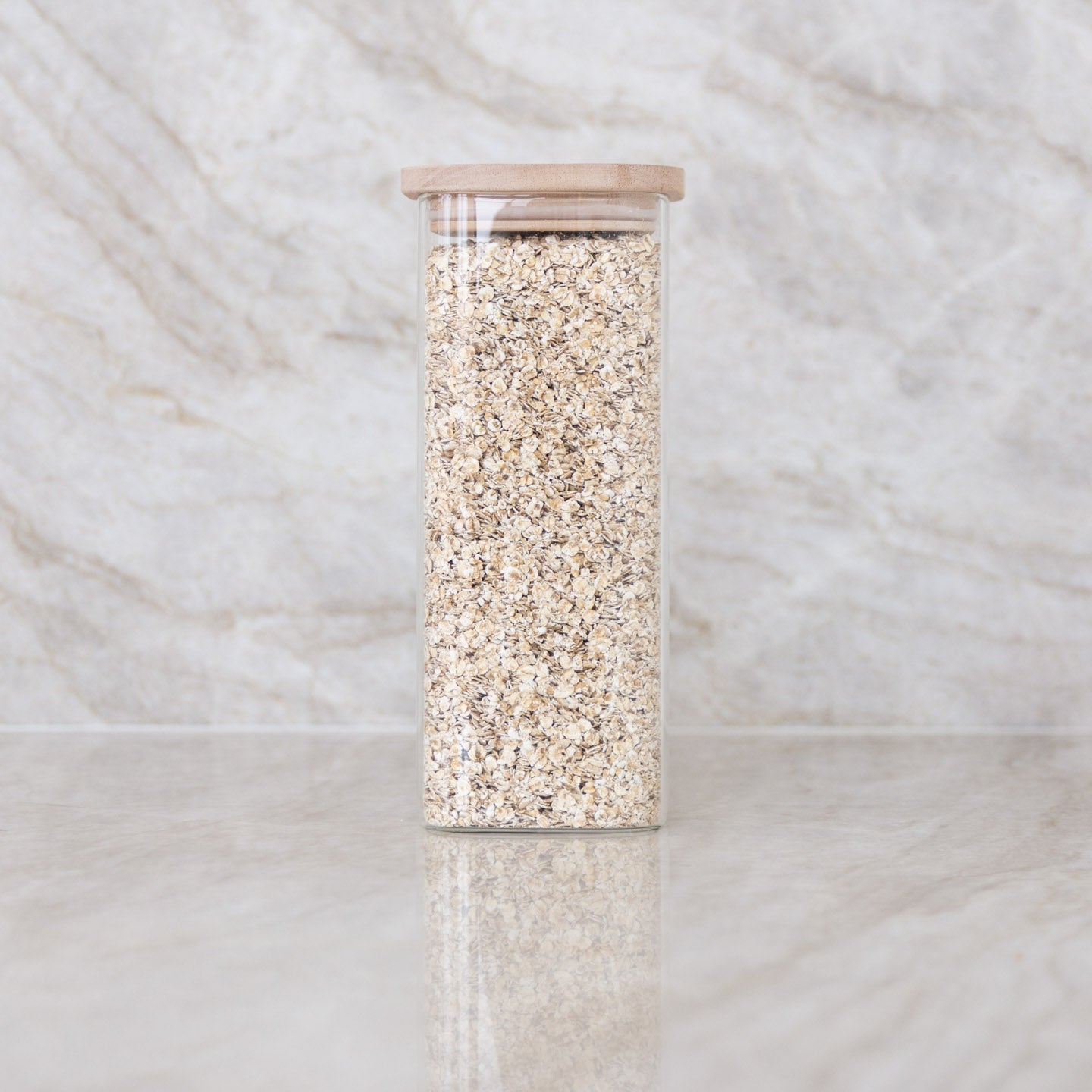
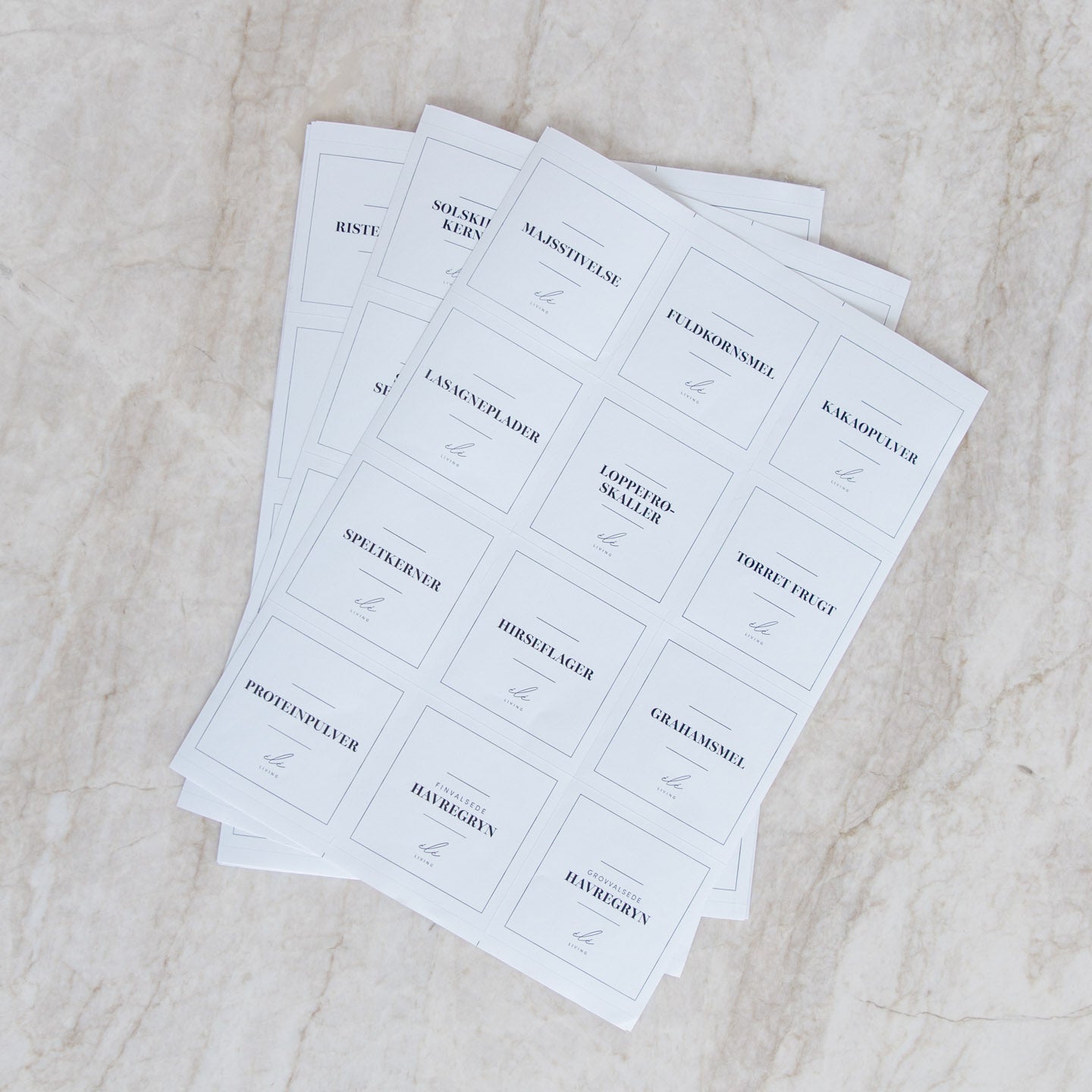
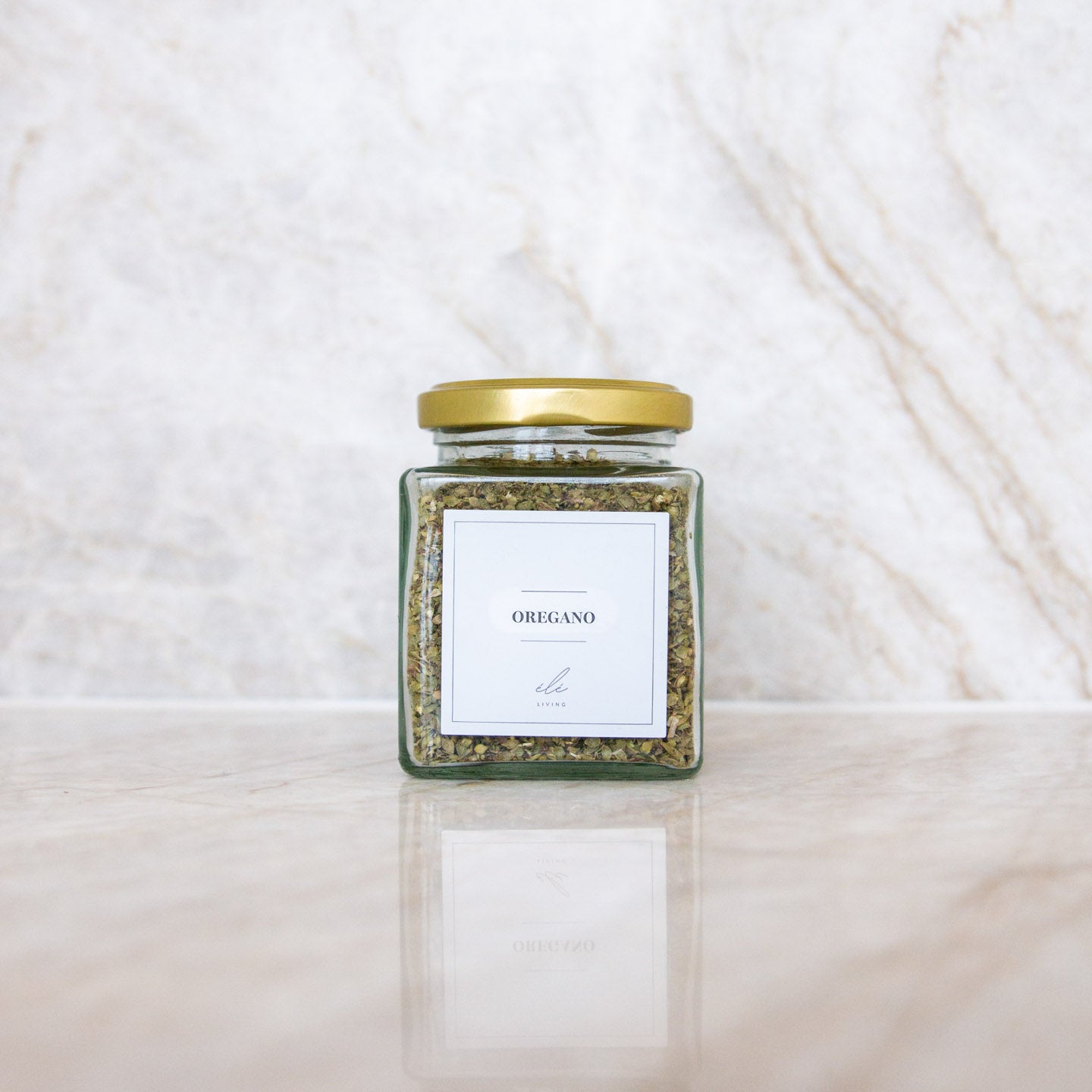
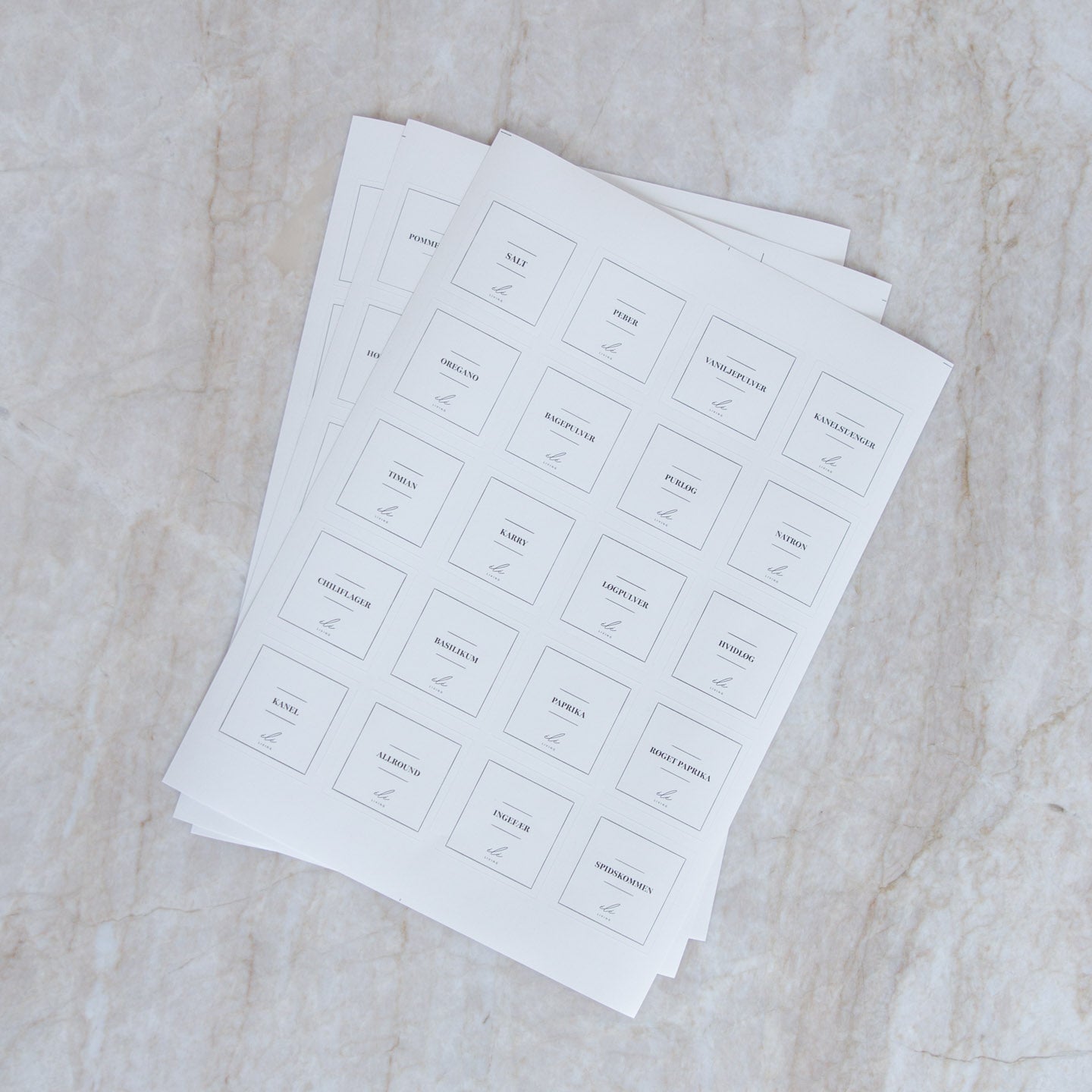
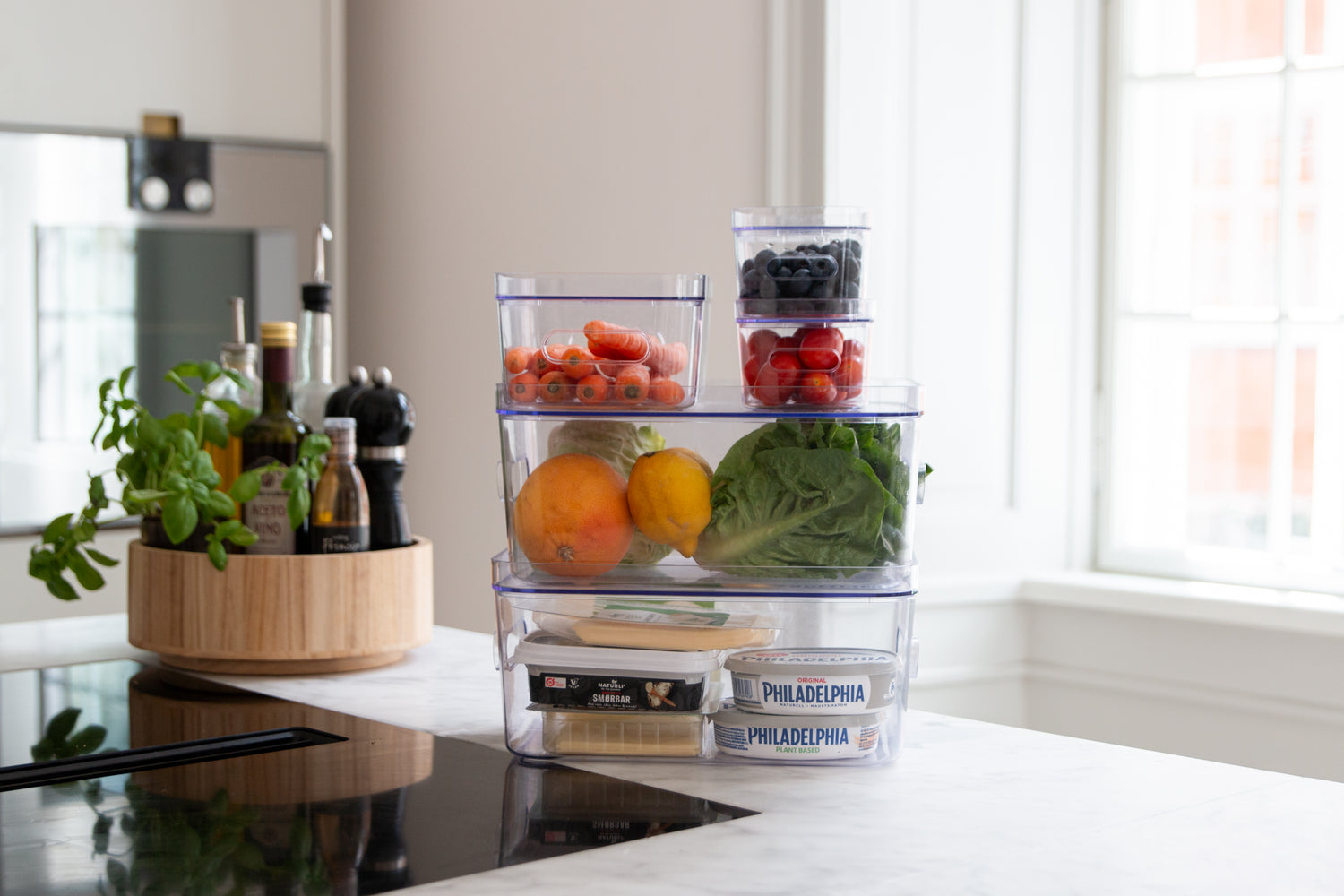
Replace bags and open packages with a few consistent sizes of storage jars. This makes shelves uniform and makes it easy to see the contents. Choose large jars for flour and oats and smaller ones for rice, pasta, and nuts. An example is the square storage jar 1800 ml dark, which utilizes shelf space well. Jars help keep pests out, and you can supplement with dry goods labels design 1 for a quick overview.
Place the most used food items at arm's reach and less used items at the back or higher up. Stick to a few repeated sizes for a calm expression.
Turntable in kitchen cupboard
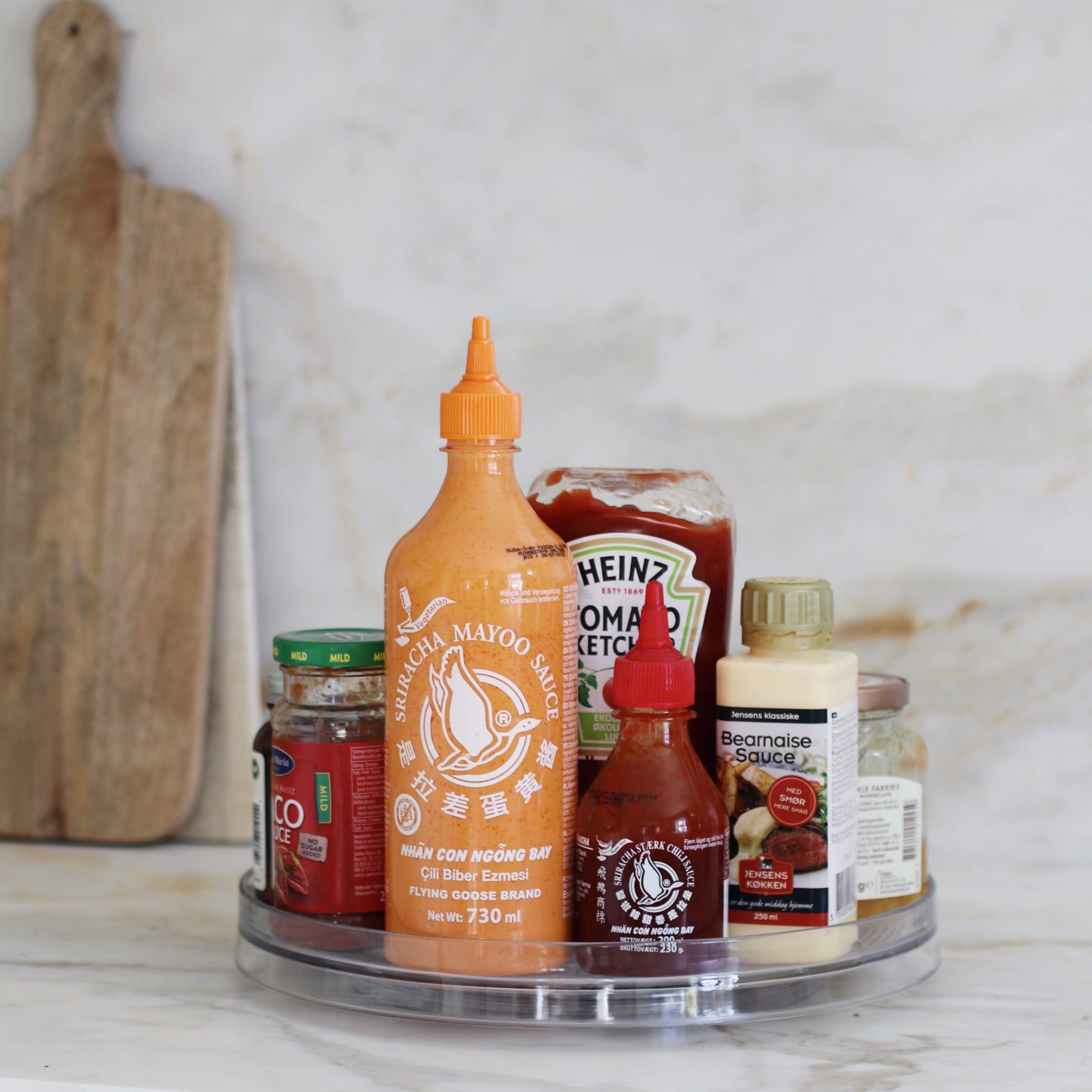
A turntable creates order in deep or corner placements where bottles otherwise disappear to the back. It makes it easy to reach everything without having to move other items first. Group your daily seasonings together on a bamboo turntable and place it in the cupboard near the stove for quick access.
Choose what goes on the tray
- Bottles: oil, vinegar, and soy sauce, so they stand stable and are easy to rotate forward.
- Spices: the most used jars, so they are gathered on one surface.
- For serving: honey or syrup, to speed up table setting.
Pot lids and pans in order
Pot lids and pans often take up more space than necessary if they are piled haphazardly. A holder provides fixed places and utilizes the height in the cupboard. Place a pot lid and pan holder in the cupboard closest to the stove and sort by size. Put the largest lids at the back and the smallest at the front. This makes it quicker to find the right lid, and pans can stand upright next to it or in a separate section.
Create zones and heights that suit your daily life
Start by emptying the cupboard and grouping everything into categories: baking, breakfast, dinner accessories, snacks, serving. Give each category a fixed shelf or section. Use the middle shelves for what you reach for daily, and the top shelves for extra supplies. Divide deep shelves so nothing hides at the back – jars at the front, refills at the back.
When putting things back, think about workflow: breakfast gathered in one place, cooking by the stove, baking near the mixer. This way, the cupboard fits your routines, not the other way around.
How to maintain the system
Establish a short routine after shopping: fill jars, rotate the oldest food items to the front, and put surplus at the back. Set aside 5 minutes a week to tidy up and check if anything has run out. Adjust zones if something often ends up in the wrong place – it's a sign that the placement doesn't suit everyday life. A simple solution like a stable turntable or fixed places for lids makes all the difference in the long run.
Extra space with simple additions
If you still have unused height in the cupboard, a light divider or vertical storage can free up space without remodeling. A good place to start is to gather bulky items – like lids and pans – in a dedicated section and leave the rest of the cupboard for dry goods and daily accessories. When each category has its place, the cupboard feels more organized, and you can maintain a simple, lasting system.
Start with one shelf, choose a few consistent solutions, and place everything to suit your habits. With storage jars, a turntable, and a clear place for lids and pans, you're already well on your way. Use the solutions that shorten your daily movements and increase your overview.