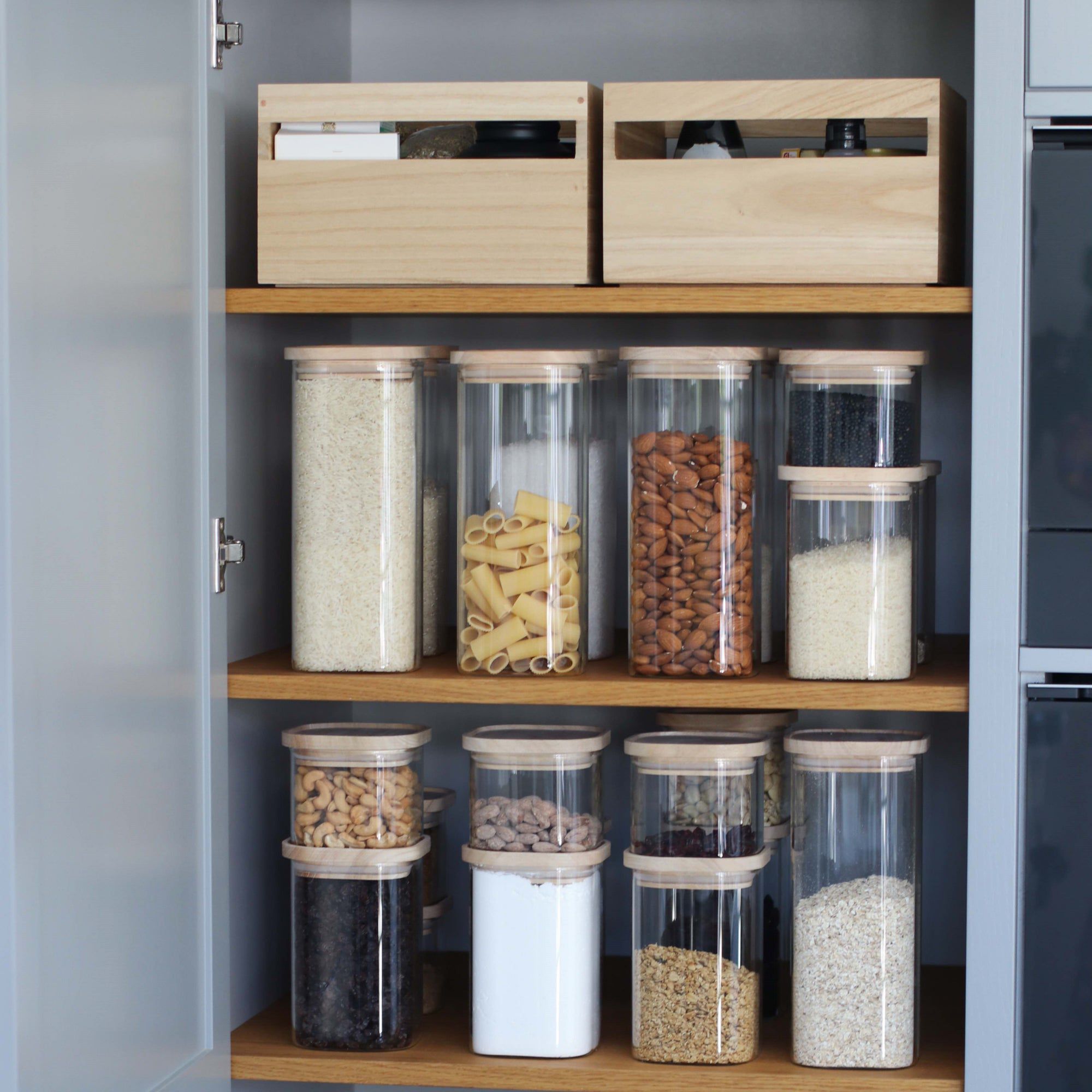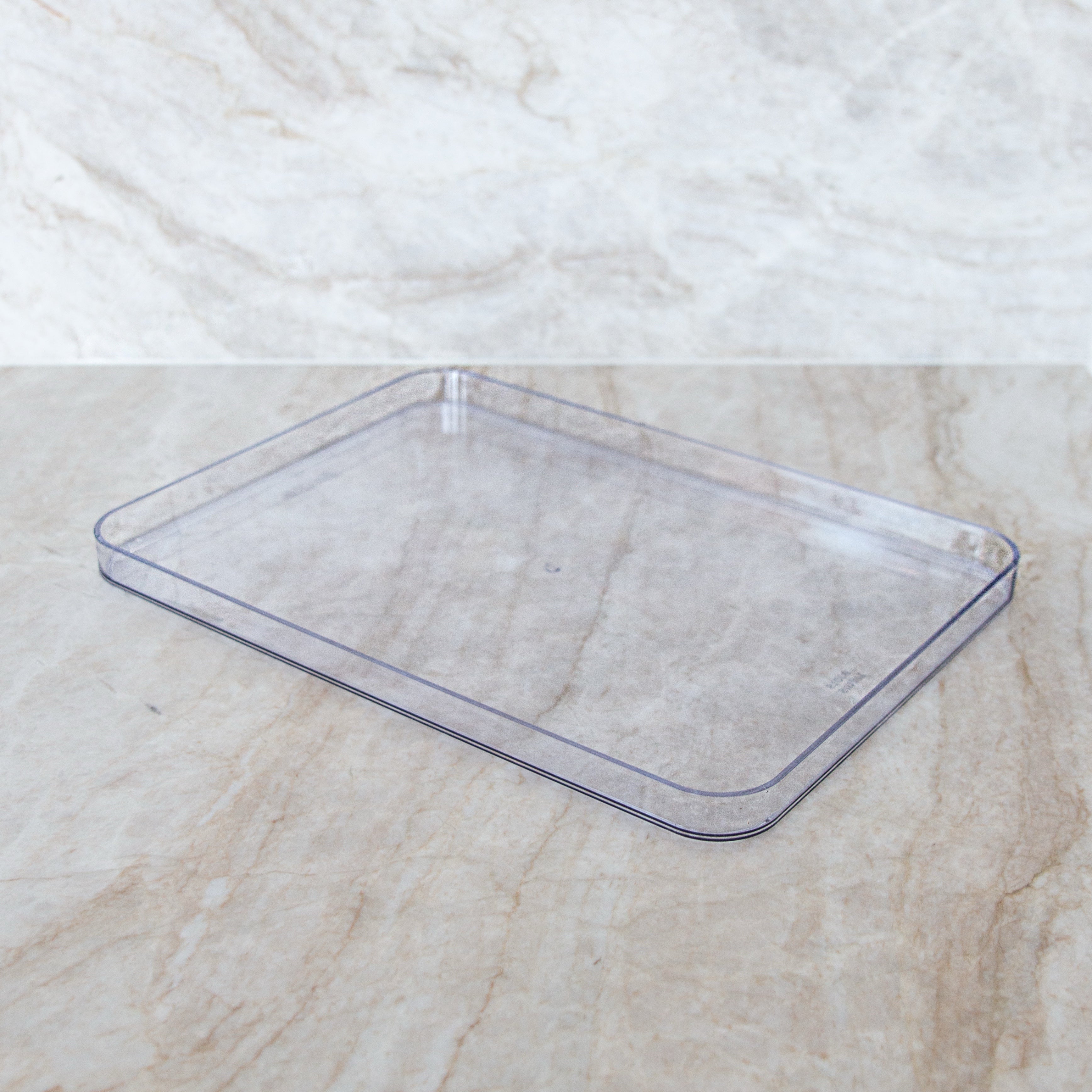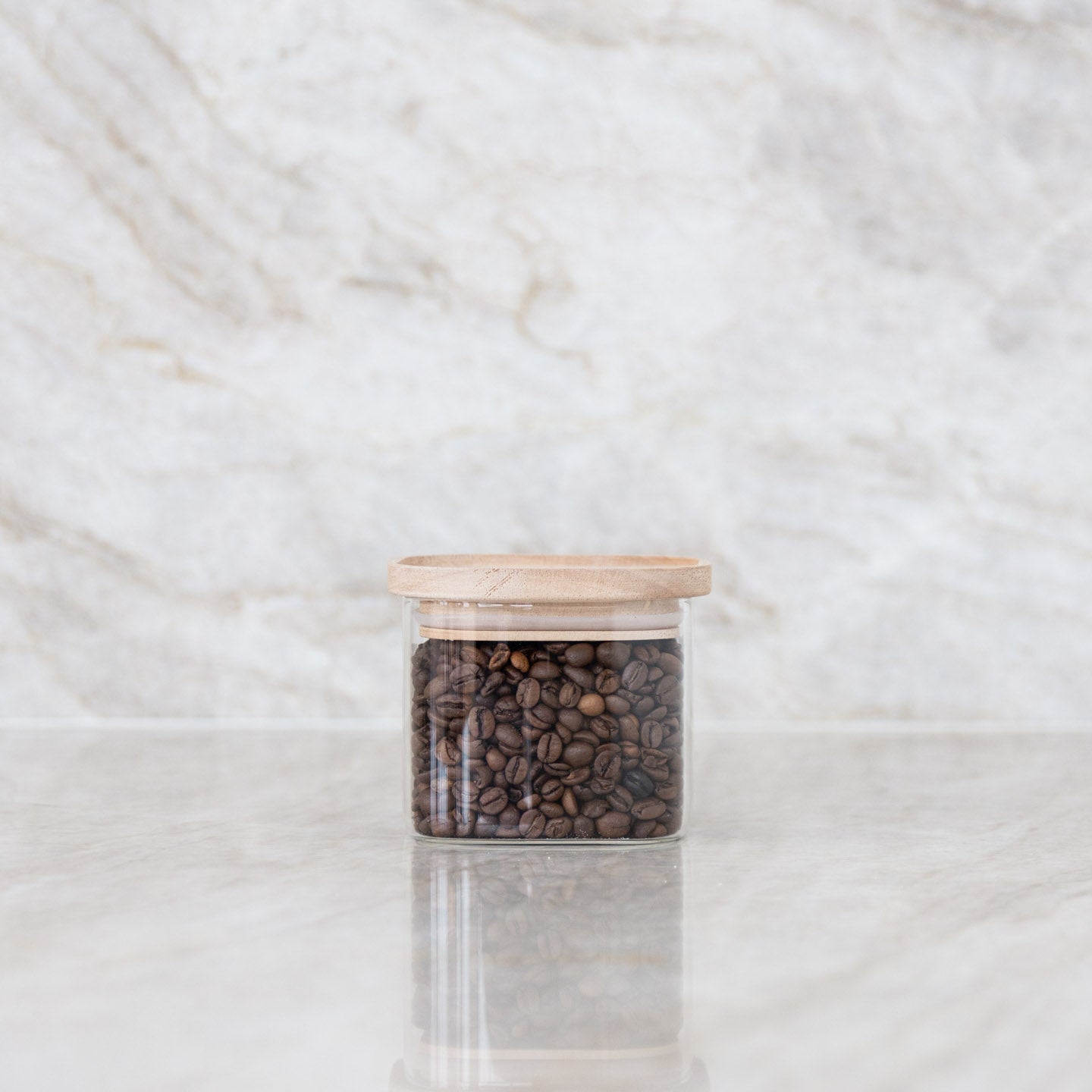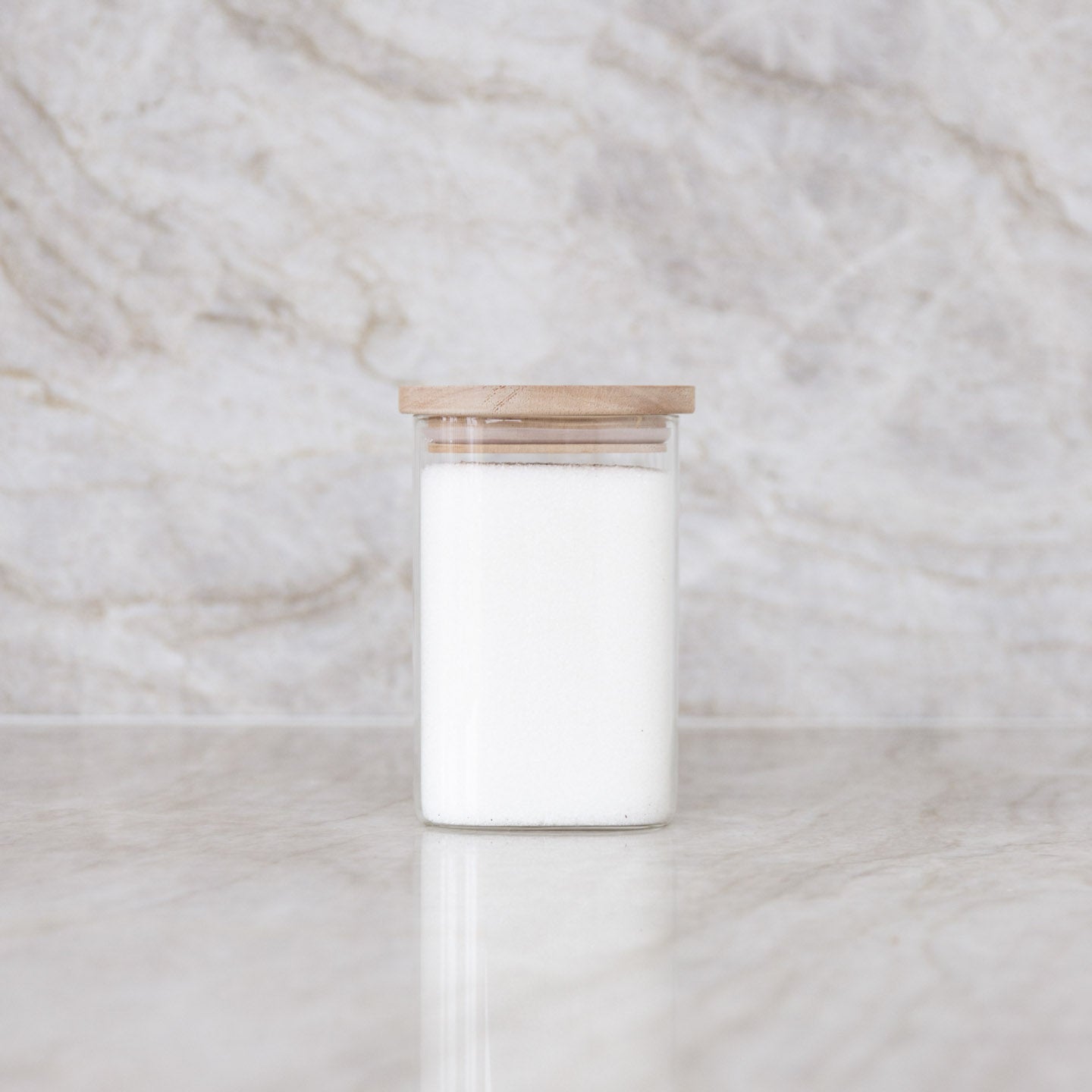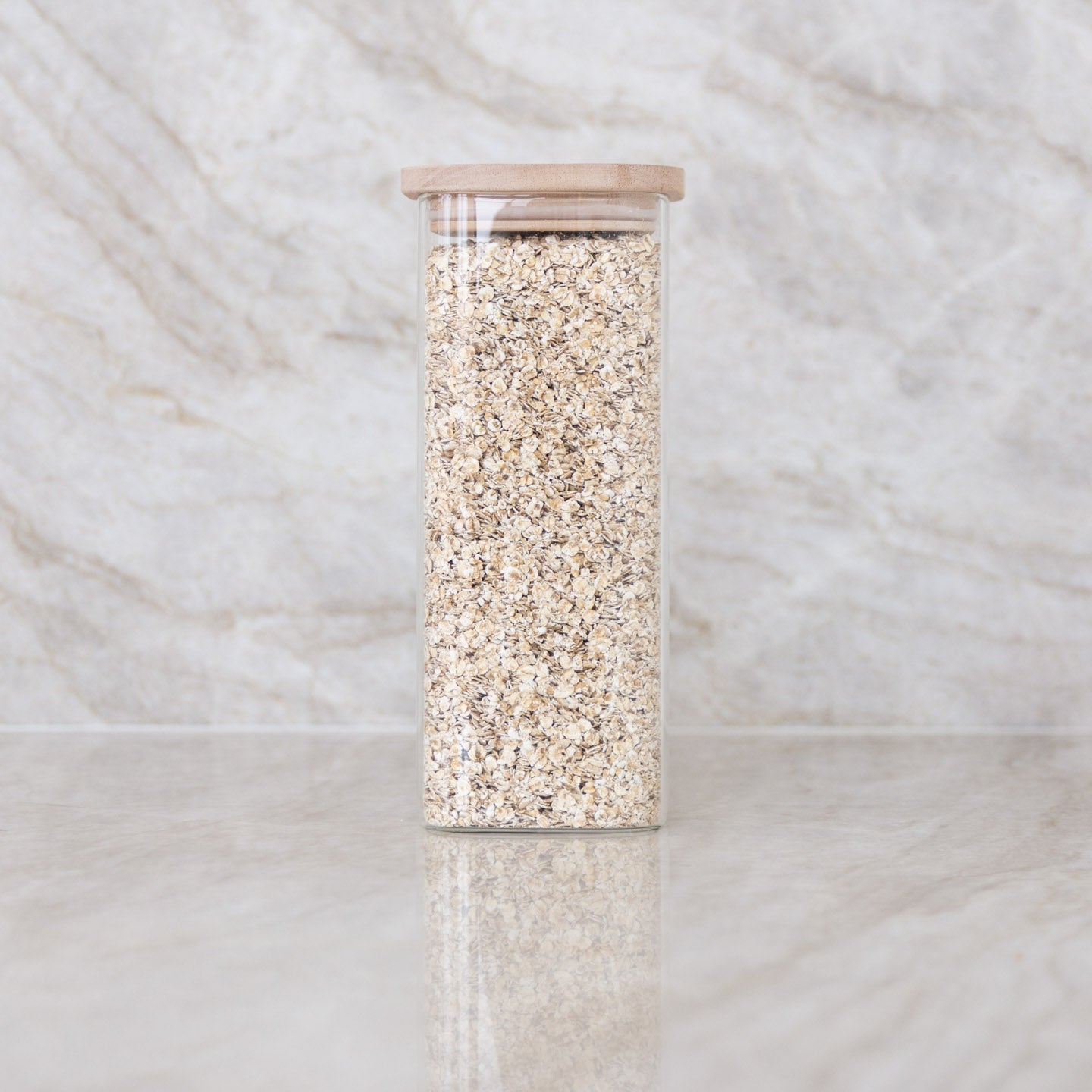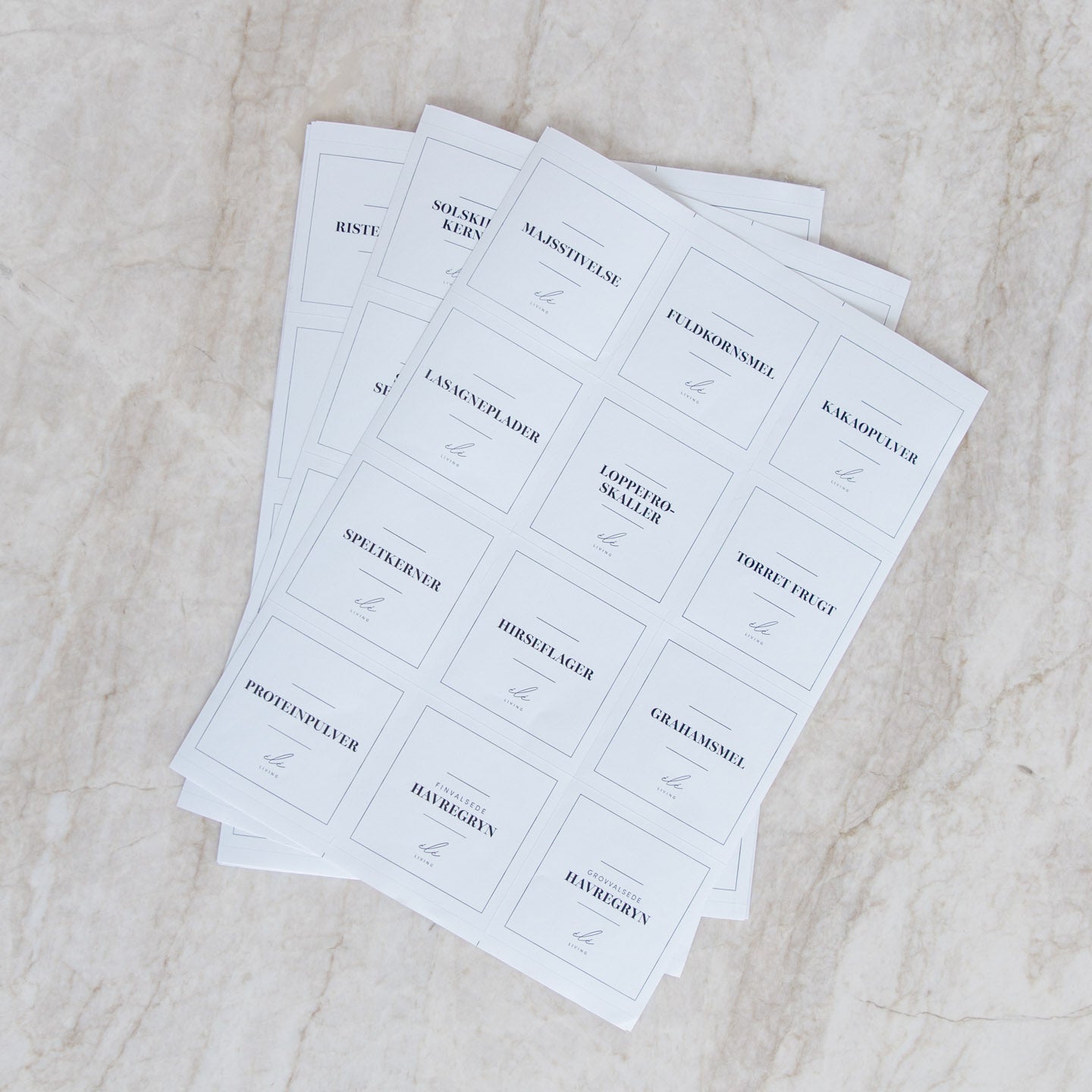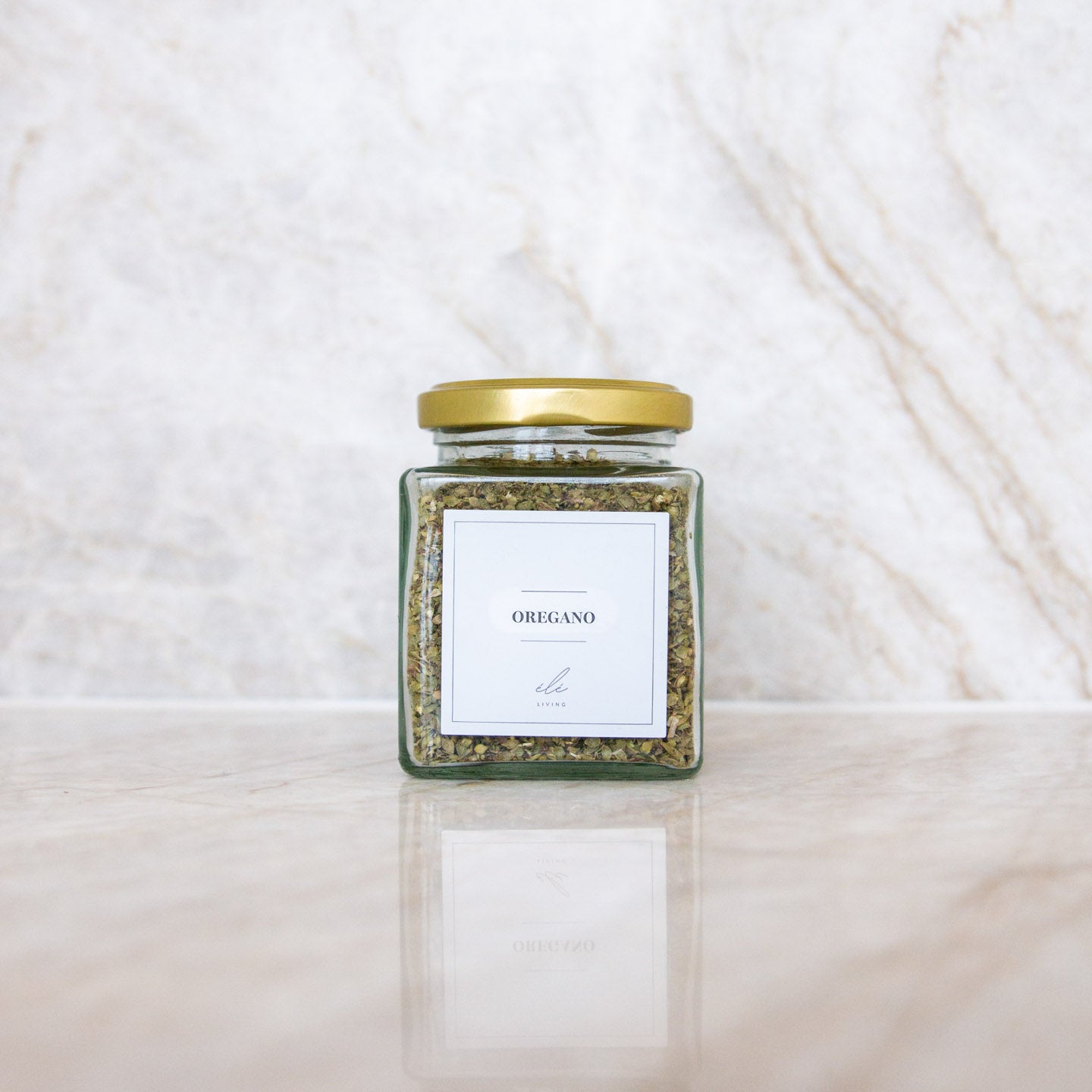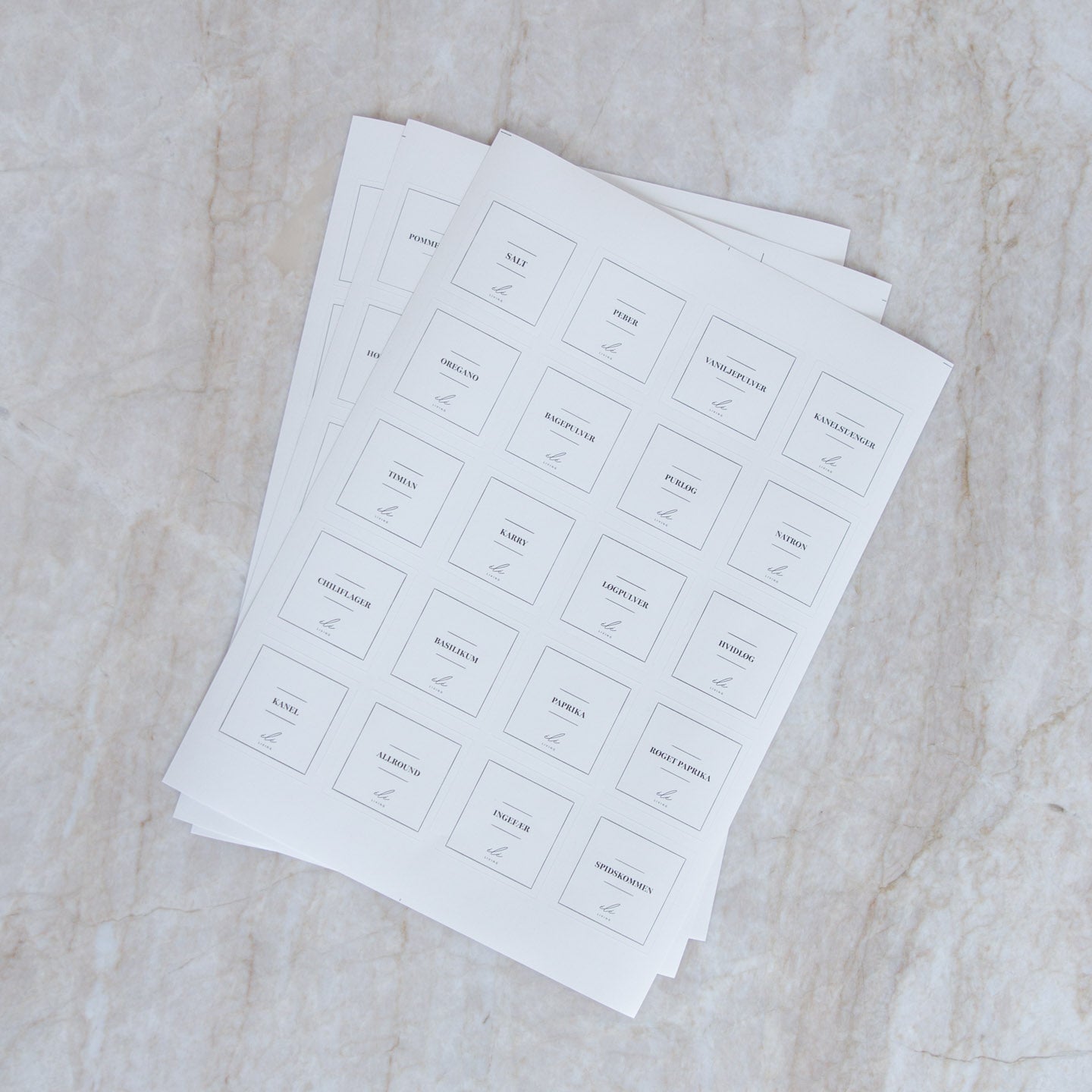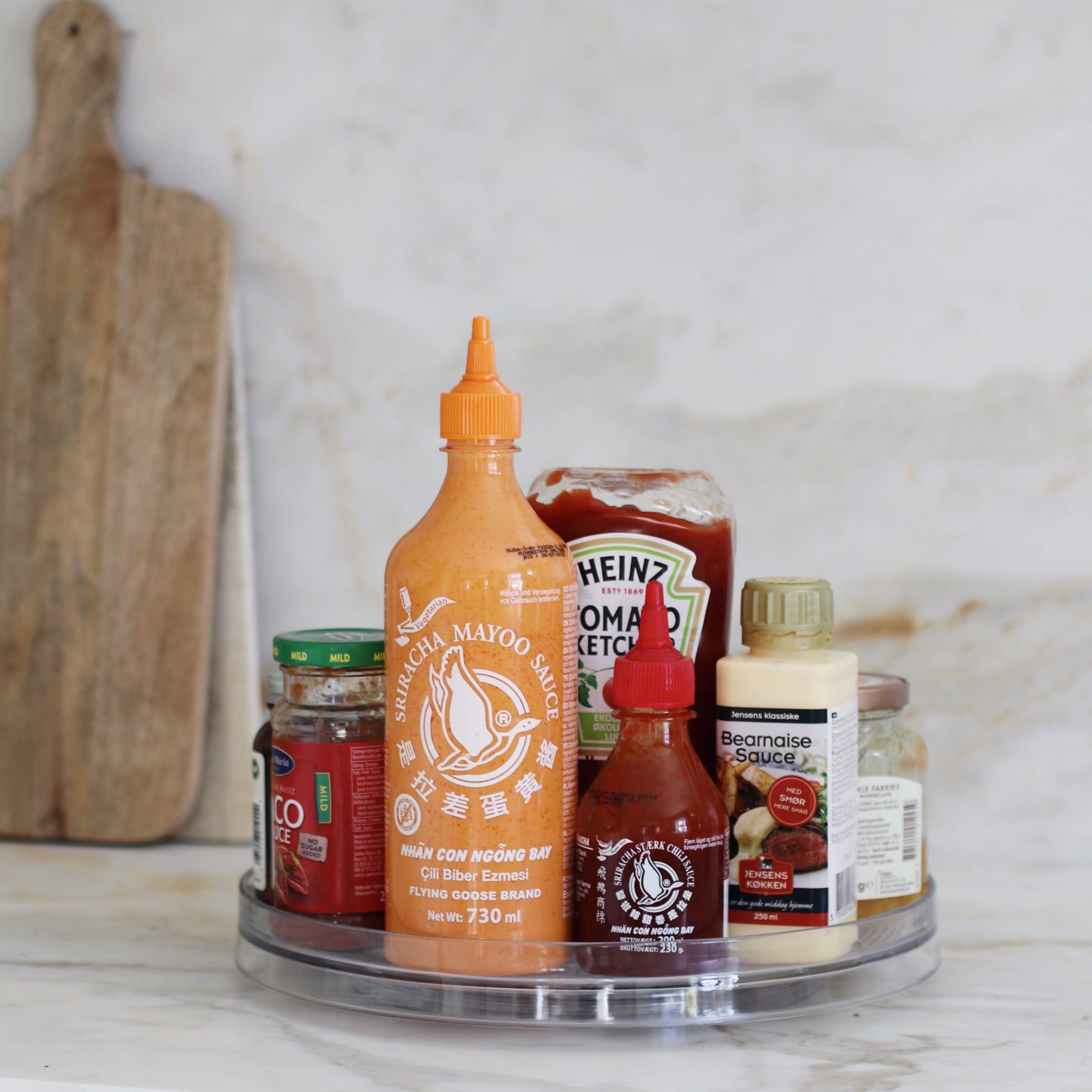

A well-organized kitchen drawer makes everyday life easier. You quickly find what you use most, and avoid duplicate purchases and clutter. Start by choosing a few consistent solutions in standard sizes to give the drawers a calm look. Think in zones: cooking near the hob, serving close to the dining area, and storing bags, elastic bands, and small items all in one place. At élé living, the focus is on minimalist, functional organization that creates an overview without unnecessary solutions.
Drawer organization in the kitchen
Start by measuring your drawers internally and plan based on what you actually use during a week. Place the most used utensils at the front and the less used ones at the back. Keep the same types of items together and give each category a fixed place. This makes it natural to put things away immediately and speeds up cleaning. If you have deep drawers, utilize the height with dividers and boxes that prevent things from getting mixed up.
Step-by-step - get started
- Measure the drawers: Length, width, and height, so inserts fit the first time.
- Map routines: What do you reach for most often by the stove and kitchen counter.
- Categorize: Cutlery, cooking utensils, baking, spice packets, and small leftover bags.
- Maintenance: Empty one drawer at a time every 2-3 months and adjust divisions as needed.
Cutlery tray for an overview
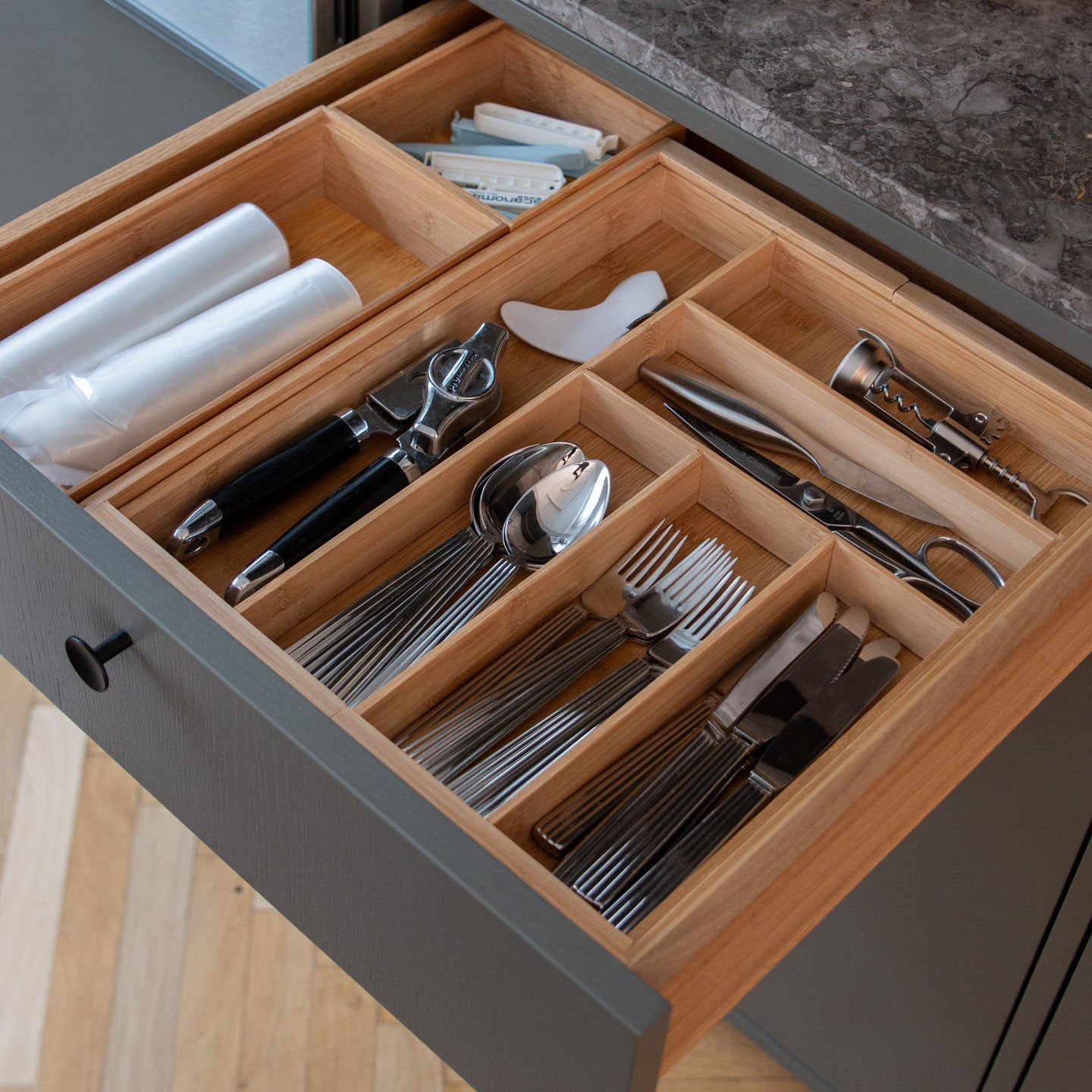
A good cutlery tray creates structure in everyday grabs. Place knives, forks, and spoons in their own sections, and give serving cutlery its own space so it doesn't mix with everyday cutlery. A simple solution is a cutlery tray that fits standard sizes and utilizes the entire width of the drawer. Supplement with a narrow section on the side for straws or reusable bag rolls, so everything has its fixed place.
Dividing with drawer boxes and dividers
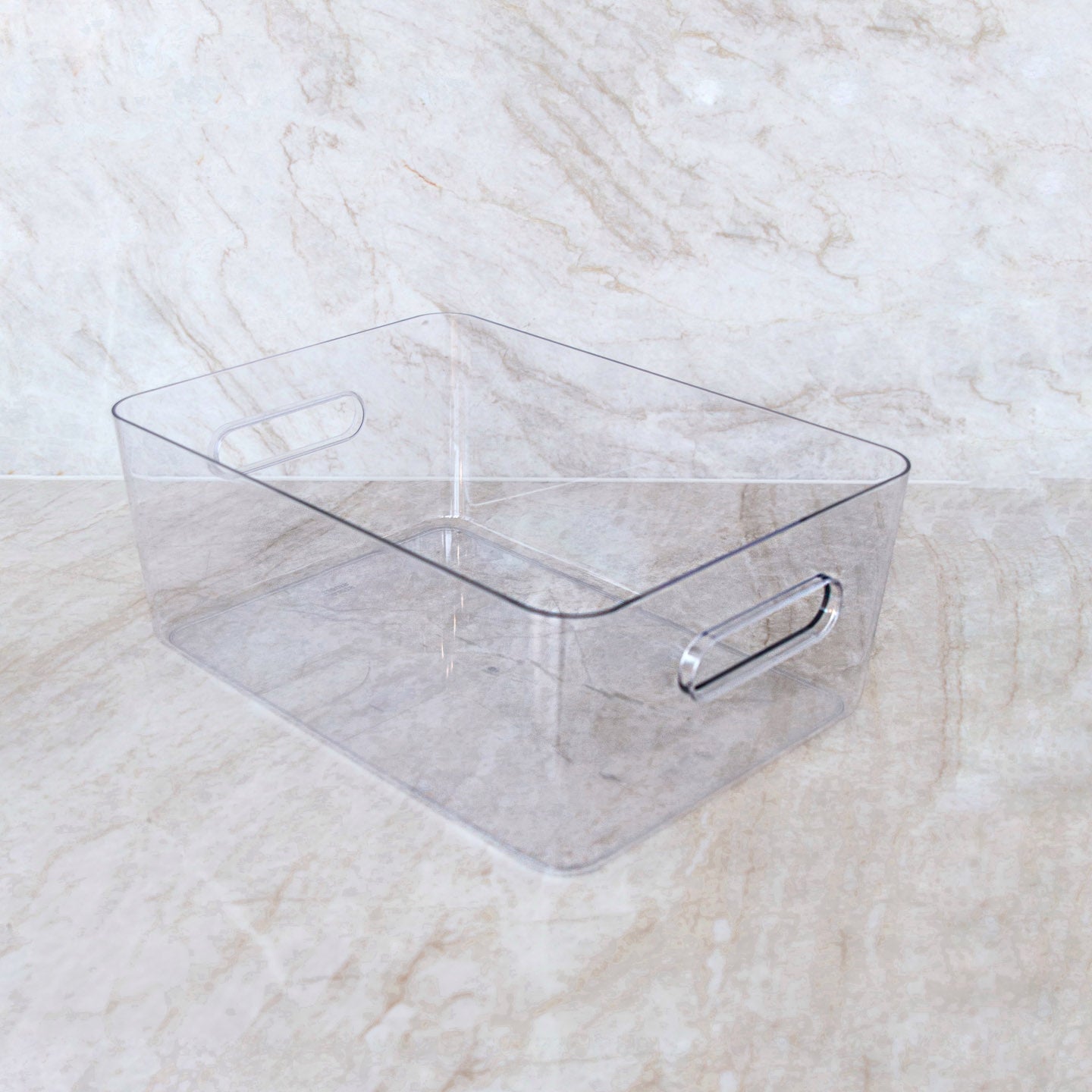
Small and medium boxes are ideal for loose items like spice packets, baking equipment, teaspoons for baking, brushes, and measuring spoons. A medium drawer box groups categories so they don't slide around when the drawer is opened. Use a drawer divider to create longitudinal compartments that fit your utensils. A practical approach is to have the front row hold what you use daily, while the back row holds less frequently used items like rolling pins or extra whisks.
Spices and small utensils in the drawer
If you have spices in the drawer, choose low containers or boxes where the jars lie or stand in rows, so labels are easy to read from above. Gather packets of bouillon, vanilla sugar, and baking powder in a shallow box so they don't disappear at the back. Small utensils like garlic presses, peelers, and thermometers get a shared space, so they don't clutter among spoons and spatulas. Stick to fixed categories and replenish using the same pattern to maintain an overview.
Narrow vs. deep drawers - how to utilize space
In narrow drawers, lined rows work well: arrange utensils by length so nothing gets stuck crosswise. In deep drawers, you can work on two levels with boxes, so small items don't hide under larger ladles. Place heavy items like cast iron tongs or large tongs at the bottom of the drawer and lighter items at the top. Test your setup by spending a week using the "use the front ones first" principle. It quickly reveals whether the most used items are in the right place.
Conclusion
When your kitchen drawer is divided into simple zones with fixed compartments, both cooking and tidying become more manageable. See more thoughtful solutions for drawers, utensils, and daily routines in the Kitchen category, and choose a few good elements that you can repeat across the drawers. This creates a calm look and a functioning kitchen everyday life.