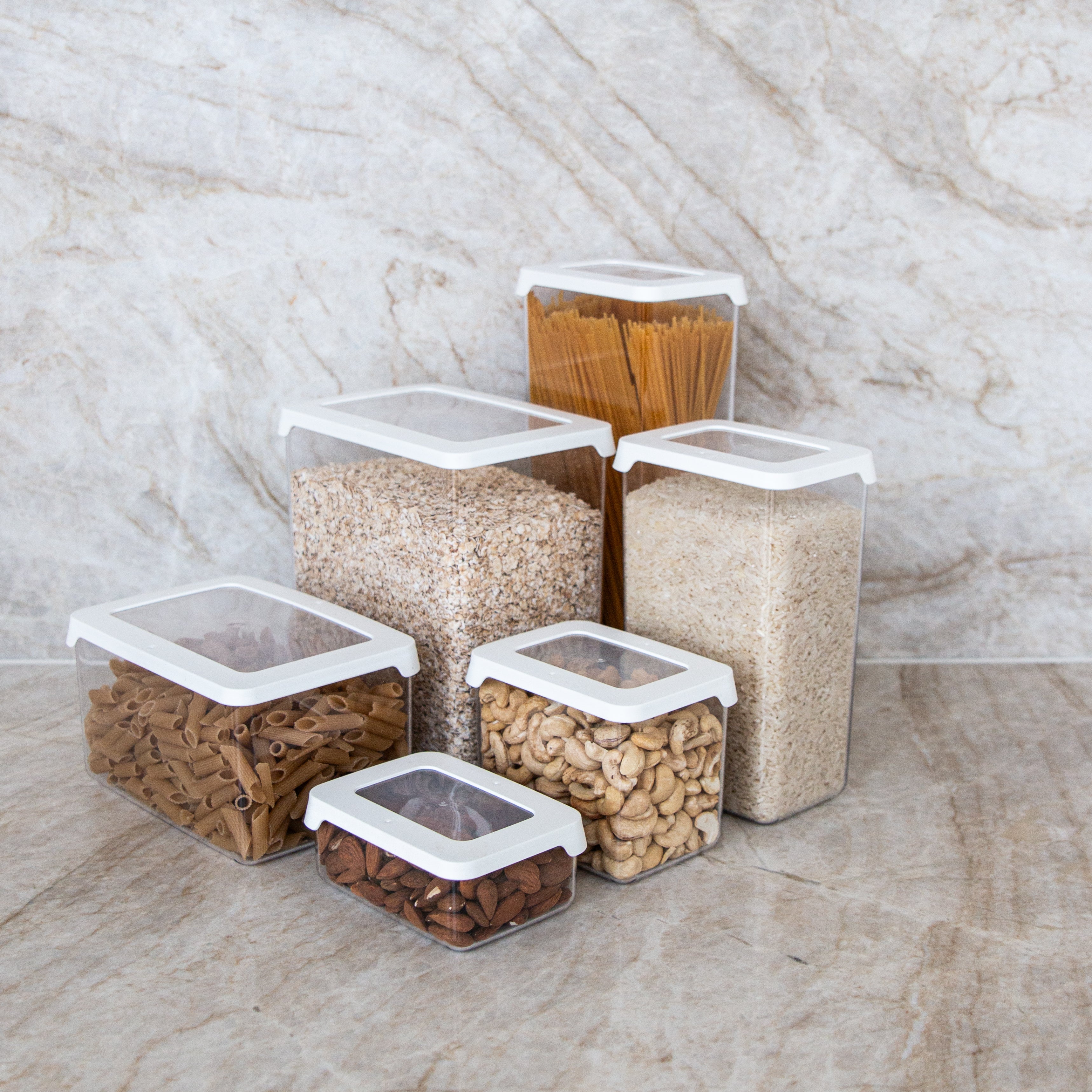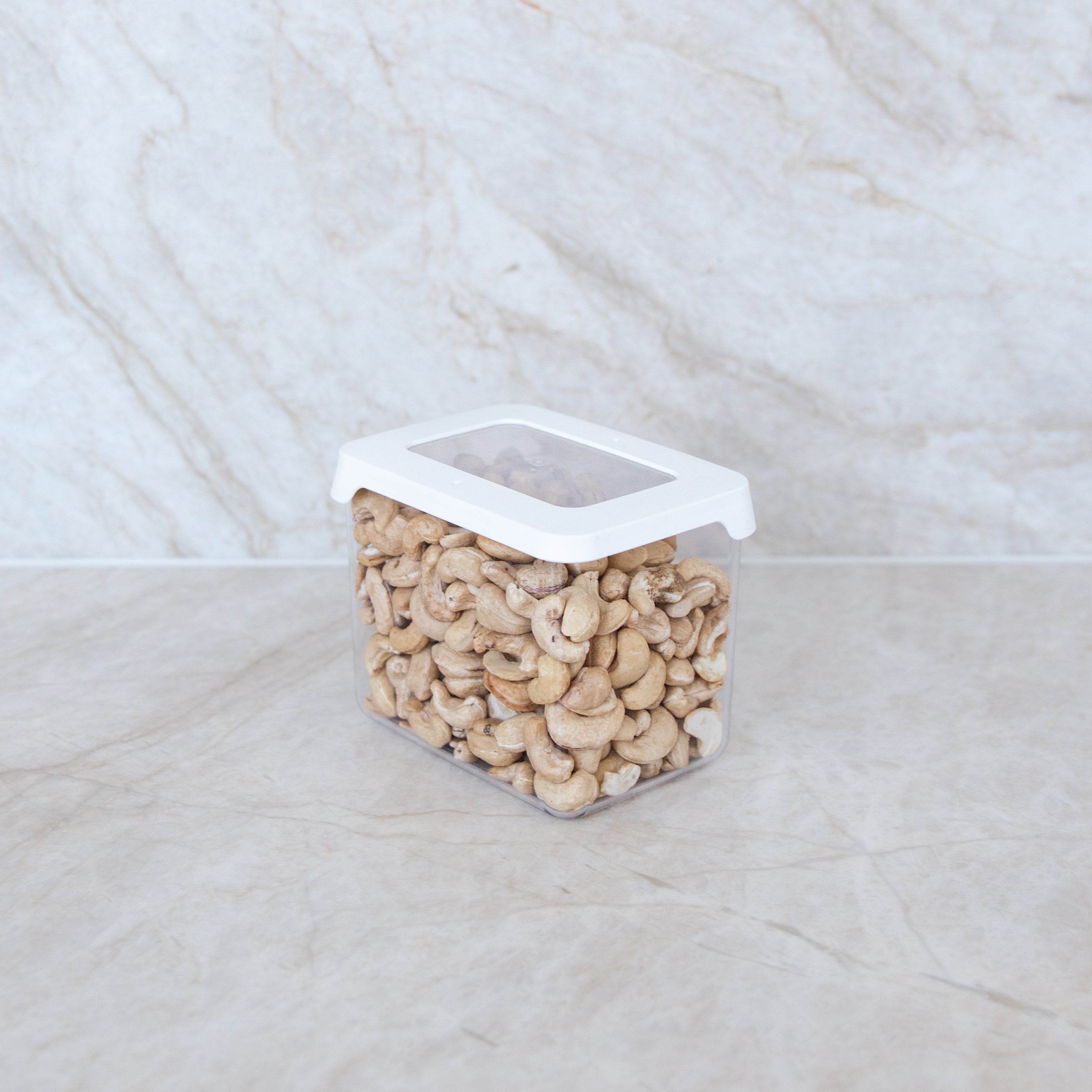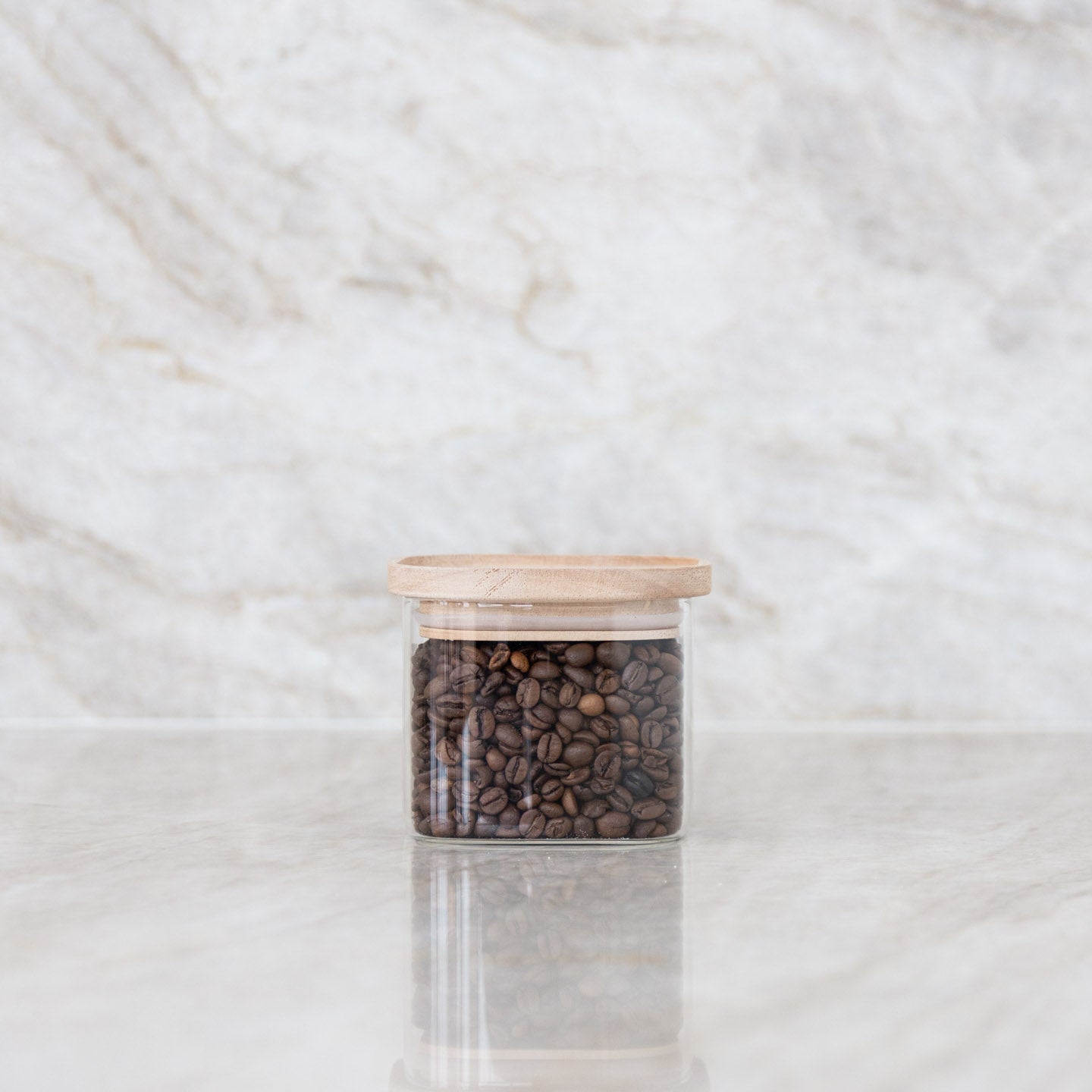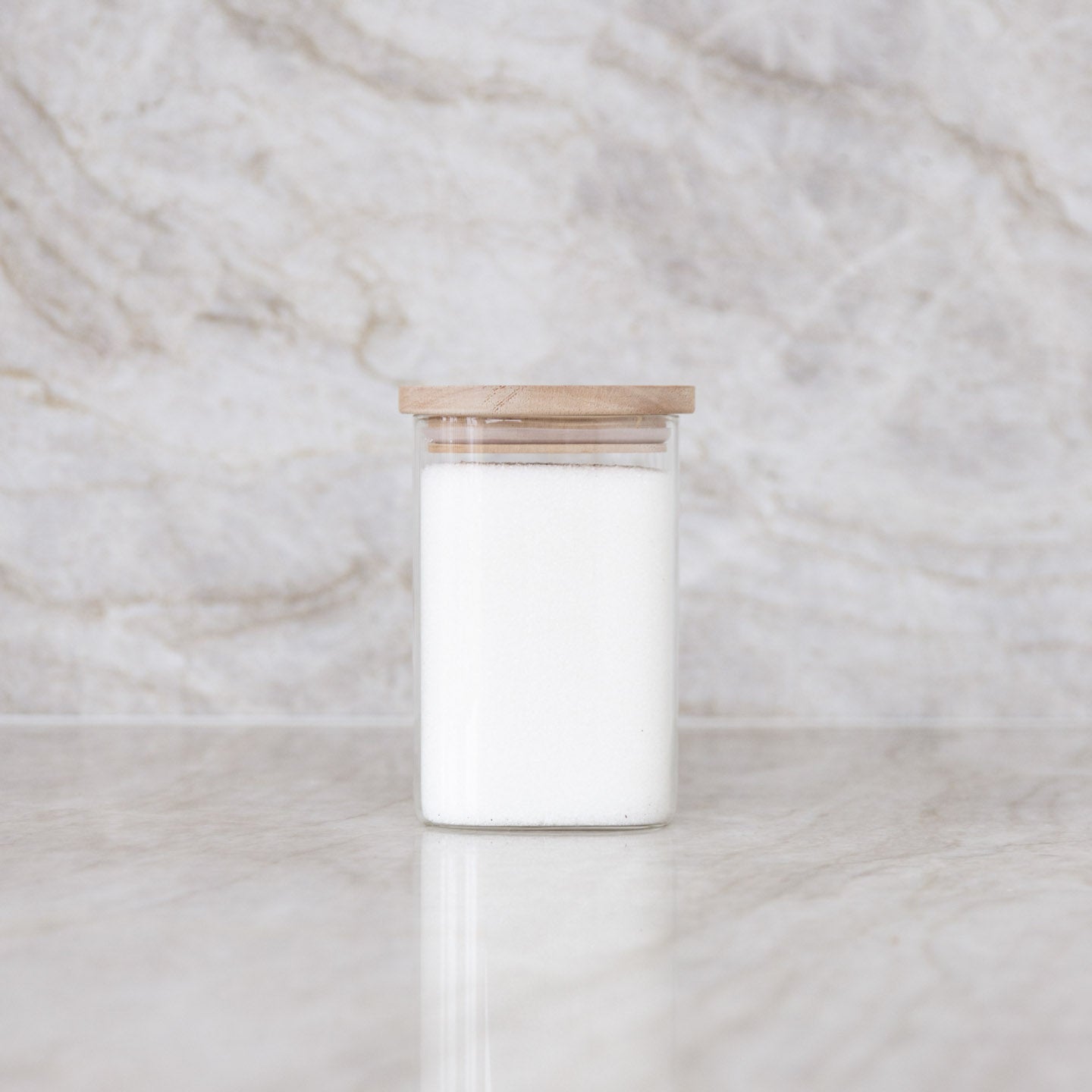

Refrigerator bins provide a calm overview in everyday life. When groceries are grouped into fixed zones, it's quicker to find cold cuts, snacks, and vegetables, and the refrigerator looks tidy. At élé living, organization is about simplicity and a timeless, Nordic expression – only fill your home with what you truly need. Below, you'll find concrete advice on choosing sizes, placement, and stacking, so your bins work for you.
Storage bins for the refrigerator
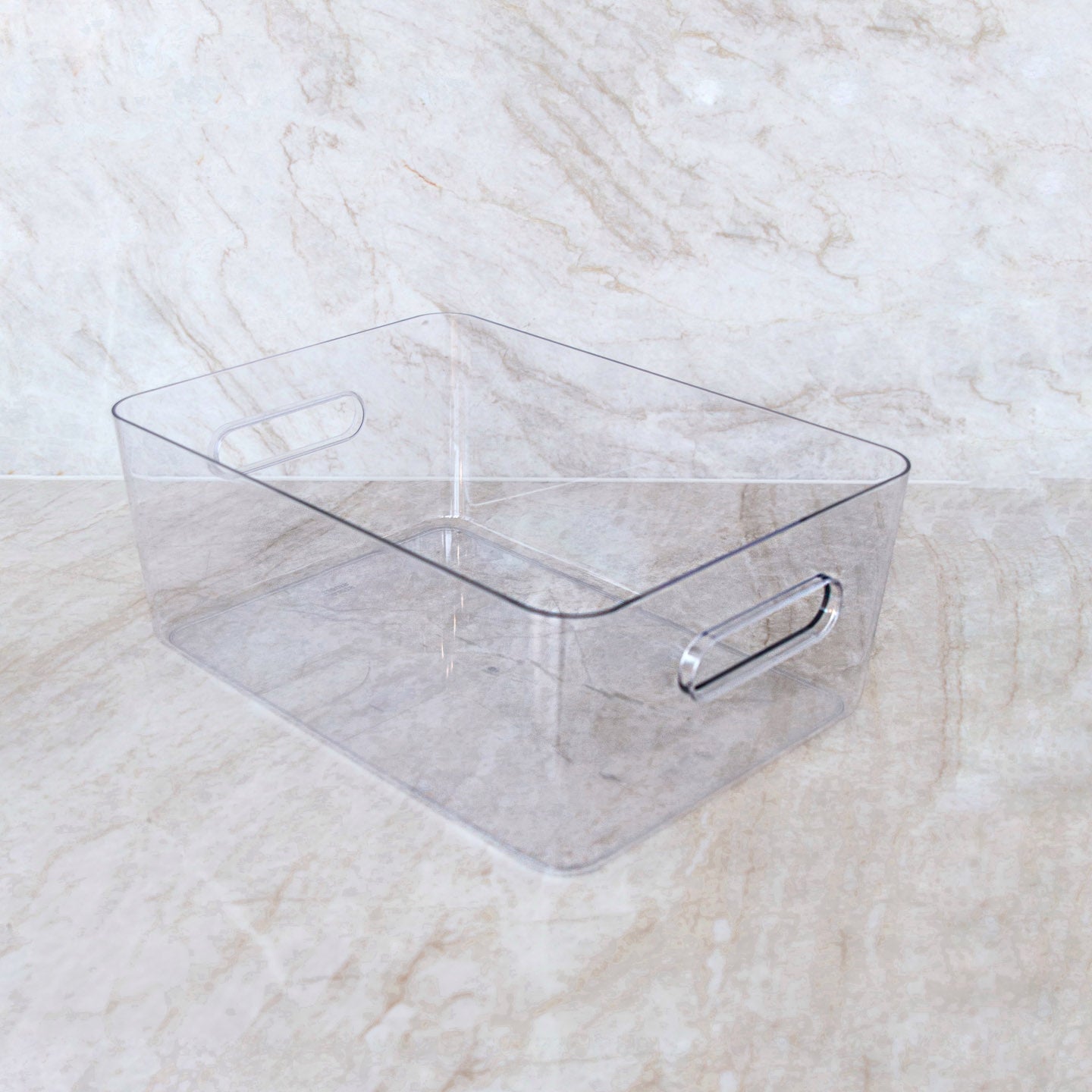
Place the bins on the shelves in the refrigerator – not in the door, as refrigerator bins are not suitable for refrigerator doors. Start by dividing the shelves into a few, fixed purposes: breakfast, lunch, dinner accompaniments, and vegetables. Choose transparent varieties so you can quickly see the contents. See the selection in the Refrigerator category, and optionally supplement with classic Bins if you want to replicate the same look in other cabinets.
Sizes and what they are suitable for
Improve flow by matching the size of the bin to the items. Stick to a few repeated sizes for a calm look.
Small bins for snacks and cold cuts
Gather small items that would otherwise clutter. A practical example is the refrigerator bin xs, which is good for snack bags, small packs of cold cuts, and berry punnets.
Medium bins for dairy products
Use medium bins for yogurt pots, fresh cheeses, butter, and plant-based alternatives. When you pull out the bin, it's easy to see the contents and put it back in place.
Large bins for vegetables and open jars
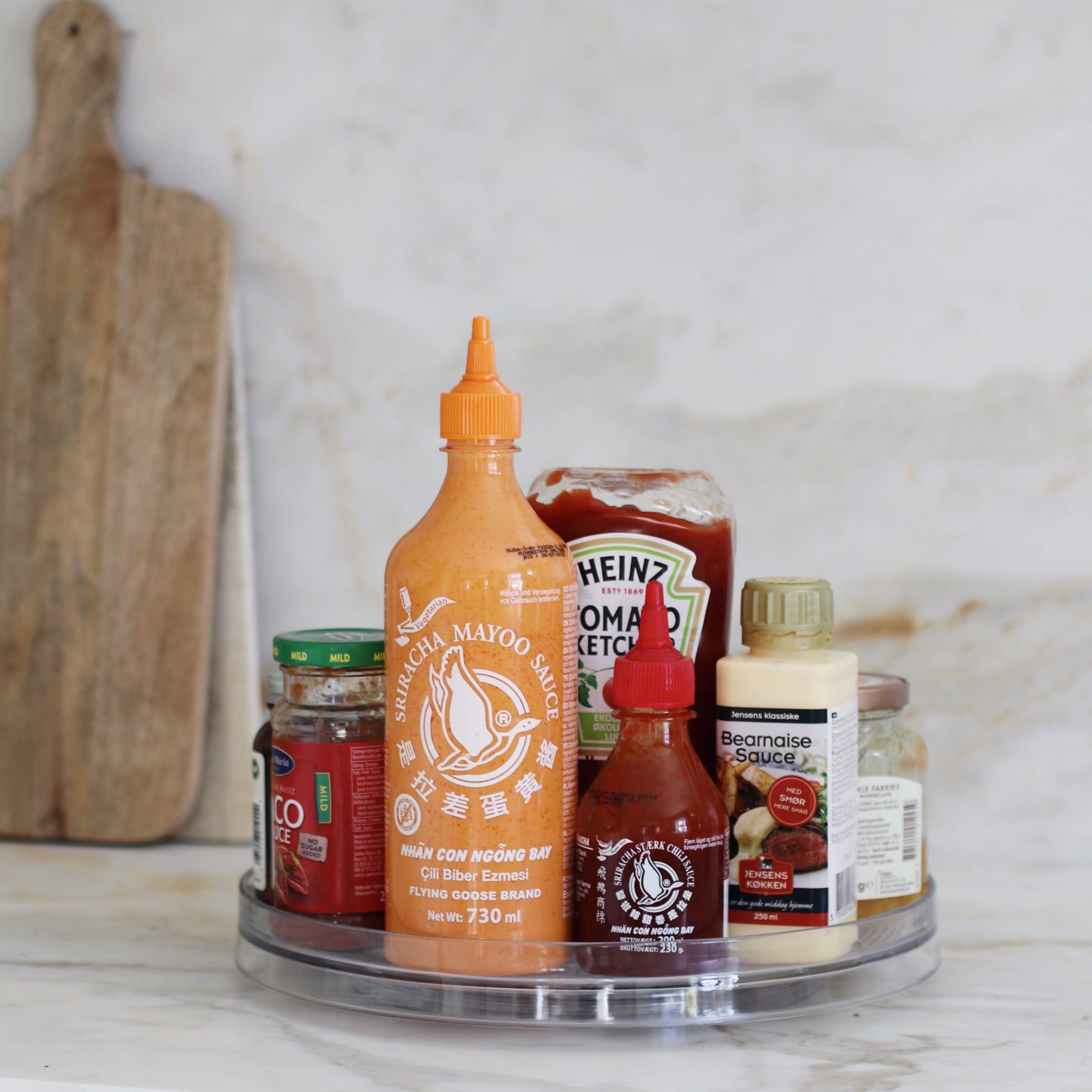
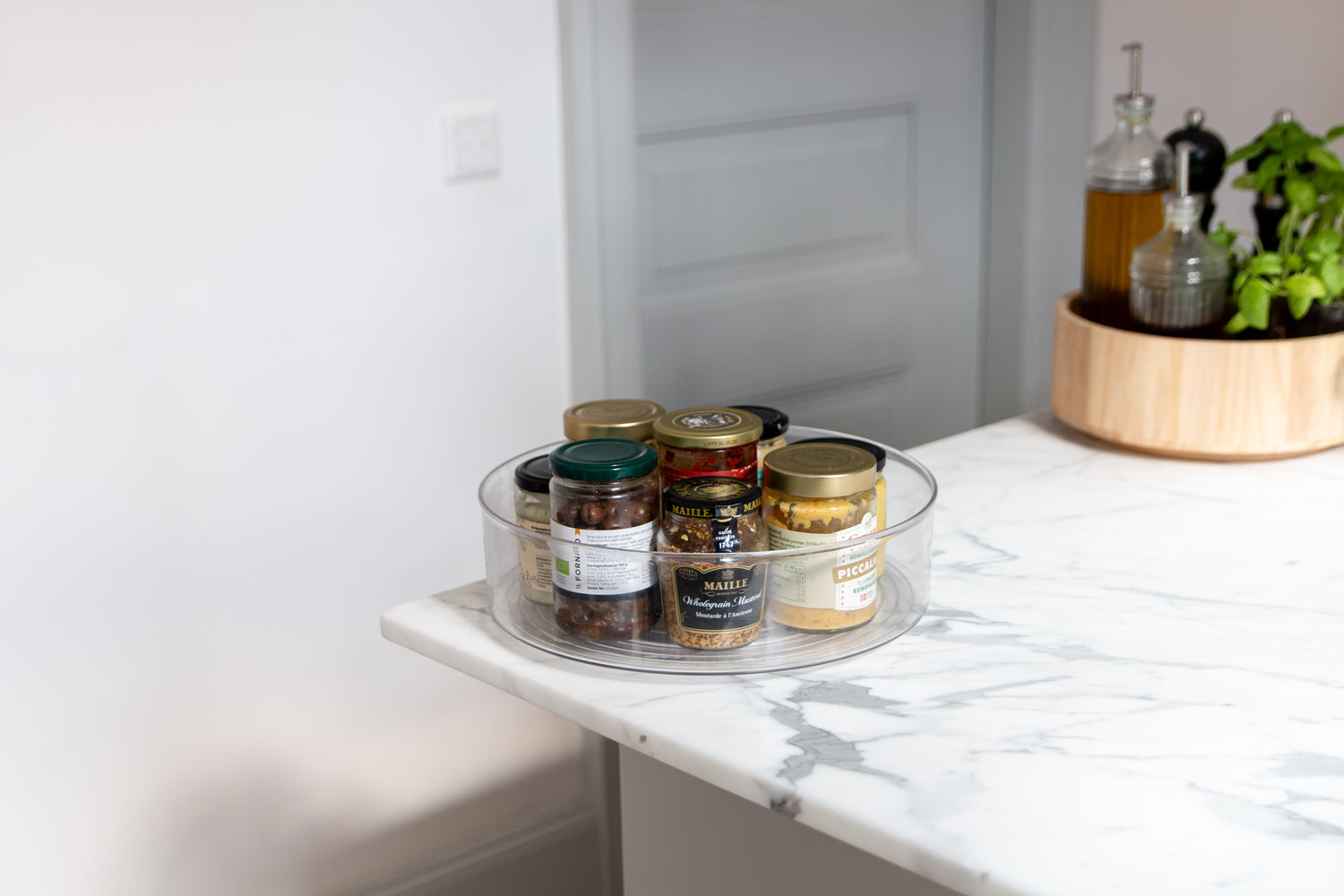
Large bins are suitable for larger fruits and vegetables, as well as open jars and bottles of the same category – for example, pickled vegetables or sauces.
How to organize with refrigerator bins
Create fixed routines so the refrigerator almost tidies itself. Empty the shelf completely, choose 2-3 types of bins, and give each bin a clear function. Place the bins to suit your family's routines – breakfast at the top, snacks at eye level, dinner accompaniments at the bottom. Place the oldest items at the front so they are used first.
Choose what lives in each bin
- Snacks: sticks, nuts, bars, and small pots
- Cold cuts: packs of ham, cheese, and spreads
- Dairy: yogurt, sour cream, skyr, and butter
- Vegetables: lettuce, carrots, bell peppers, and tomatoes
- Breakfast: jam, plant milk in small cartons, toppings
Stackable refrigerator bins with lids
If you want to utilize height, choose bins with matching lids. Close each bin with its own lid and stack them on top of each other to optimize space in the refrigerator. Lids also make it easier to move an entire category at once. Note that the lids for the bins are not airtight, so strong-smelling items should remain in their original packaging. Tip: Repeat one or two sizes to keep the stacking system uniform.
From refrigerator to freezer – how to get flexibility
Refrigerator bins and storage containers can be used in both the refrigerator and freezer. This makes it easy to move fixed categories between zones – for example, when meal prepping or needing space for leftovers. Use Storage containers for food items that are best kept completely sealed, and bins for items you reach for often. Maintain the same category division in the freezer as in the refrigerator, so it feels familiar to find items.
Start small, repeat sizes, and place the bins to match your everyday life. Once the zones are set, an overview will follow.