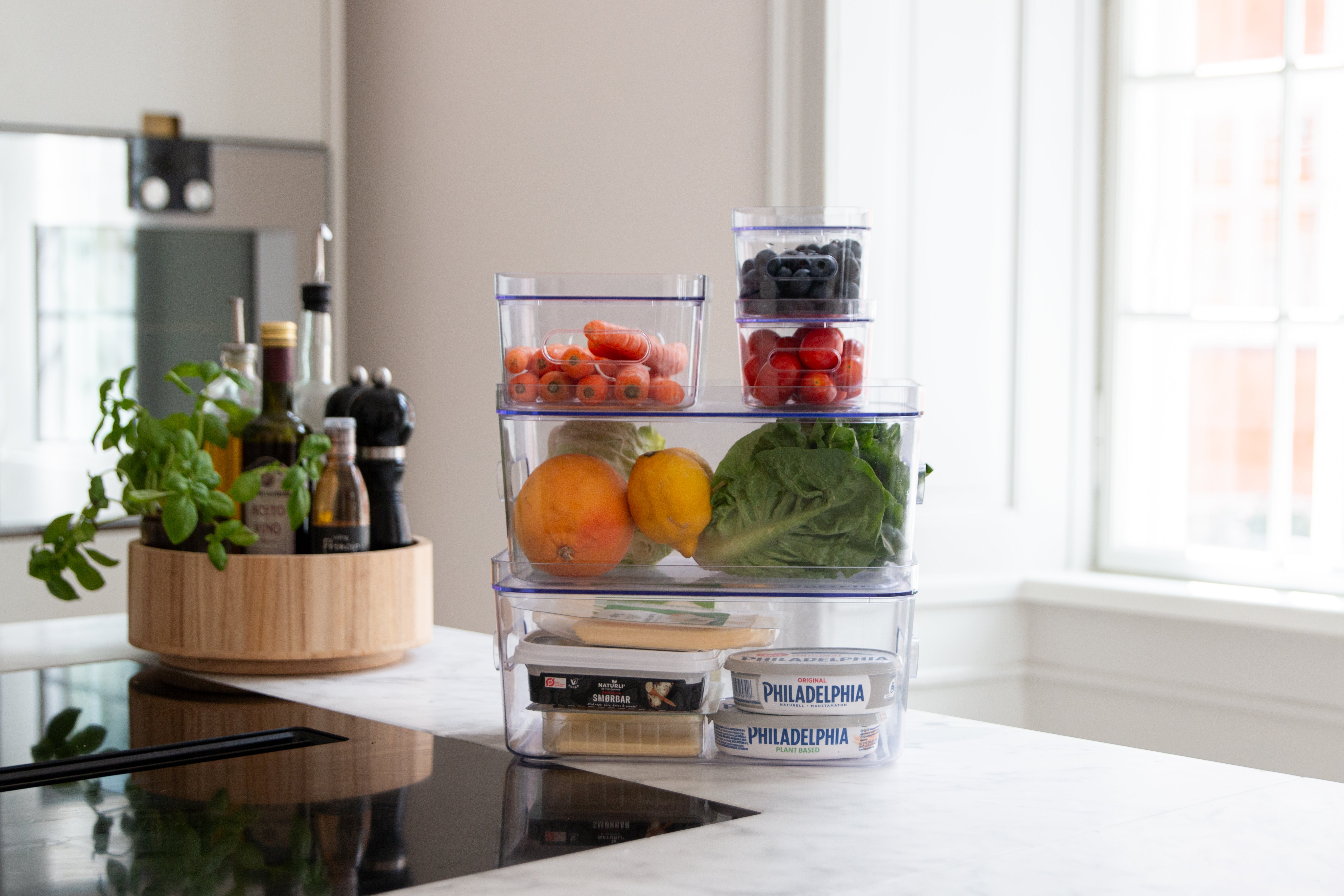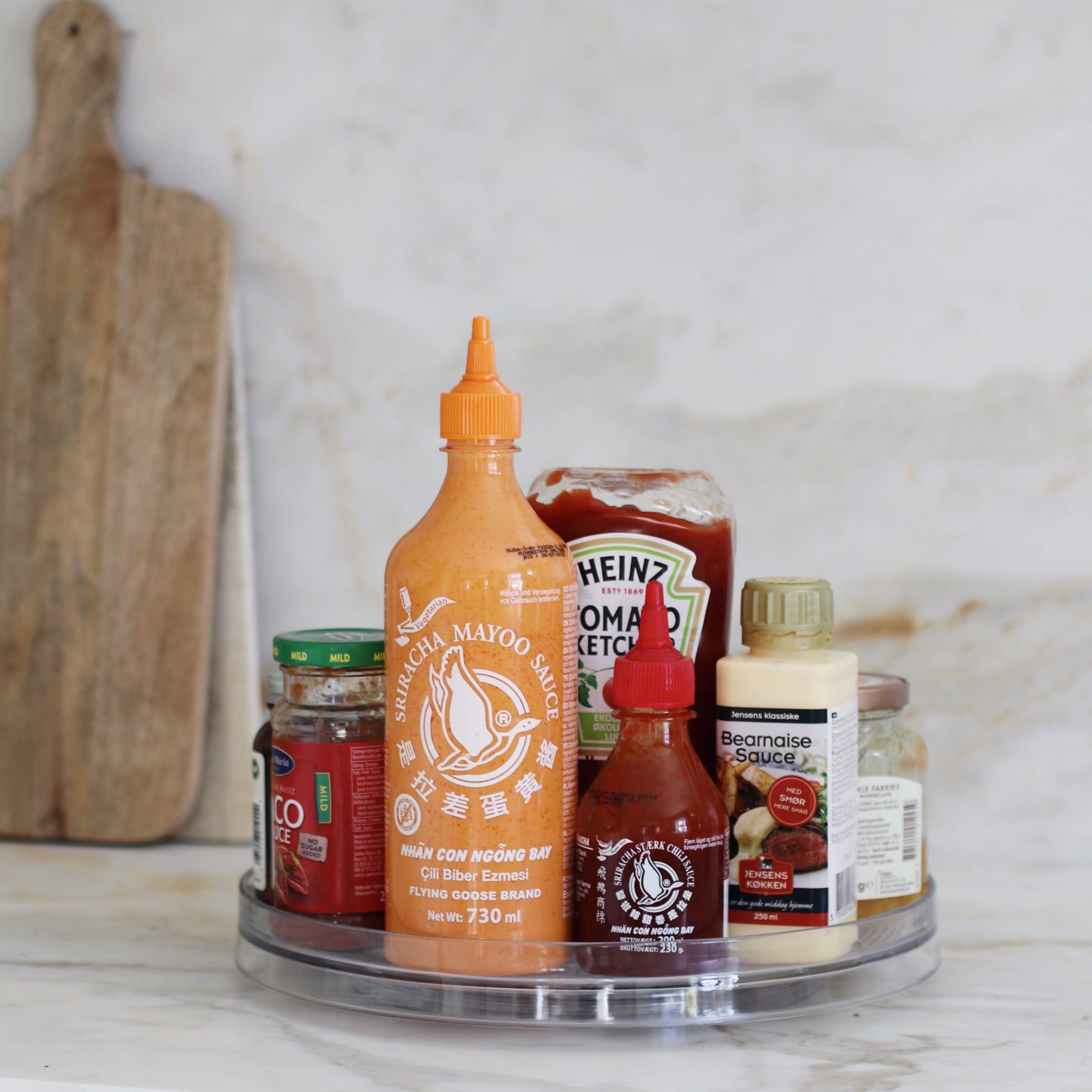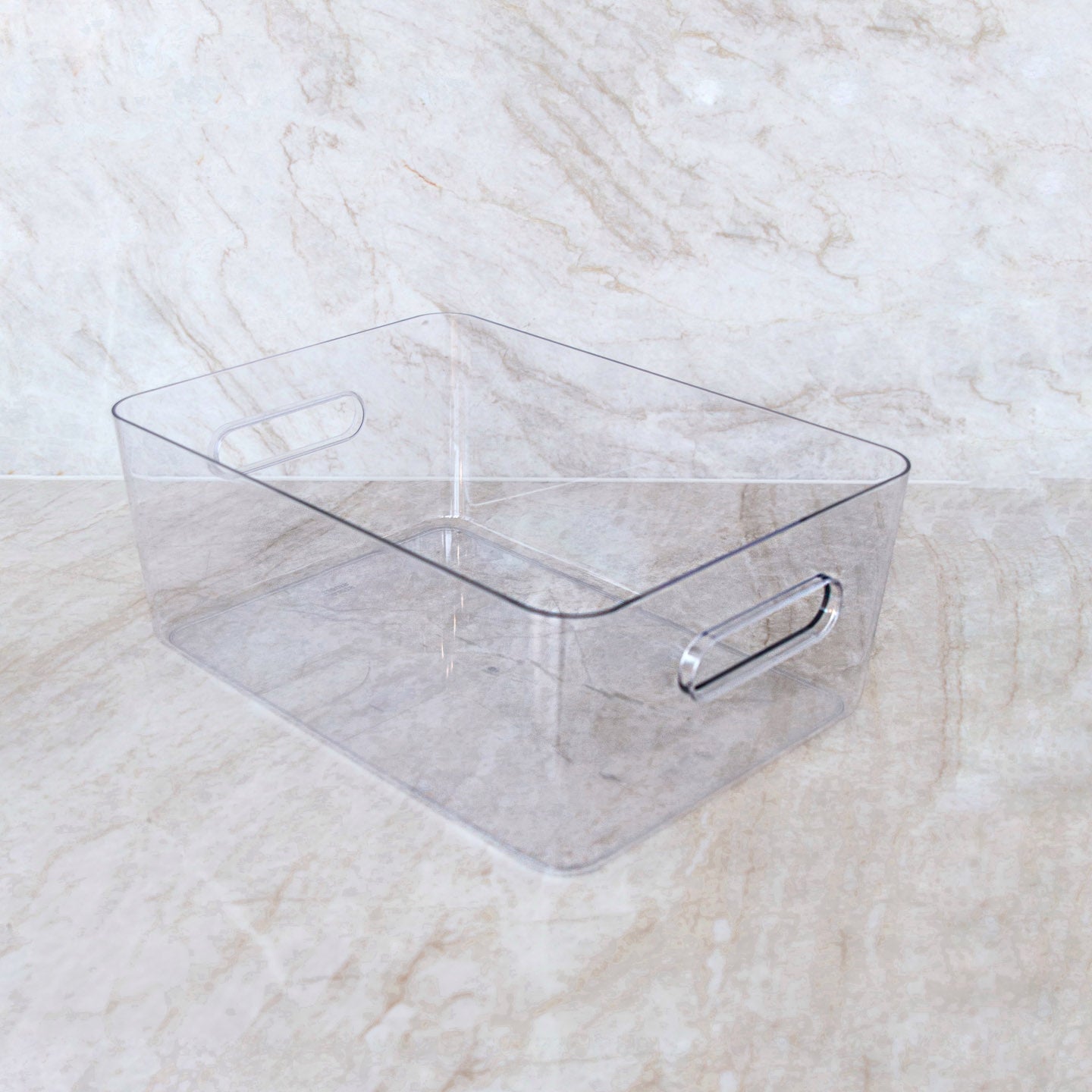

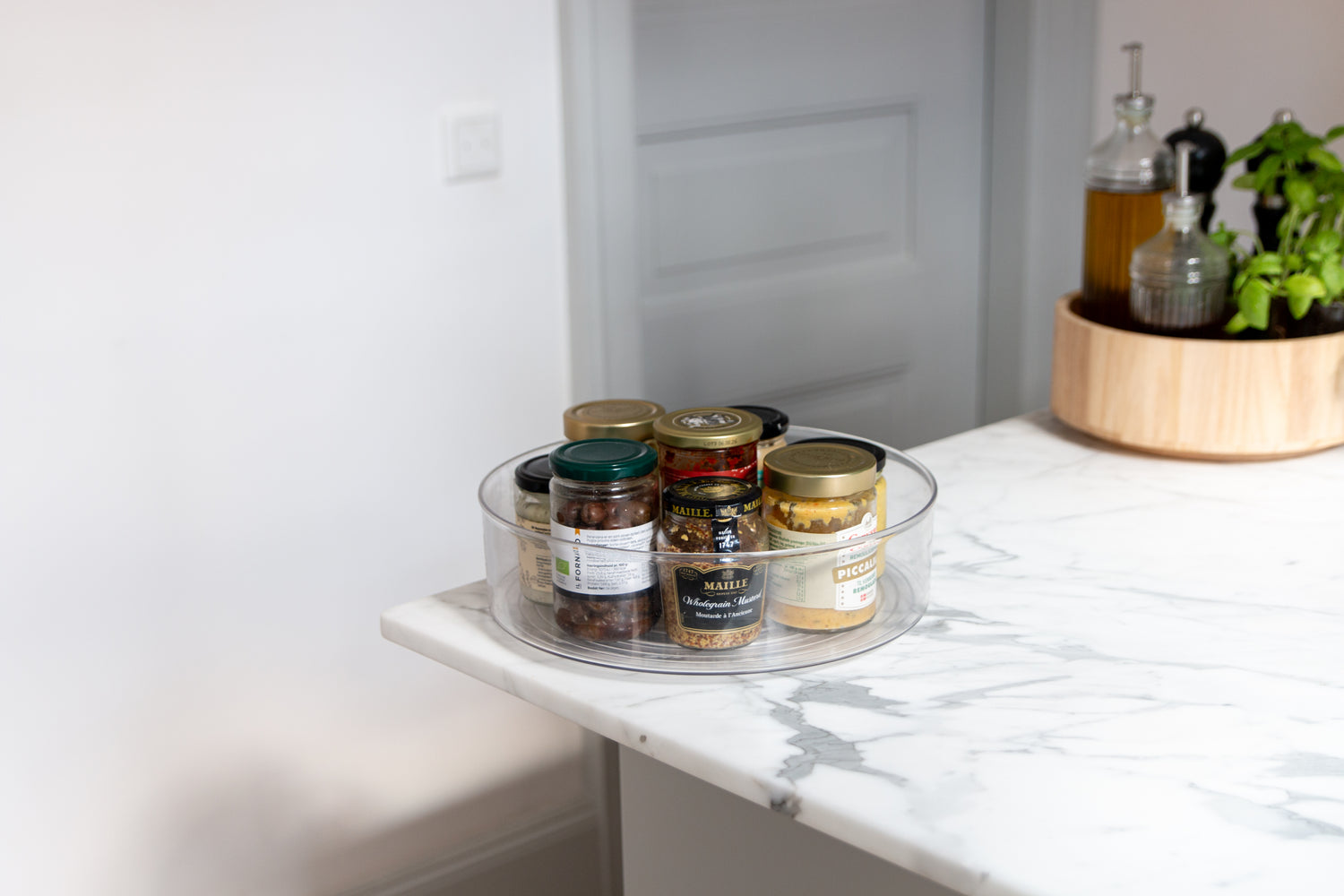
Refrigerator vegetable bins make it easy to keep salads, snack greens and root vegetables together in fixed zones. With clear, stackable bins, you can quickly see what you have and avoid small items hiding at the back. Place the bins on shelves or in the vegetable drawer where they suit your routine - they are not intended for the refrigerator door. When the bins are placed in straight rows, you get a quiet system that is easy to maintain in everyday life.
Storing vegetables in the refrigerator
Start by dividing the vegetables into categories such as salad greens, snack greens and greens for cooking. Collect each category in its own box so that it is organized. Put newly purchased vegetables at the back of the box so that the oldest ones are used first. This creates a natural flow without extra work. For smaller vegetables such as cherry tomatoes, radishes and snow peas, small boxes are practical, while larger bundles such as lettuce, broccoli and leeks require more space. The boxes can also be used in the freezer if you want to collect pre-cut vegetables.
Refrigerator box with lid
A lid visually unifies the box and makes stacking stable. This is especially useful for many small, loose vegetables such as cherry tomatoes, carrot sticks, radishes and snack peppers. Close the boxes with their own lids and stack them on top of each other to optimize space in the refrigerator. Choose a specific lid for daily use, such as the lid for the small refrigerator box , when you want to keep small vegetables together in a shallow box.
Stackable plastic boxes for refrigerator
Stackable boxes take advantage of the height of the shelves and make it easy to keep an overview. When you pull out the box, it is easy to see the contents and put it back in place. Stick to the same 2-3 sizes on each shelf for a calm look and a system that is easy to maintain. Clear boxes give you a quick insight into whether you need to add lettuce, cucumbers or peppers.
Choose the size
- XS: Berries, cherry tomatoes, radishes and small snack bags. A practical example is the XS refrigerator box , which keeps small vegetables together at the front of the shelf.
- Small: Small vegetables in bulk, carrot sticks, sugar snap peas and mini cucumbers. Good for what you reach for during the day.
- Medium: Lettuce, broccoli, peppers, cucumbers and leeks. Choose the medium refrigerator drawer when you want to divide an entire shelf into manageable sections for larger vegetables.
Refrigerator organization of greens
Think in fixed zones: salads at the top, snack greens in the middle, and greens for cooking in a separate box. Measure the shelf and arrange the boxes in straight rows so they can slide in and out without hitting the sides. Place the most used boxes at the front and keep the same order every time so everyone in the home knows where the vegetables live. When the boxes are closed with lids and stacked, you take advantage of the height and maintain a calm look throughout the refrigerator.
Quick start refrigerator package
If you want to get to your goal quickly, a complete solution is a good shortcut. A refrigerator package contains coordinated sizes, so you can build a system right away. You get boxes that fit together, and you can easily supplement with more of the same ones if your needs change. This way you create a manageable refrigerator for vegetables without having to assemble the parts individually.