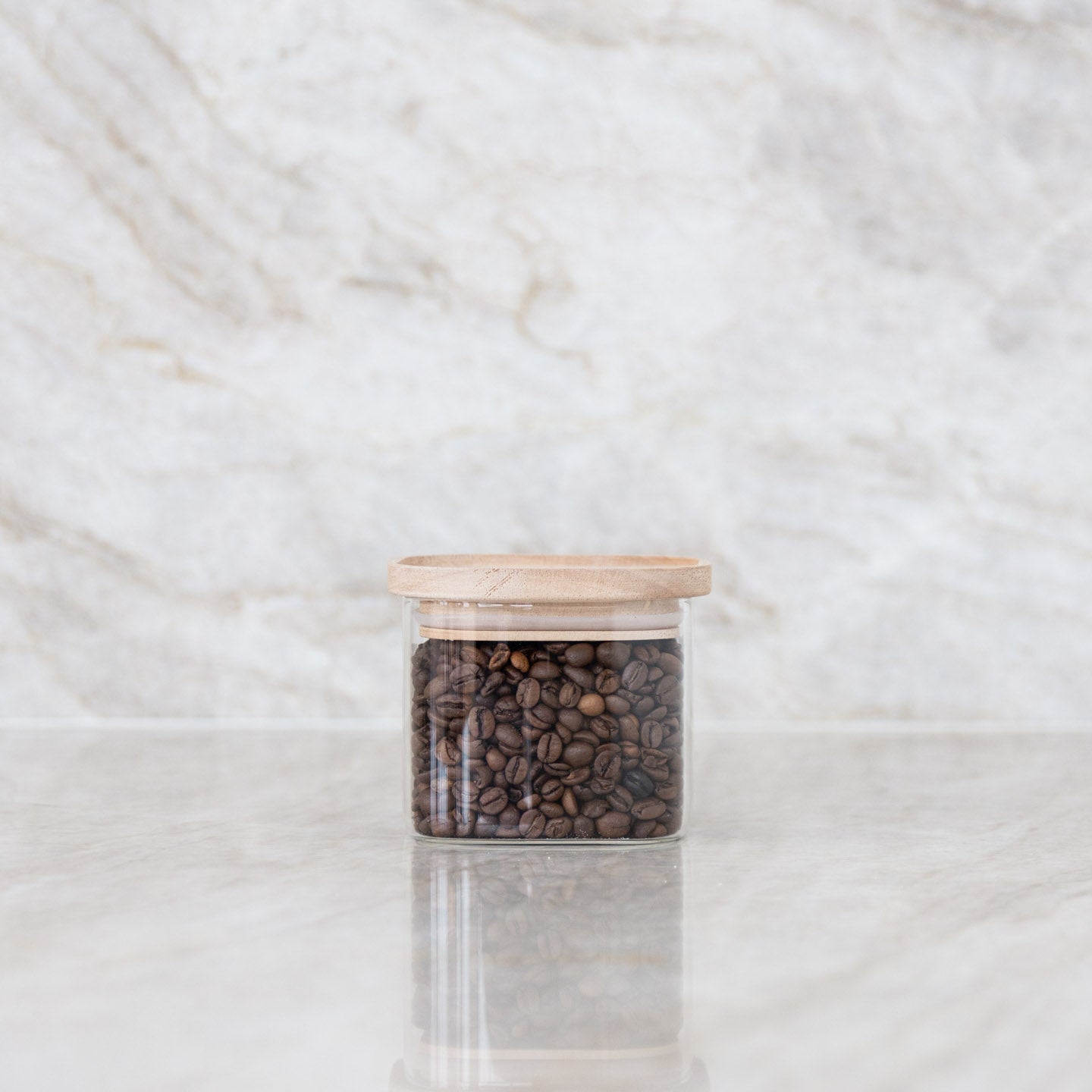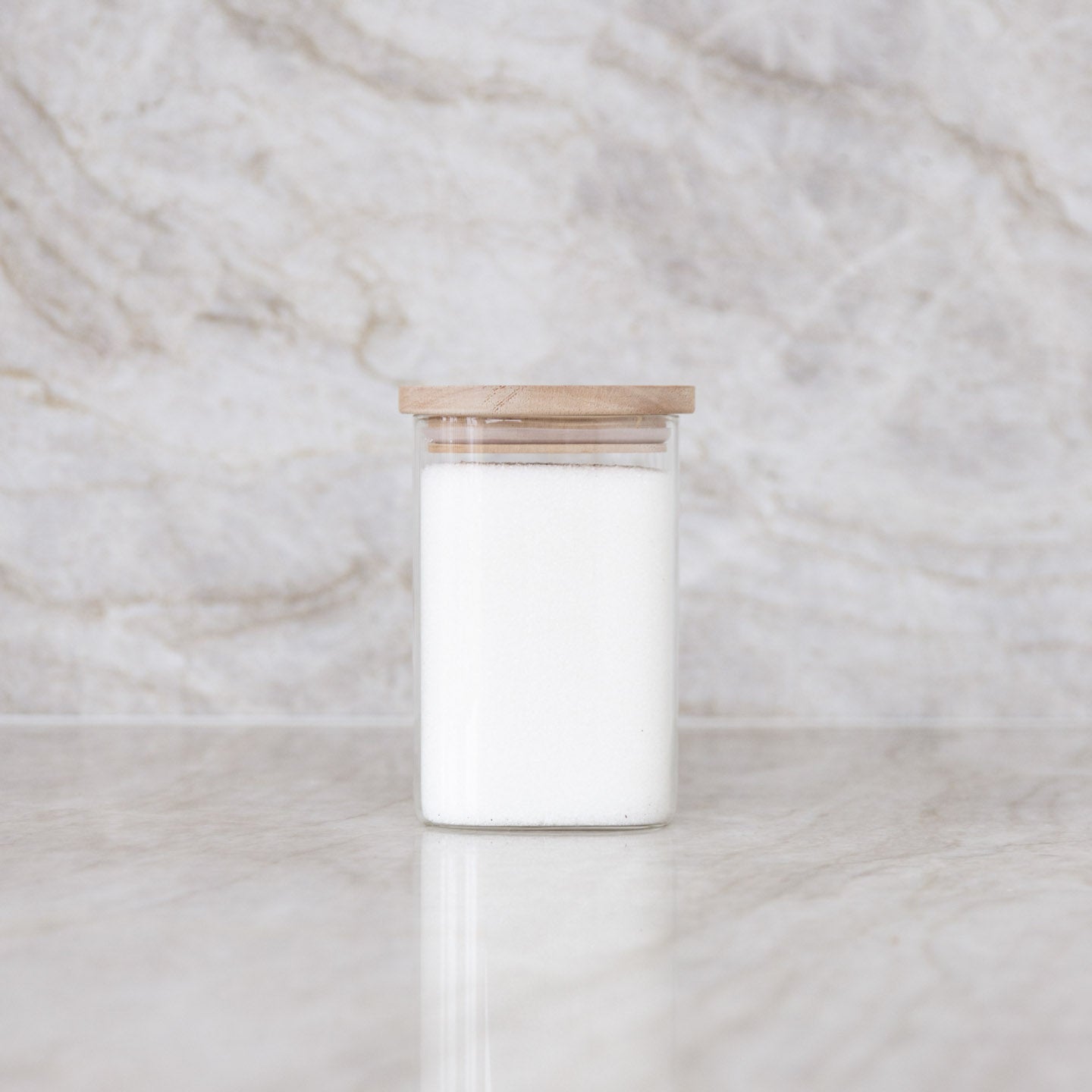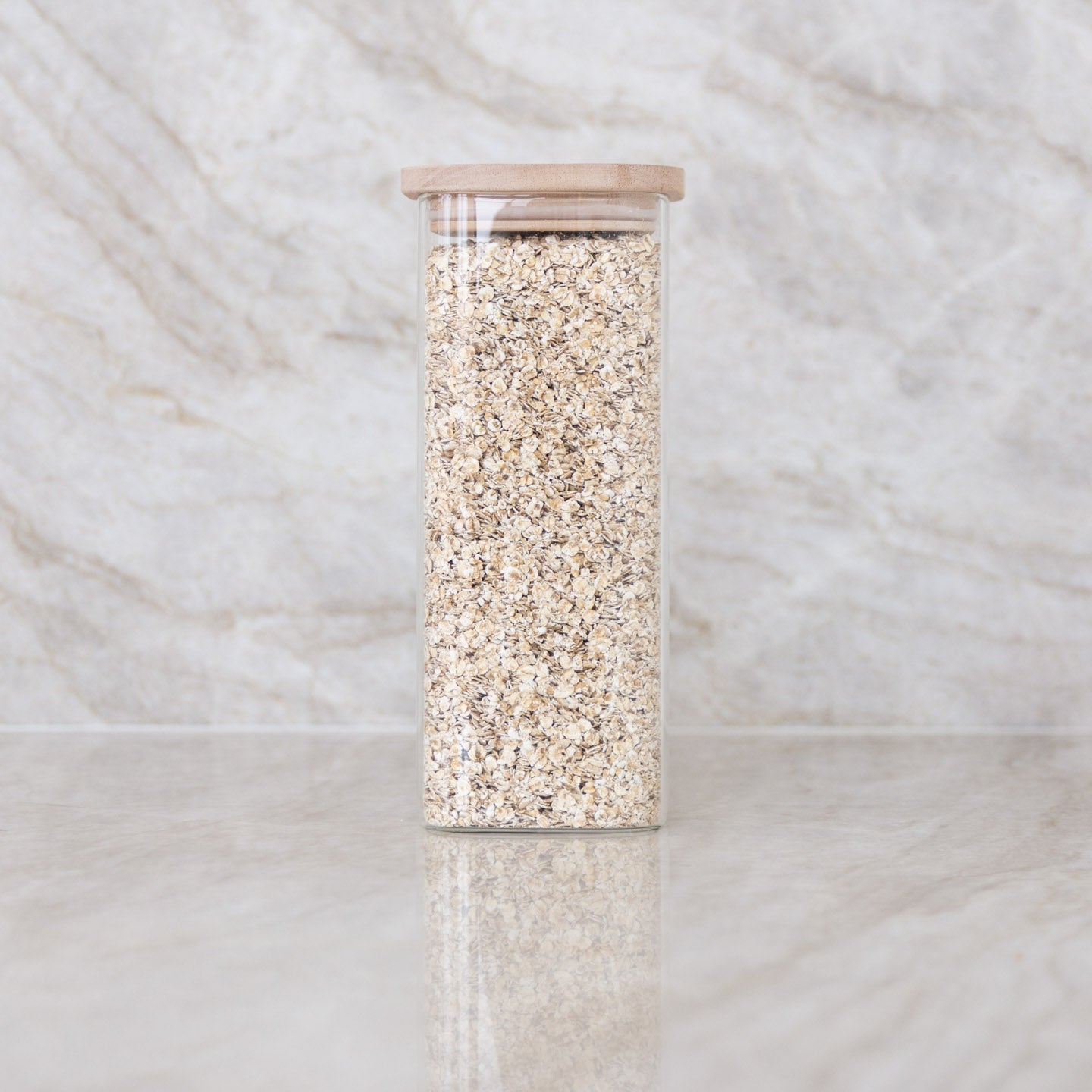

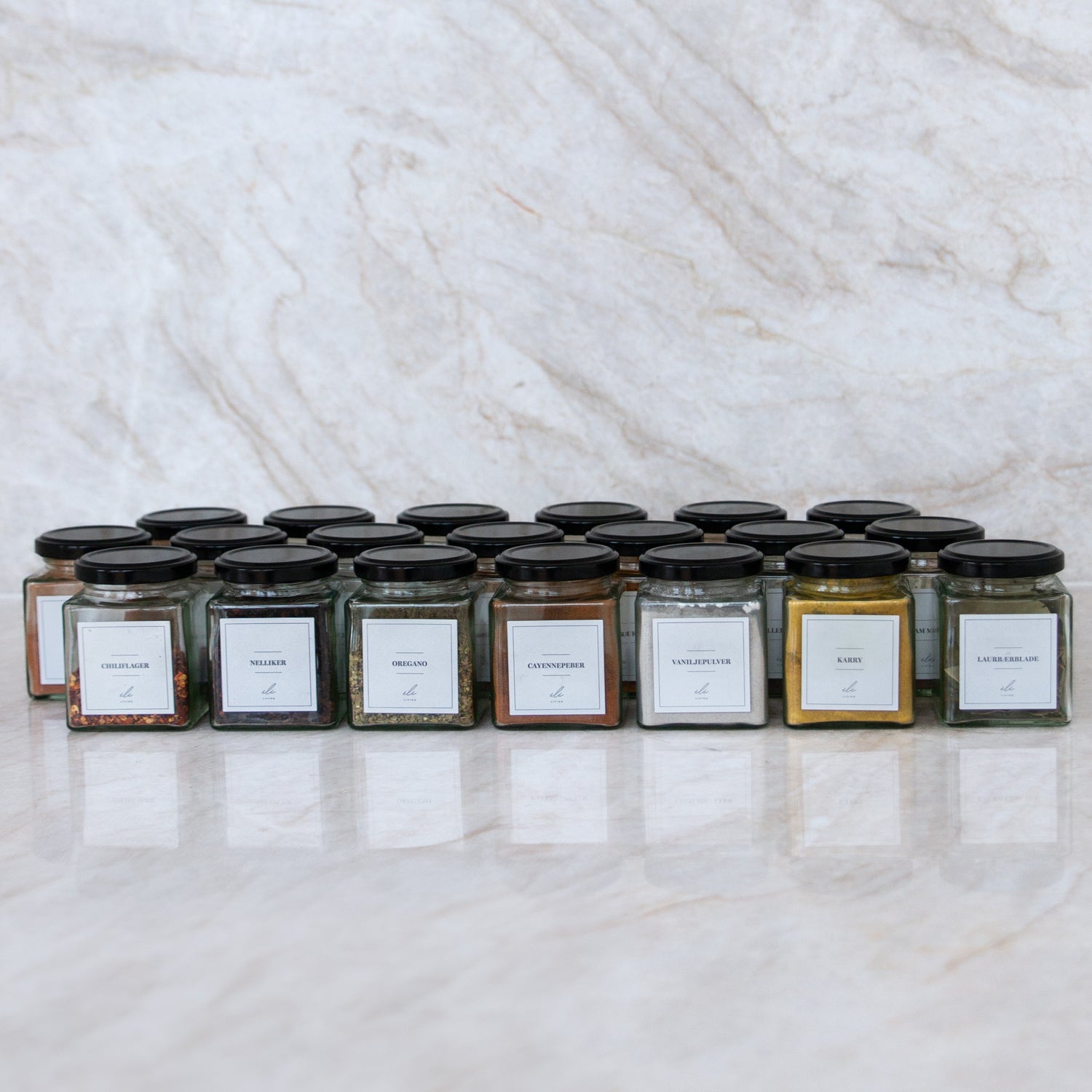
A good spice storage solution makes cooking faster and more peaceful. When each spice has a designated spot, you can grab the right jar without searching. Think simply: gather, sort, and give your spices a clear structure in a drawer or on a shelf. It's about visible overview, fixed places, and routines that last in everyday life.
Spice jars and accessories
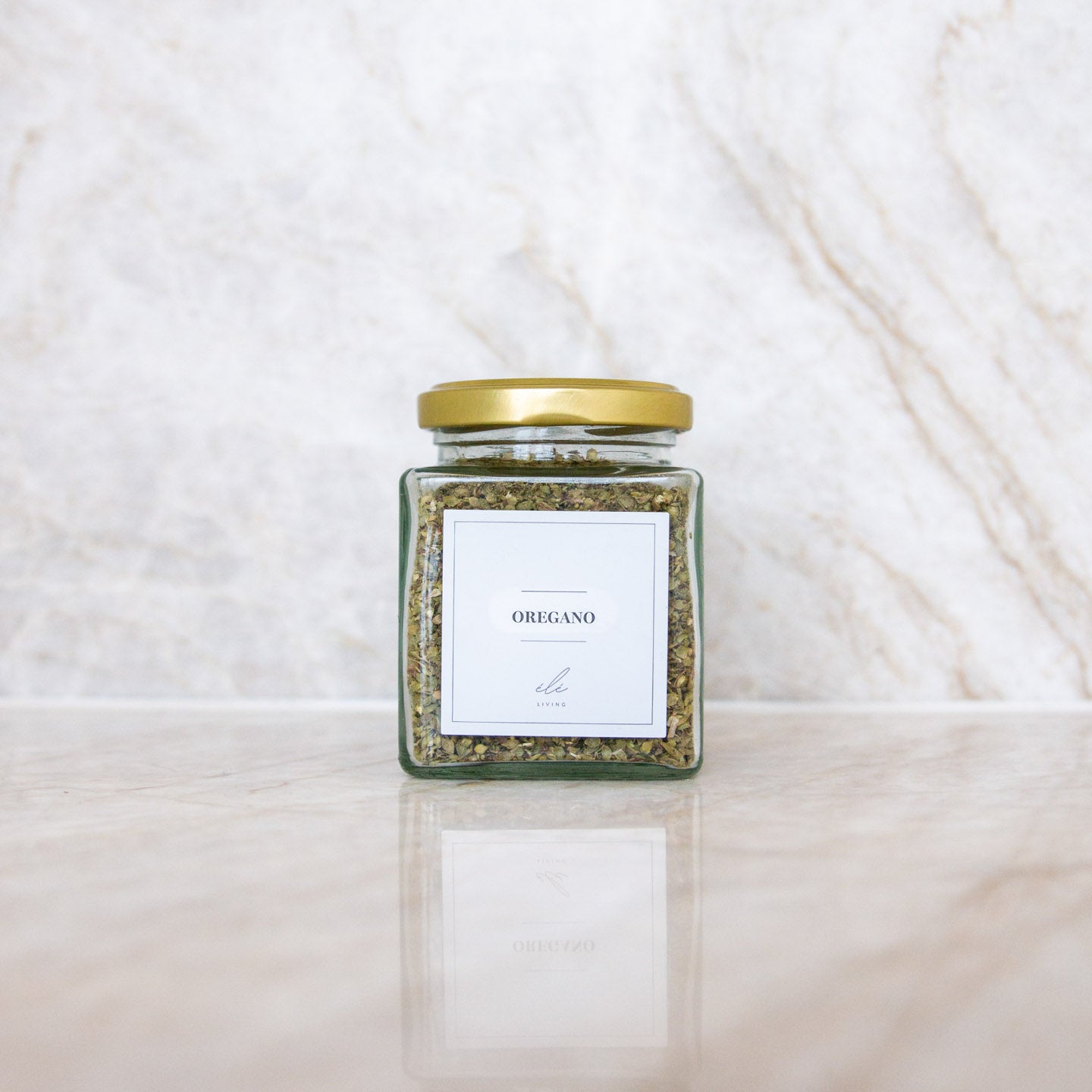
Choose uniform spice jars and accessories for a calm aesthetic and a solution that fits both in a drawer and on a shelf. Uniform heights and diameters provide better space utilization and make labels easier to read. Fill the jars with the spices you actually use in your week, and store rare varieties in a separate area so they don't create clutter in your daily life.
How to get started
- Empty and review your current spices. Sort out expired and duplicate items.
- Decide where your spices will live: drawer, shelf, or inside a cupboard.
- Fill jars and label them before placing them.
- Set a regular routine for refilling, e.g., when two jars are almost half-empty.
Spice drawer with an overview
A drawer provides a stable and quick overview. Arrange the jars in rows with the label facing up or forward, depending on the drawer's depth. Place frequently used spices closest to the handle, and group themes like baking, grilling, or basics in their own rows. Stick to the layout you choose so you can easily return jars to the same spot after use.
Placement that suits your cooking
- First row: salt, pepper, garlic powder, paprika, and other basic varieties.
- Middle row: spices you use weekly, e.g., oregano, curry, or cumin.
- Back row: seasonal or rarer blends.
Spice shelf and turntable in the cupboard
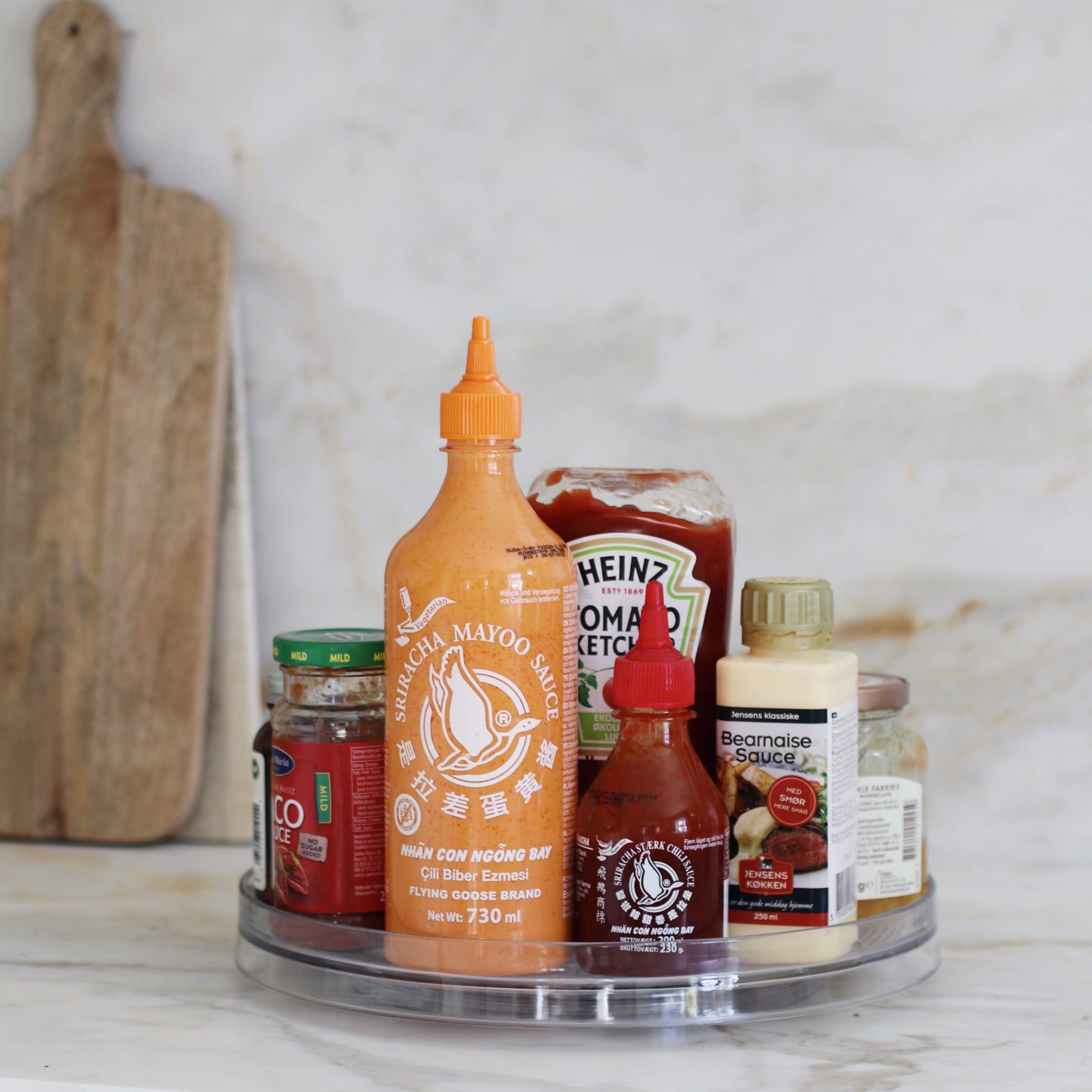
On a shelf, height and depth can make it difficult to see everything. Here, a turntable in a cupboard or on the counter helps with easy access in one grab, especially in corners.
Choose what goes on the turntable
- Bottles: oil, vinegar, or soy sauce you use often.
- Spices: jars in daily rotation, e.g., the 8-12 most used ones.
- Serving: small containers with salt and pepper for cooking.
Group related items on one turntable rather than mixing too many categories. This creates calm and makes it intuitive to put everything back in place.
Labels for spices
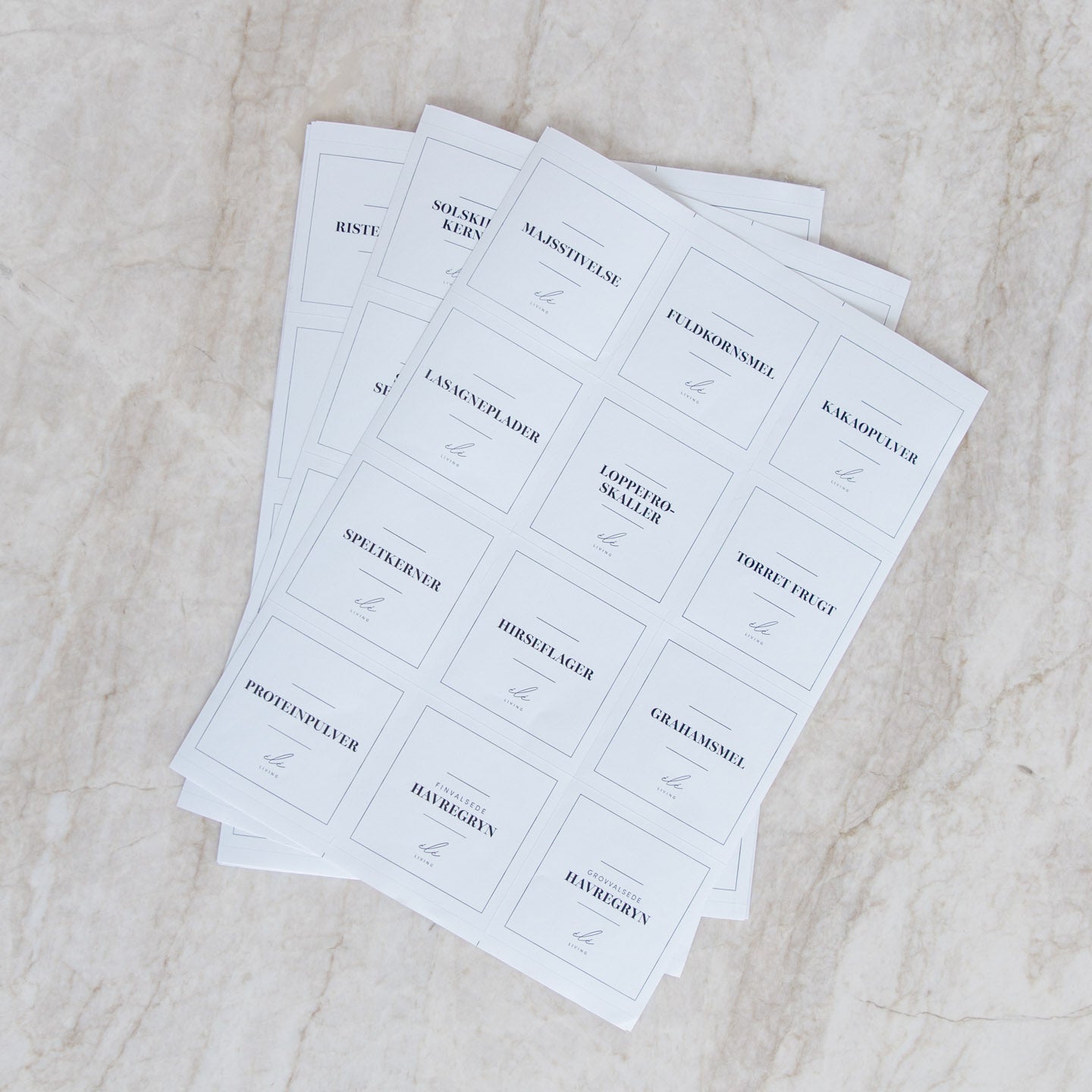
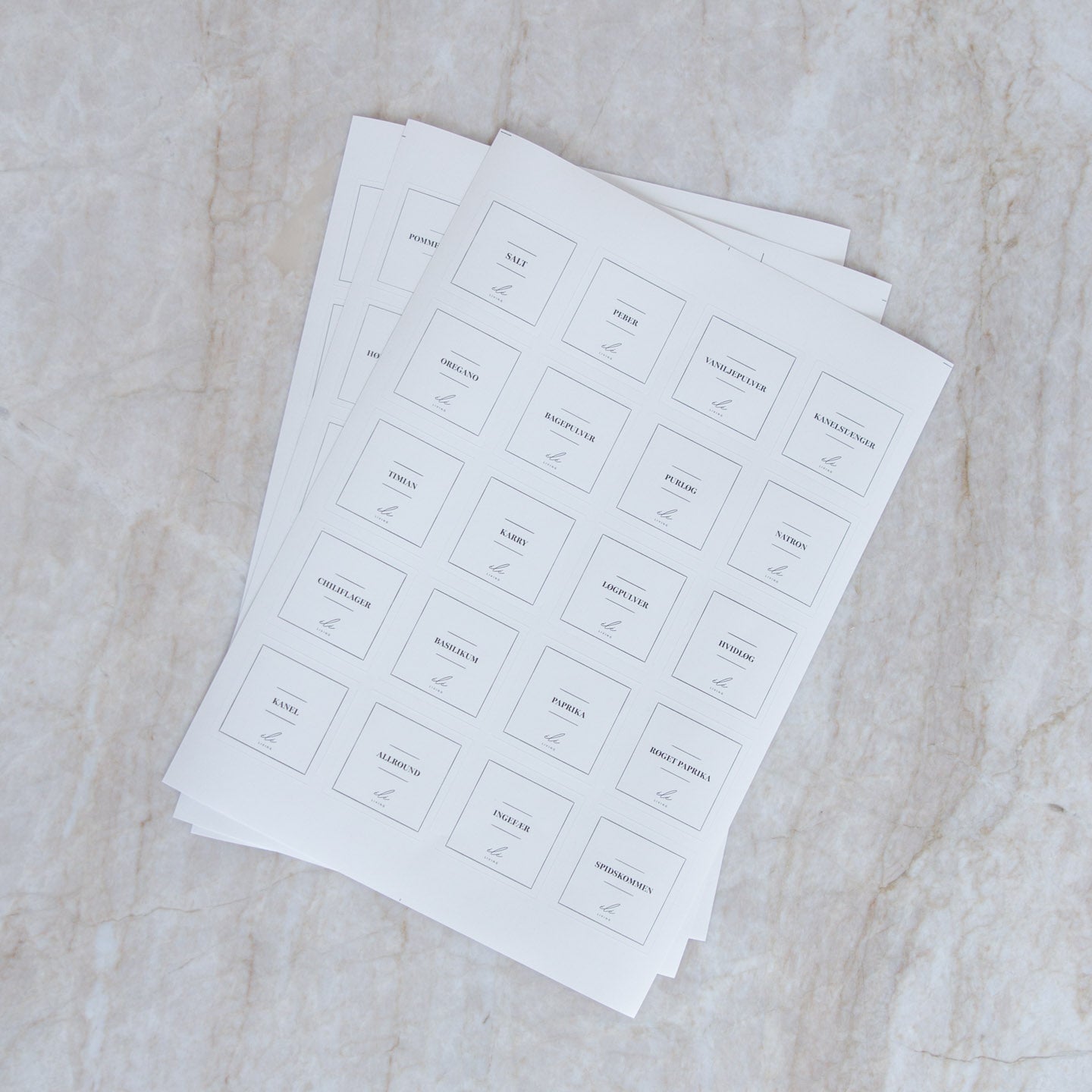
Labels create an overview at a glance. Use pre-made sets and place them in the same spot on all jars, either on the lid for drawers or on the front for shelves. Keep naming short and consistent, e.g., "Cumin" instead of variations of the same name. When you get a new spice, label it immediately and place it according to your structure.
Make it easy to find
- Use the same font and size for a calm appearance.
- Place labels at the same height on all jars.
- Agree with the family on where the basic spices are kept, so the system holds up.
Storage jars in the pantry
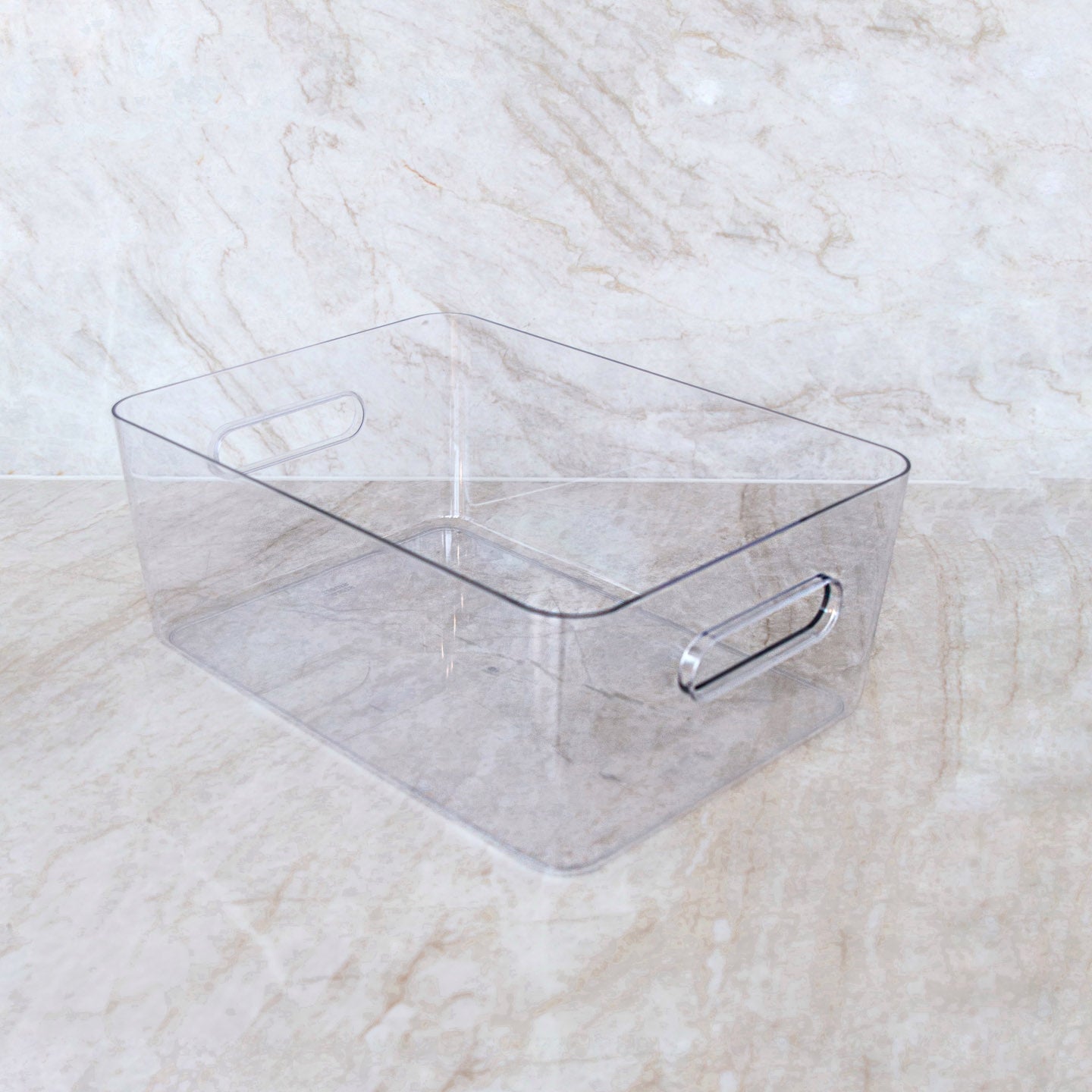
If you have larger quantities of whole spices or refill blends, gather them in storage jars in the pantry. Glass provides an overview of quantities, and the sealed design is good for keeping pests out. Create a small "refill zone" at the back of a shelf so you can quickly replenish your spice jars when they are half-empty. Stick to a few repeated sizes for a calm look and better space utilization.
With a simple structure, designated spots, and a few well-thought-out aids, spice storage can become a quiet support in the kitchen. It frees up time, creates calm, and makes everyday cooking easy.