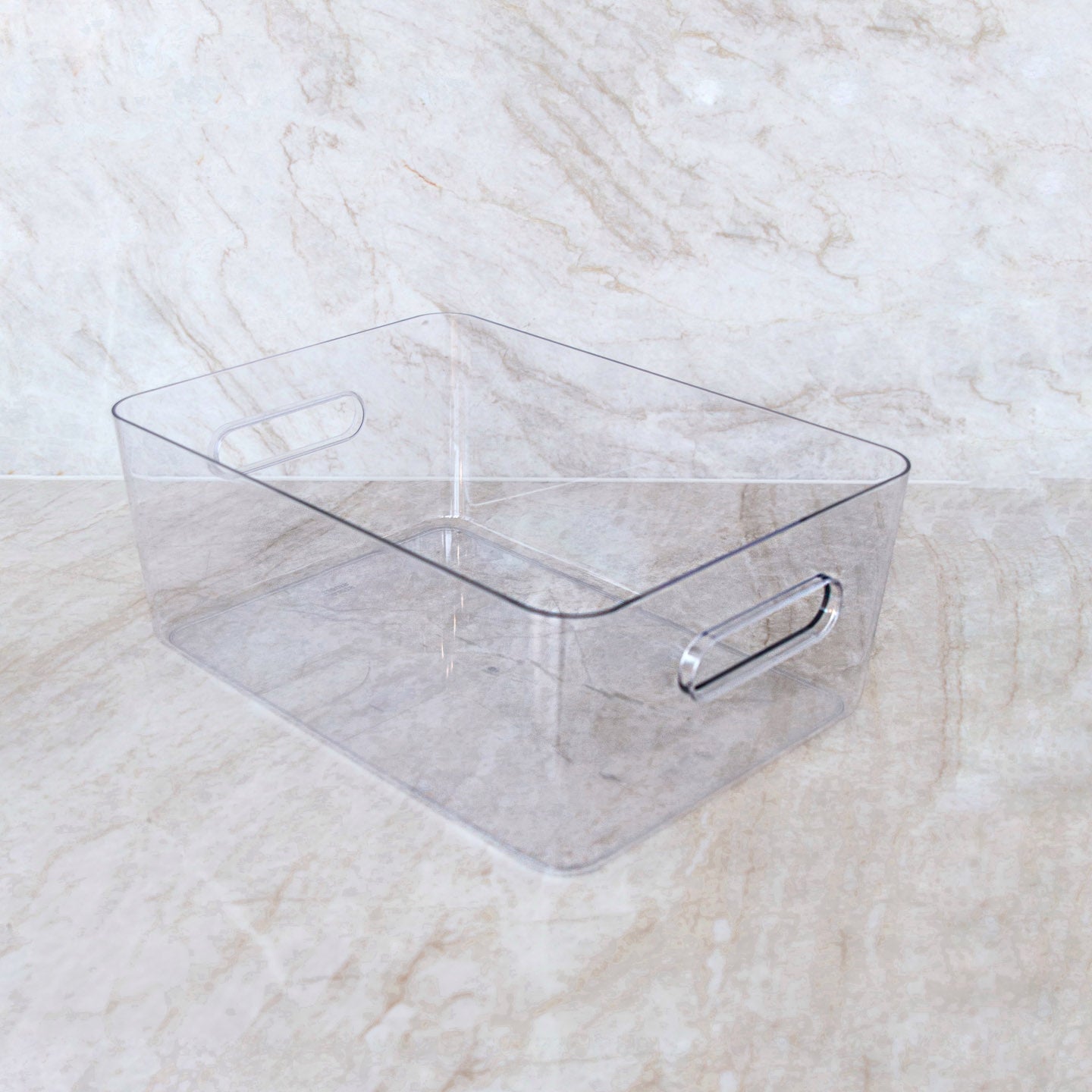

Food storage is about creating calm, clarity, and easy access in everyday life. Start by defining fixed zones in the kitchen, refrigerator, and freezer, and choose a few recurring containers that suit your space needs. When shelves, boxes, and jars work together, it becomes easier to see what you have, use what came in first, and replenish without waste. Go for solutions that are both aesthetic and practical – a uniform look helps the brain quickly decode the contents.
Storage Jars in the Kitchen
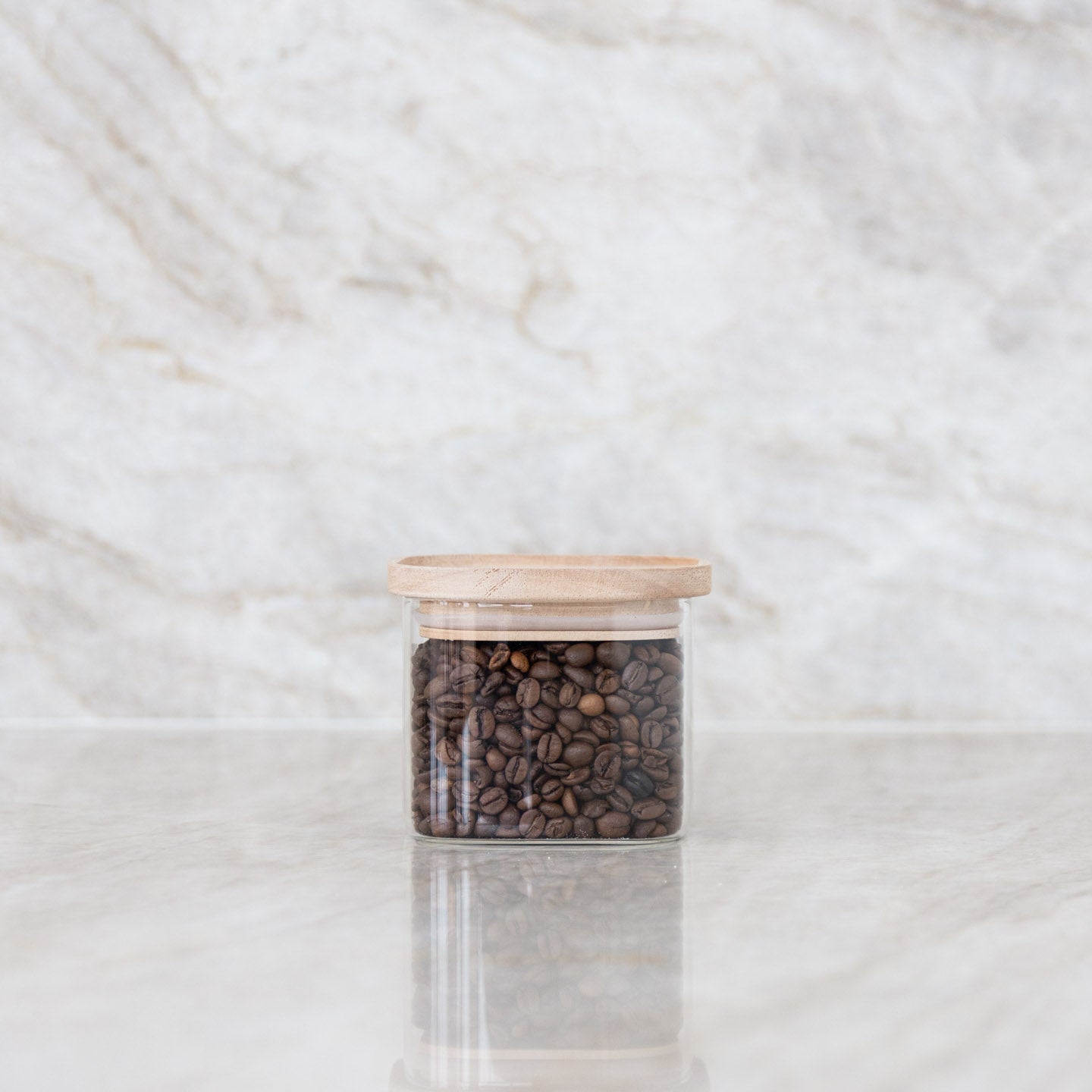
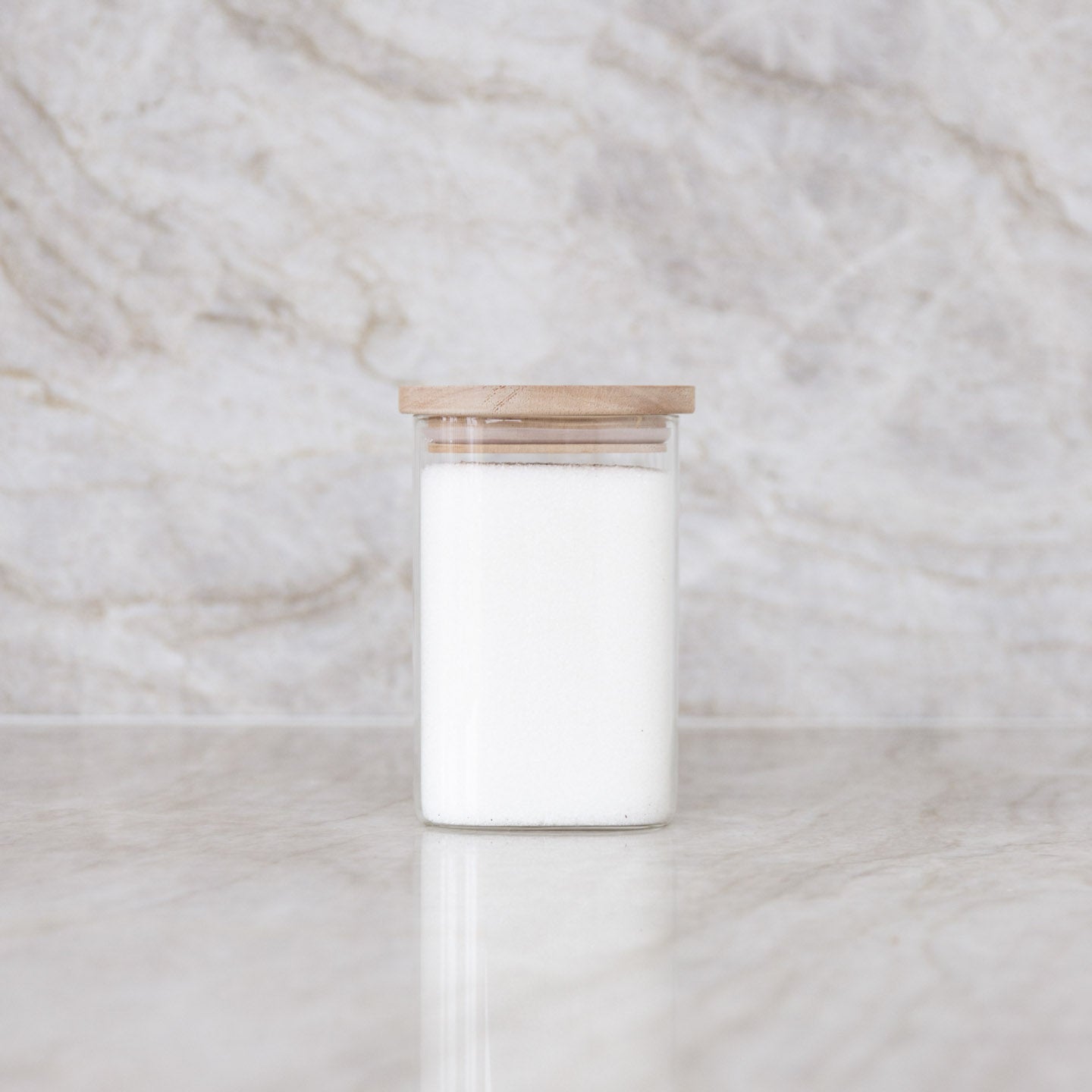
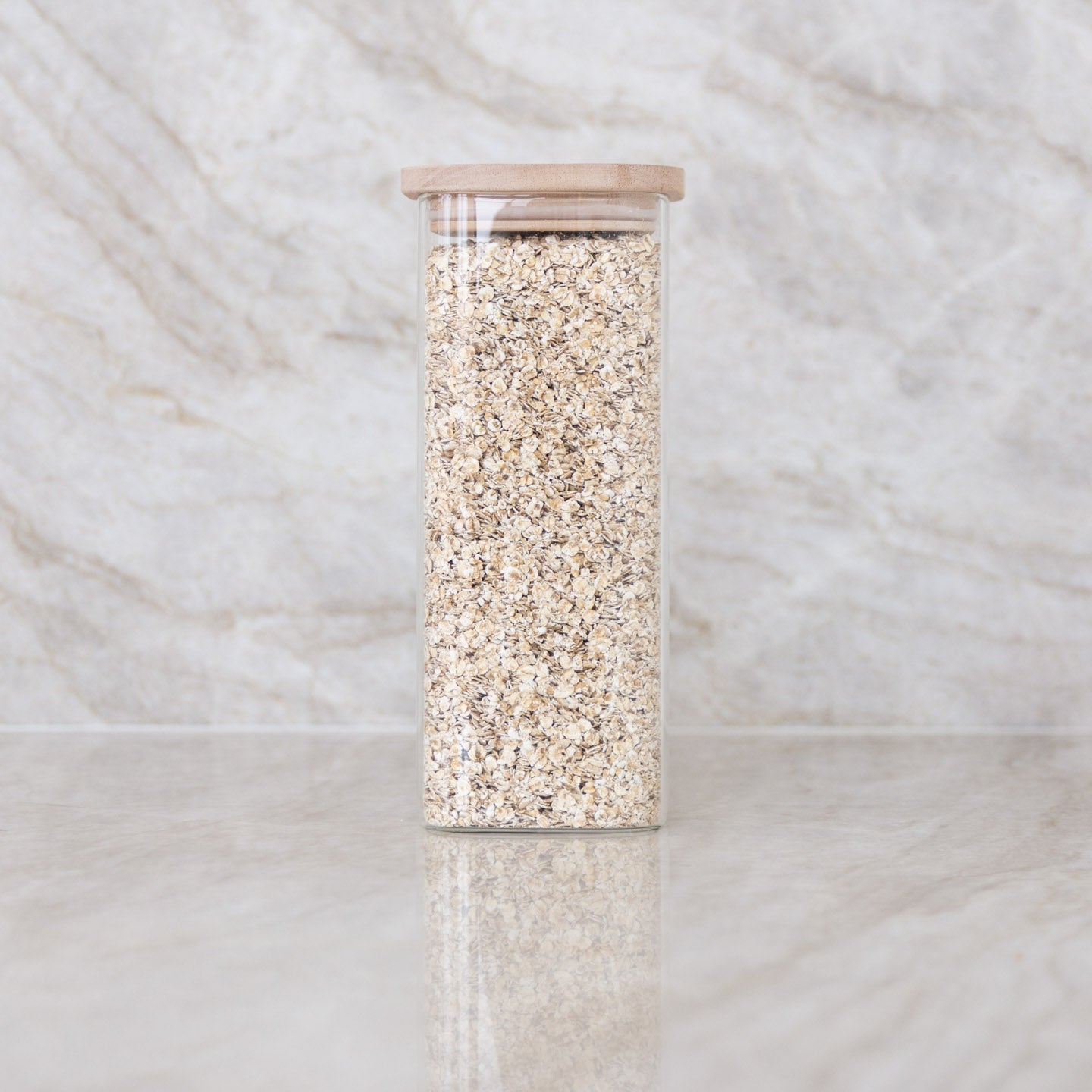
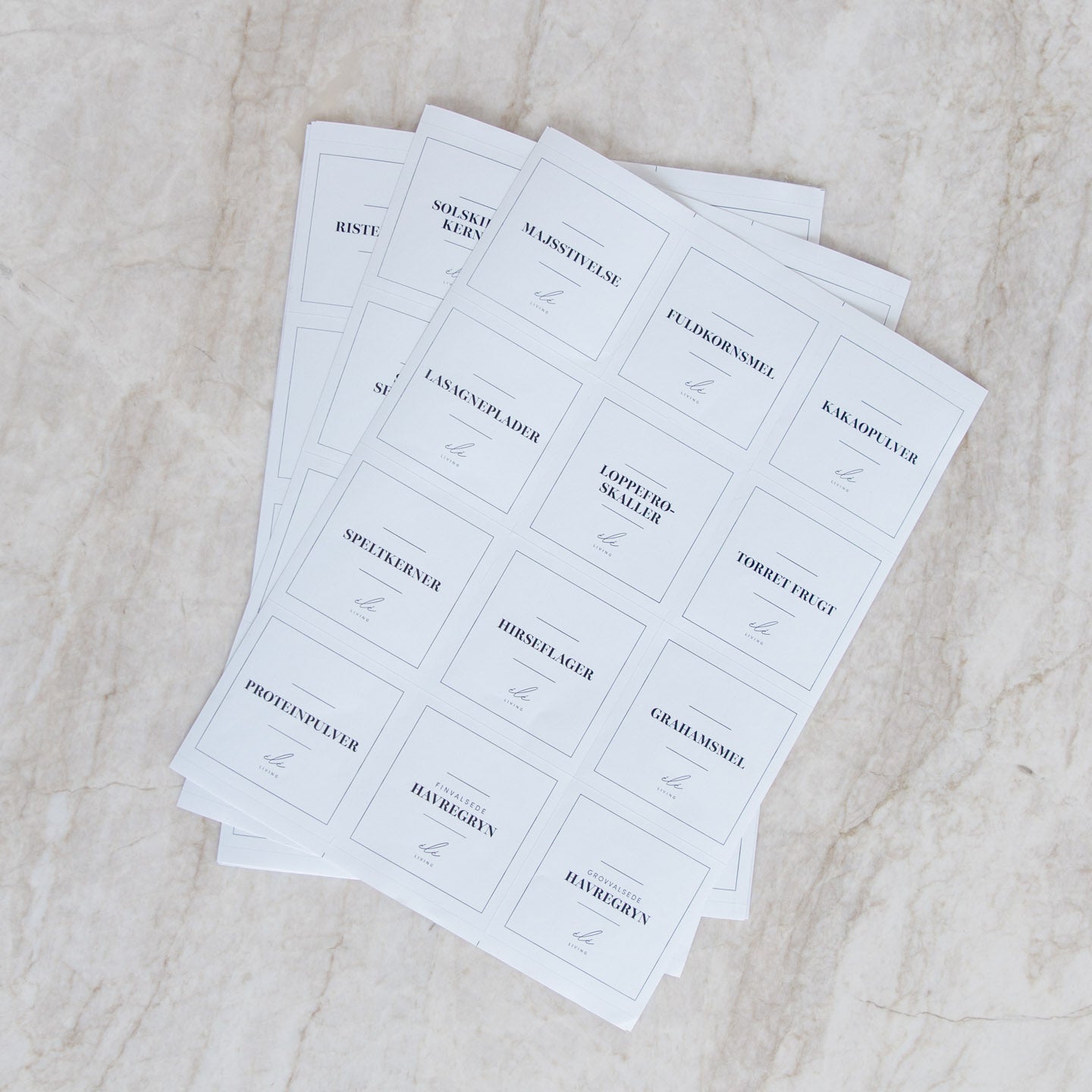
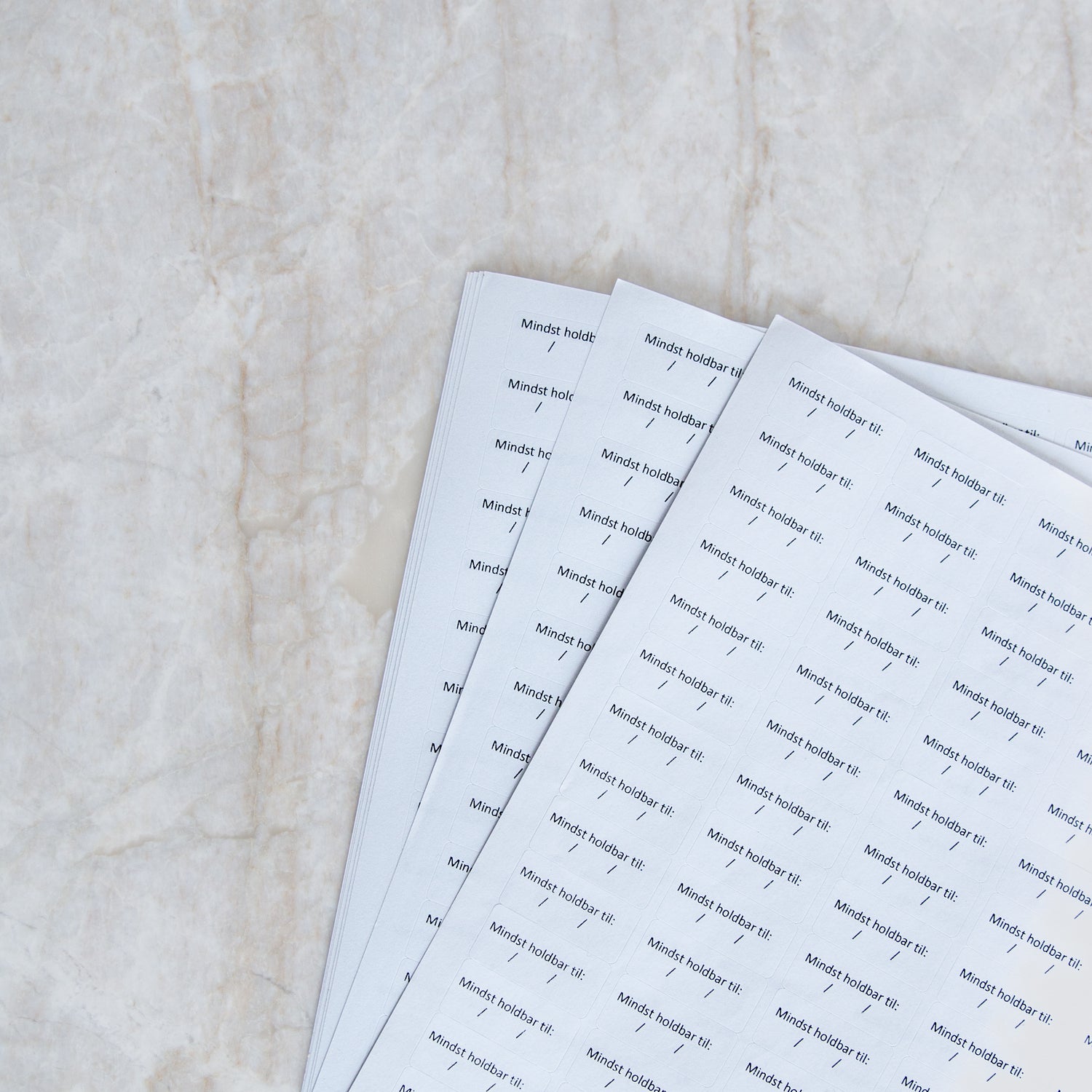
Replace bags and open packets with storage jars for flour, pasta, rice, lentils, nuts, and grains. Square jars utilize shelves efficiently and create a calm look in the cupboard. They are good for keeping pests out, and you can quickly see what is missing. Supplement with clear labels for dry goods, so content and category are easy to read – this makes refilling manageable and keeps the structure intact. A practical choice is Dry Goods Labels - Design 1.
How to Refill
- Stick to a few recurring sizes – this gives a clean look and easy stacking.
- Fill jars completely or in fixed quantities, so you can always assess stock at a glance.
- Place new items at the back and move older ones forward, so rotation happens automatically.
Refrigerator Organization
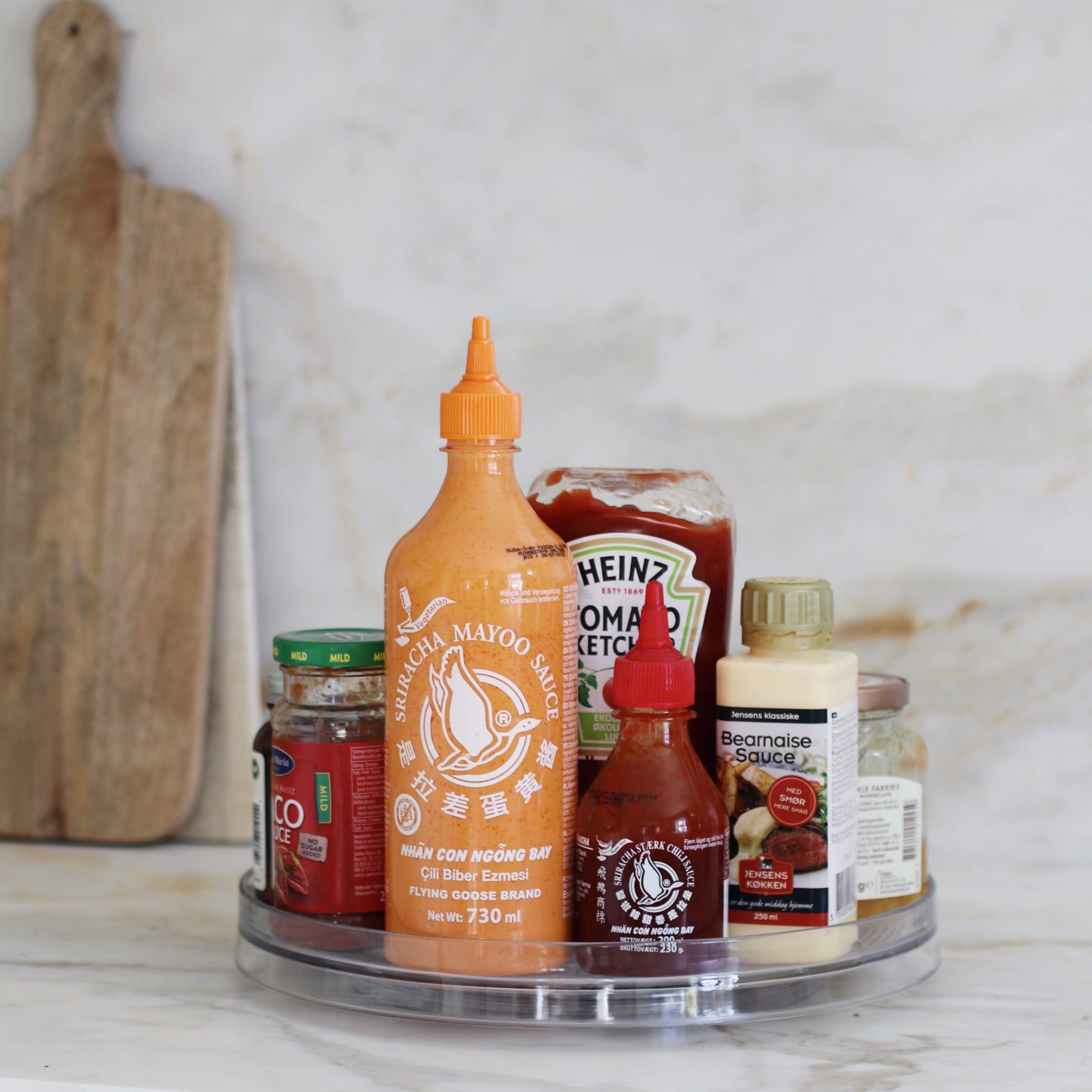
Divide the refrigerator into zones and use lidded boxes to stack and utilize height. When the box is pulled out, it's easy to see the contents and put it back in place. Small boxes are good for snacks and cold cuts. Medium ones fit dairy products and open jars. Larger boxes work for bigger vegetables and fruits. The boxes are designed for shelves and drawers – not for refrigerator doors. A plastic turntable with a high rim makes it easy to reach bottles and jars at the back of the shelf, for example Plastic Turntable - high rim.
How to Distribute the Shelves
- Top shelves: Leftovers in lidded containers, jam, cold cuts.
- Middle: Dairy in medium boxes – yogurt, skyr, cheese.
- Bottom: Greens in larger boxes.
- The door is omitted for boxes due to size.
Choose What Lives on the Turntable
- Bottles: Soy sauce, dressing, marinade.
- Spices: The most frequently used in cooking.
- Serving: Mustard, ketchup, relish for quick access.
Freezer Organization
Space in the freezer is best utilized with containers in a few fixed sizes. Use boxes or storage tubs with lids to stack. Divide into categories – bread, ready meals, fruits, and vegetables. Write content and date on the lid so you can move the oldest items forward. Refrigerator boxes and storage tubs can be used in both the refrigerator and freezer. Place the most used items at the front and at eye level, and gather small items in one box so they don't disappear to the back.
Spice Organization
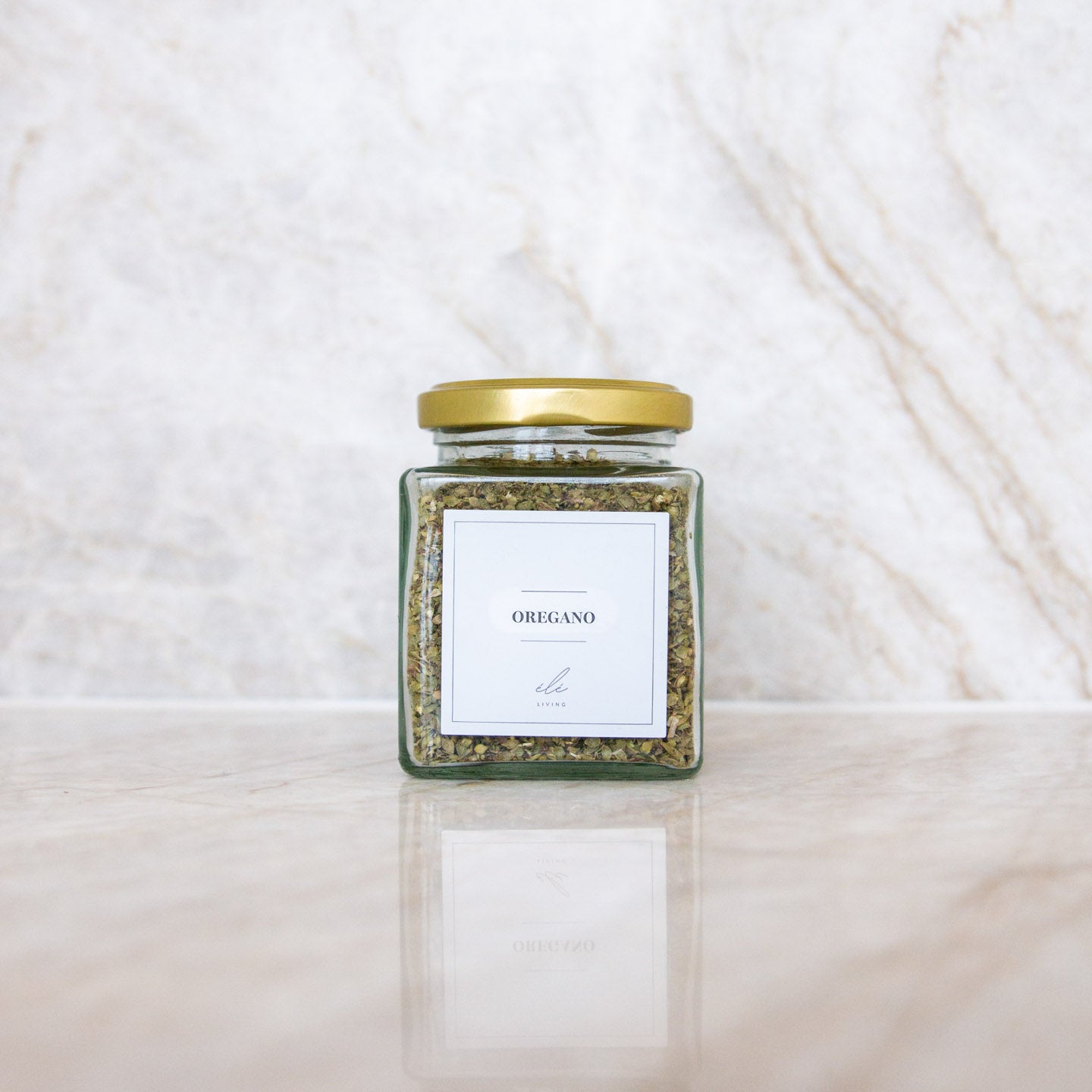
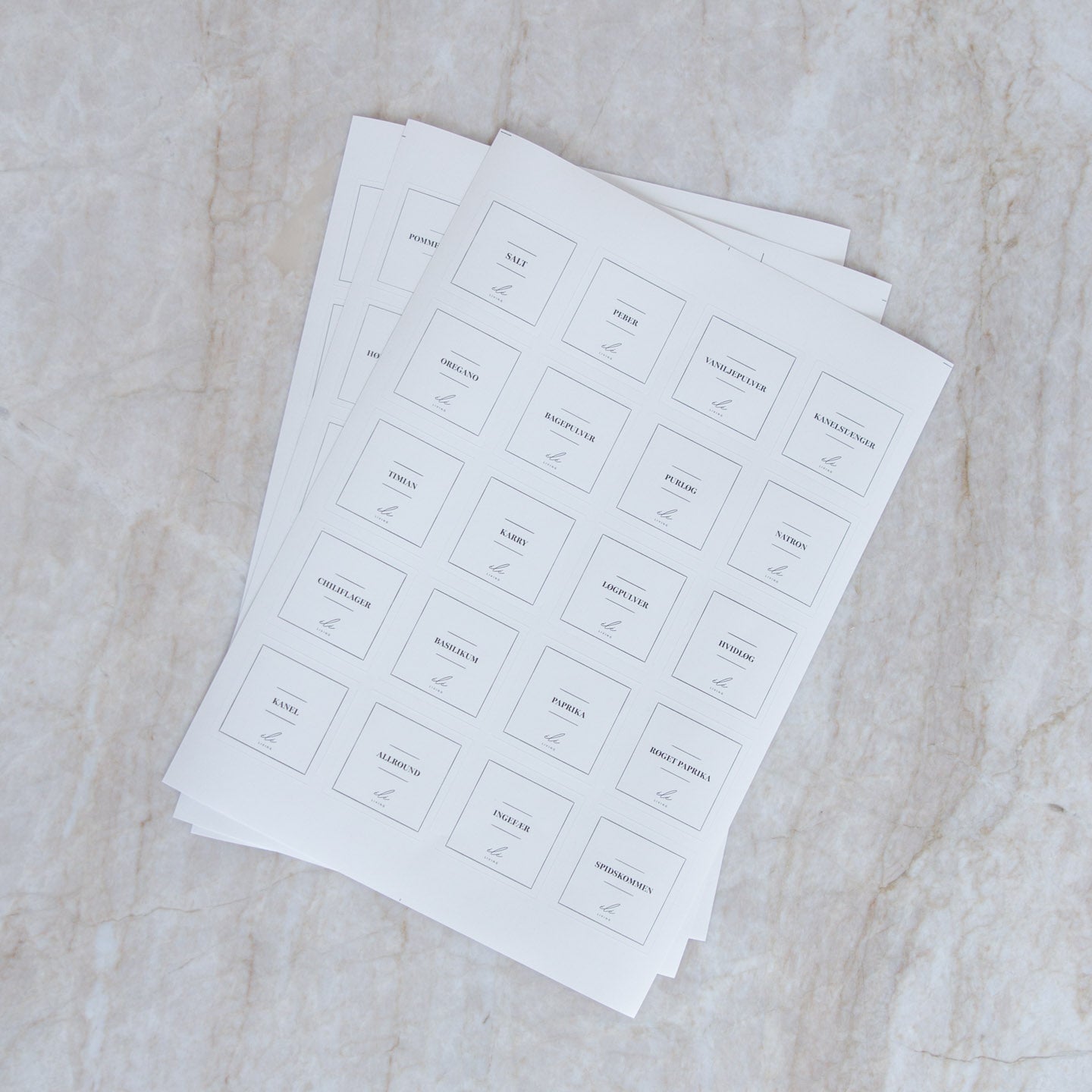
Uniform spice jars create clarity and speed up cooking. Gather jars in one place – either on a turntable or in a shallow drawer – and maintain a fixed order, e.g., alphabetically or by kitchen zones. Choose a set like Spice Jars with Silver Lids, so the height and lids match. This provides uniformity and makes it easy to see when a spice needs refilling.
Bundle Solutions for a Quick Start
If you want to achieve your goal quickly, you can combine your basic needs into a bundle solution. Choose a set with the most used sizes for the kitchen and refrigerator, and build on it with more of the same sizes as needed. Start with one zone at a time, and let routines dictate how much you need to expand. When sizes and aesthetics are repeated, the entire kitchen feels calmer.