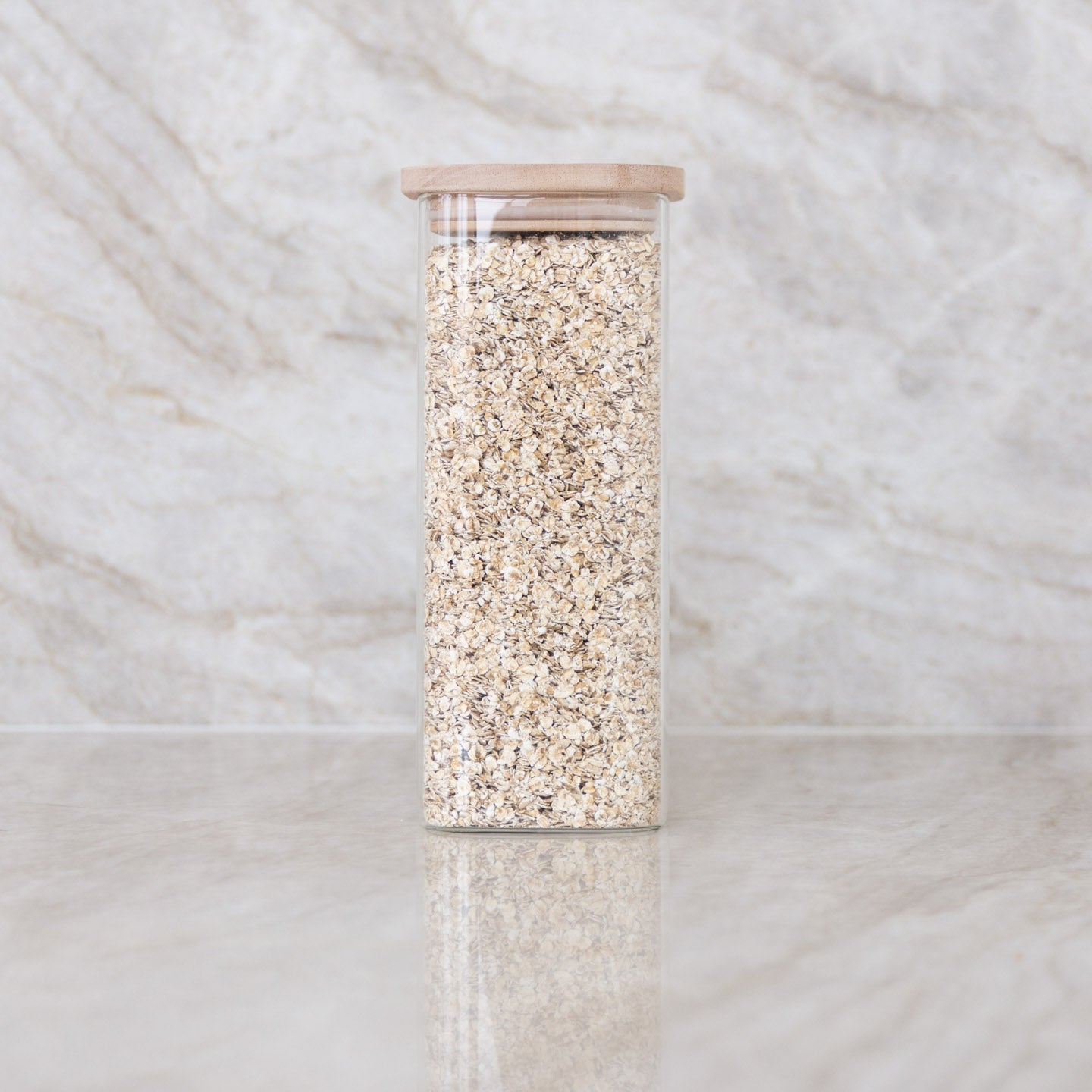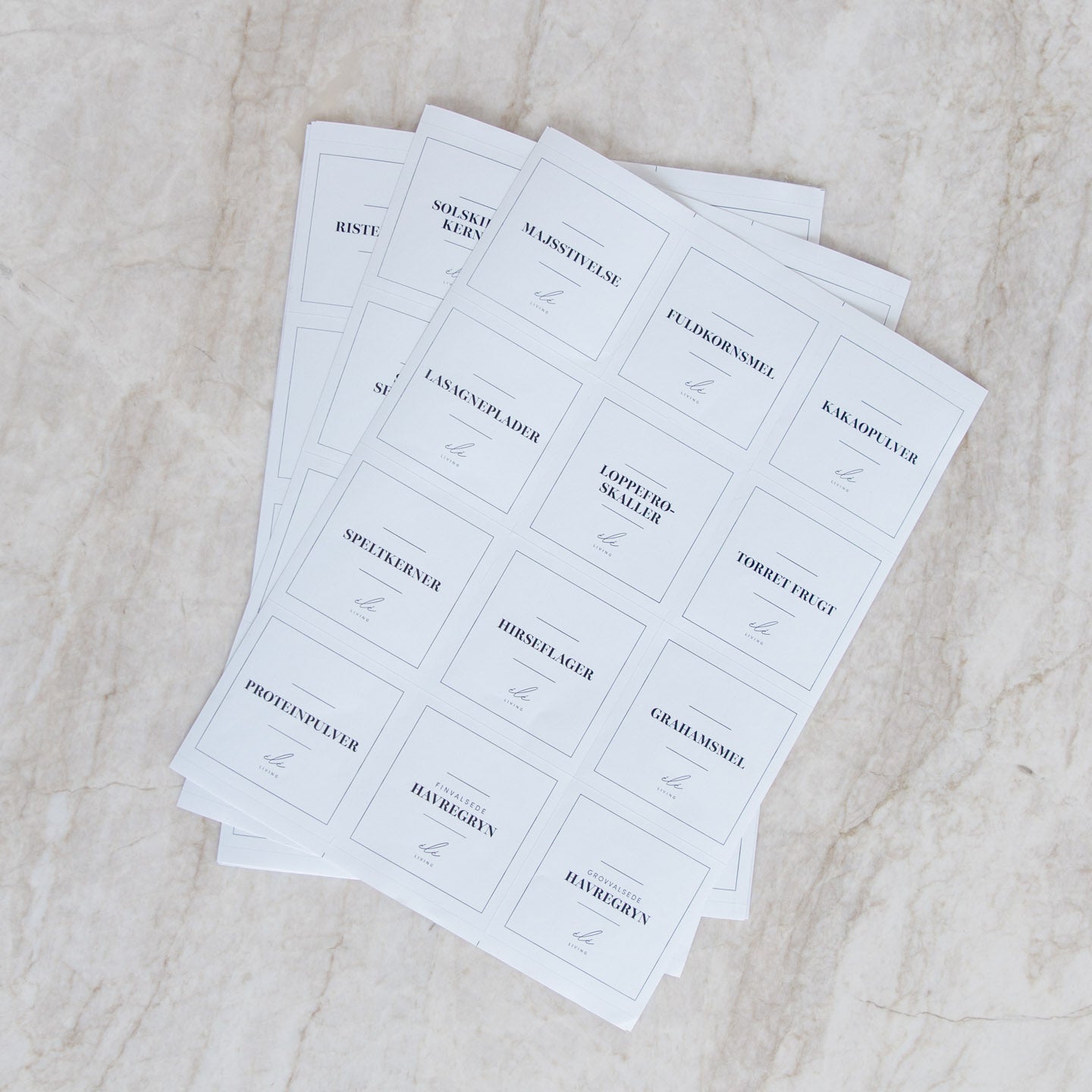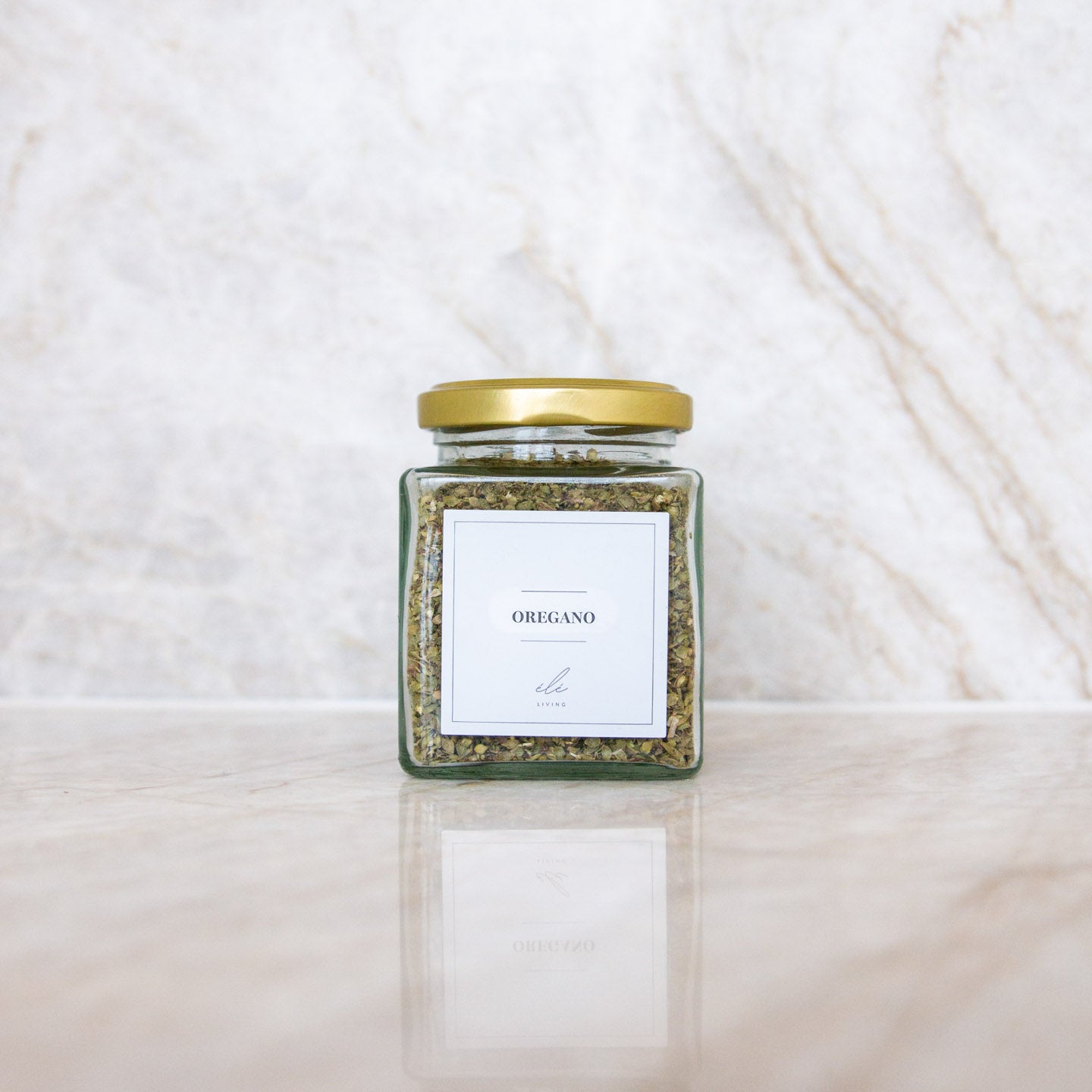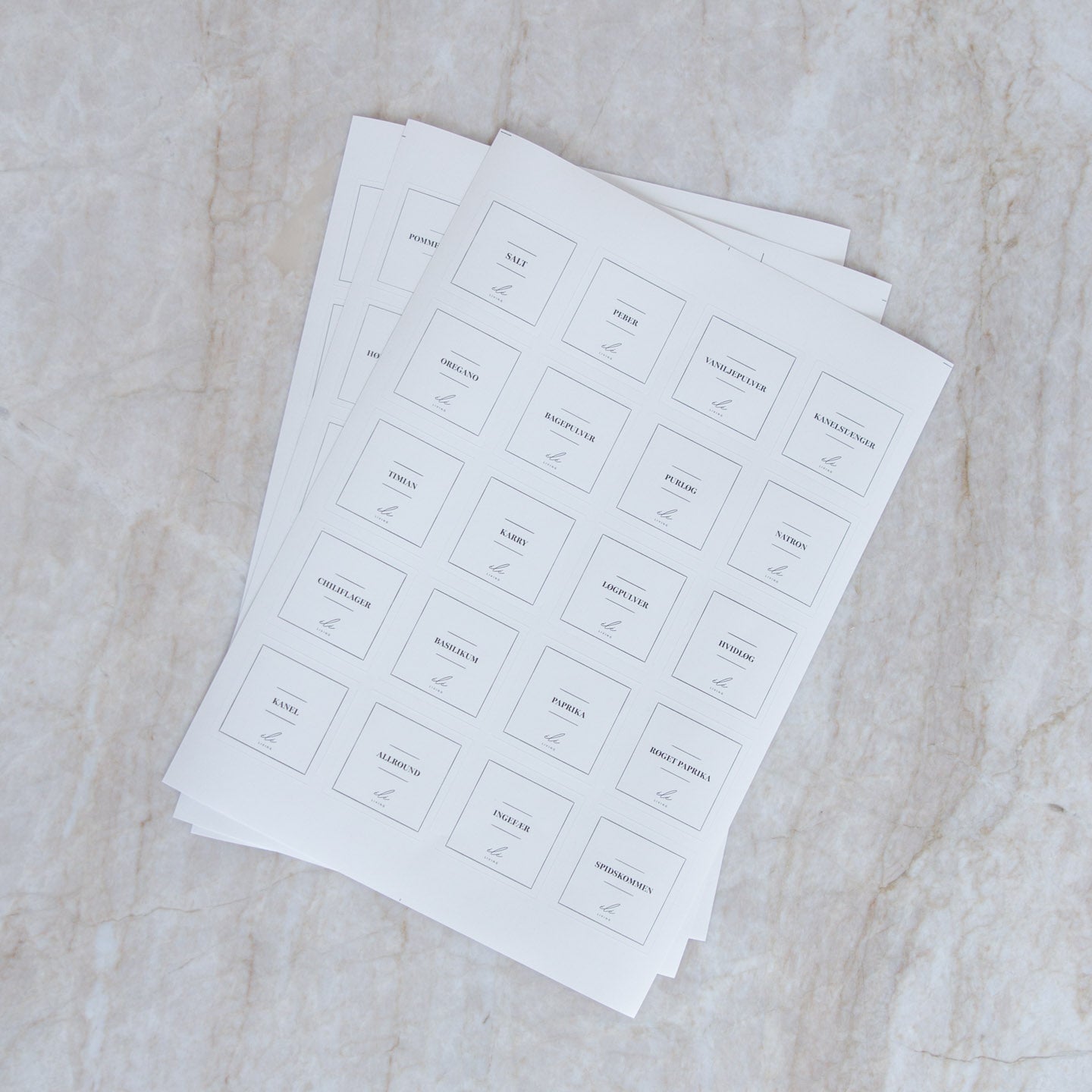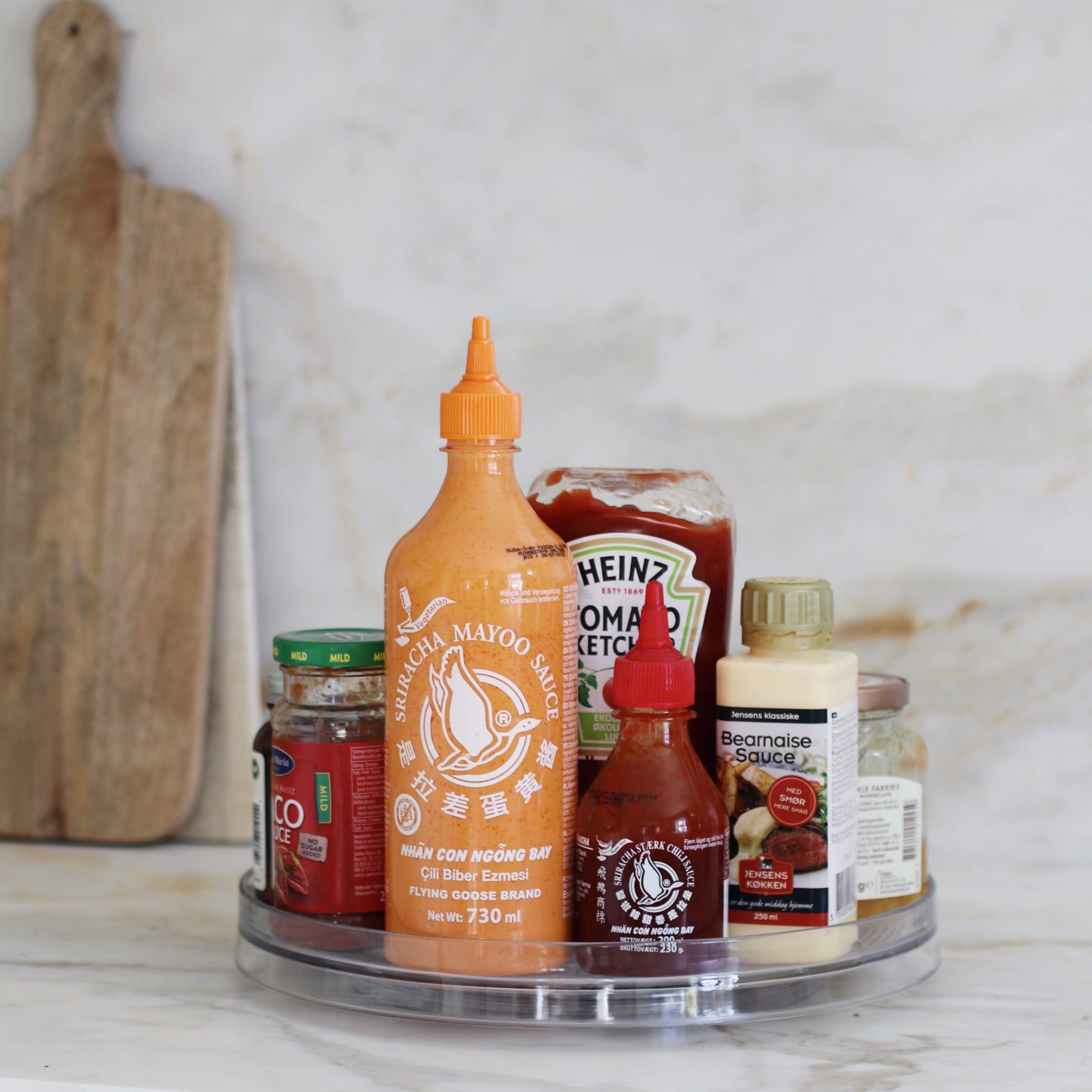

Food storage containers bring order to shelves and drawers because each food item gets its designated place. When you choose consistent sizes and stick to a single aesthetic, it quickly becomes easy to find flour, rice, or leftovers. At élé living, it's about aesthetics for the soul – beautiful, functional solutions that make everyday life easier without taking up unnecessary space.
Storage containers for dry goods
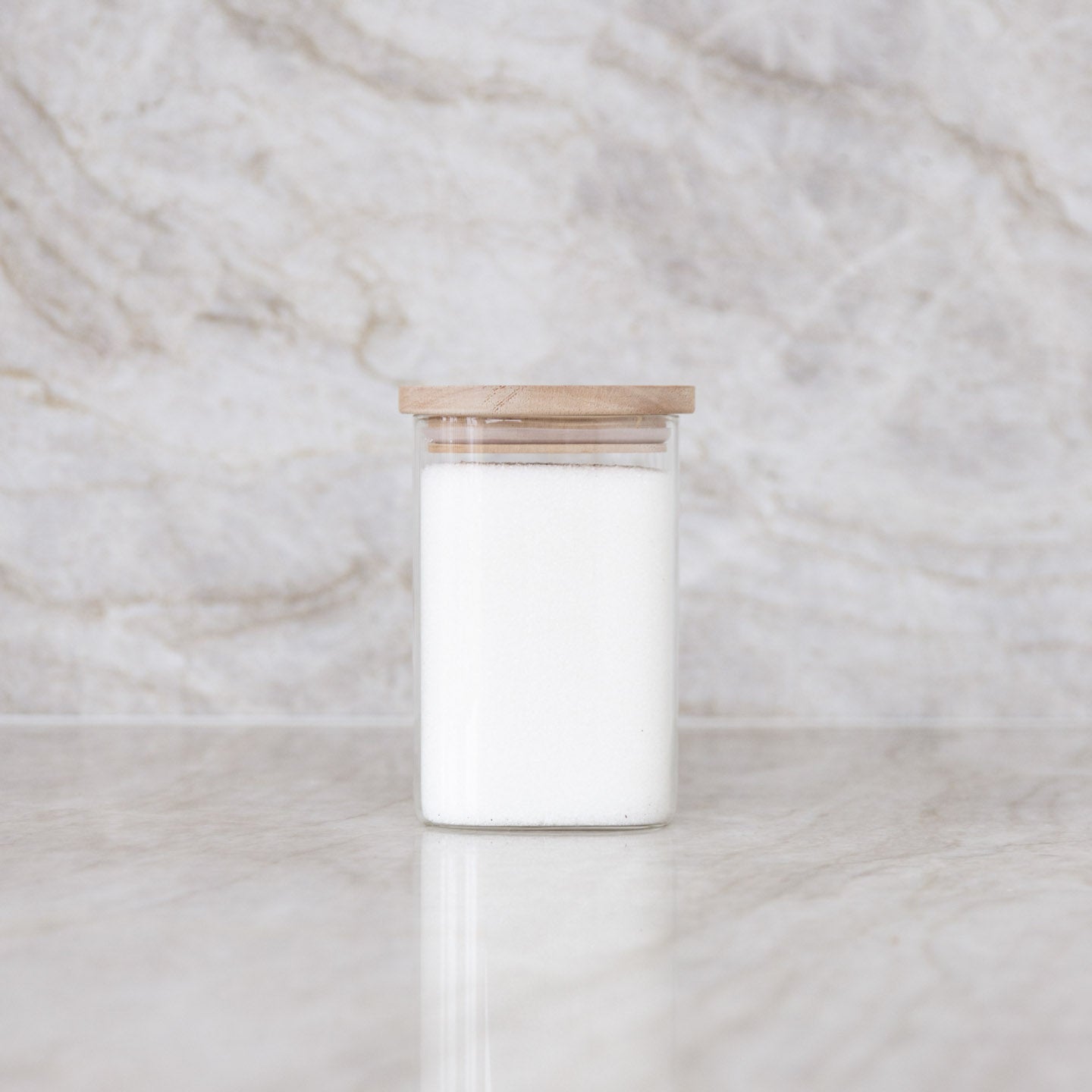
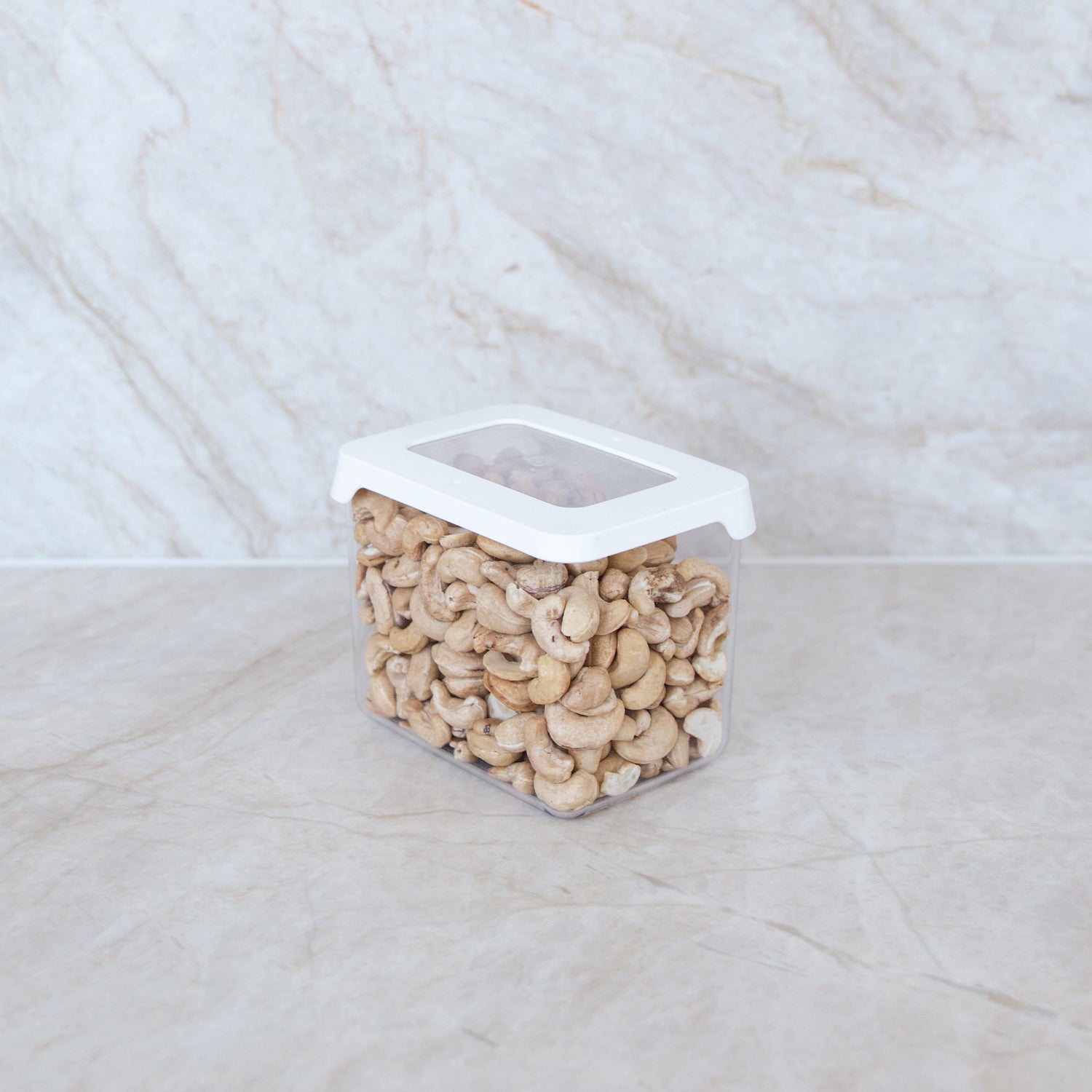
Create an organized pantry by gathering staple items like flour, pasta, rice, grains, and nuts in transparent containers. Stick to a few repeating sizes so they can stand close together and look neat on the shelf. A practical choice is a medium-sized container that holds a standard bag of flour or rice, for example, Gastromax storage container 1.6 litres. Label the most frequently used items with names and measurements, so you can quickly refill them. You can also add clear labels to your dry goods, such as labels for dry goods - design 1, so both you and the rest of the family can see where everything belongs.
Food storage containers for the fridge and freezer
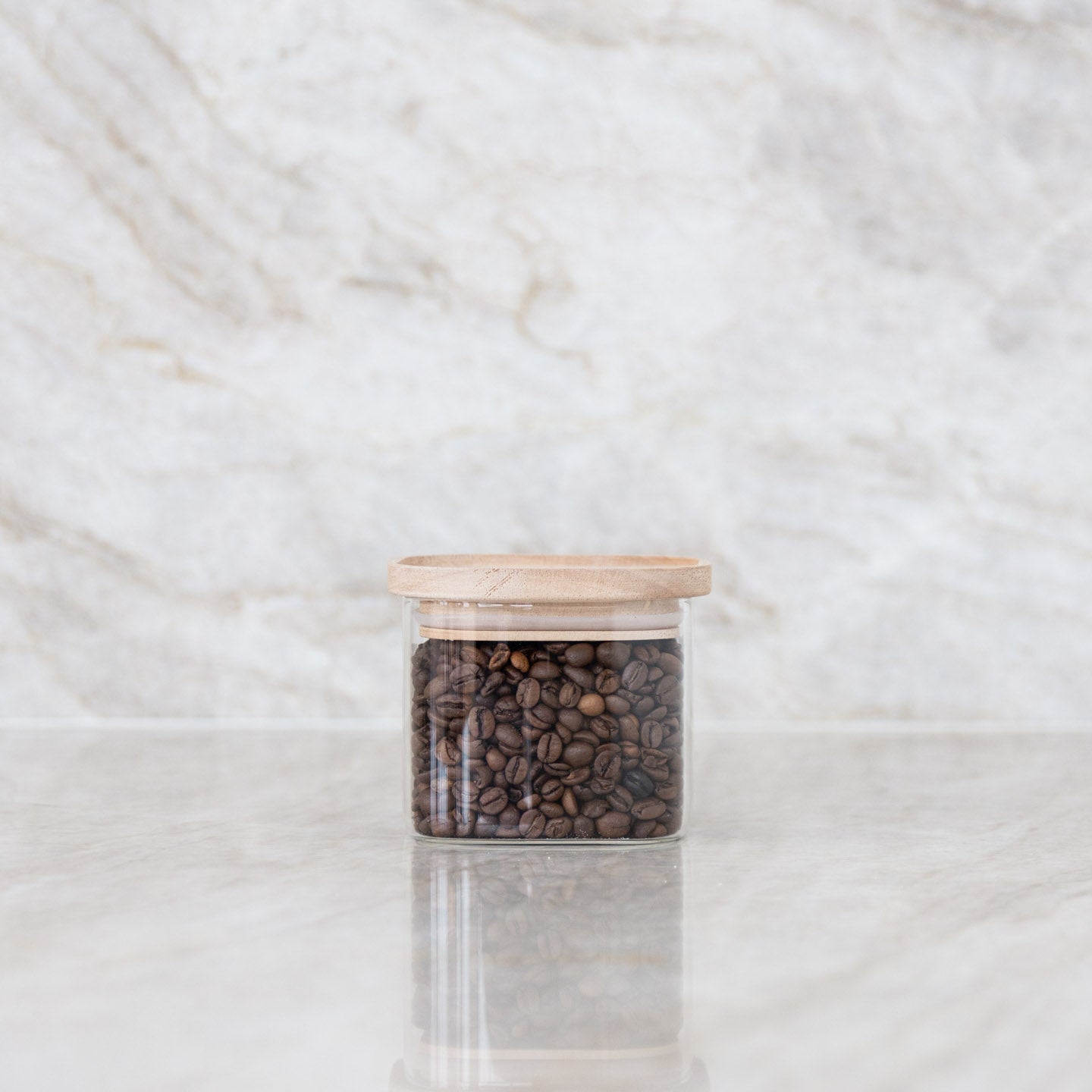
Containers make a big difference in the fridge because they keep food items together, preventing shelves from becoming cluttered. Use smaller glass containers for ready-made portions and leftovers that need to be eaten first, for example, Glass food storage container 800 ml square with bamboo lid. Place the containers at the front so they are used. Many storage containers can also be used in the freezer – this helps you divide larger quantities of food so you only take out what you need.
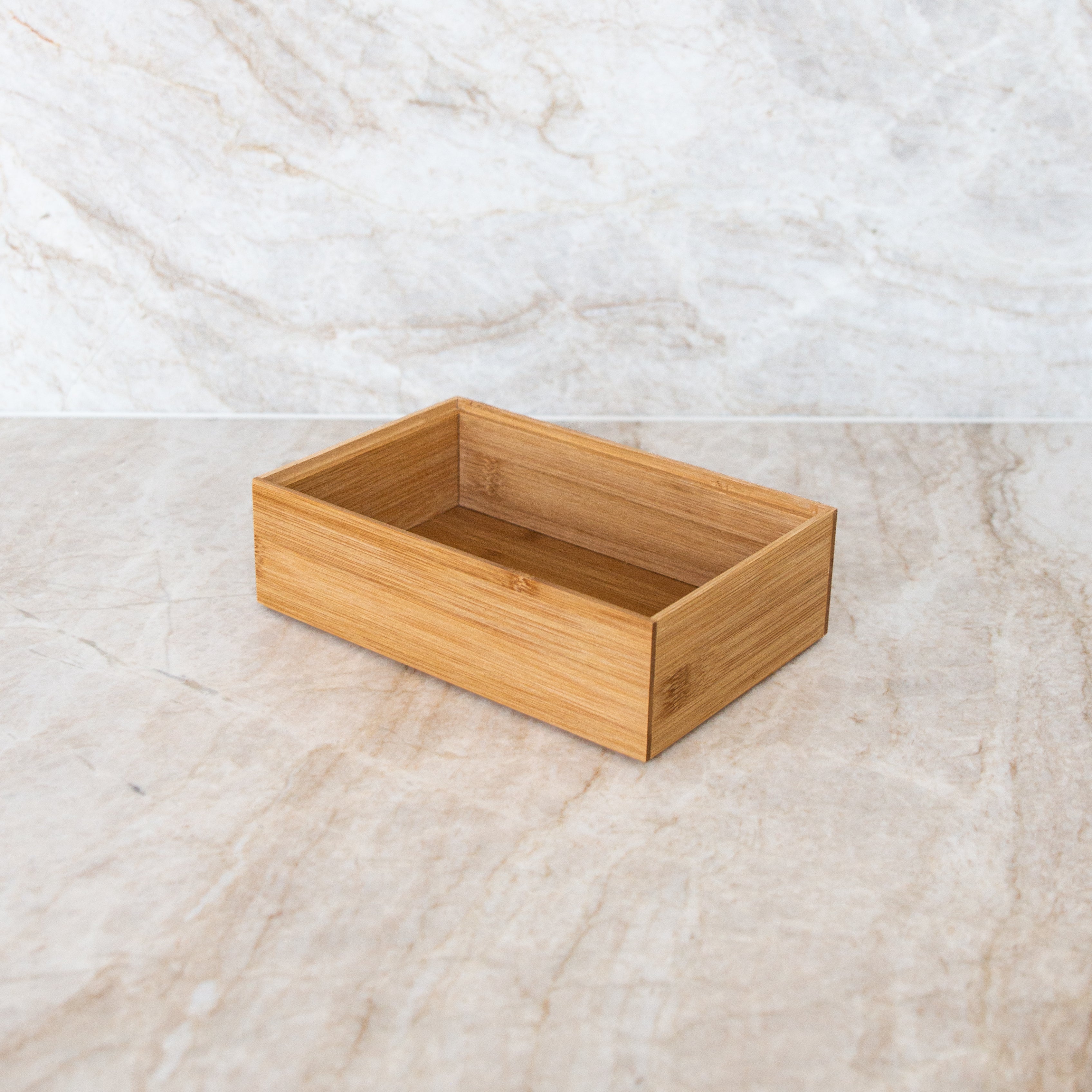
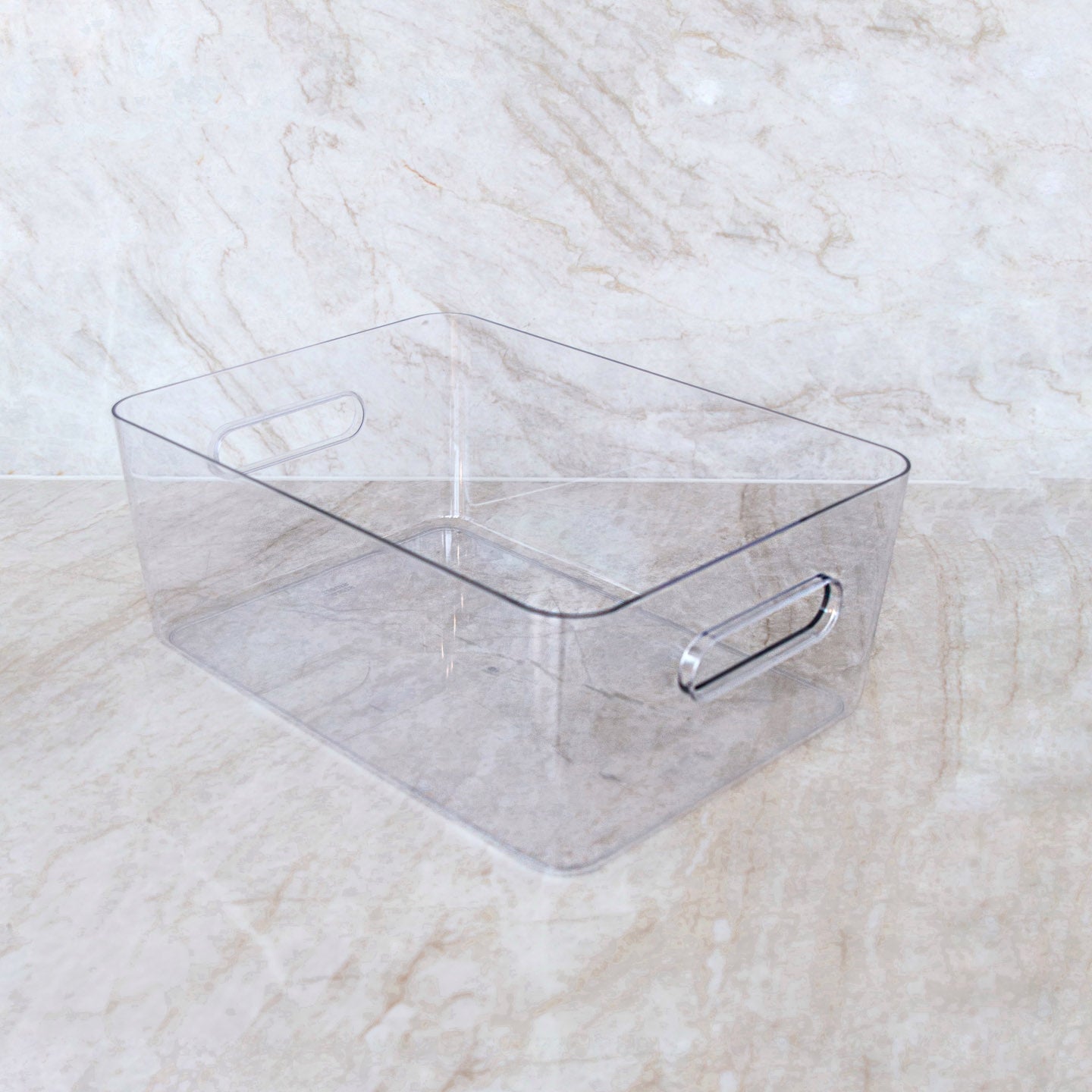
Supplement with boxes so that each zone in the fridge is clear. A practical example is the fridge box xs, which is good for small items like snacks, small cheeses, cold cuts, and bars that otherwise create clutter. If you choose boxes with lids, you can close each box with its own lid and stack them on top of each other to utilize the height in the fridge. The boxes are easy to pull out, you can quickly see the contents, and they are designed to stand on shelves – not in the fridge door.
System and zones in the kitchen
Place containers and boxes to suit your routines. Make it easy to put away and take out again. Start by dividing the kitchen into logical areas: cooking, baking, breakfast, and snacks. In drawers, containers of fixed sizes can stand side-by-side without wasted space. On shelves, uniform heights create a calm look.
Step-by-step to a durable system
- Empty and sort – gather everything into categories such as breakfast, baking, pasta-rice-legumes, and snacks.
- Measure shelves and drawers – choose 1-2 container heights that fit the space.
- Fill, label, and place – put labels on dry goods and place the most used items at the front.
- Maintain – refill when a container is half empty, and check leftovers in the fridge weekly.
Examples of sizes in use
- Small containers: spices, seeds, nuts, breakfast toppings.
- Medium containers: oatmeal, rice, lentils, pasta shapes.
- Large containers: flour, whole-grain pasta, large packages of breakfast cereals.
- In the fridge: small boxes for snacks and cold cuts, medium for open jars and dairy products, larger for fruit and vegetables. Close the boxes with their respective lids and stack them to utilize the height.
Labels and everyday flow
A framework of good habits makes the system easy to maintain. When dry goods are in clear containers with clear names, shopping and cooking become simpler. Date leftovers in a glass box and place it at the front of the fridge so it gets eaten in time.
Find your food storage containers
If you want to get started quickly, choose containers in a few, repeating sizes and build on it gradually. See a complete selection of sizes and materials in storage containers, so you can match your space, your habits, and your kitchen. Choose what suits your food items – and create a kitchen where you intuitively know where everything is.