
A good structure in the refrigerator provides calm, overview, and makes it easier to use your vegetables in time. The key is to utilize the vegetable drawers, maintain an even temperature, and gather greens in suitable containers. Here's a practical guide for everyday life, so you can find a rhythm that suits your family and your kitchen.
Vegetable drawer in the refrigerator
Vegetable drawers protect against drafts and drying out. Place leafy greens like lettuce and spinach in the drawers, keeping them in their perforated packaging or in bags with a little air. Root vegetables like carrots and beets can be stored in a drawer or in a box at the bottom of the refrigerator. Keep the drawers tidy so you can easily see what's left. If you need to mix several types in the same drawer, place the most fragile ones on top and the heavy ones at the bottom.
Placement in the drawer
- Group similar vegetables together for a better overview.
- Place items that quickly lose crispness at the front so they are used first.
- Give vegetables some air and avoid completely sealed bags.
Refrigerator temperature for vegetables
Stable cold is important. Many refrigerators function well at around 4 degrees Celsius. Avoid pushing greens too close to the back wall, which is often the coldest. Sensitive vegetables often do best on the middle shelves, where the temperature is more even. Keep the door open as little as possible to avoid fluctuations.
Storage in containers and boxes
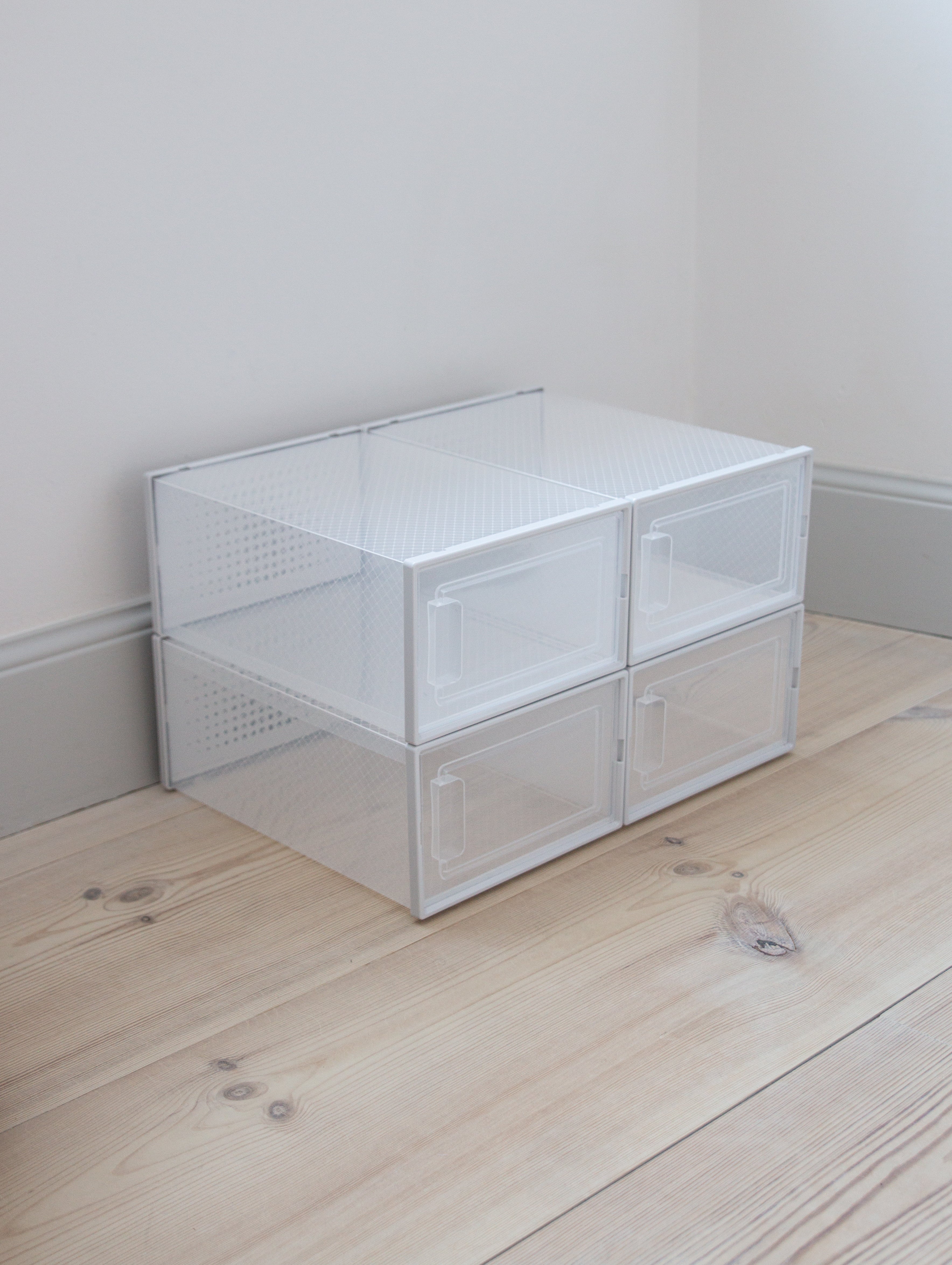
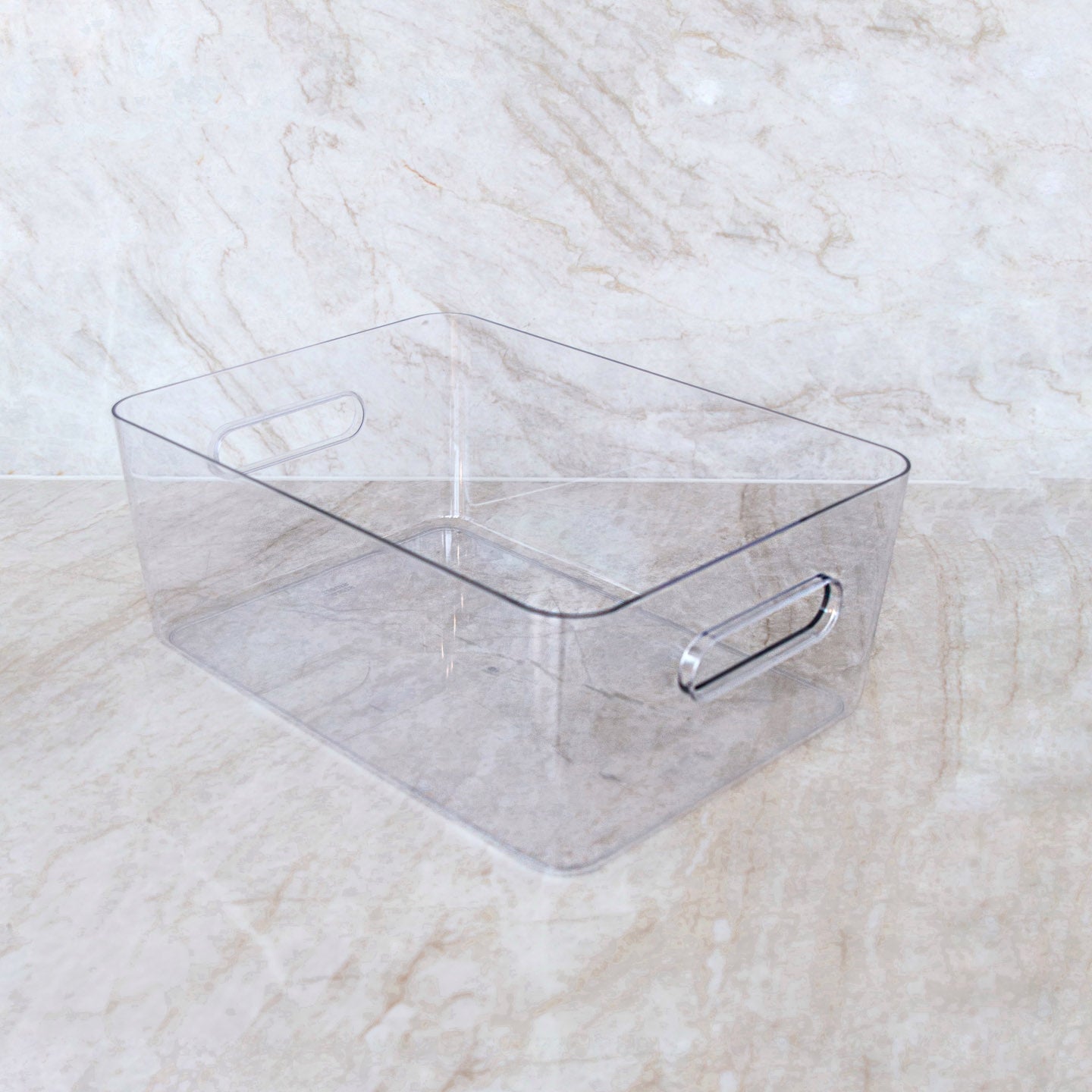
Gather vegetables in transparent refrigerator boxes so nothing hides at the back. Small boxes are good for snack vegetables like carrot sticks and small cauliflower florets. Medium boxes fit bell peppers, cucumbers, and bunches of asparagus. Large boxes hold heads of lettuce and cabbage. If you choose boxes with lids, they can be stacked to utilize vertical space. When you pull out a box, the contents are easy to see and put back. Place boxes on shelves – they don't fit in the refrigerator door. Several boxes and containers can also be used in both the refrigerator and freezer if you want to distribute your stock.
Cut vegetables in the refrigerator
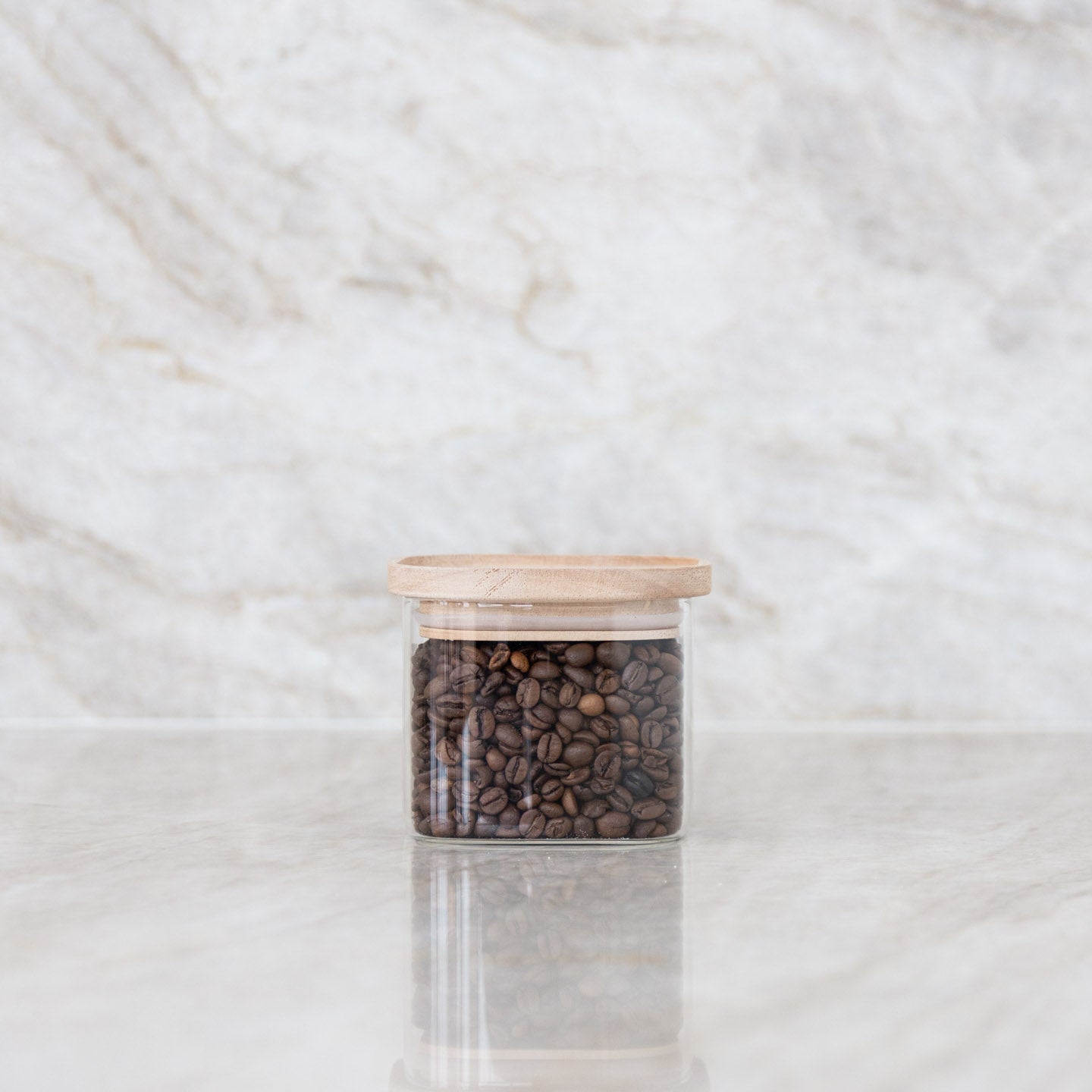
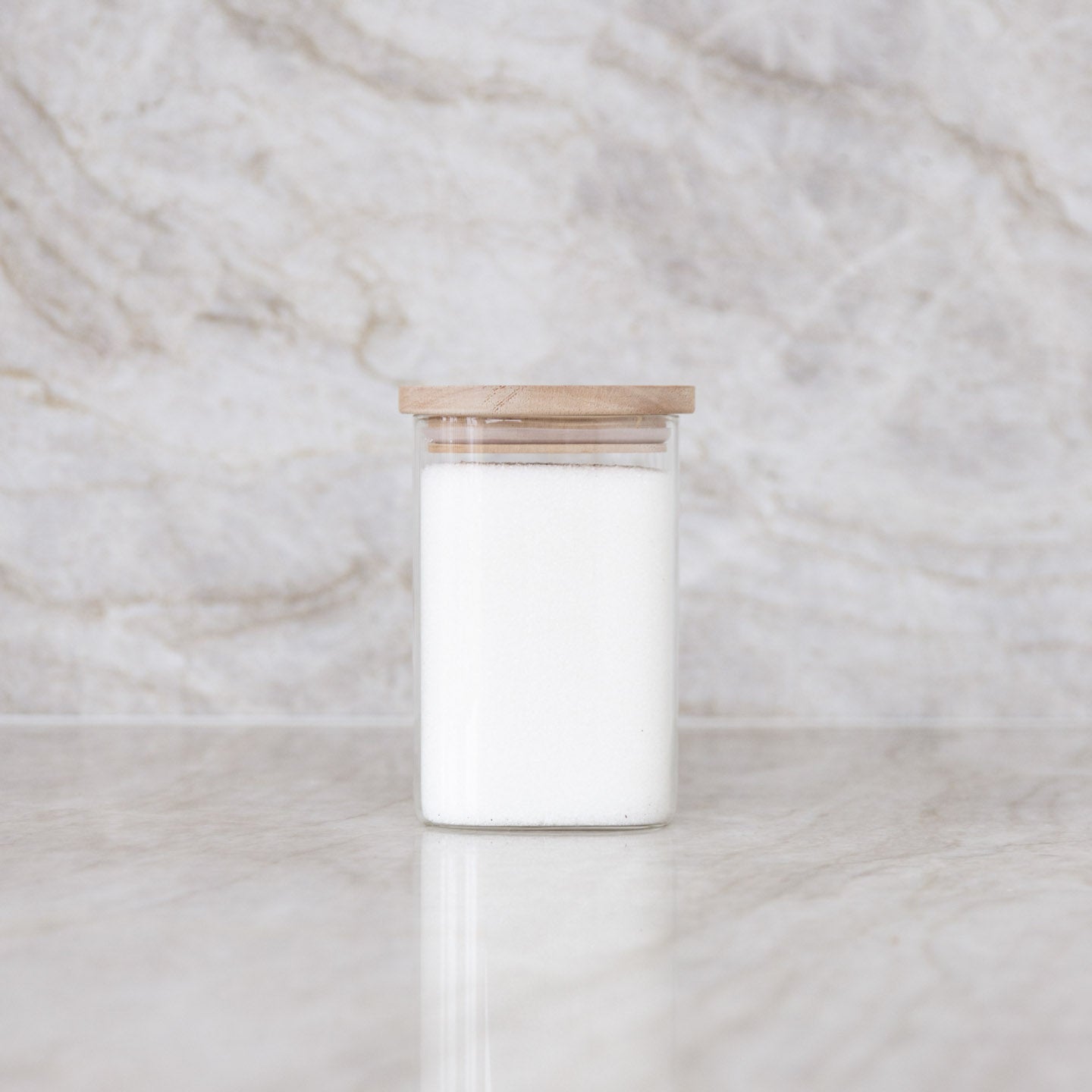
Preparation makes everyday life easier. Chop a portion of the week's greens at once and distribute them into glass food storage containers. Use the small ones for snack trays with carrot sticks or sugar snap peas, the medium ones for broccoli and cauliflower florets, and the large ones for chopped cabbage. Glass makes it easy to see the contents, and lids make boxes stable when stacked. The boxes can be used in the refrigerator and freezer if you want to distribute portions.
Organizing vegetables in the refrigerator
Place items according to routine, so they are quick to grab and put back. Stick to a few repeated sizes for a calm look, and use the front edge for what needs to be used first.
A suggestion for a simple structure:
- Vegetable drawer 1: leafy greens and fresh herbs.
- Vegetable drawer 2 or large box: cabbage and root vegetables.
- Middle shelf: snack trays and cut vegetables in boxes.
- Front: what needs to be used today or tomorrow.
If you want to get started quickly, a complete refrigerator package can help you with uniform boxes and lids, so you can create fixed zones and stack vertically without losing overview. If you keep the structure simple, it becomes natural to restock, use what came in first, and prevent greens from hiding at the back.