
A tidy and well-organized dry goods area makes everyday life easier. When flour, rice, pasta, and snacks have designated places, it's easy to see what you have and what needs replenishing. Start by gathering everything in one place, plan fixed categories, and choose a few recurring containers for a consistent, calm look.
Storage jars for the kitchen
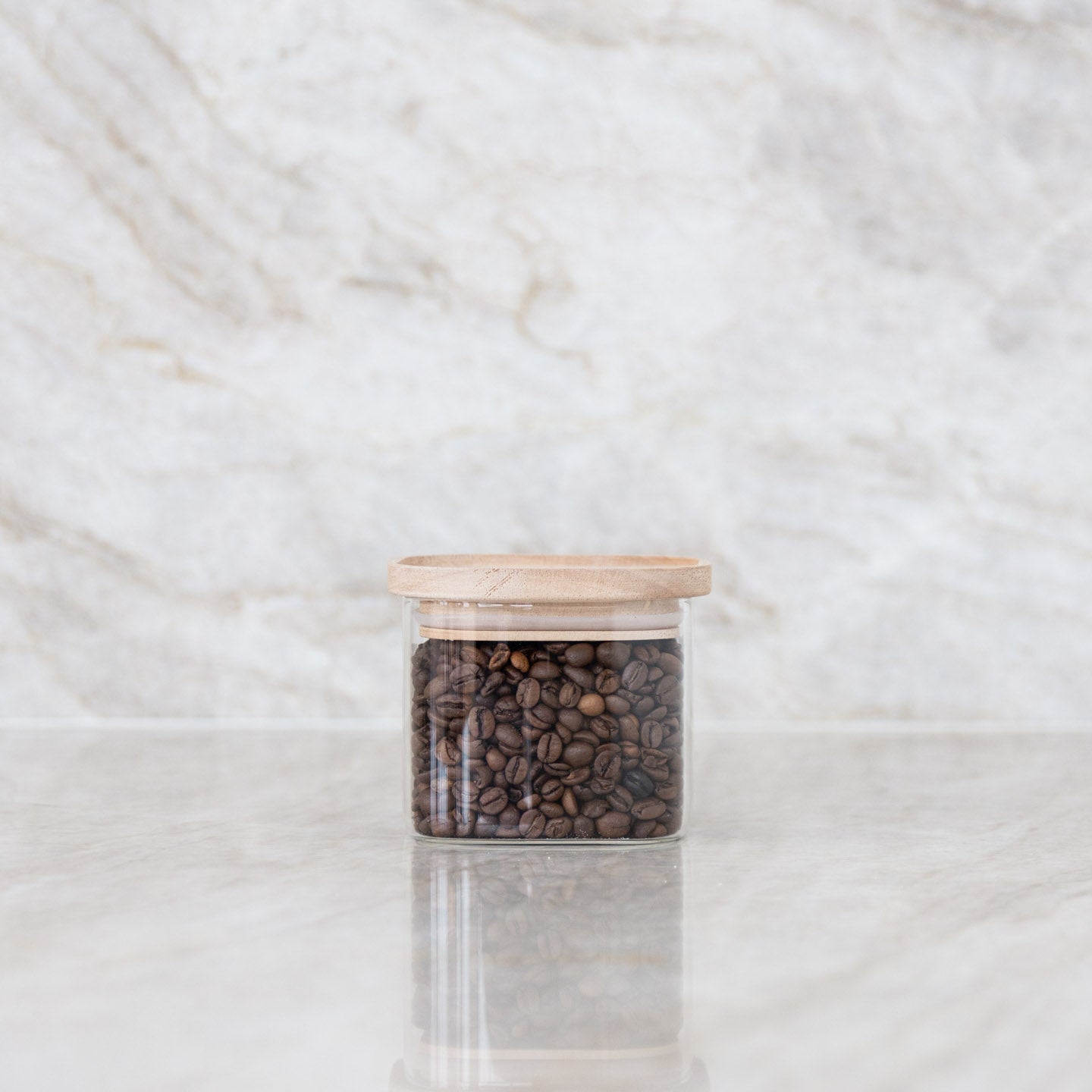
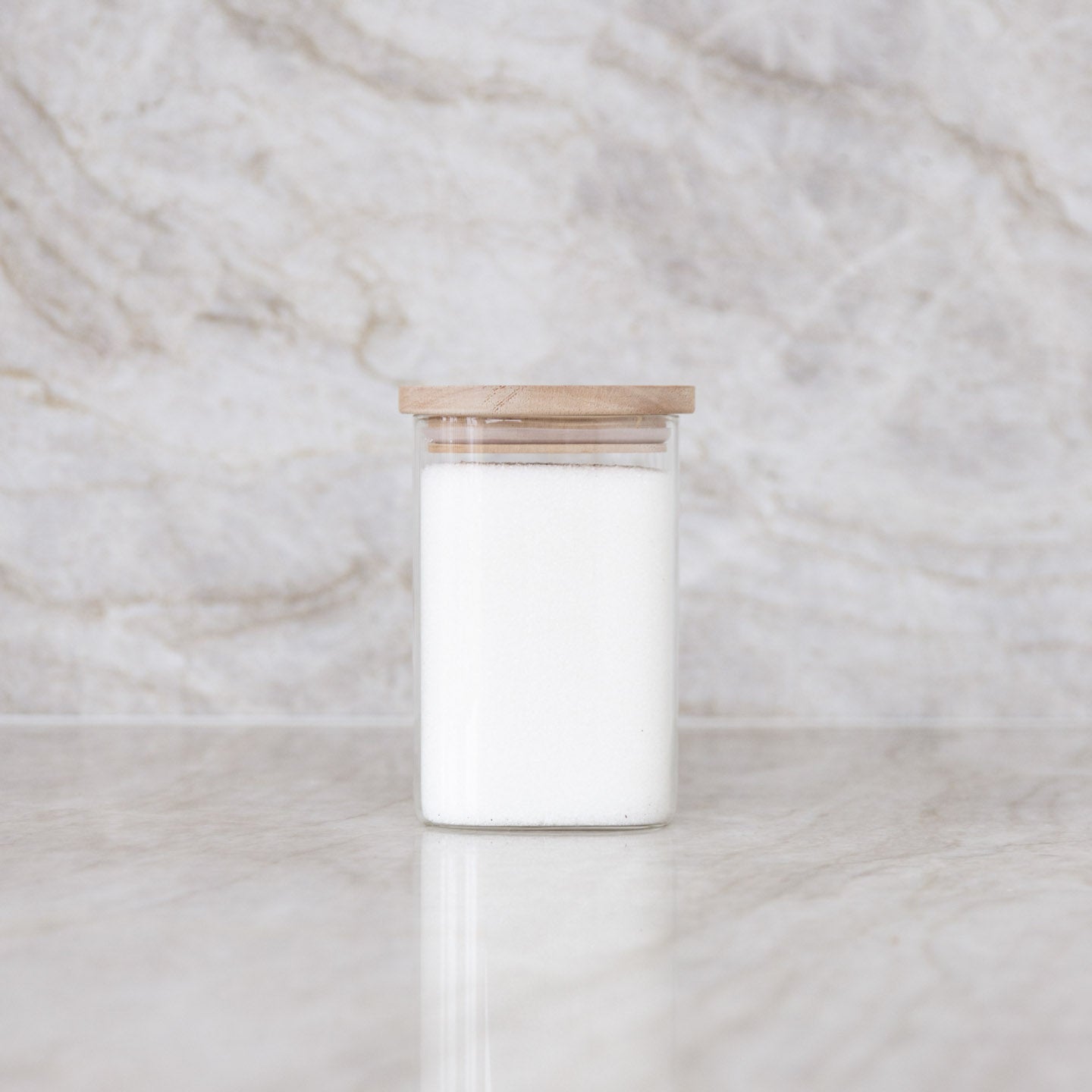
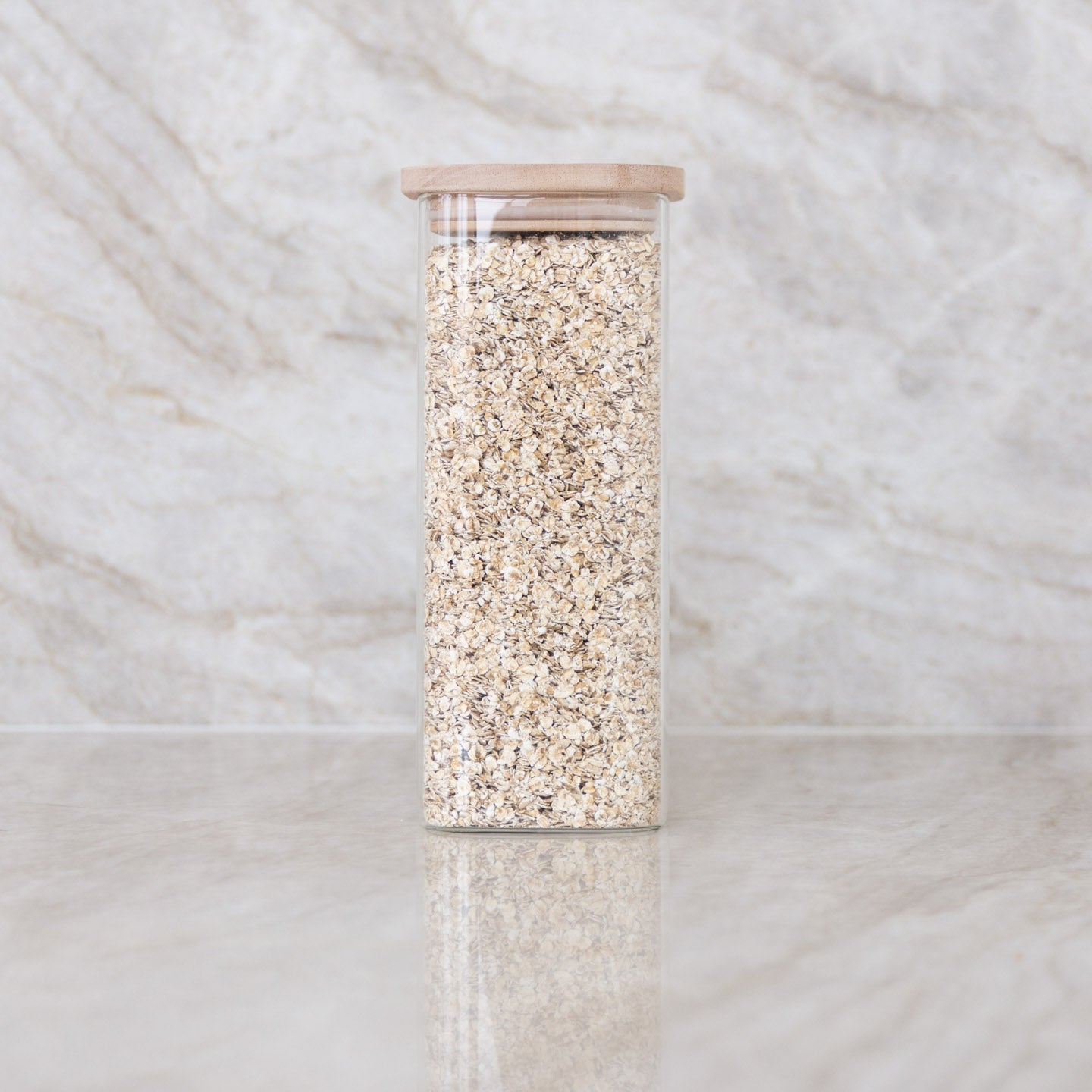
Transparent jars provide a quick overview and an aesthetic, calm shelf. Choose larger jars for staples like oatmeal and flour – for example, square storage jar 1800 ml – and smaller jars for nuts, seeds, and grains. The square jars utilize space efficiently and help keep pests out. If you want to build an entire series, you can see the entire selection of storage jars to find a size that fits each product group.
How to get started
- Empty the shelf and group dry goods: baking, breakfast, pasta and rice, snacks.
- Measure the shelf's height and depth so your jars and containers stand stably and in one row.
- Stick to a few sizes and repeat them for a uniform look.
Labels for dry goods
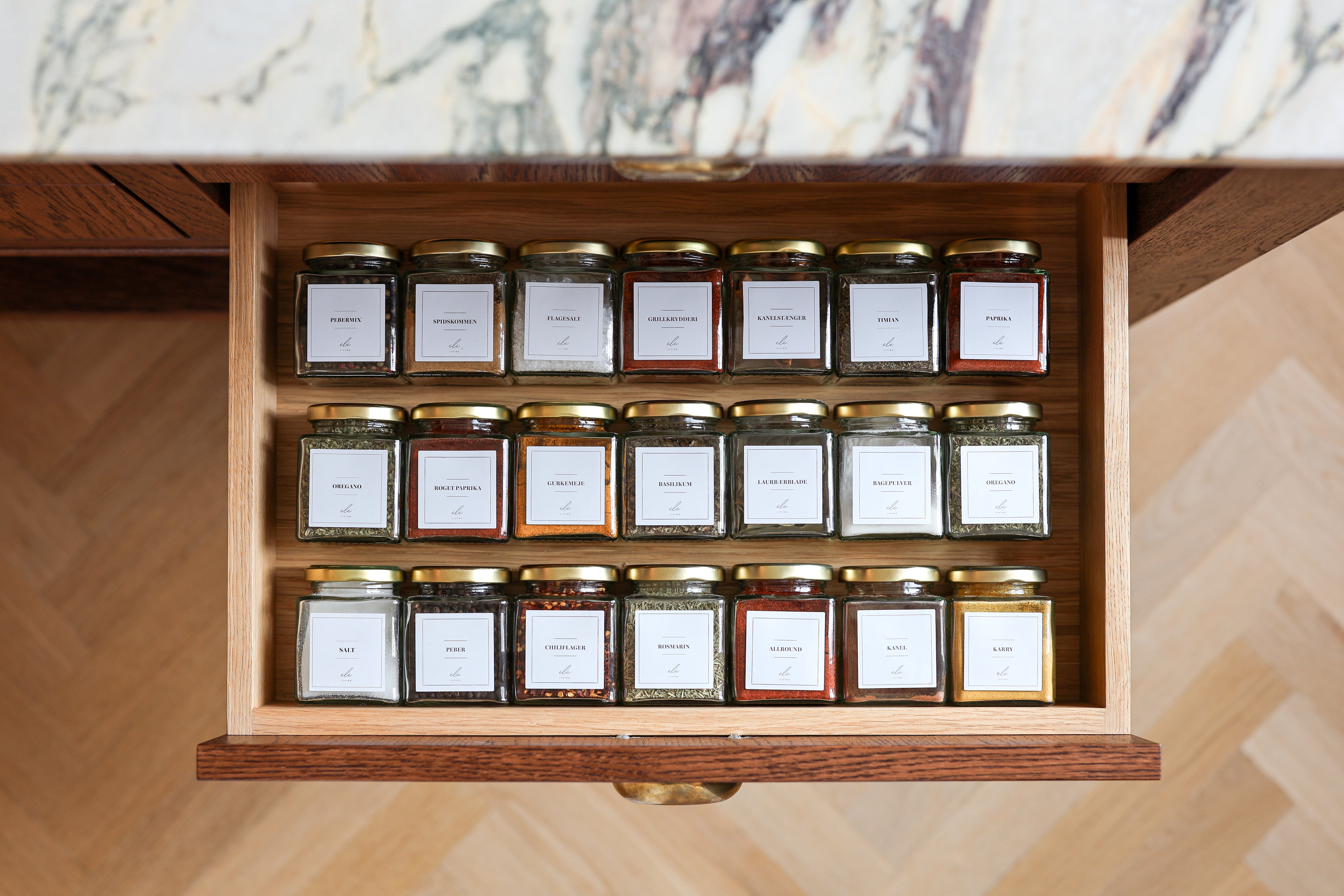
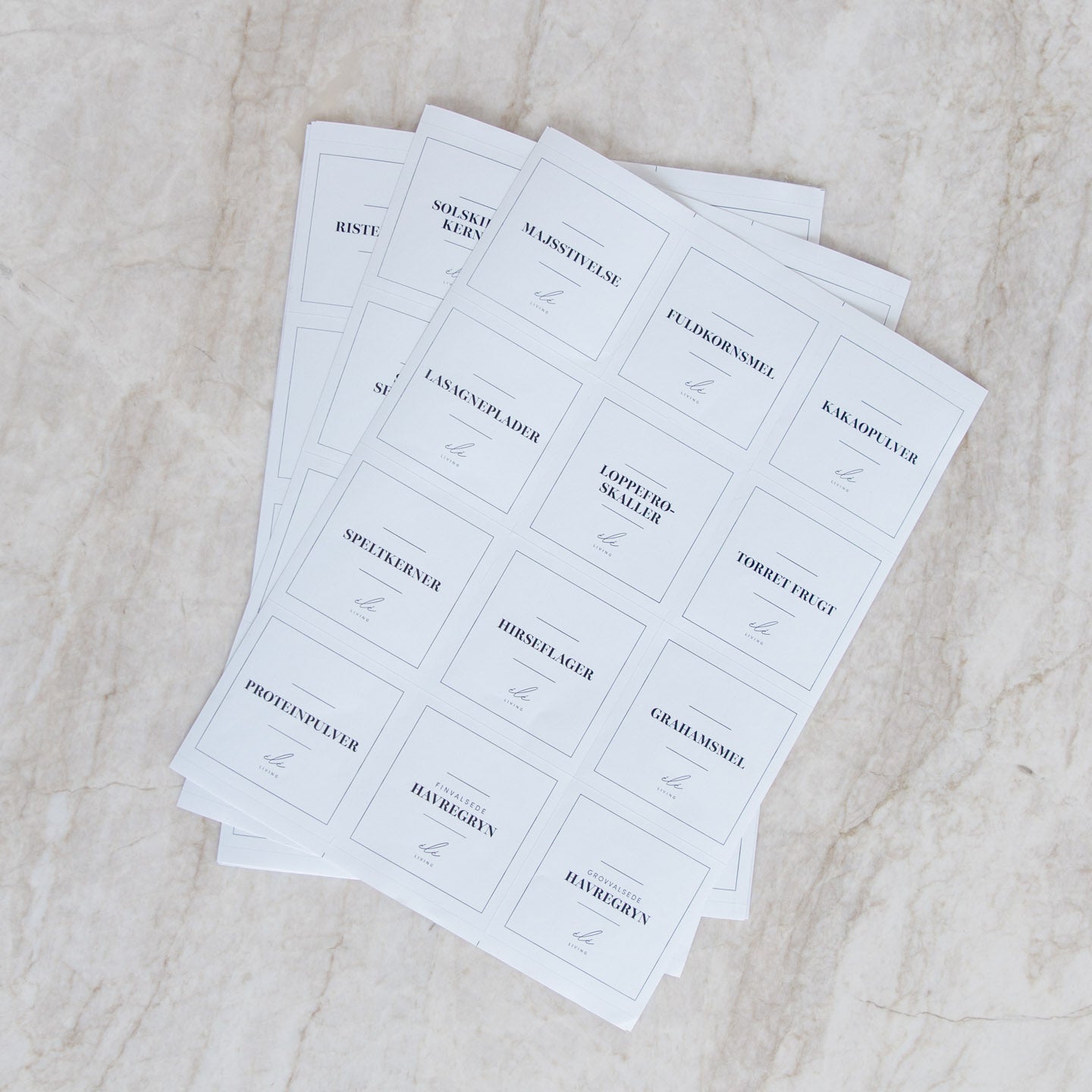
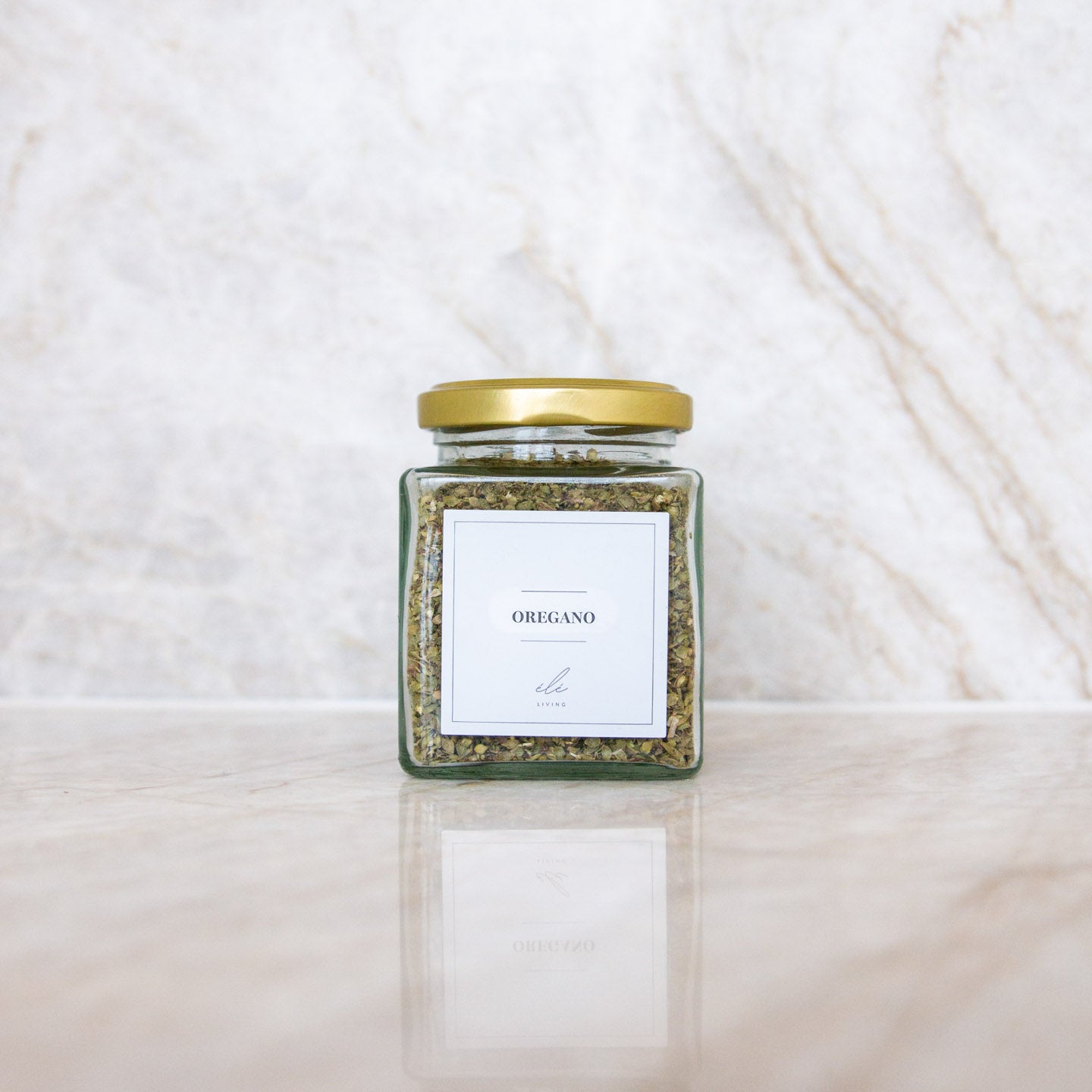
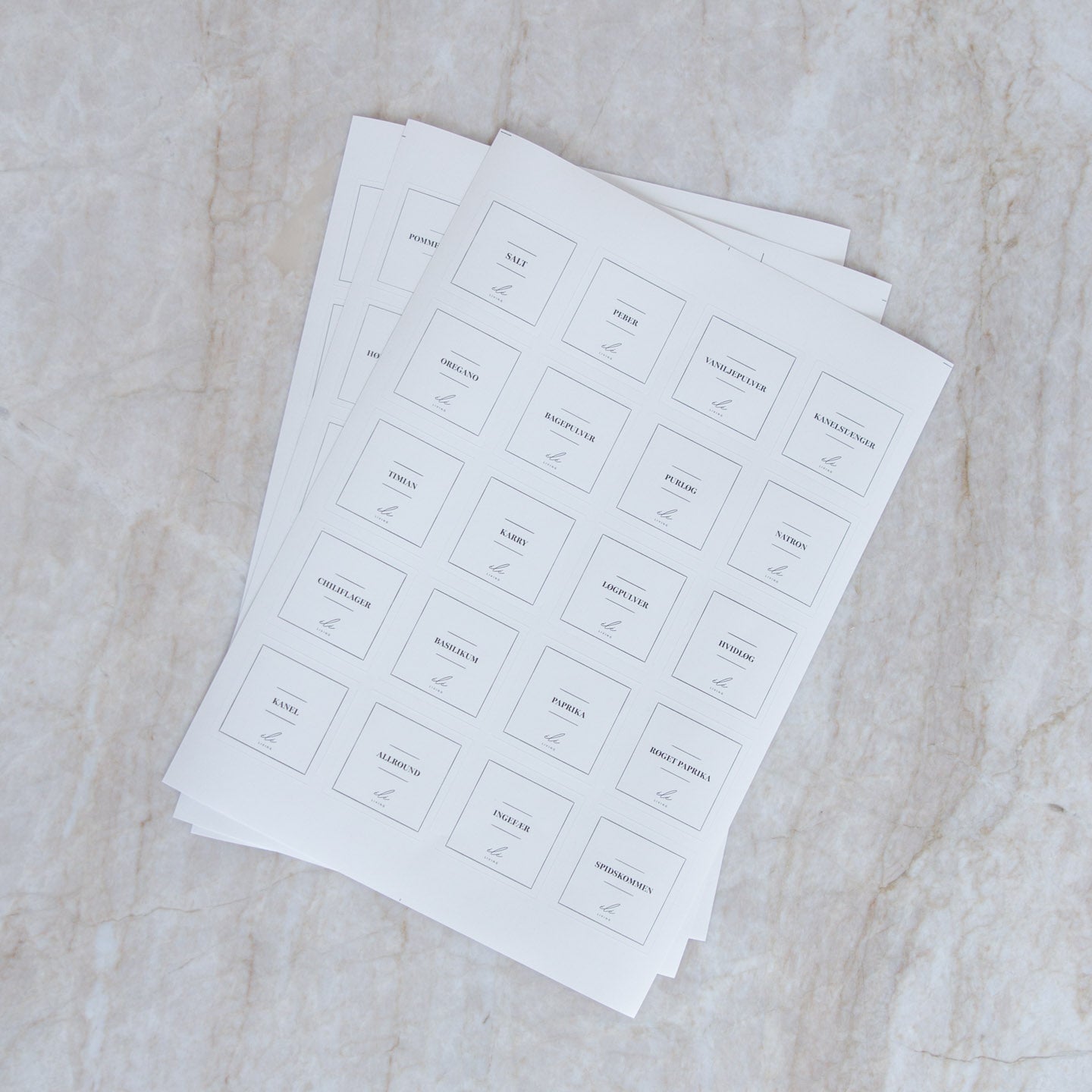
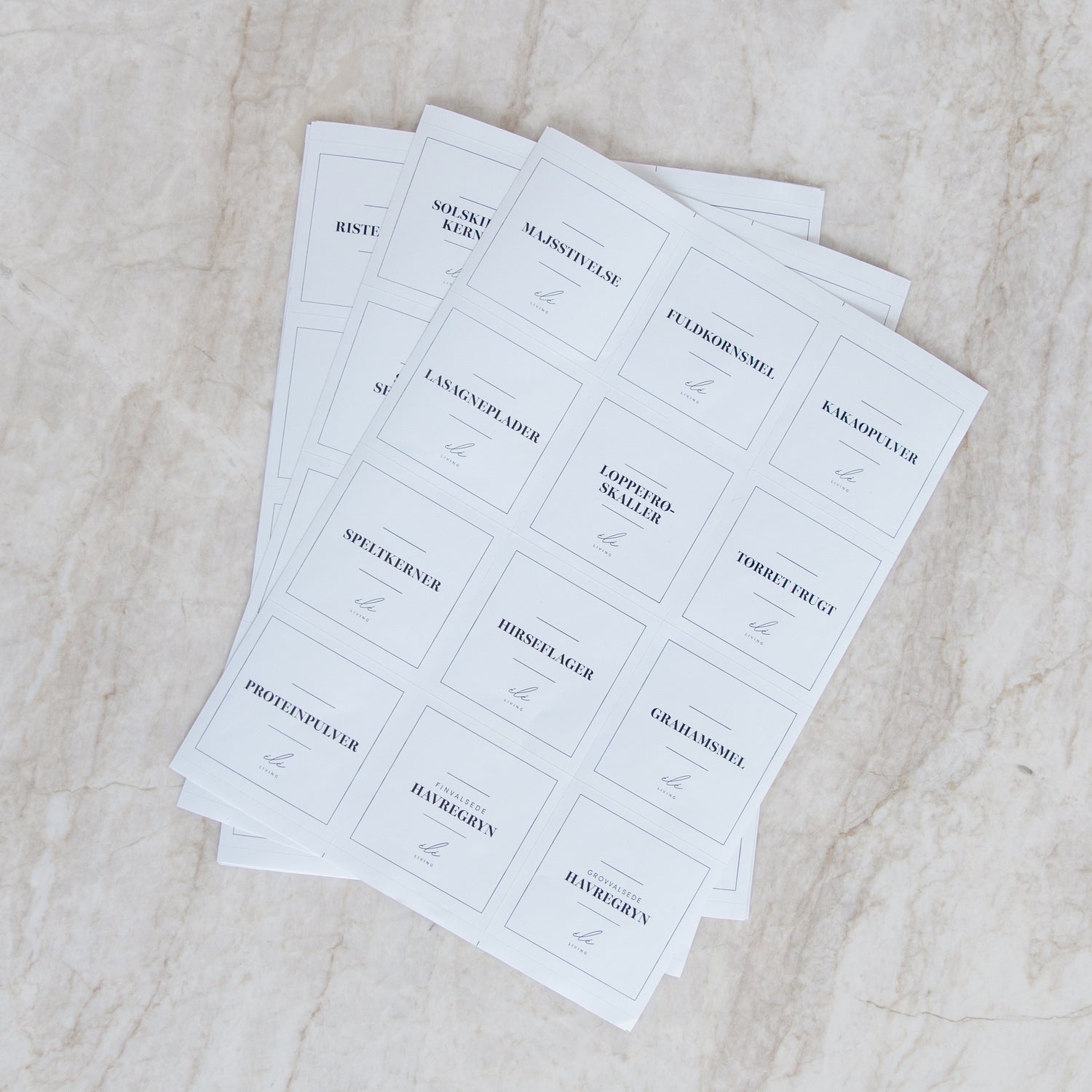
Clear labeling makes it easy to find the right jar in an instant. Use labels for dry goods design 1 for the name and possibly the date when you refill. Place the label in the same spot on all jars for a calm look and quick reading, even when the jars are close together.
Stackable storage containers
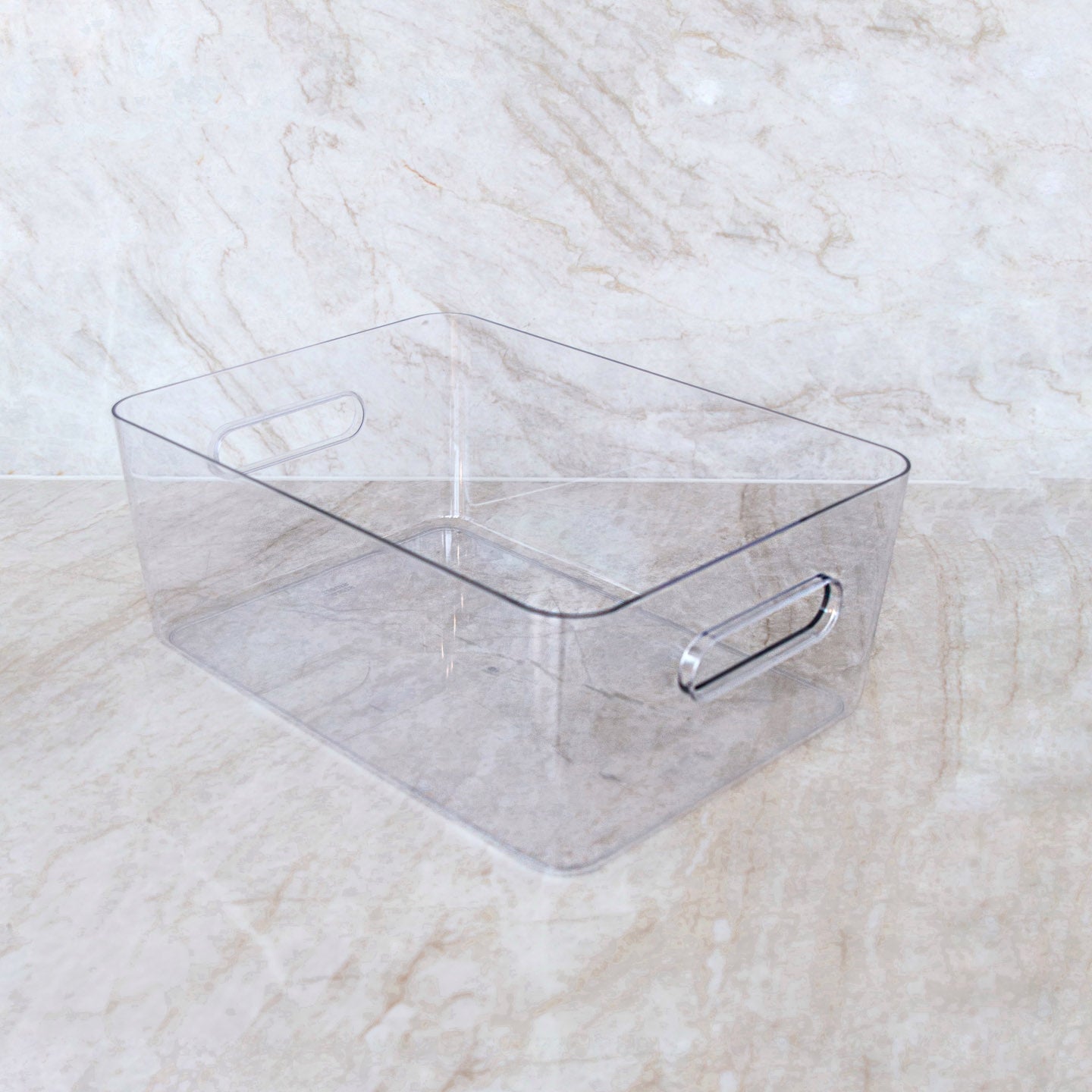
In cabinets and drawers, stackable containers can create structure and make good use of height. A storage container package solution provides a complete set in matching sizes, practical for pasta, rice, flour, and small bags. Fill one item per container so it's easy to see when refills are needed, and keep the same type of container in each zone for a clean, systematic look.
Example of division
- Baking: flour, sugar, coconut flakes, cocoa.
- Breakfast: oatmeal, muesli, cornflakes.
- Pasta and rice: spaghetti, penne, basmati, bulgur.
- Snacks: pretzels, rice cakes, nuts.
- Small accessories: baking powder, vanilla sugar, bouillon cubes.
Placement and system in everyday life
Place frequently used items in the center and front row. Heavier items stand stably on the bottom shelf, while rarely used items can be placed on top. Always place newly purchased dry goods at the back and pour the remnants to the front of the jar so they are used first. Divide shelves by activity – for example, a baking zone gathered in one place – so you can grab everything you need in a few movements.
A calm style with balance
A calm cabinet is about repetition and simplicity. Choose a few materials and maintain the same color tone on lids for a harmonious overall impression. Arrange the jars in straight rows and keep the front aligned. The visual order creates calm, makes maintenance simple, and helps you stick to good habits when everyday life rolls on.
System maintenance
Set aside 5 minutes to tidy up each week. Check categories, refill, and remove empty packaging. By accumulating small steps, you maintain an overview without large clean-up projects.