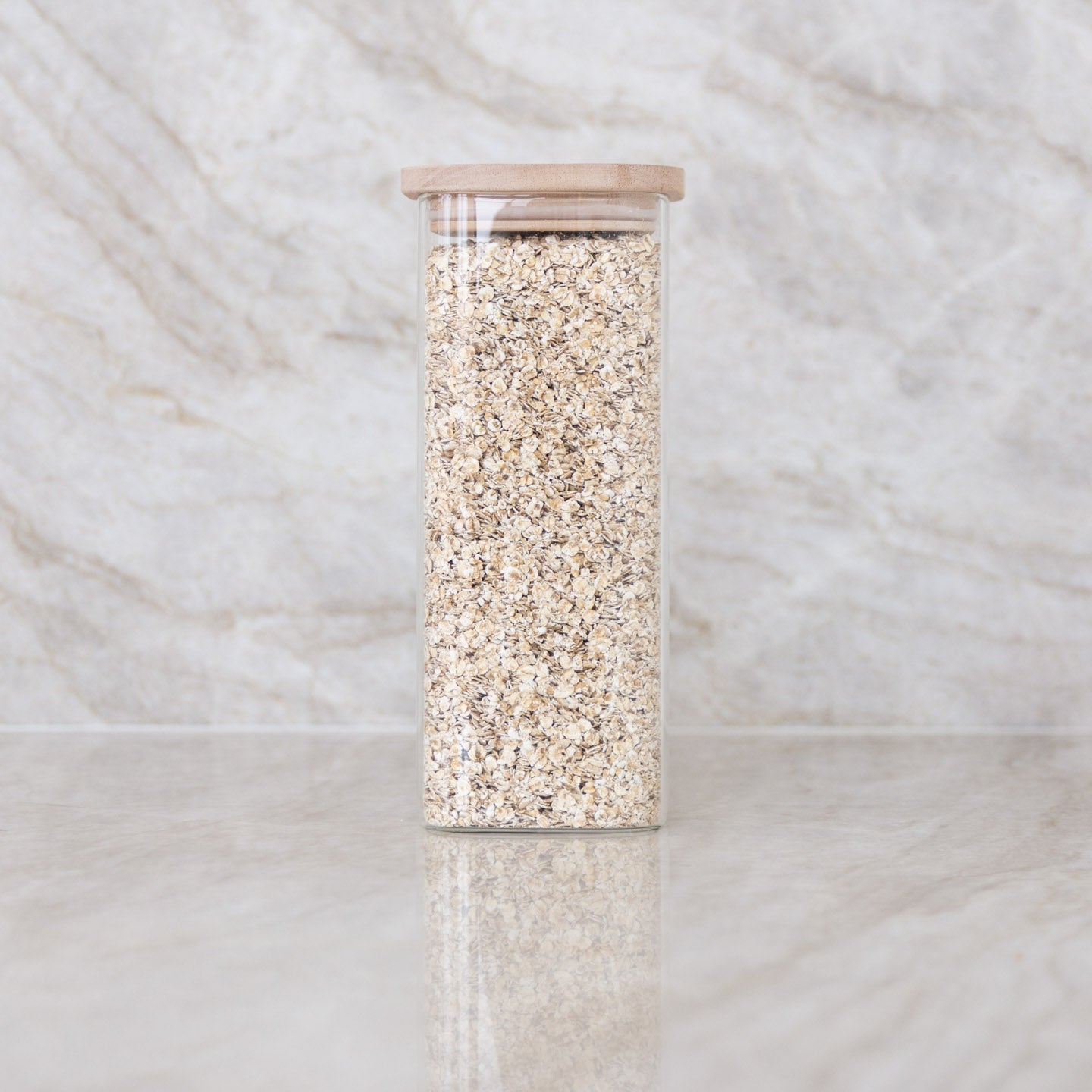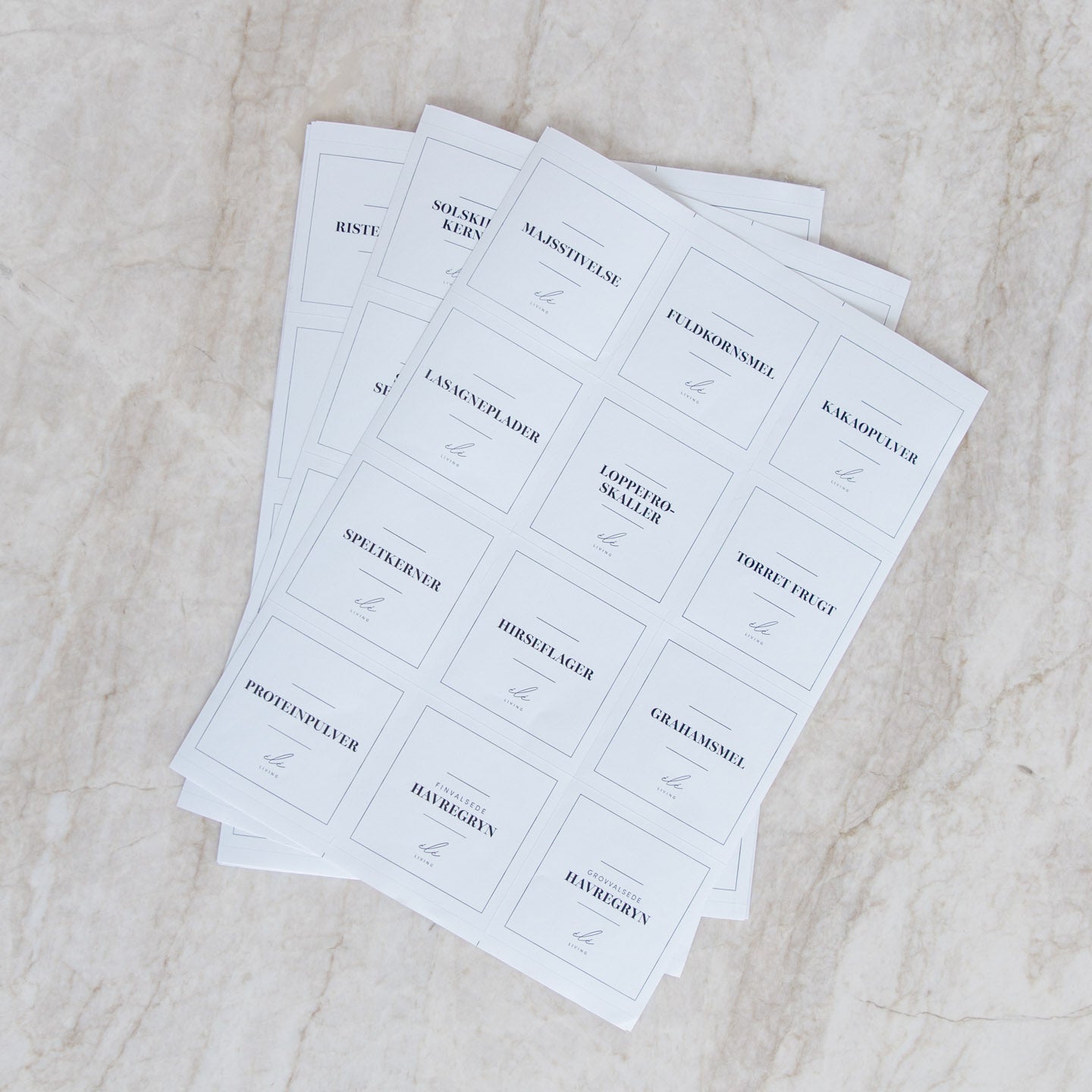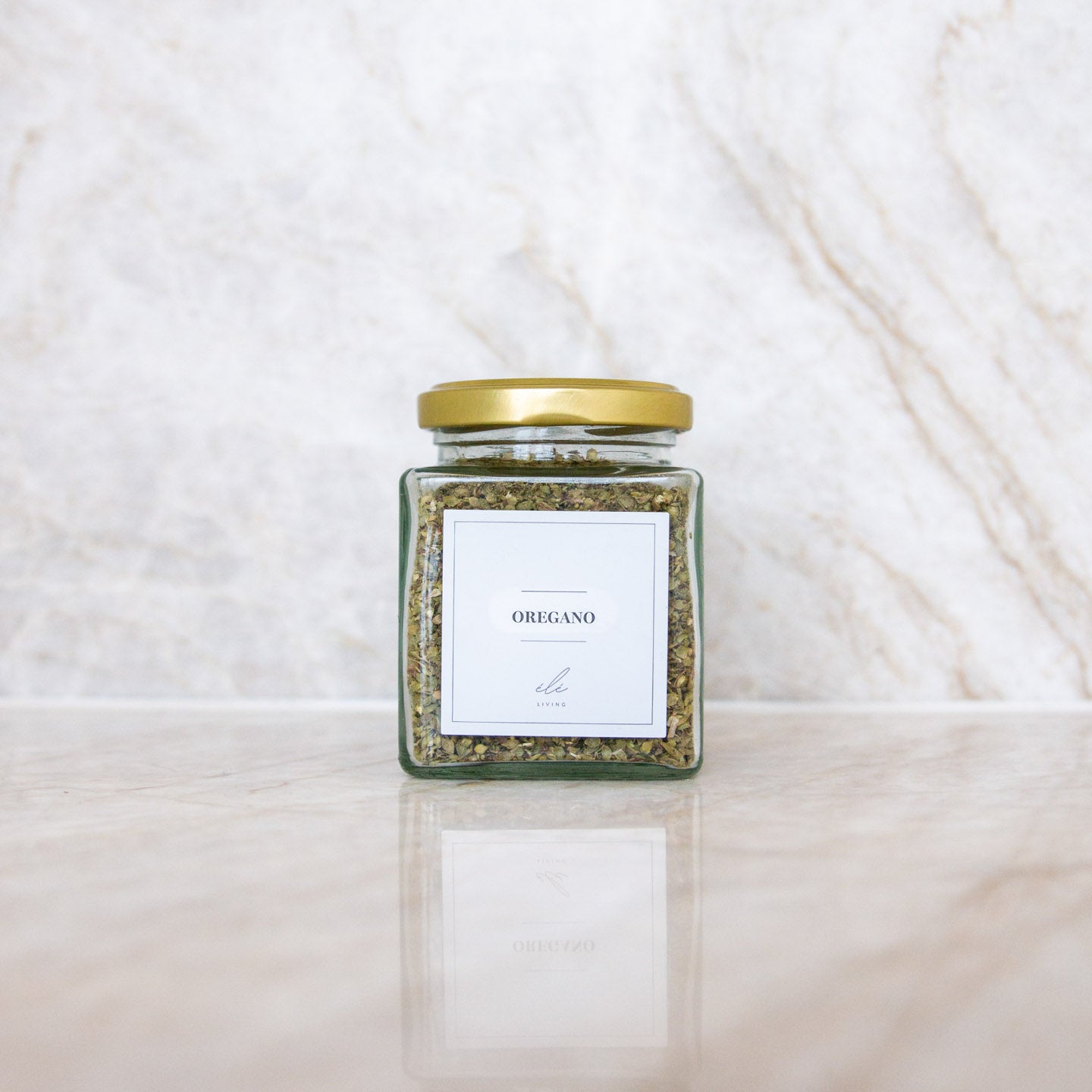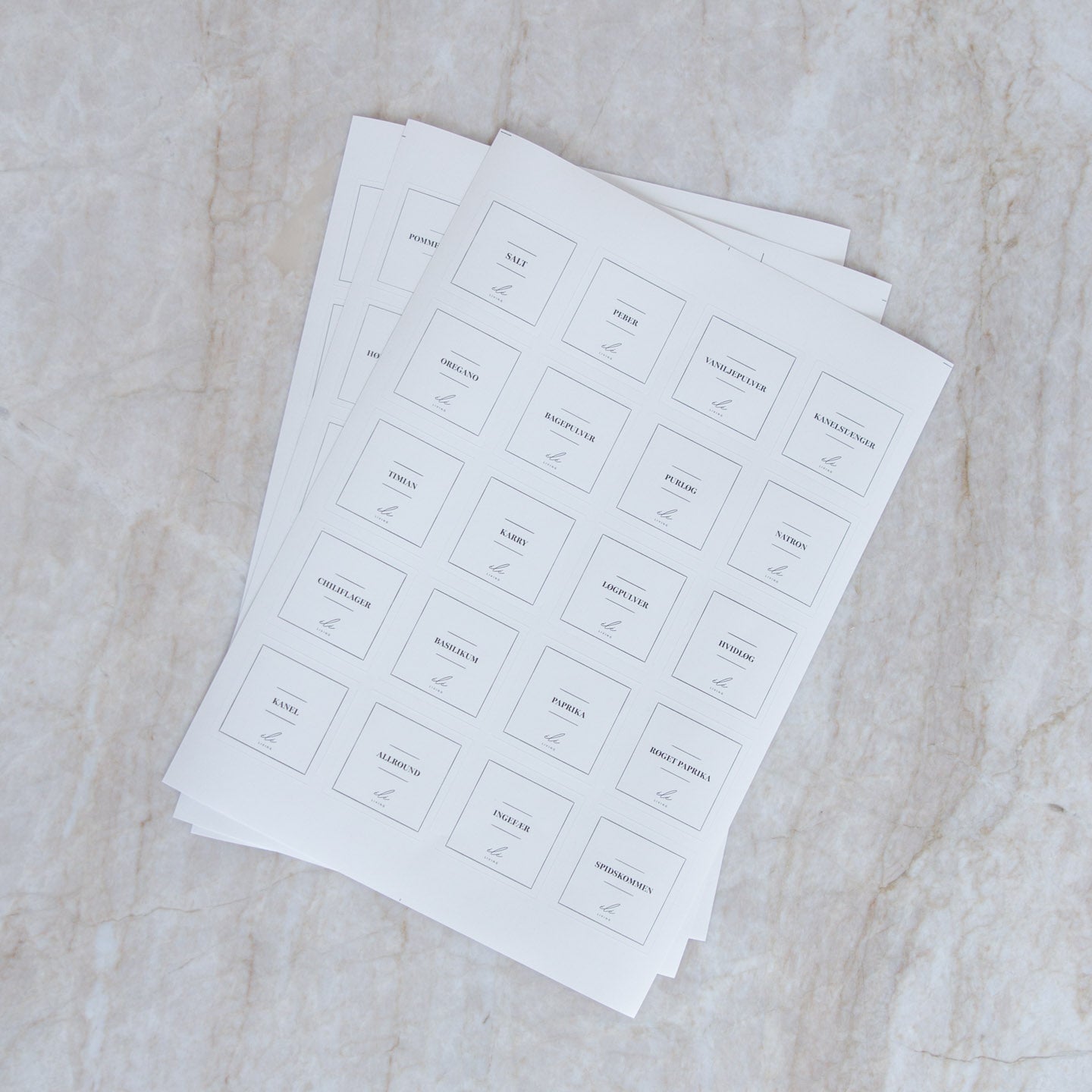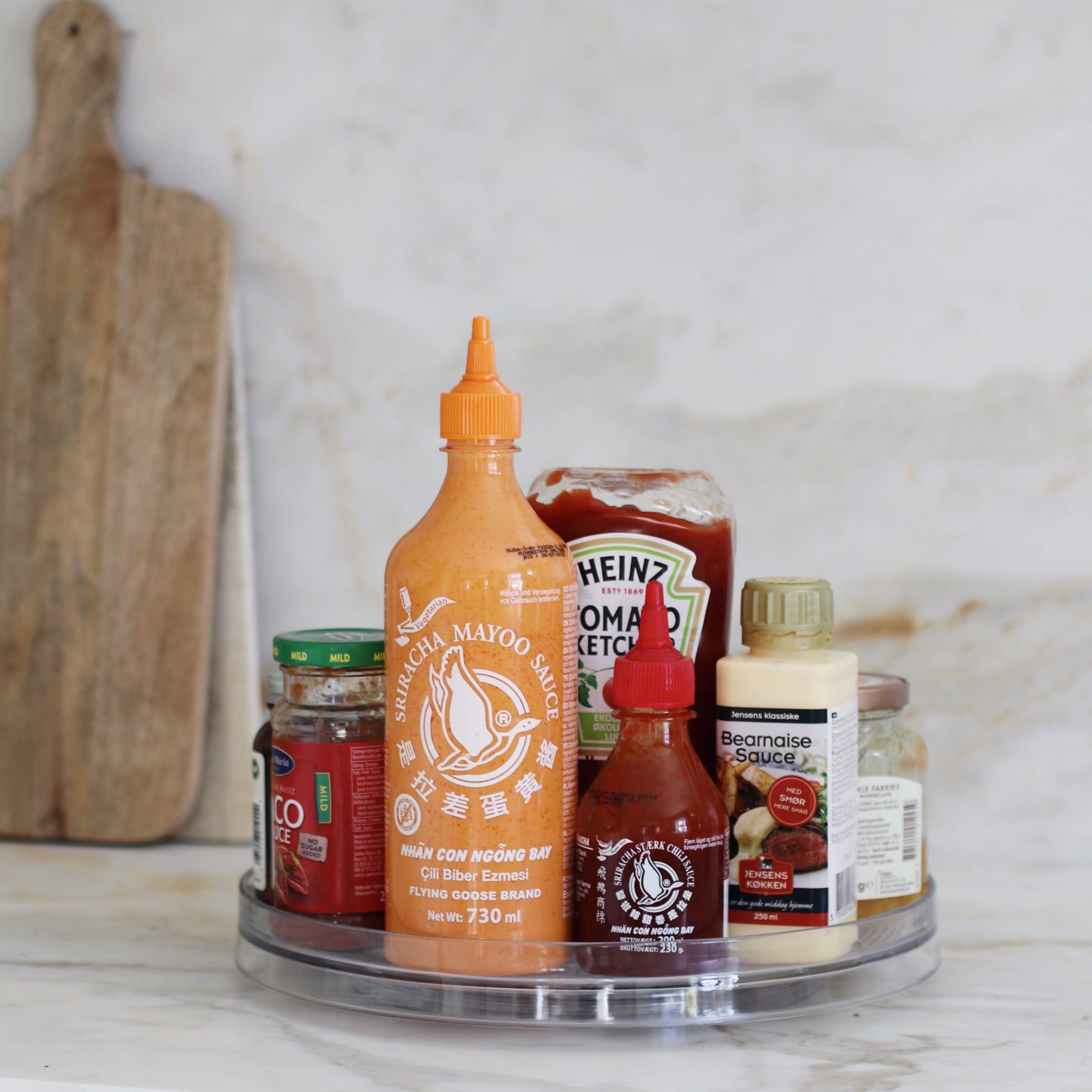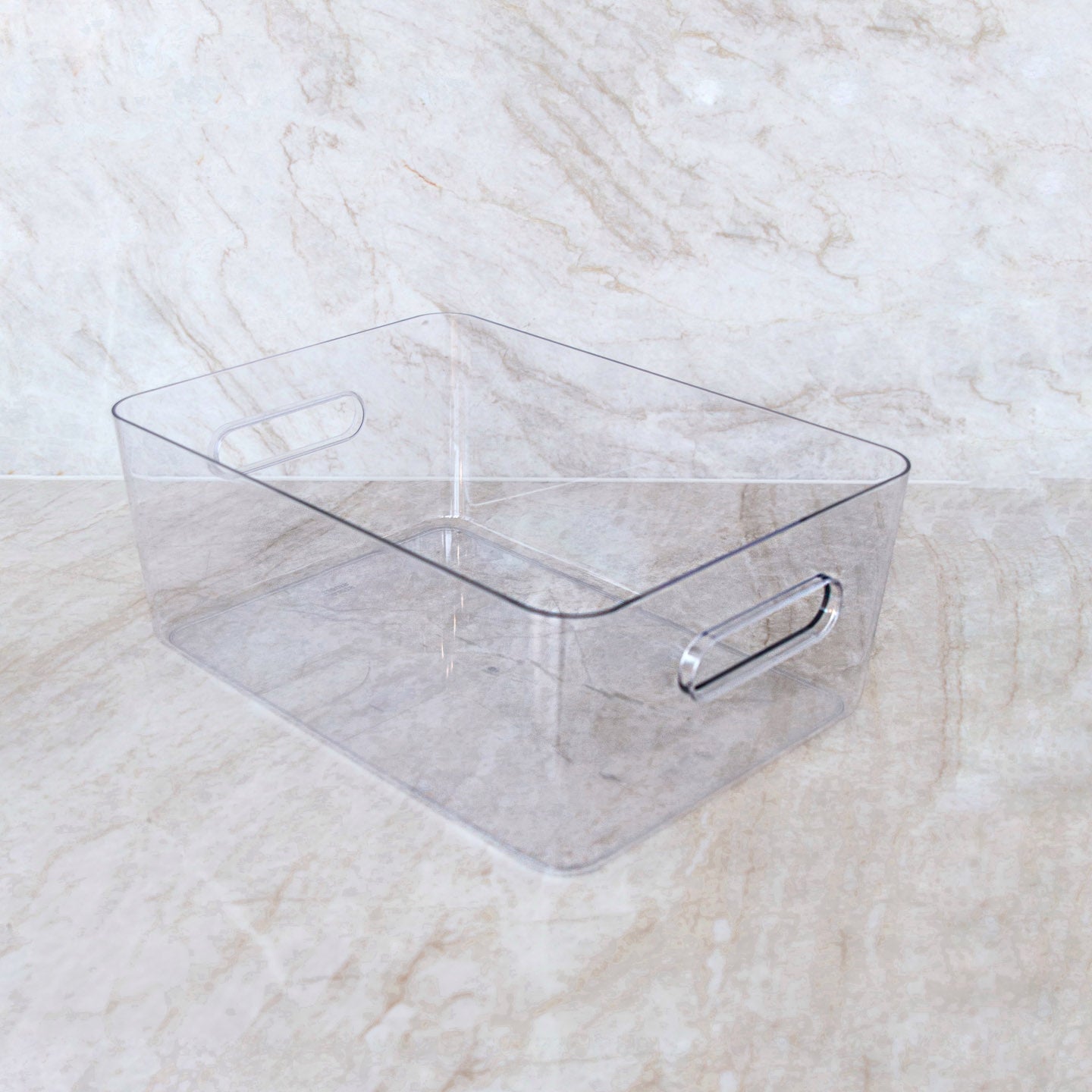

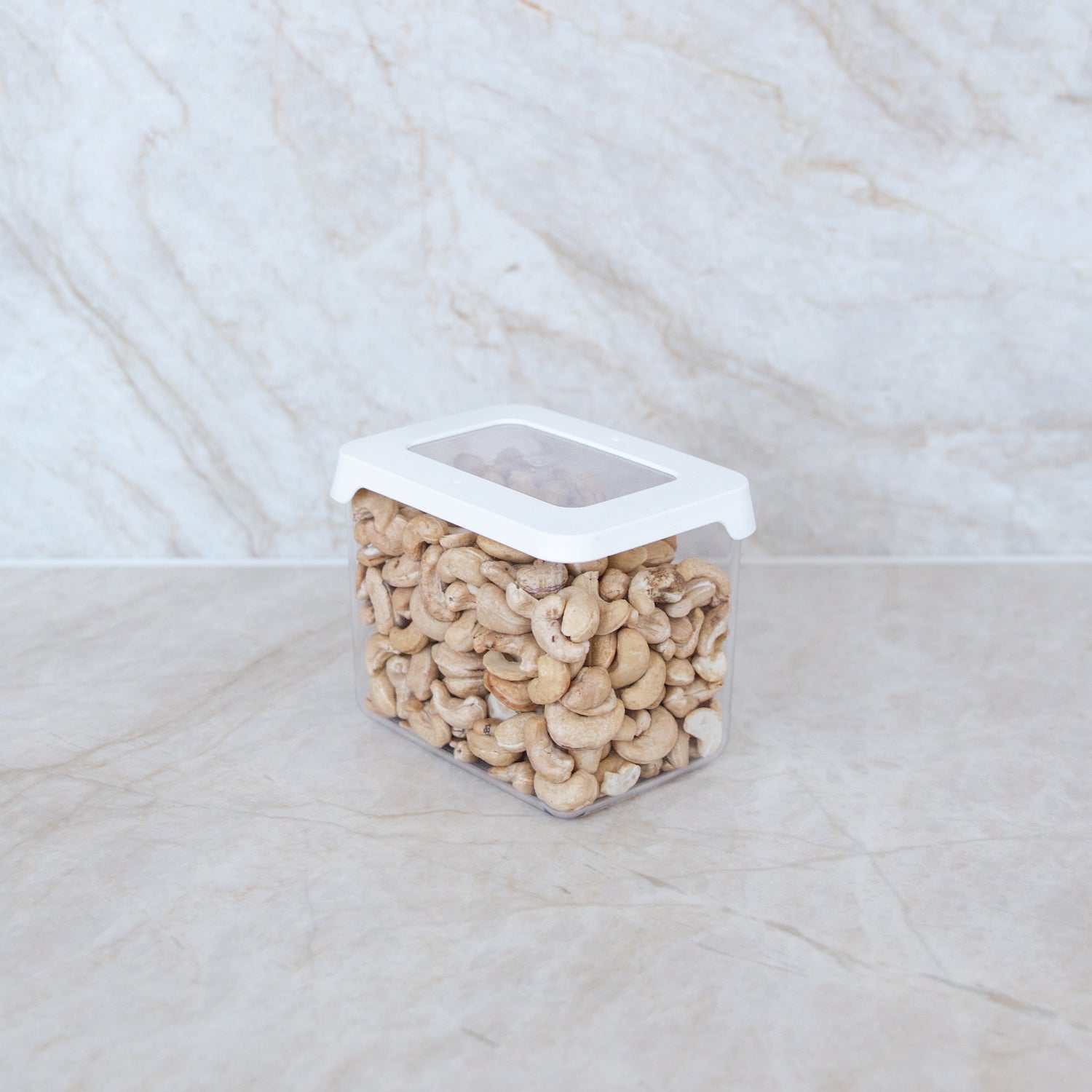
Organize your closets with storage boxes that organize your items, making them easy to find and quickly put away. Start by choosing a few, repeatable sizes that fit your shelves. Keep related categories in separate boxes to keep your daily routines flowing - whether it's the kitchen, bathroom or wardrobe. See the full range of Boxes and choose according to your space and needs.
Kitchen cabinet organization
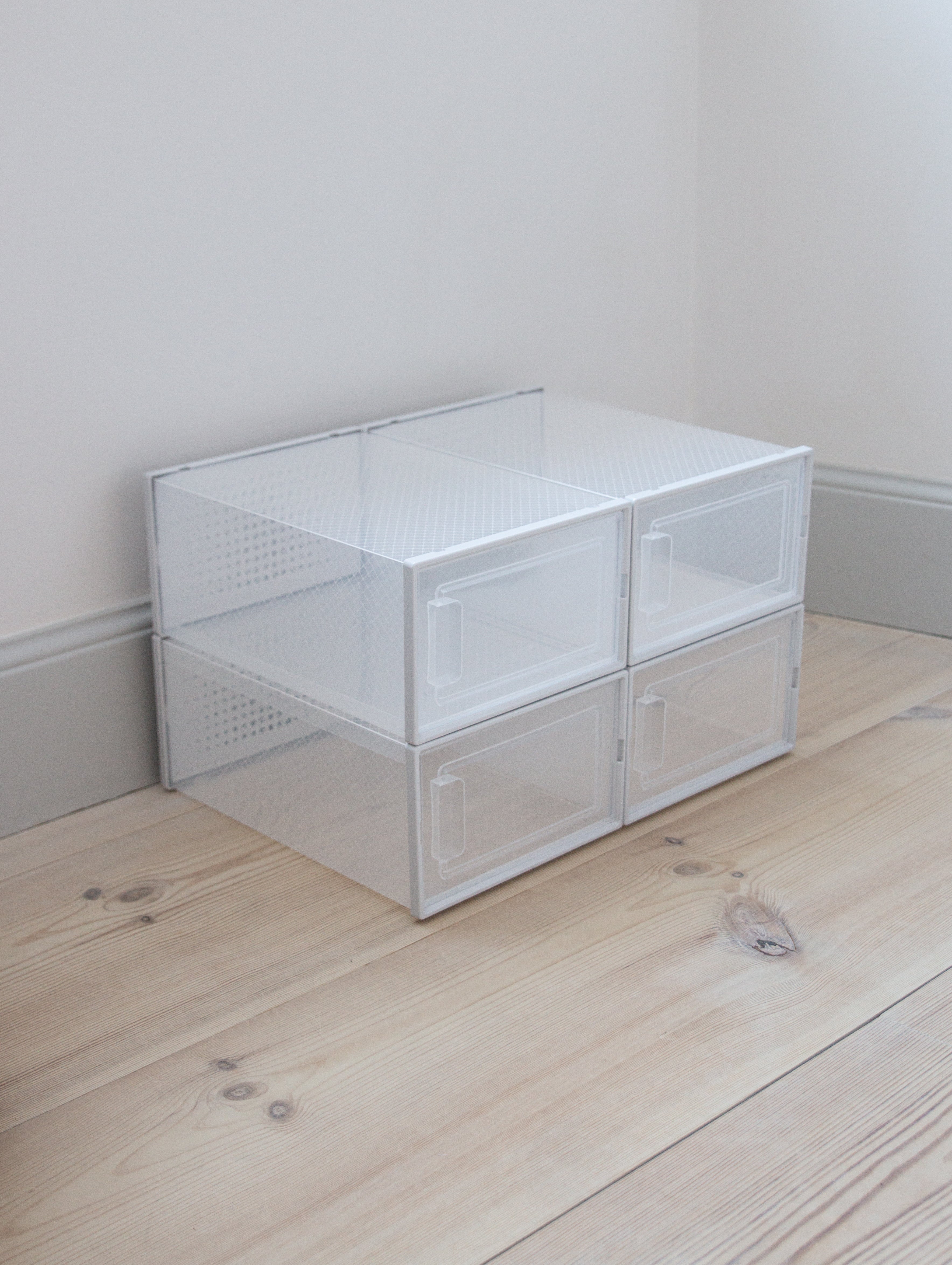
Divide your kitchen cabinet into functional zones so that everything has a fixed place. Use flat boxes for bags and packages, and deeper boxes for taller items such as oil bottles, baking supplies or snack storage. A medium-sized storage box is practical for the breakfast section - keep cereals, crispbreads and bars together in one place. A concrete choice is the white medium storage box , which fits well on standard shelves and gives a calm look to the cabinet.
Wardrobe storage boxes
Create an overview in your wardrobe by giving each shelf its own category. Use small boxes for underwear and socks, medium-sized ones for sportswear and accessories, and larger boxes for knitwear or seasonal items. Line up similar boxes so you can quickly pull out a box, take what you need, and put it back. Find inspiration for systems that suit your wardrobe under Wardrobe .
Boxes with lids - when you want to be able to stack
If you want to take advantage of the height in your cabinets, choose boxes with lids. The lid creates a flat surface, so you can stack and get more space without losing the overview. This makes sense in cabinets with high shelves, where smaller items would otherwise disappear in the height. A practical supplement is the lid for the white storage box , so you can build in levels and keep the categories separate.
Materials and sizes - choose by function
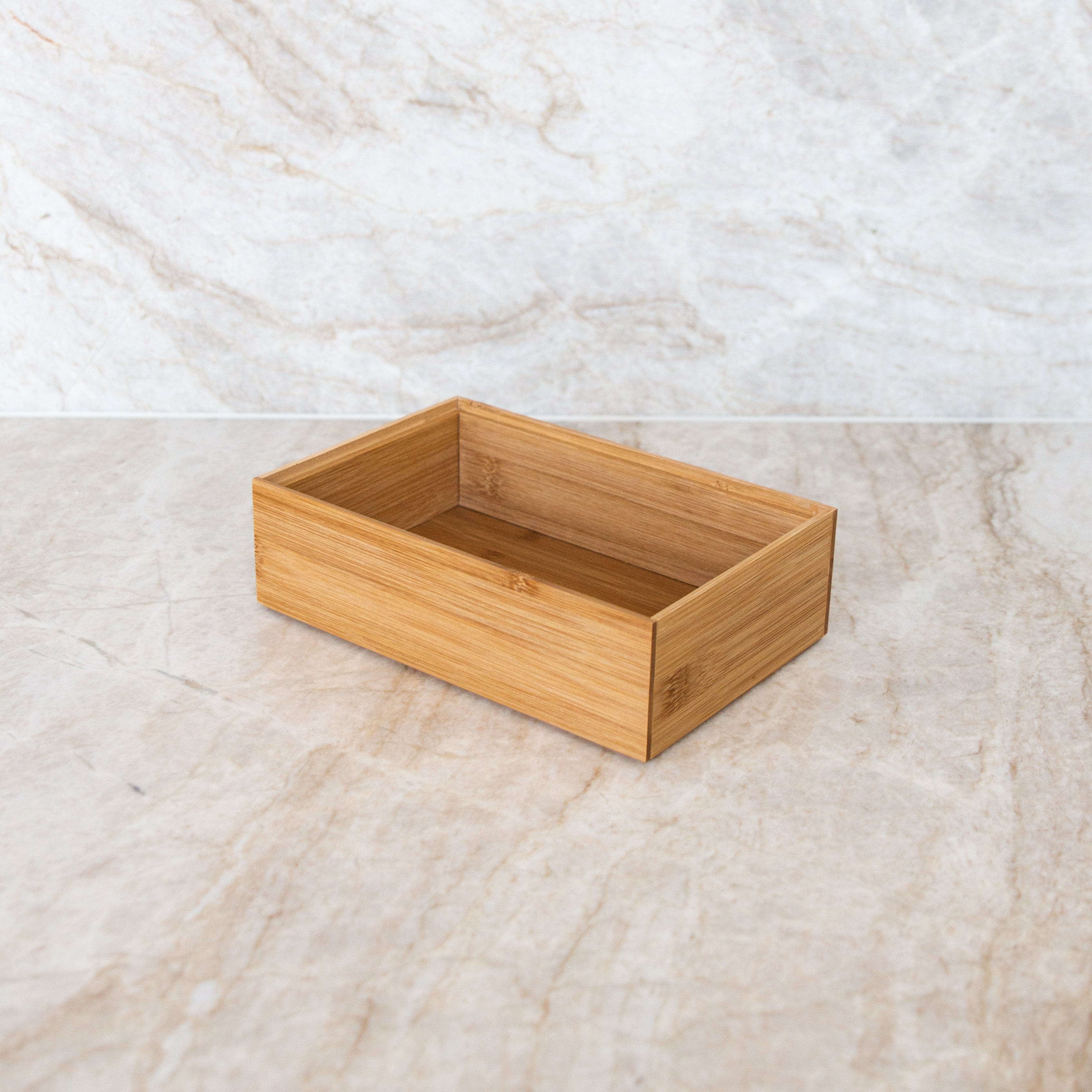
Match the material to your task. Smooth plastic boxes are robust and easy to wipe clean in kitchen and bathroom cabinets, while bamboo boxes give a warm and calm look in the living room or wardrobe. Think in modular dimensions: Choose 1-2 sizes that are the same, so that rows and stacks are aligned. Smaller boxes are good for loose items like tea bags or chargers, medium sizes for the towel rack and larger boxes for textiles or extra storage. For drawers and low shelves, a small drawer box can collect small items so that the drawer remains structured.
How to reach your goal quickly
Create a simple plan before filling the boxes. This will make everyday maintenance easy.
Step by step
- Empty one shelf at a time - you don't have to take on the entire cupboard at once.
- Create quick categories: for example, breakfast, baking, snacks or care, cleaning, extras.
- Measure the shelf - choose boxes that take advantage of the width without squeezing.
- Place the boxes in a logical order: what you use most often is at the front at handle height.
- Supplement with lids where you can stack or have a fixed top surface.
Keep it up.
Take a quick look at your shelf every now and then. Return items to their boxes after use, and adjust categories if your routines change. Small improvements make a big difference over time.
When you choose simple sizes and clear categories, you get cabinets that work for you. Build in height with lids and finish off the drawers with a drawer box, and your next cabinet is ready for the pace of everyday life.