
Plastic food containers make it easy to organize your kitchen, fridge, and freezer. When you work with a few repetitive sizes and stackable solutions, storage becomes simple and visually calm. Here you'll find practical tips on how to choose and use plastic containers so that food items are easy to find, keep fresh, and put away quickly.
Refrigerator bins for food
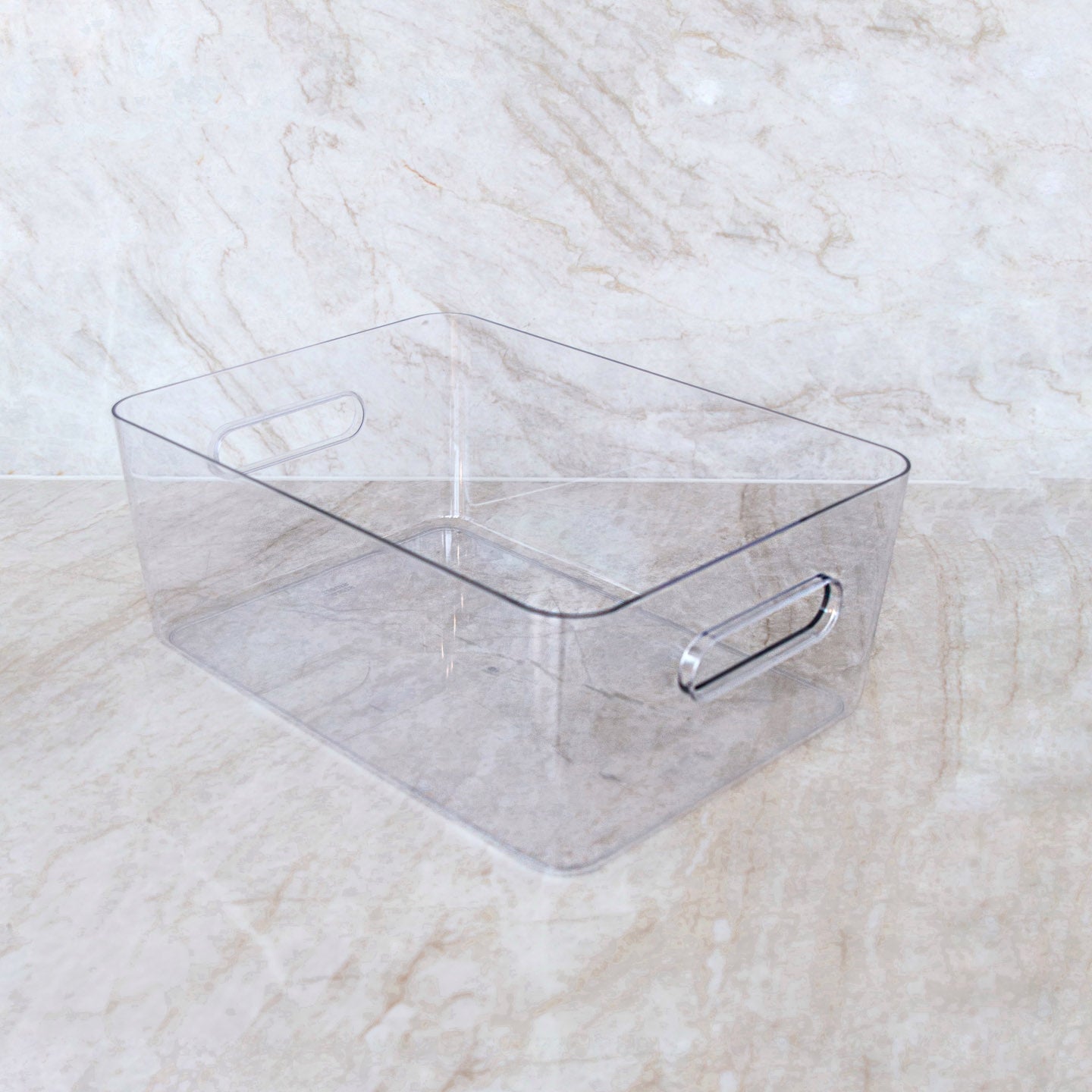
Refrigerator bins group food items into clear zones, so the whole family knows where everything belongs. Think in categories: dairy products, cold cuts, snacks, vegetables, and accessories. Smaller bins are good for berries, snacks, and cold cuts, while medium bins are suitable for dairy products, opened jars, and larger fruits and vegetables.
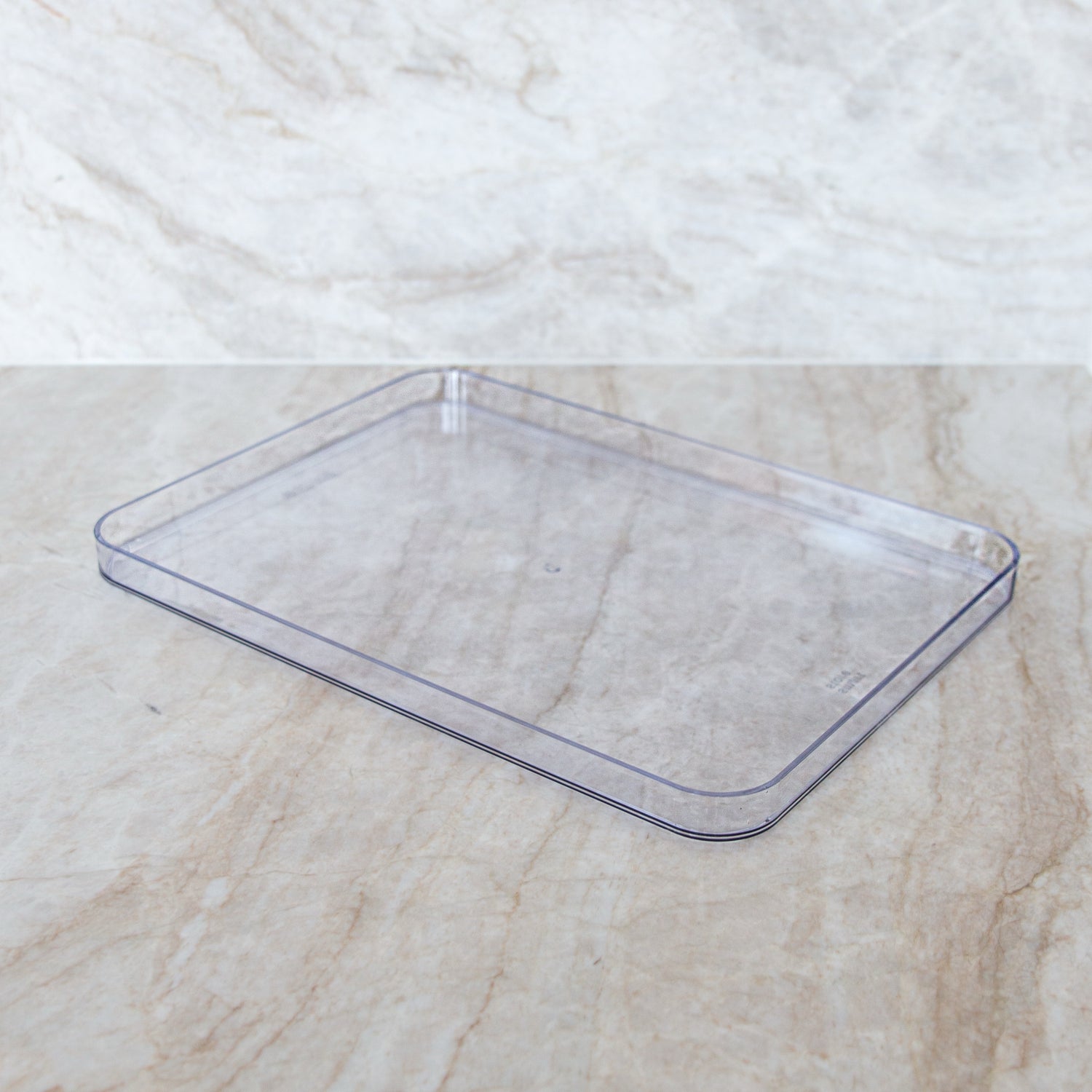
A practical example is the small refrigerator bin, which provides a clear overview of small, loose food items that otherwise create clutter. Choose a lid if you want to utilize vertical space. The lid for the small refrigerator bin allows for secure stacking and keeps each category together. The lids are not airtight, but they make stacking simple. Pull out the bin, get an immediate overview, and quickly put it back in place.
How to organize your refrigerator
Place the bins to suit your routines. Frequently used items should be at the front at eye level. Group vegetables in their own bin so you use what's ready before opening new packages. Stick to a few repetitive sizes for a calm look, and use lids for stable stacking on shelves.
Plastic freezer bins
The same plastic containers can also be used in the freezer. Here, it's about fixed zones and clear systematics so you can quickly see what you have and when it was put in.
Choose fixed zones in the freezer
- Bread: Gather slices and buns in a bin so you can take exactly what you need.
- Vegetables: Keep frozen vegetables together so no bags get lost at the back.
- Pre-portioned meals: Place pre-cooked meals or leftovers in a separate bin, so they're easy to grab on busy days.
Storage containers for dry goods
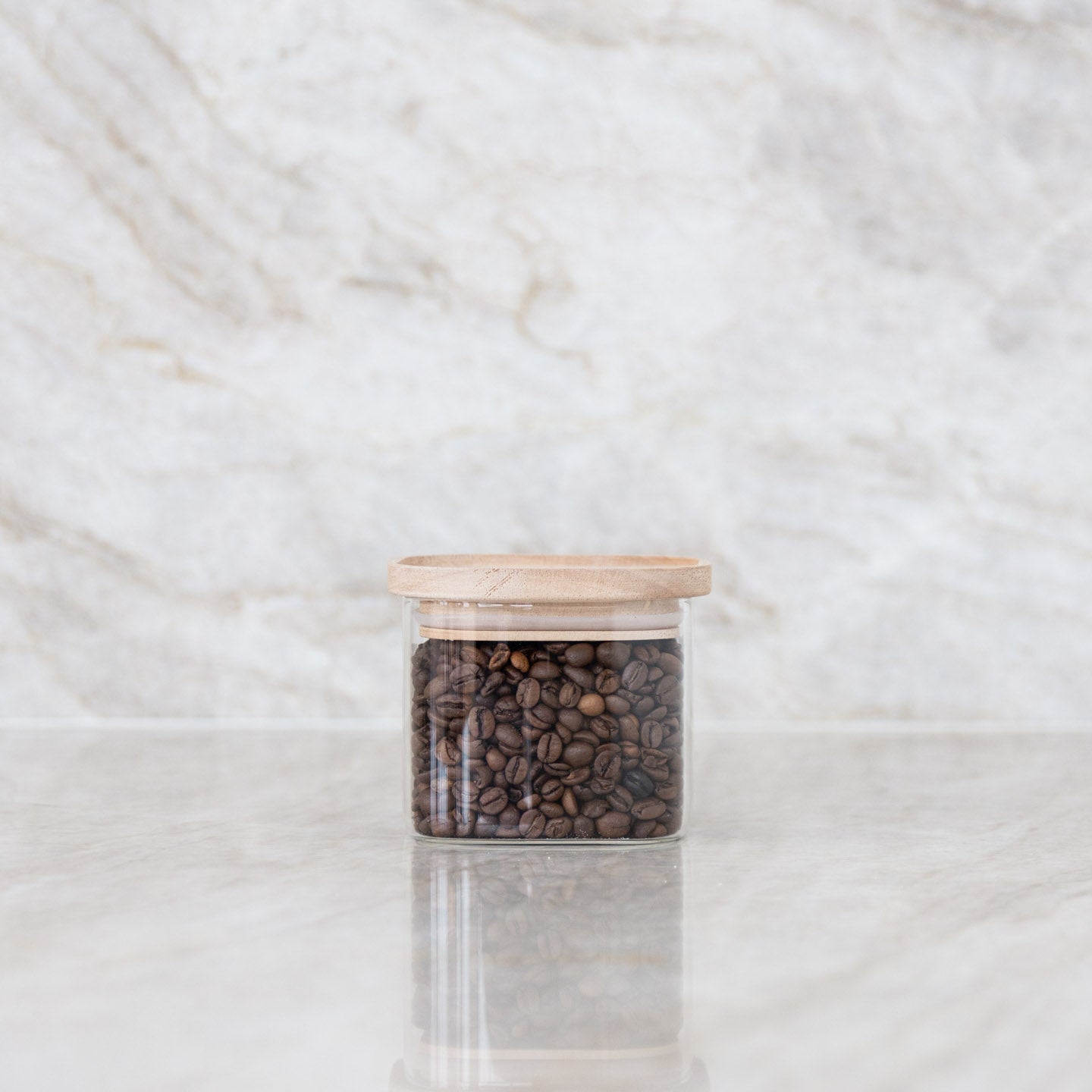
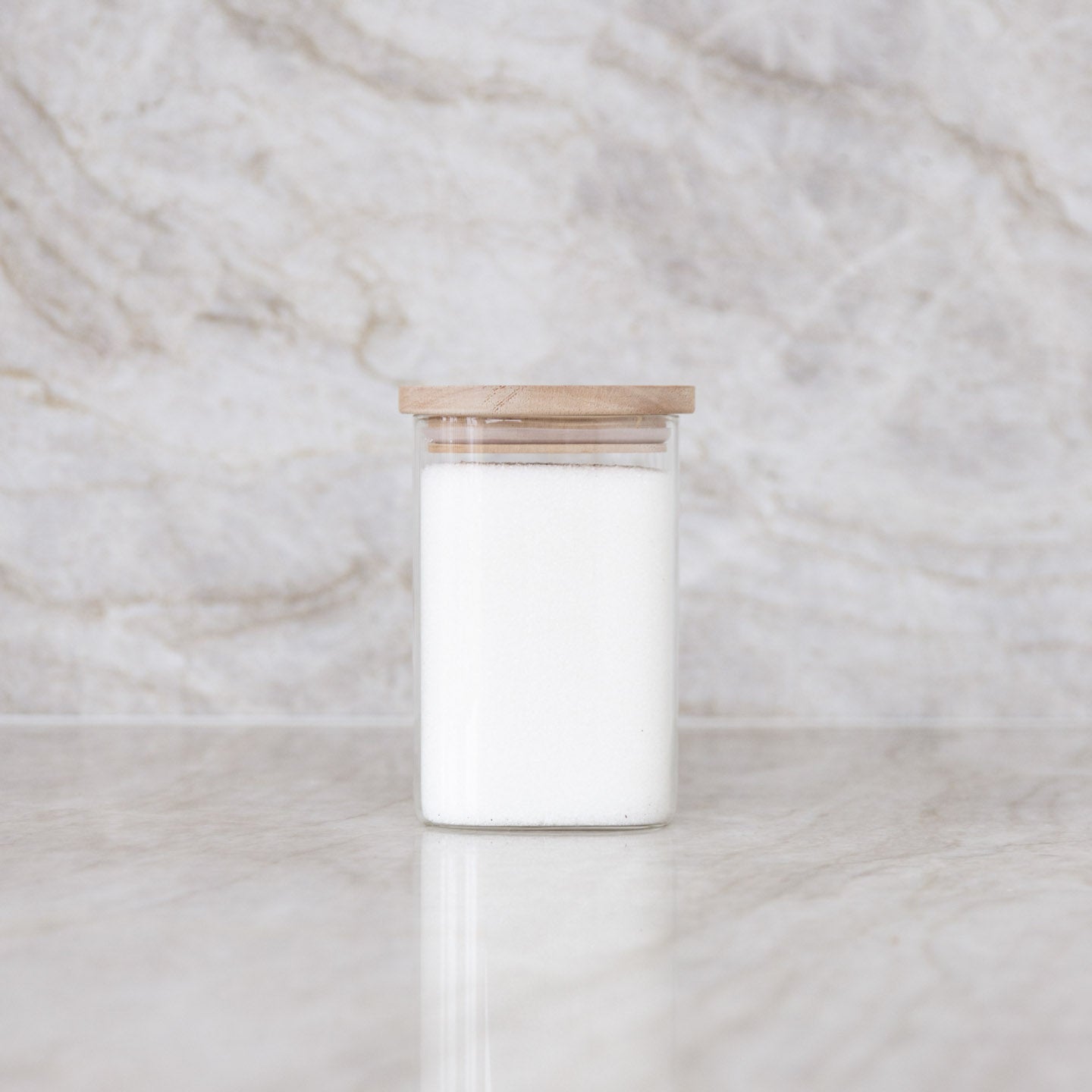
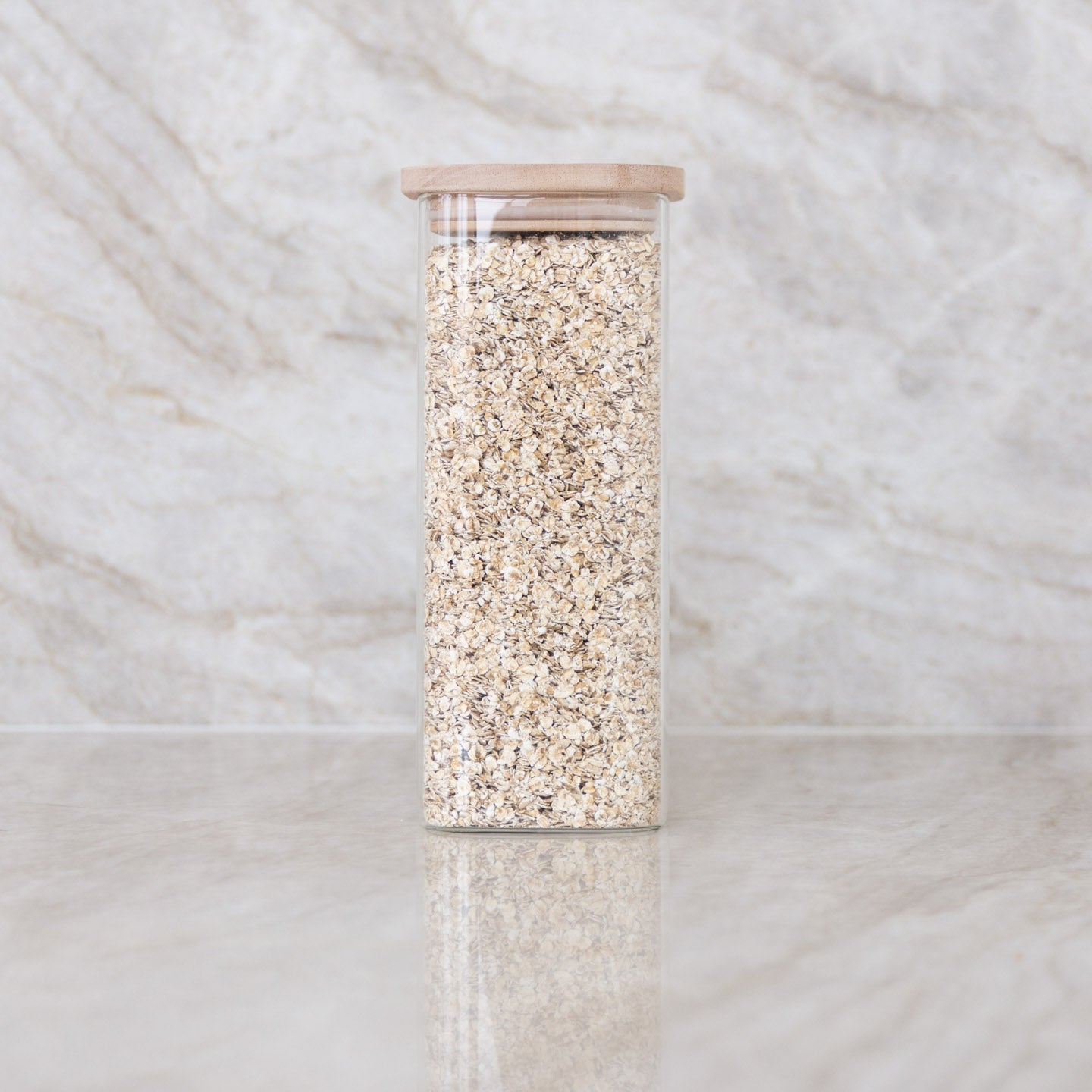
In the cupboard, storage containers bring structure to flour, oats, pasta, and rice. This saves space, looks tidy, and makes it quick to refill. Choose a few sizes that can stand side by side and be stacked. The Gastromax storage container 1.6 litres is suitable for pasta and breakfast cereals, while smaller variants are good for nuts and seeds. Place the most used items at the front and keep rarely used items on the top shelf, so daily life flows better.
Practical zone division in the cupboard
Group dry goods by use: baking in one place, breakfast in another, and dinner staples in a third section. This shortens reach, meaning you don't have to move the entire cupboard to get what you need.
Stackable solutions for meal prep
Create a small system for prepared food so you always have something ready. Use one bin for cut vegetables and another for pre-cooked staples like rice or pasta. Put lids on so the bins can be stacked, and place them together on one shelf. This makes it quick to pack lunch boxes or mix a quick salad.
Accessories for quick access
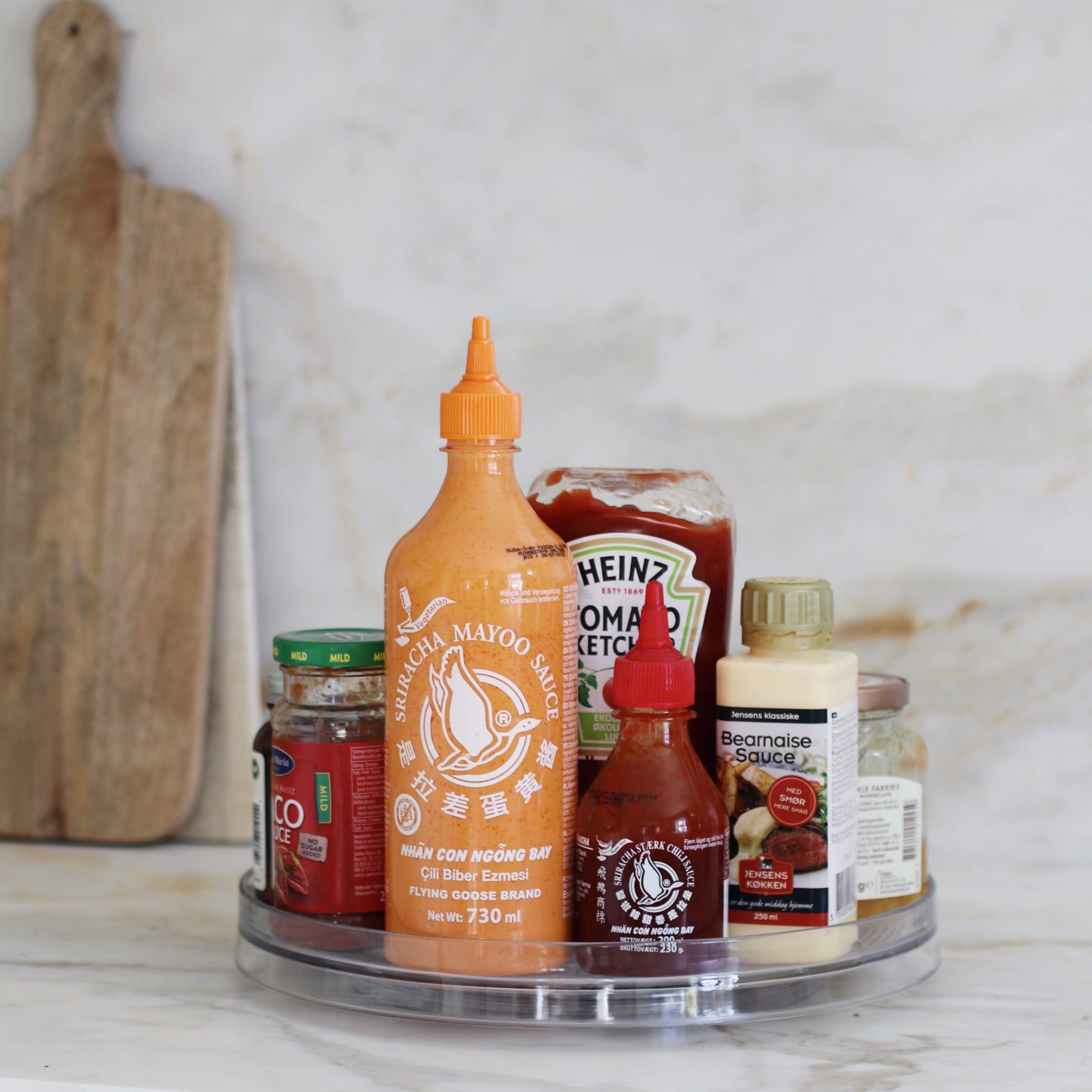
Rotating solutions can supplement plastic containers when small jars and accessories otherwise create clutter. A plastic turntable with a high rim on a refrigerator shelf provides quick access to, for example, dressings and pesto. If you want to get started all at once, a refrigerator pack can gather the most used containers in a matching set, making it easy to create a uniform system.
Use the same pattern everywhere
Repeat the same logic in the refrigerator, freezer, and cupboard. Few basic sizes, fixed zones, and lids where it makes sense. This creates visual calm and a more fluid kitchen routine. When everything has its fixed place, it's easy to put items away and just as easy to find them again.