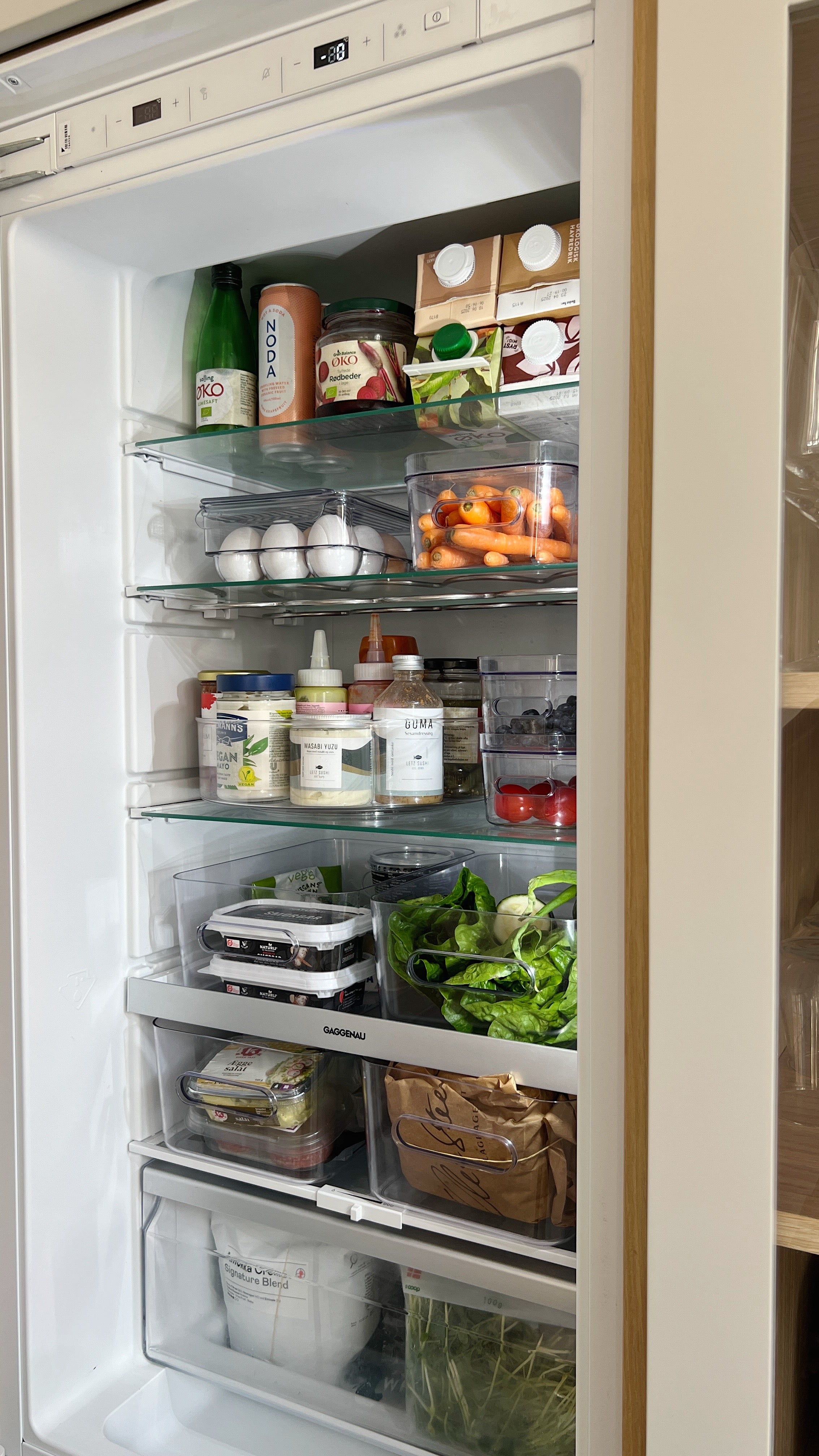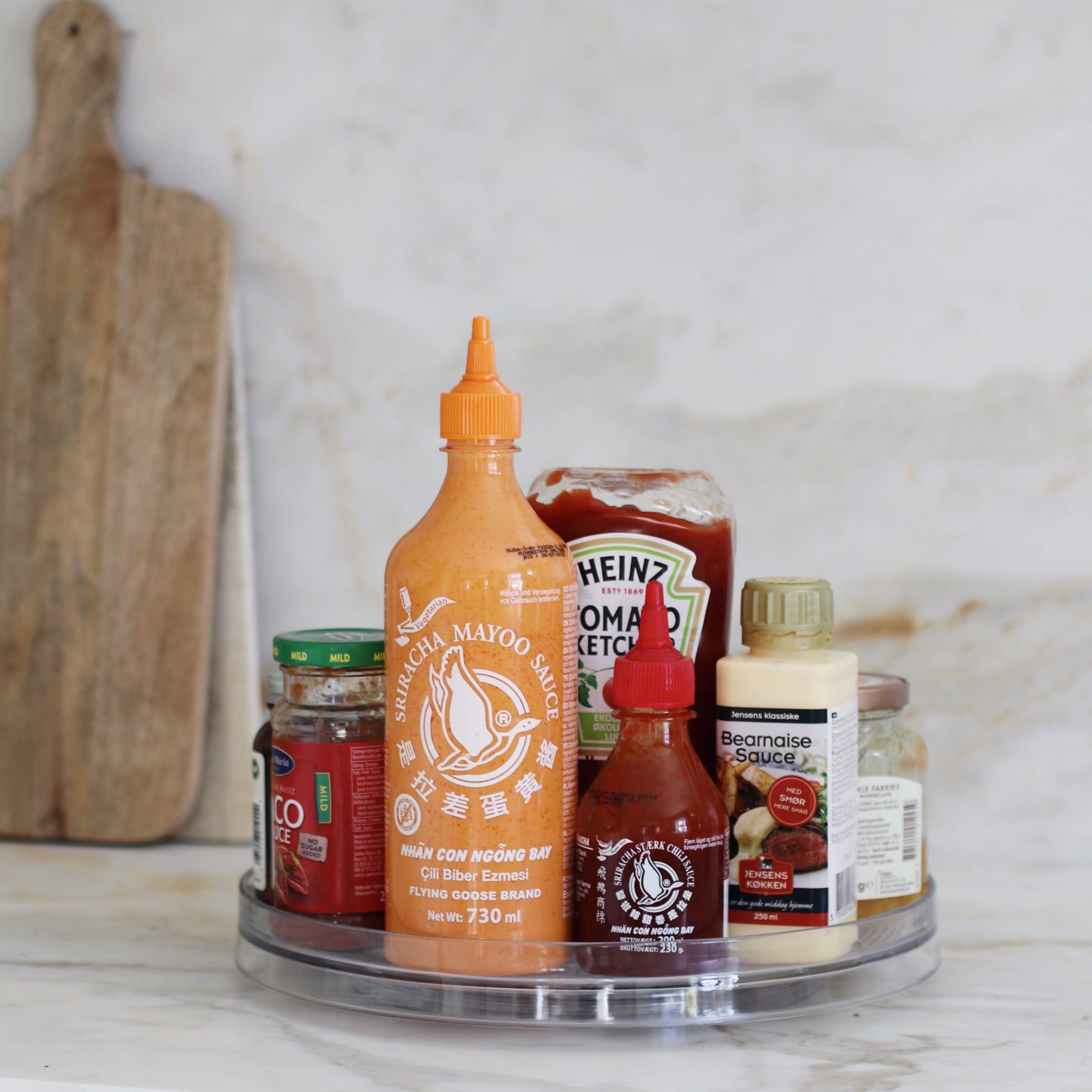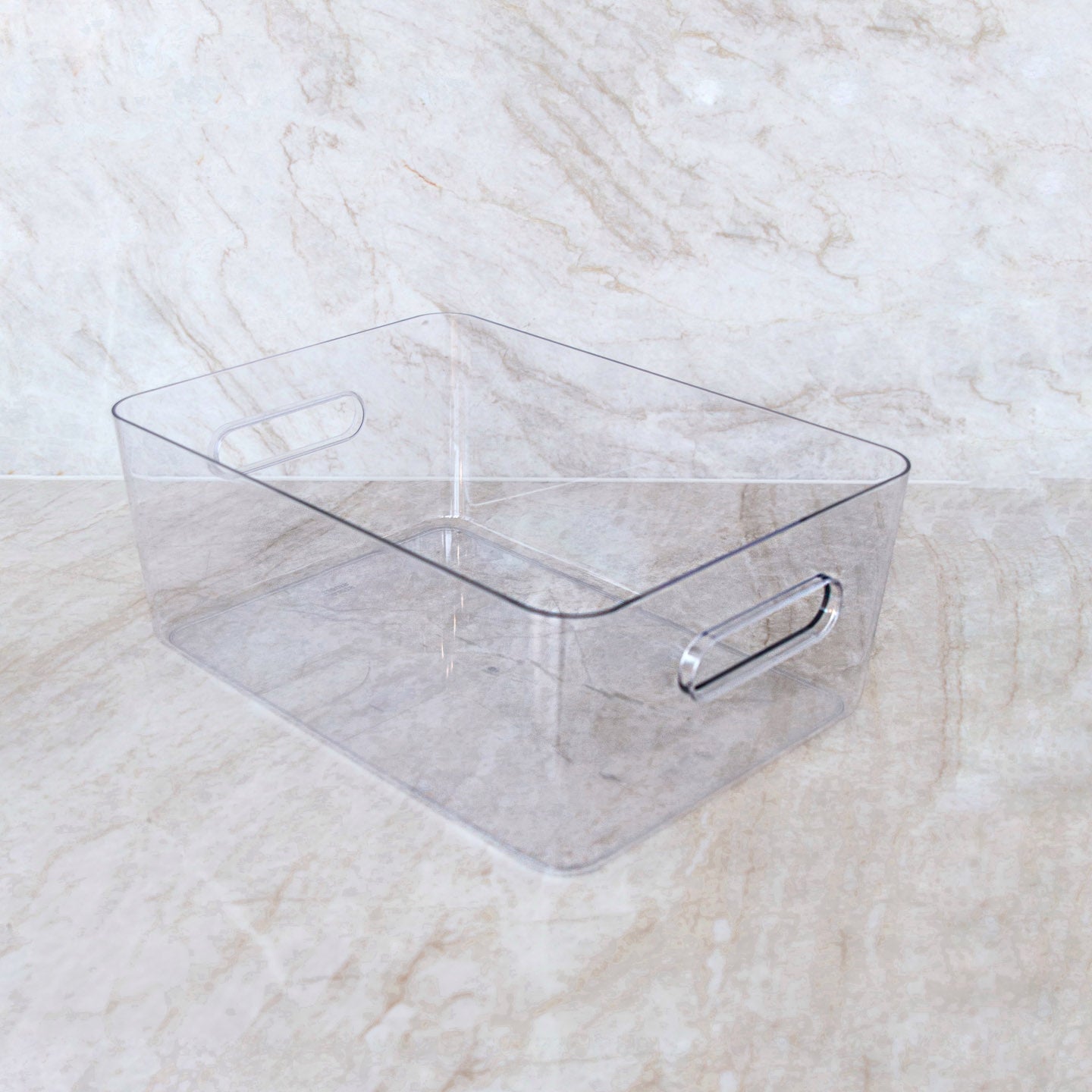

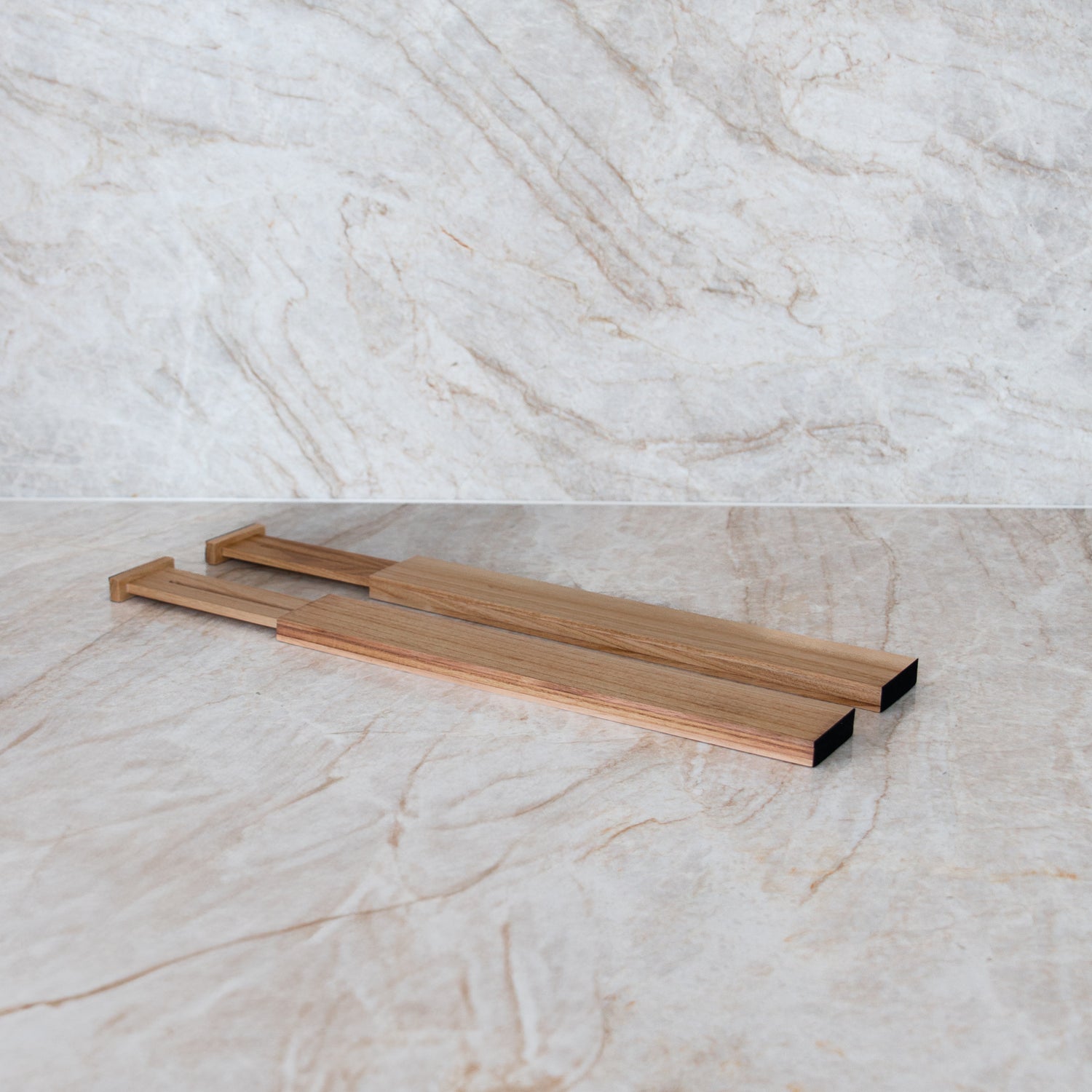
A good drawer insert provides peace of mind, overview, and quick access to what you use every day. With fixed compartments and zones, you avoid clutter and utilize the entire width and depth of the drawer. Think in repetitions and simple series, so the contents look uniform and are easy to maintain. Start by measuring your drawer, choose a few sizes, and let each space have one clear function.
Drawer divider in the kitchen
In the kitchen, a drawer divider works best when it separates cutlery, utensils, and daily small items into clear sections. Place knives, forks, and spoons in their own rows, and give food clips, bottle openers, and measuring spoons a combined zone. If you have deep drawers, a modular solution with several rows can provide extra overview. Look for simple dividers in wood or robust plastic that can be combined crosswise. If you want to expand with small storage items, you will find a varied selection of drawer dividers in the miscellaneous category.
Spice drawer with a system
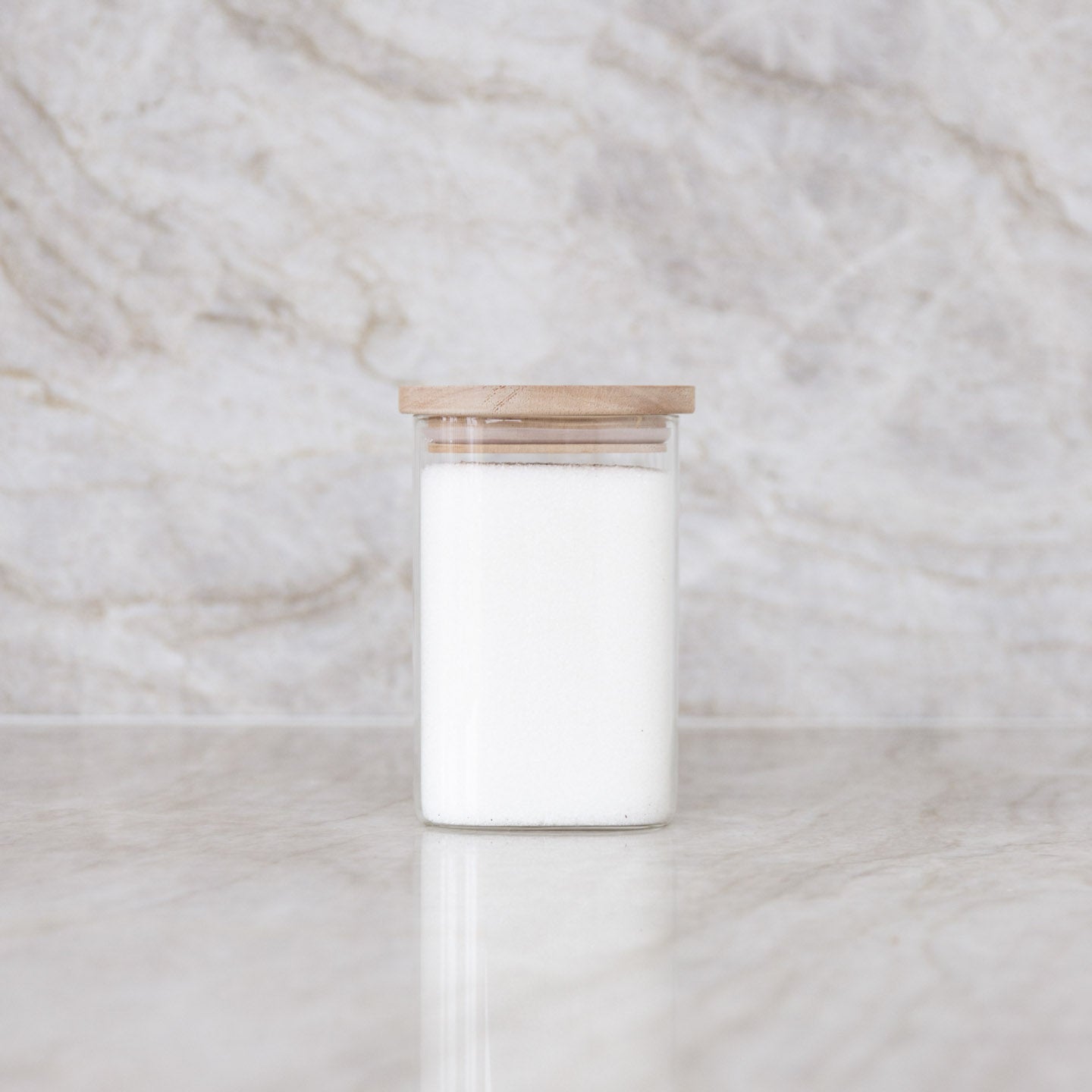
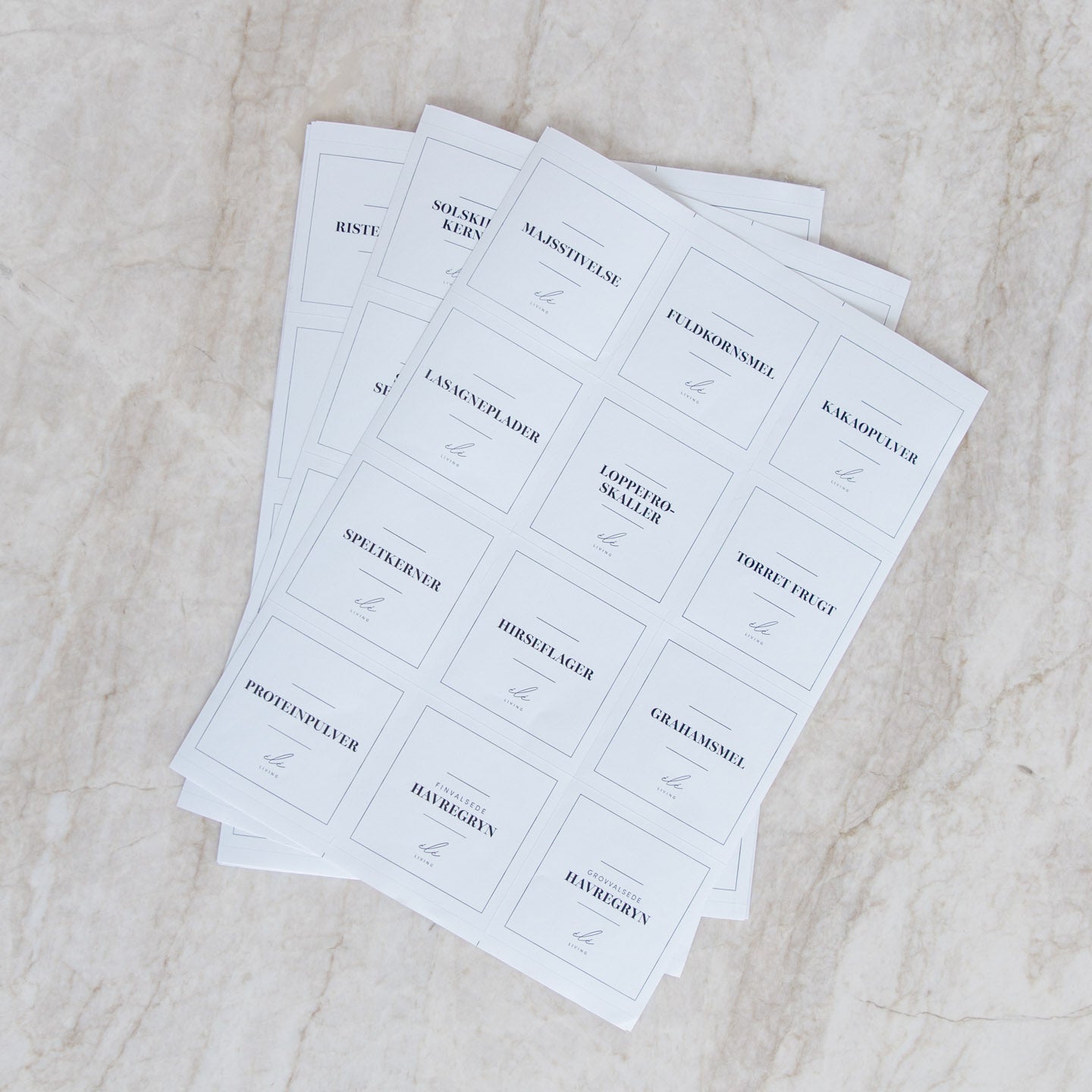
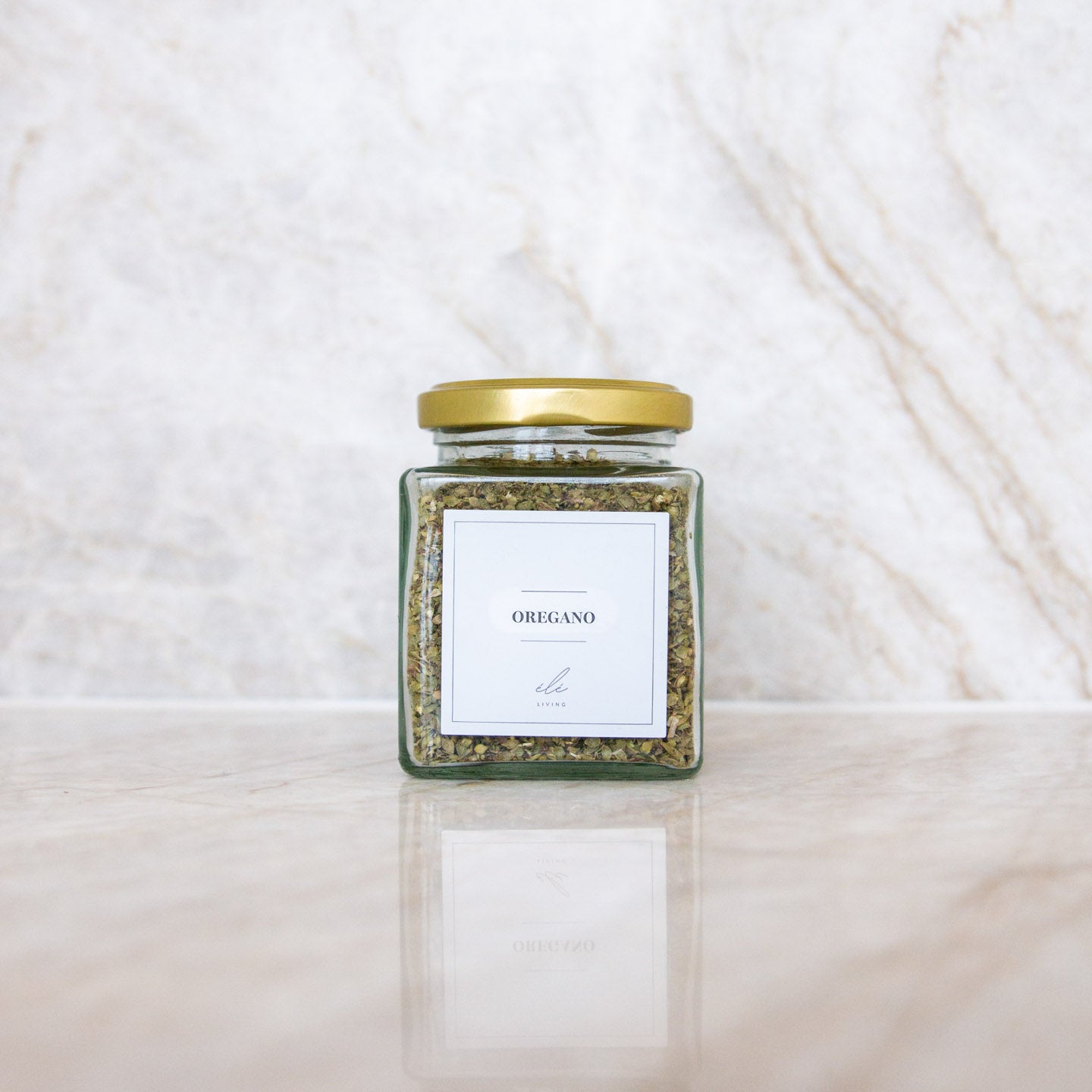
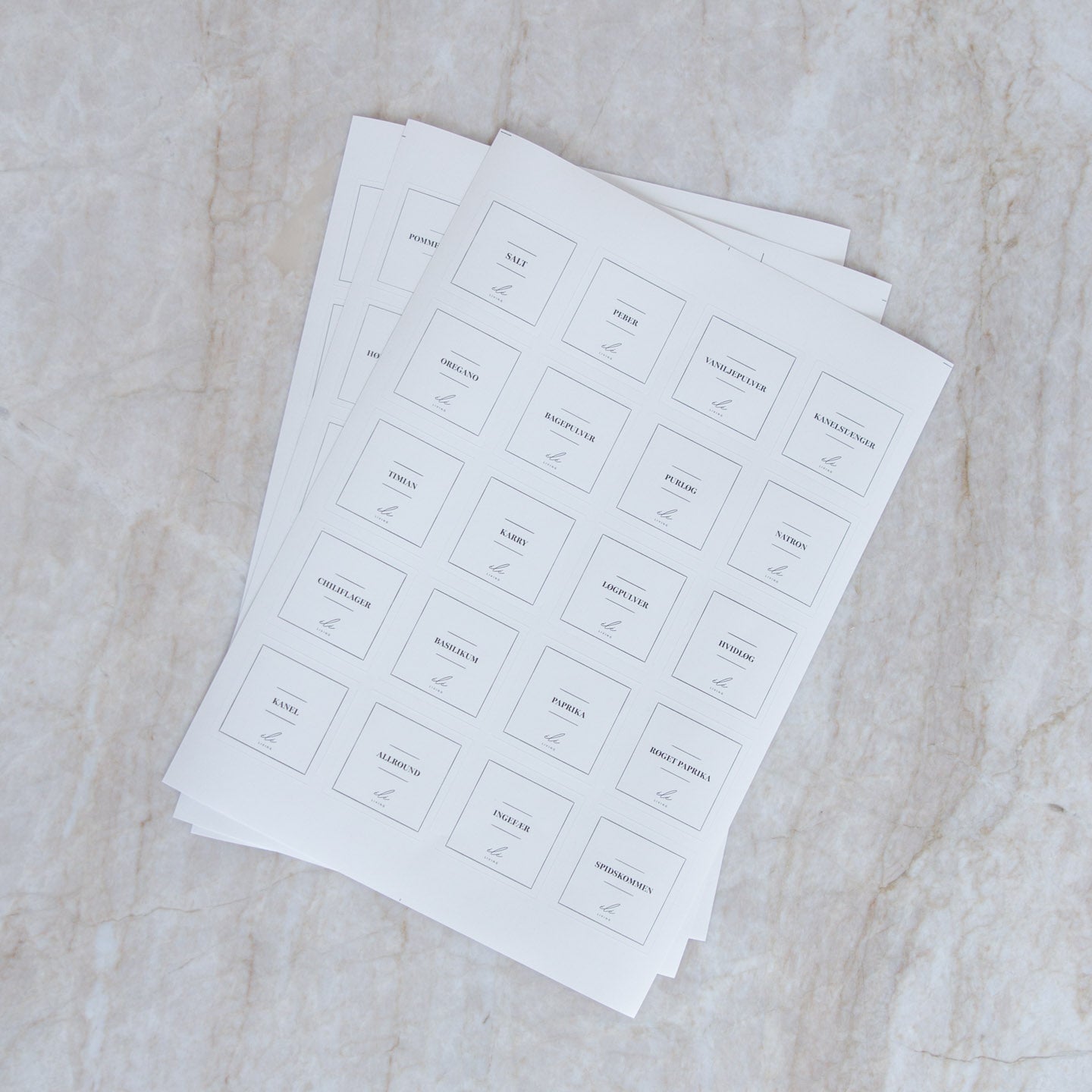
A spice drawer works best when all jars have the same shape and height, so the labels face upwards and are easy to read. Sort by type or kitchen habit, for example, basics, baking, and strong spices. Uniform jars create calm, and you can easily see when something needs refilling. See the selection of spice jars and accessories. Feel free to add simple labels to the lids so you can read the contents in one movement – labels.
Drawer insert in the bathroom
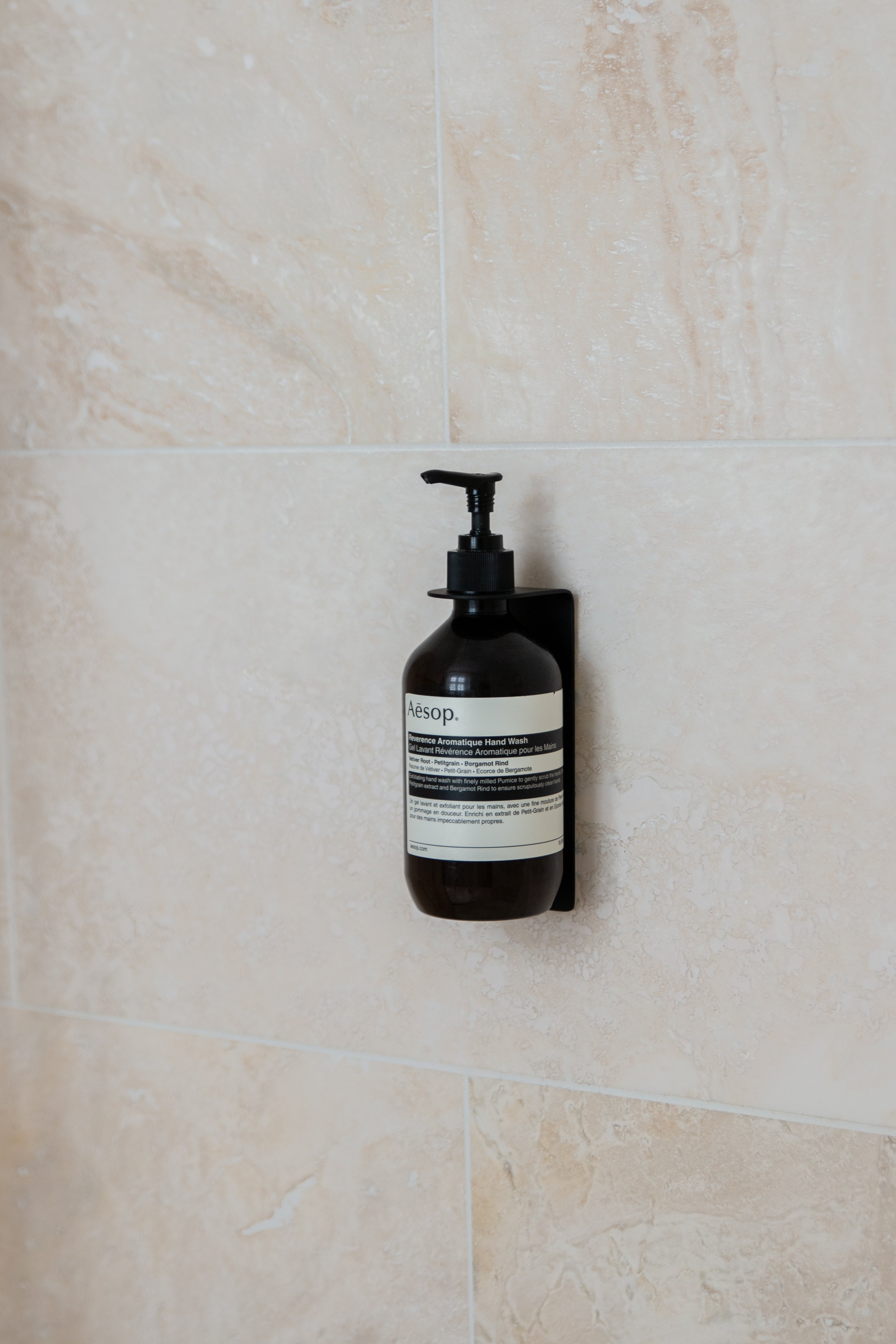
In bathroom drawers, a fixed division provides space for skincare, makeup, and shaving articles without everything getting mixed up. Choose small boxes for jewelry and hair ties, and slightly larger compartments for creams and brushes. Place what you use daily at the front of the drawer, and let special products be at the back. Stick to a few, repeated sizes for a calm expression. If you supplement with small glass containers, it's easy to see the contents and maintain a neat line.
Materials and a calm expression
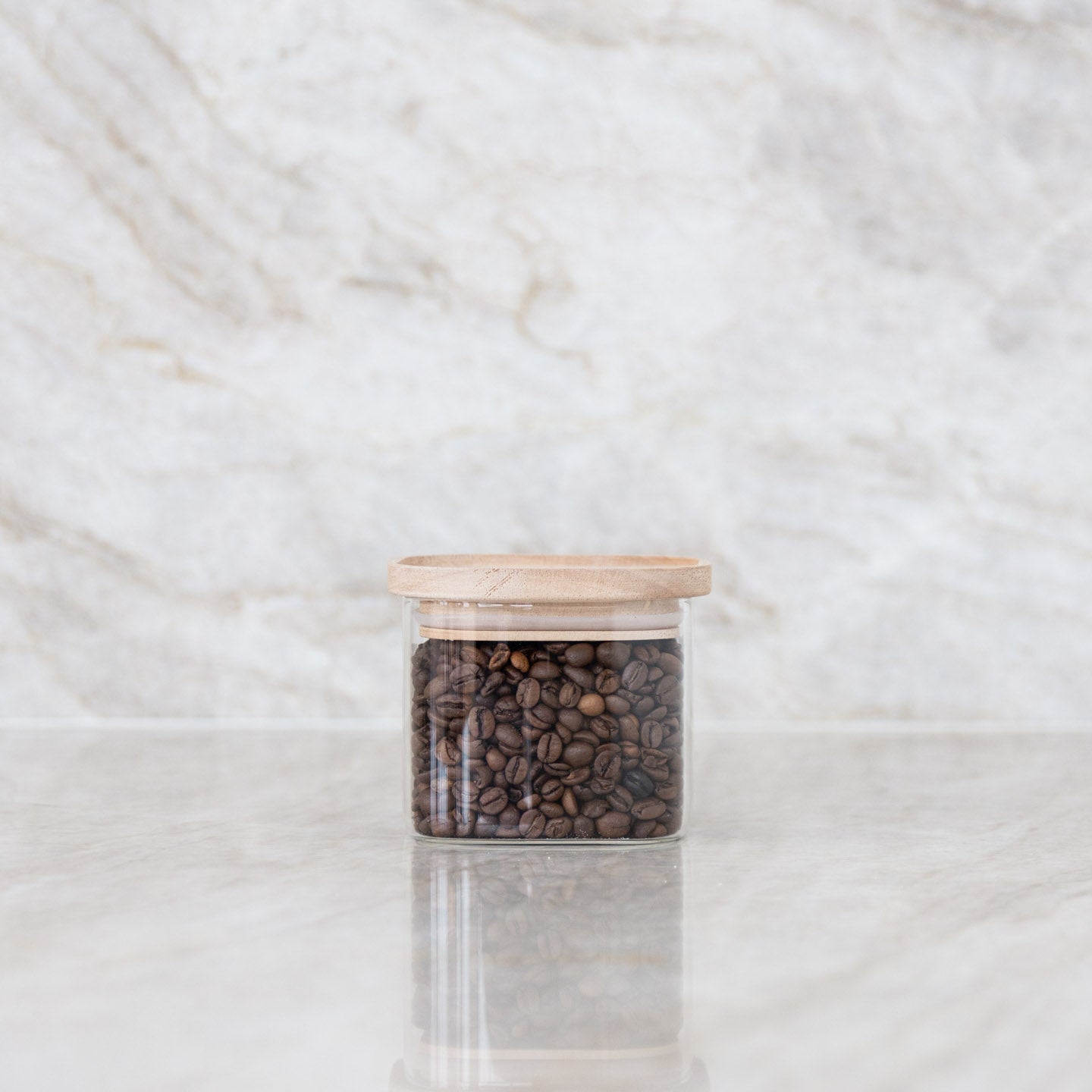
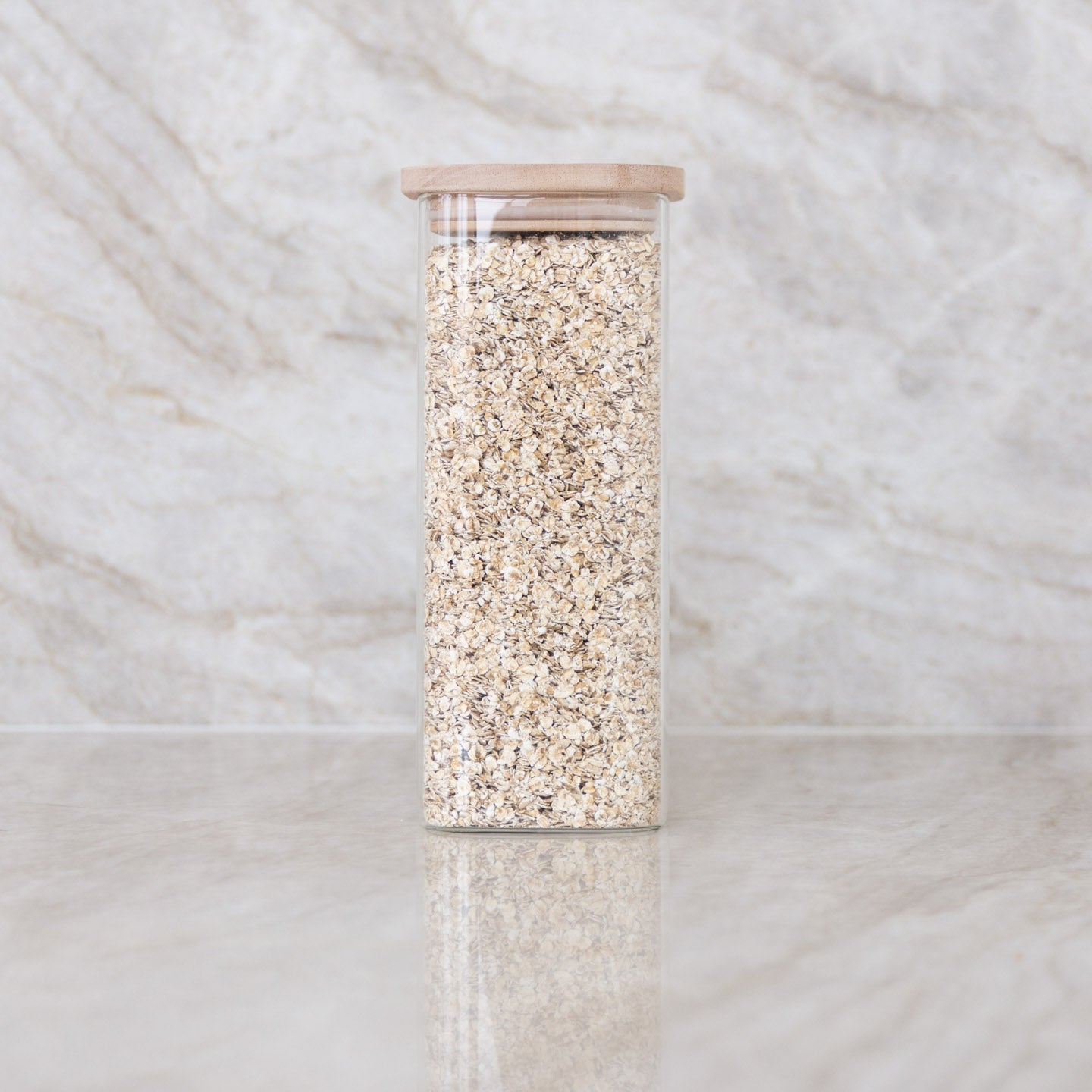
Natural materials like bamboo and glass give a warm and Nordic feel to drawers. Glass containers with matching lids are good for dry foods like pasta, rice, and nuts in cabinets or deep kitchen drawers, because the contents are visible and organized. See the selection of storage jars. Choose consistent materials and colors so your drawers have a cohesive look across rooms.
Planning before furnishing saves time
When planning your drawer insert, the order is important. Spend a few minutes deciding what should actually live in the drawer and how often it's used.
How to get started - step by step
- Empty and measure: Measure width, depth, and height so you choose inserts and modules that utilize the entire drawer.
- Sort by function: Group similar items and deselect duplicates you don't use.
- Choose fixed places: Give each category its own section - it makes it easy to put things away.
- Keep the line: Use a few, repeated sizes and one material for a uniform look.
- Fine-tune: Test for a week and adjust distances and compartments if something often ends up in the wrong place.
One system - multiple rooms
Once you have a well-functioning system, you can copy it to the rest of your home. In office drawers, small compartments can keep track of clips, post-its, and cables, while larger sections hold notebooks. In the wardrobe, a similar division can provide space for belts and glasses at the front and less frequently used accessories at the back. If you need a comprehensive entry to matching solutions across the home, you can find everything in all products and build on with the same series for a calm overall impression. If you want more inspiration for balanced, functional rooms, a short guide can provide new ideas in Feng Shui - book.