
When space is limited, it's all about structure, repetition, and conscious choices. Start by defining zones for what you use every day, and put the rest away in stable, stackable solutions. Repeated sizes and materials create a calm expression and make it quick to put things back in place. Think vertically, actively use corners, and make what you reach for often easily accessible.
Space-saving storage in the kitchen
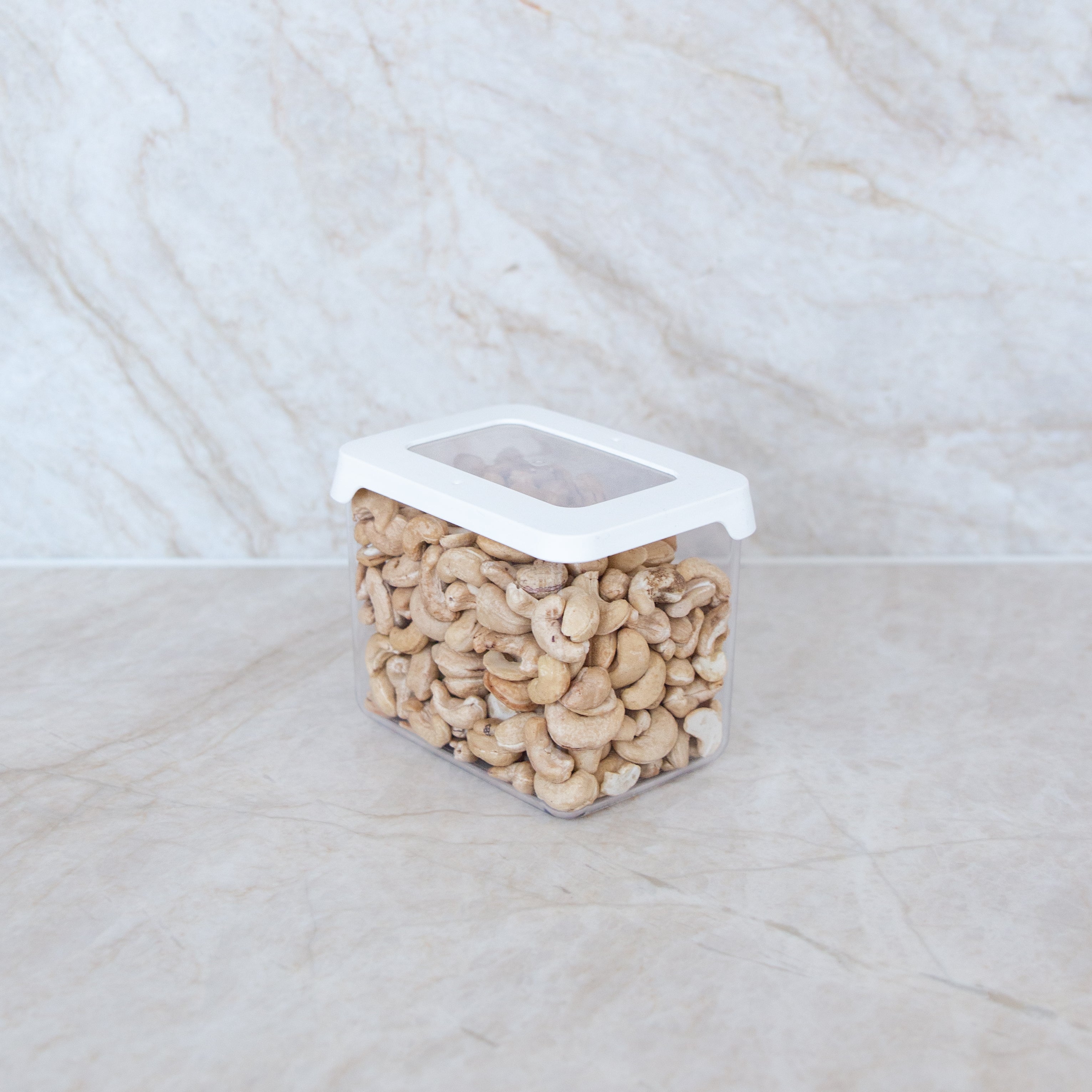
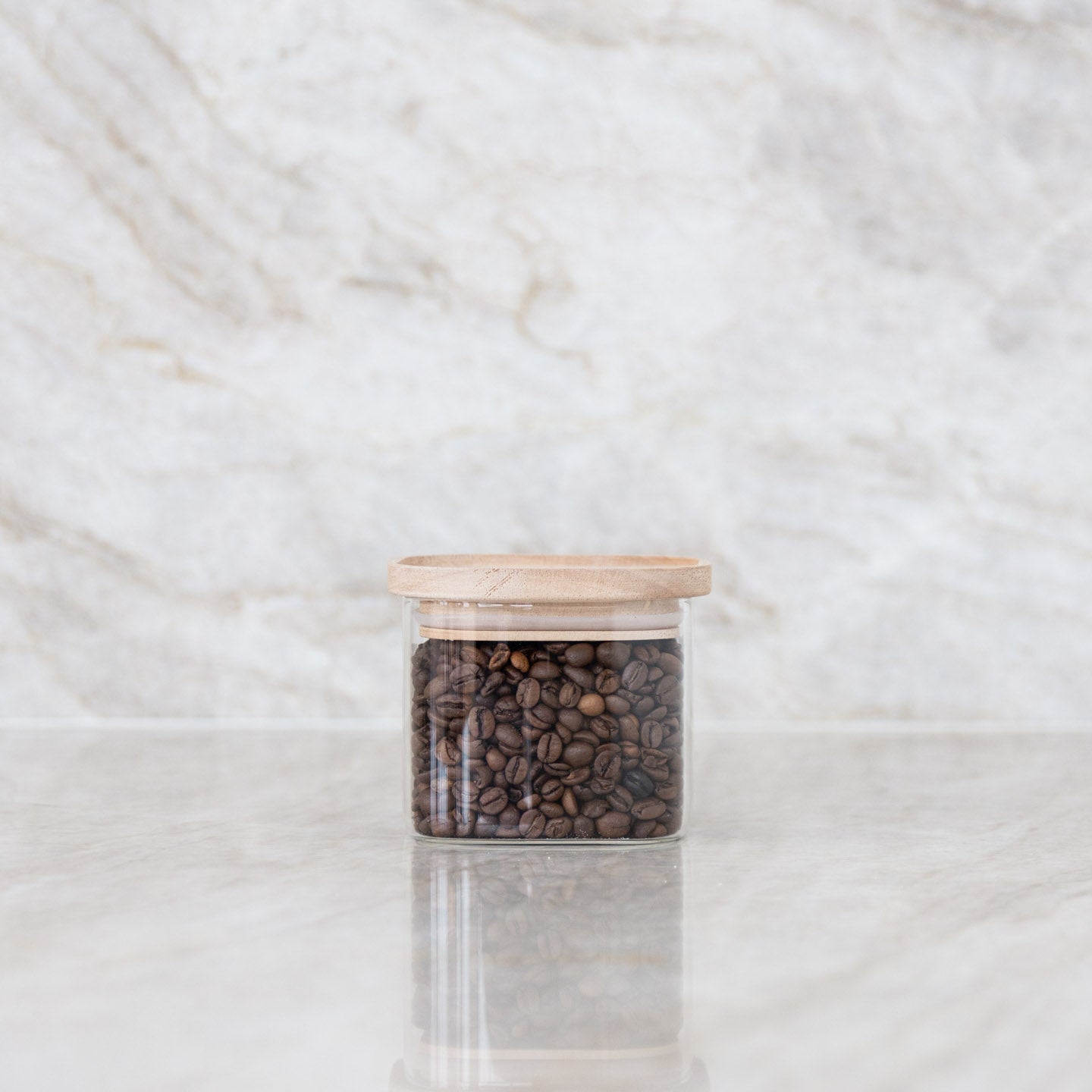
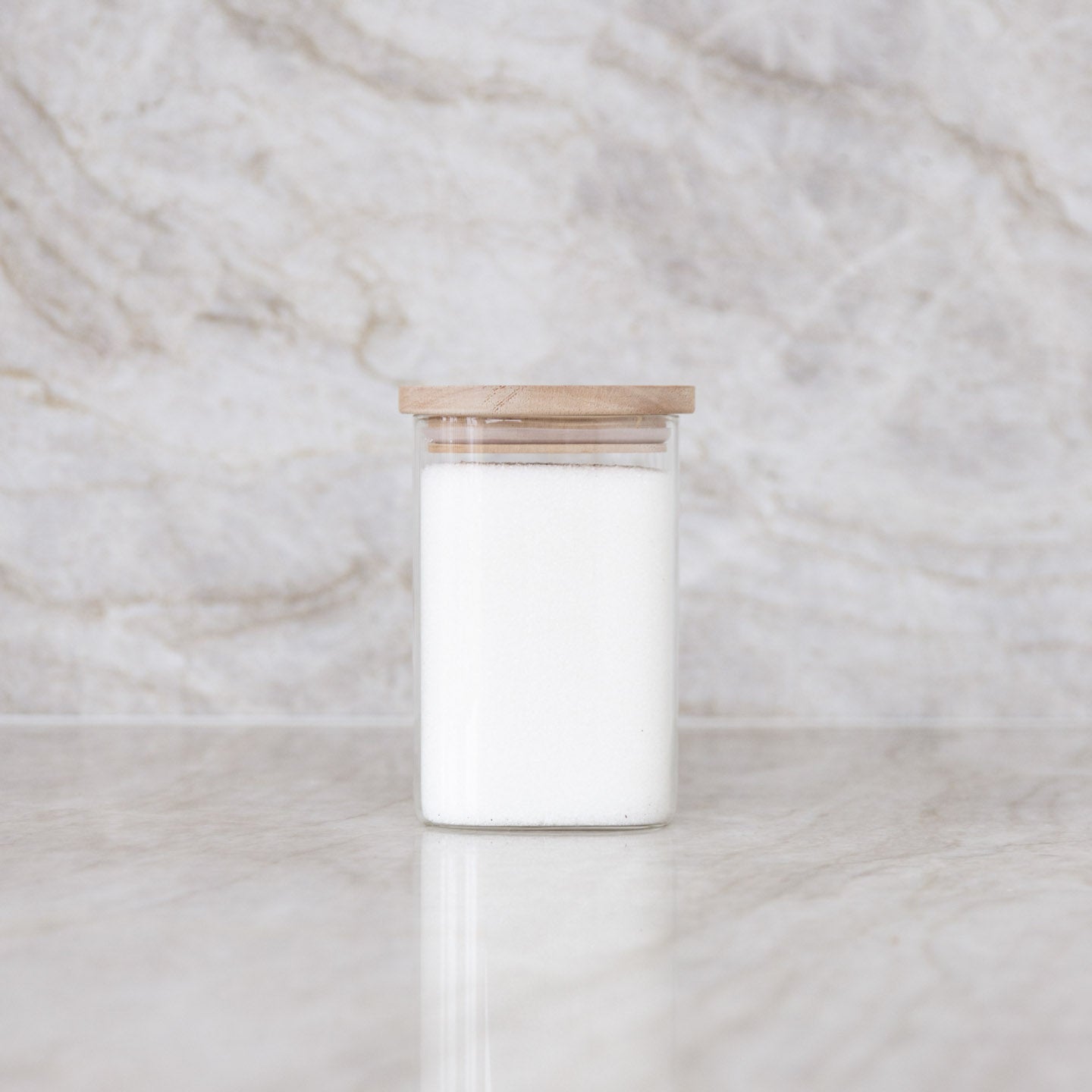
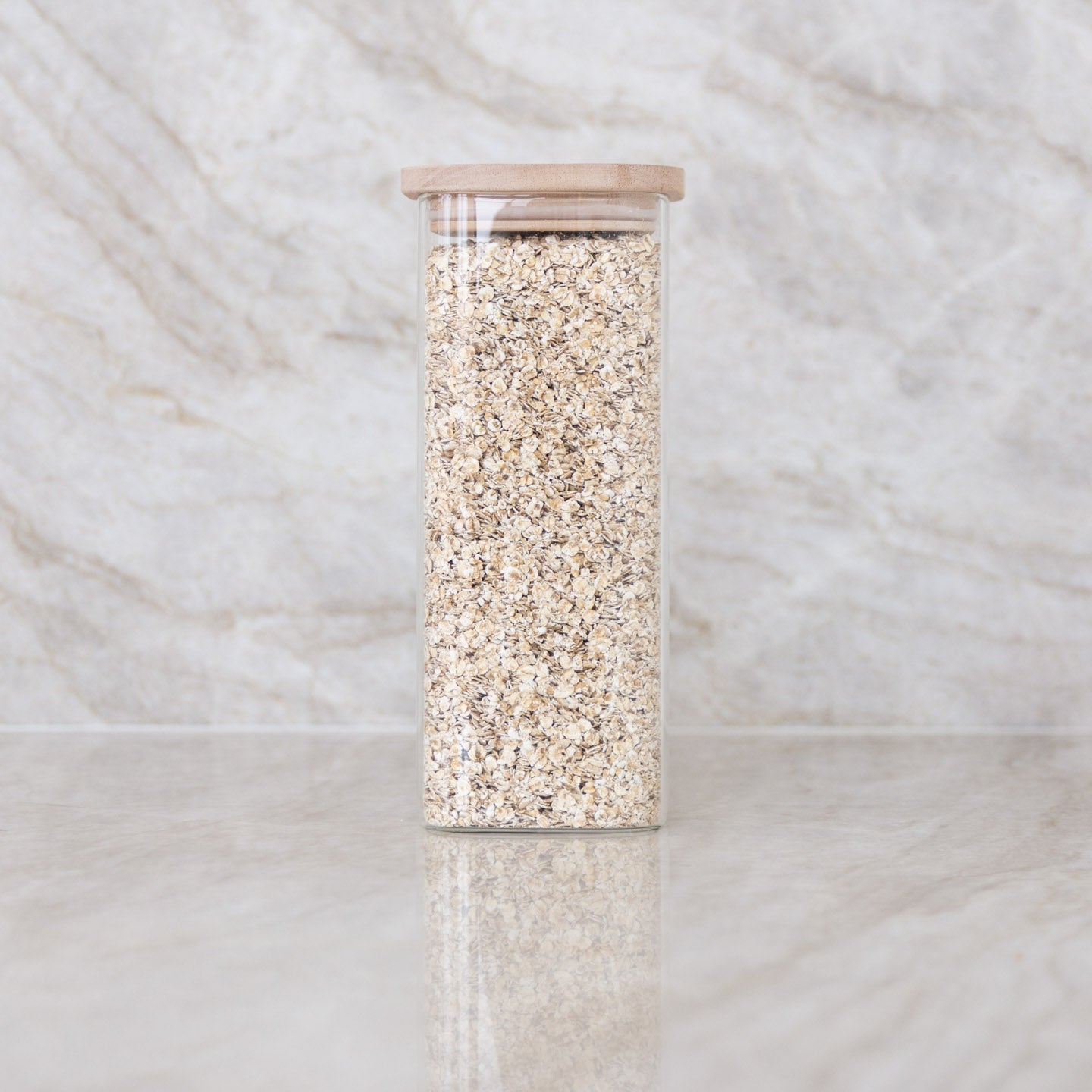
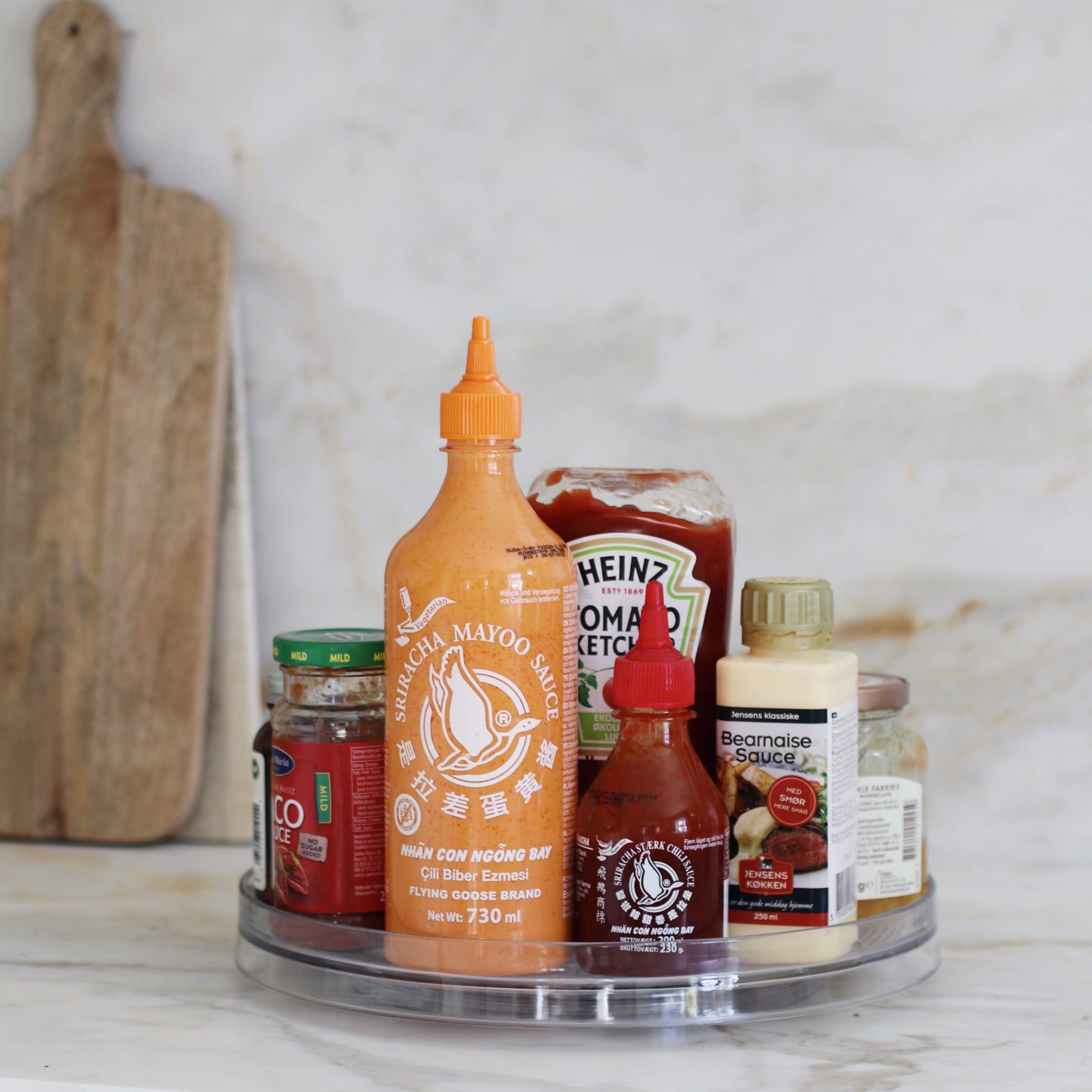
Keep your countertop clear and move storage into cabinets and drawers. Use clear containers so the contents are visible, and choose a fixed location for groceries you replenish regularly. Dry goods in uniform containers are easy to stack, provide an overview, and are easy to keep clean. Jars with lids like storage jars are suitable for flour, pasta, and grains and help keep pests out. A turntable gathers everyday bottles in a single grab and optimizes the use of corners in cabinets.
Here's how
- Choose what lives on the turntable
- Bottles: oil, vinegar, and soy sauce gathered in one place.
- Spices: the most used spice jars in the outer circle.
- Serving: small bowls and toothpicks, so they don't get lost at the back.
Refrigerator organization for an overview
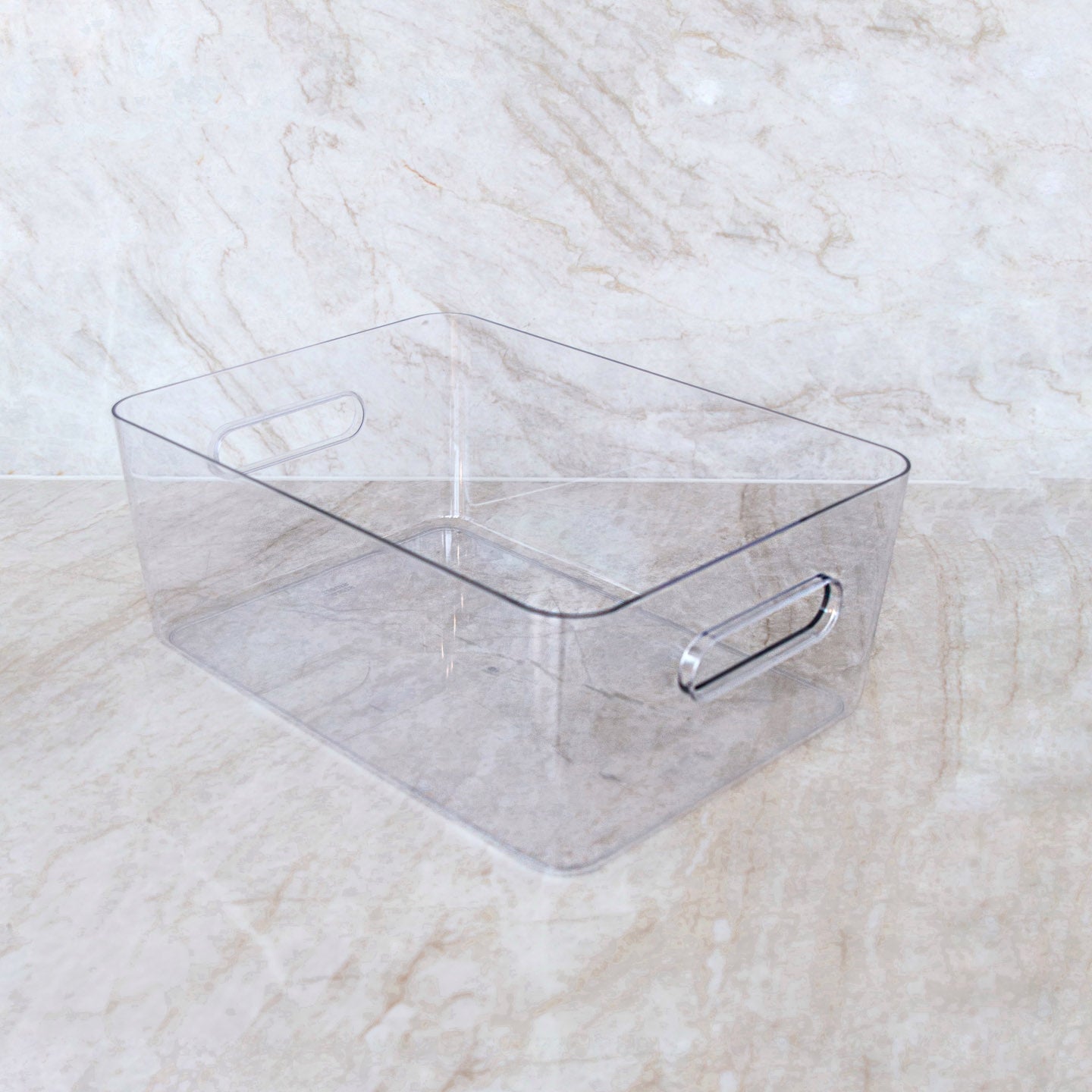
Think in fixed zones from shelf to shelf, and use boxes so small items don't slide around. Refrigerator boxes can be closed with lids and stacked - this provides a smooth surface and frees up space above the boxes. When you pull out the box, it's easy to see the contents and put it back in place. Small boxes are good for snacks and cold cuts, medium sizes for dairy products, open jars, and larger fruits and vegetables. Place the boxes inside the shelves in the refrigerator and keep the same category together for quick replenishment. Refrigerator boxes can also be used in the freezer if you want to group items and prevent small bags from disappearing.
Step by step
- Choose 2-3 sizes of boxes that fit your shelves.
- Put lids on each box and stack them where height allows.
- Place daily items at eye level.
- Use the front box as "first in use" to keep items circulating.
Wardrobe in a small space
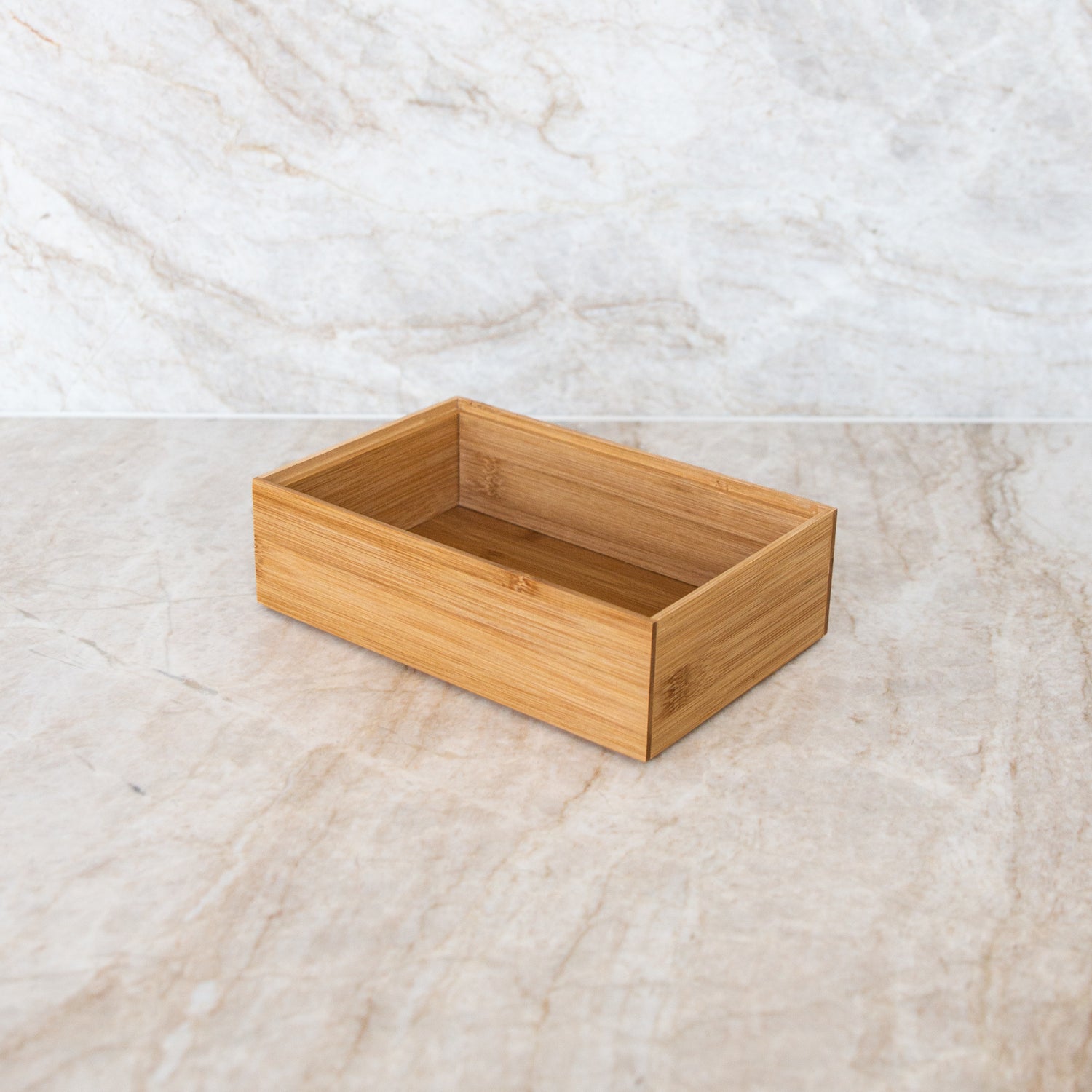
In a small closet, you gain the most by utilizing height with stackable boxes. Stick to a few repeated sizes: small boxes for socks and underwear, medium for T-shirts and workout clothes, large for knits or bedding. Lids provide a calm expression and make it easy to stack. Place the most frequently used boxes at eye level and seasonal textiles at the top. A fixed zone for "ready for tomorrow" makes the morning routine quicker.
Practical placement
- Bottom: heavy boxes with knits or spare duvets.
- Middle: daily clothes in medium sizes.
- Top: rarely used textiles in large lidded boxes.
Bathroom - utilize walls and corners
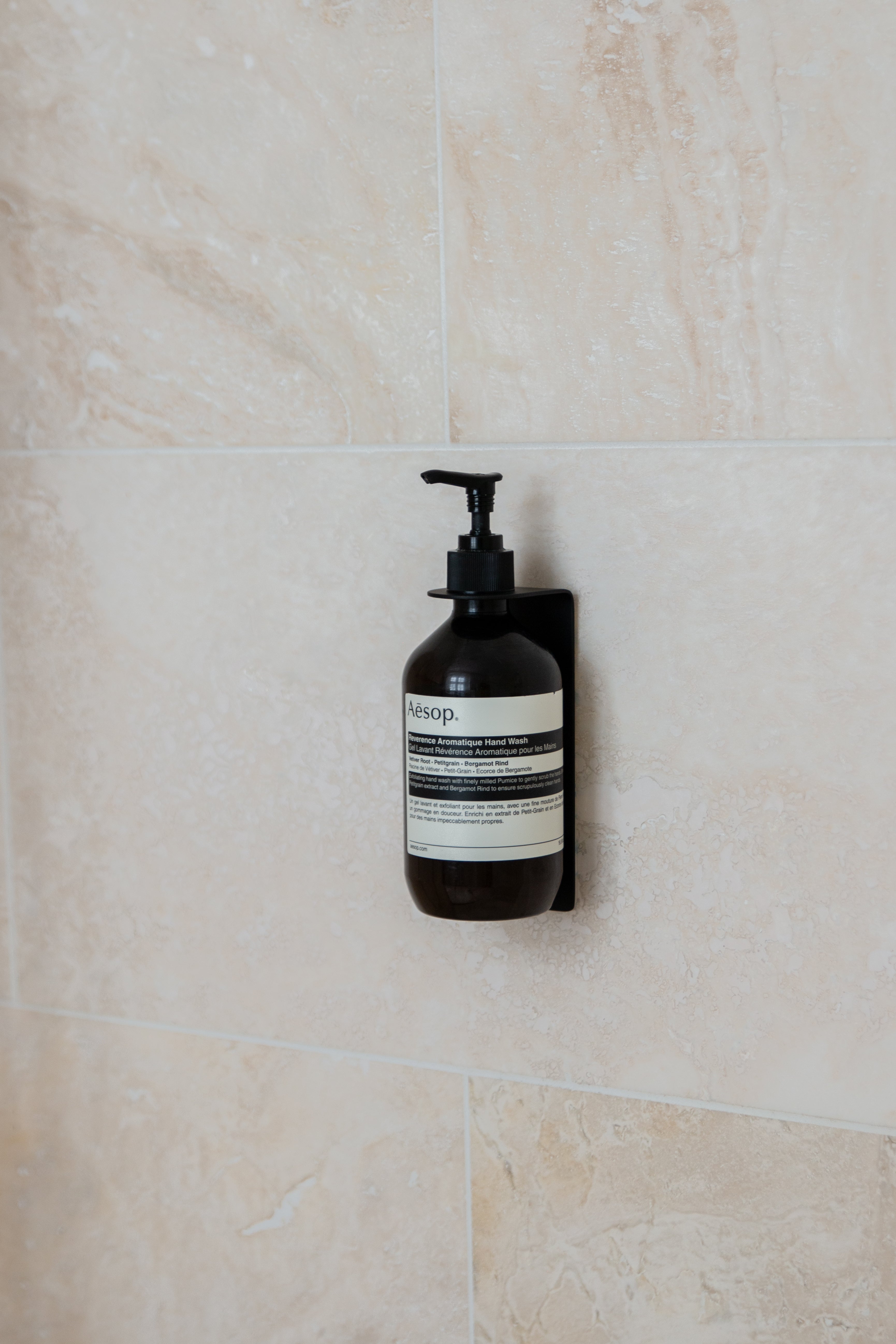
Small bathrooms become more functional when storage is moved onto the wall. Self-adhesive shelves provide extra space without drilling - follow the installation guide for correct mounting. Place daily products on the most accessible shelf and extra stock higher up. Hooks free up cabinet space and gather accessories, keeping the counter tidy. Maintain the routine: replenish when a shelf is almost empty and avoid double purchases.
Create calm with repetition and simple zones
Repeated materials and few sizes make it easy to keep things tidy. Choose one expression in the kitchen, another in the wardrobe - and stick with it. Think in zones per activity: cooking, morning routine, workout, laundry. When each zone has its fixed container or box, replenishment and tidying take less time. A turntable in the cabinet, clear boxes in the refrigerator, and stackable boxes in the wardrobe create a harmonious flow in a small space.
Quick start in three steps
- Choose one room and two product categories to start with - for example, storage jars for dry goods and a turntable for bottles.
- Create fixed zones and repeat sizes.
- Evaluate after a week and adjust only where daily life is lacking.