
Do the stuffed animals also float from the bed to the floor, the armchair, and all the small corners in the children's room? You're not alone. Stuffed animals are often playmates, comforters, and cherished memories, so they deserve a place where they are easy to find again. With a simple solution for stuffed animal storage, you'll get more floor space, a calmer room, and still plenty of room for play.
How do you create good stuffed animal storage?
The best stuffed animal storage should be easy for the child to use. If it takes too many steps to tidy up, the stuffed animals will quickly end up on the floor again. Therefore, choose a solution where it's simple to take out a stuffed animal and put it back after playing.
Start by gathering all the stuffed animals in one place. This gives an honest picture of how many there actually are and which ones are used the most. Some stuffed animals should be right by the bed, while others can have a fixed spot a little away from daily play.
- Leave favorite stuffed animals out, so they are always at hand.
- Give large stuffed animals spacious room on the floor or in a shelving unit.
- Collect small stuffed animals in a box so they don't disappear among other toys.
- Store stuffed animals used less frequently away without making them hard to find again.
It's not about hiding all the stuffed animals away. It's about creating designated places. When there's a simple system, tidying up becomes a natural part of play and provides more overview and energy in everyday life.
What kind of storage is suitable for stuffed animals?
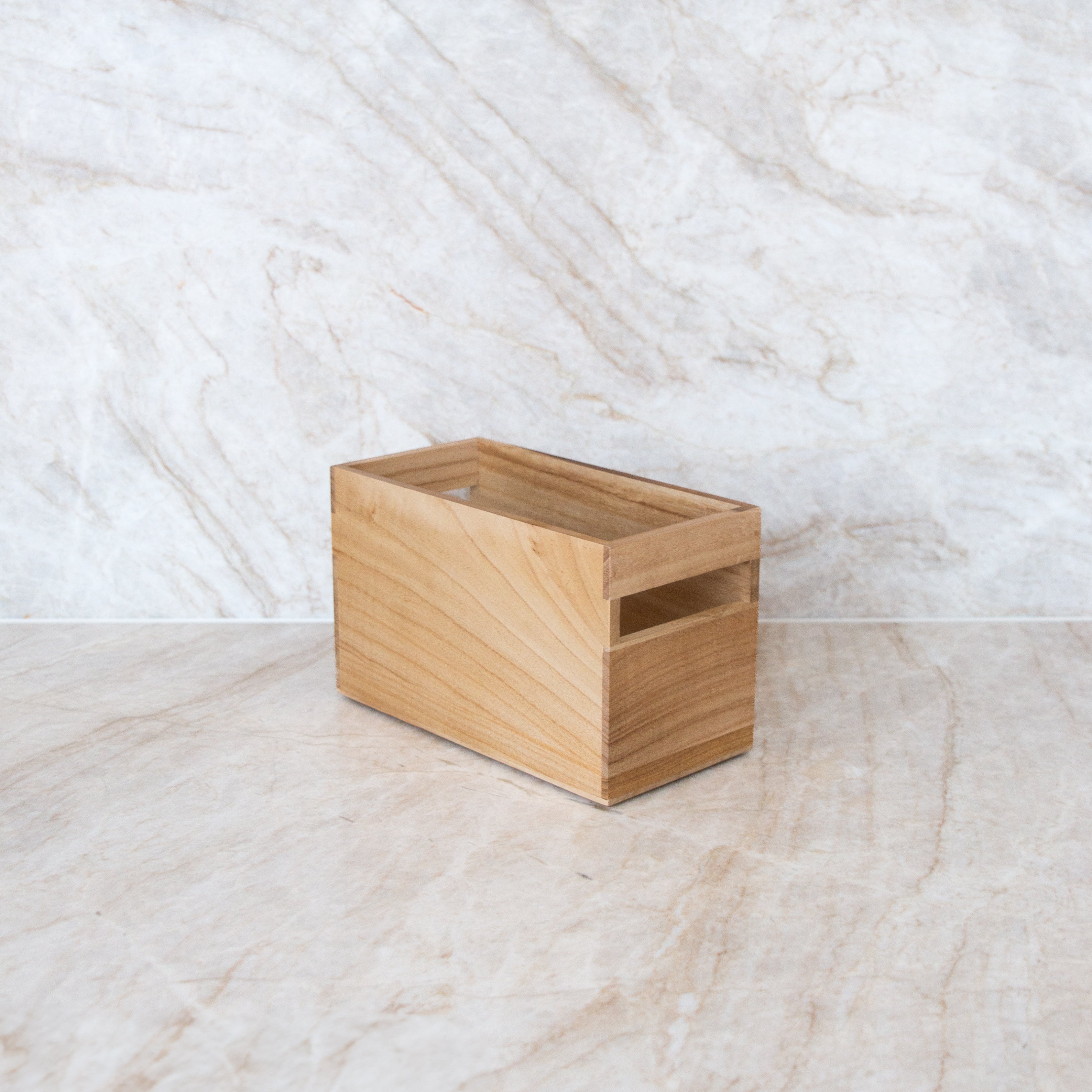
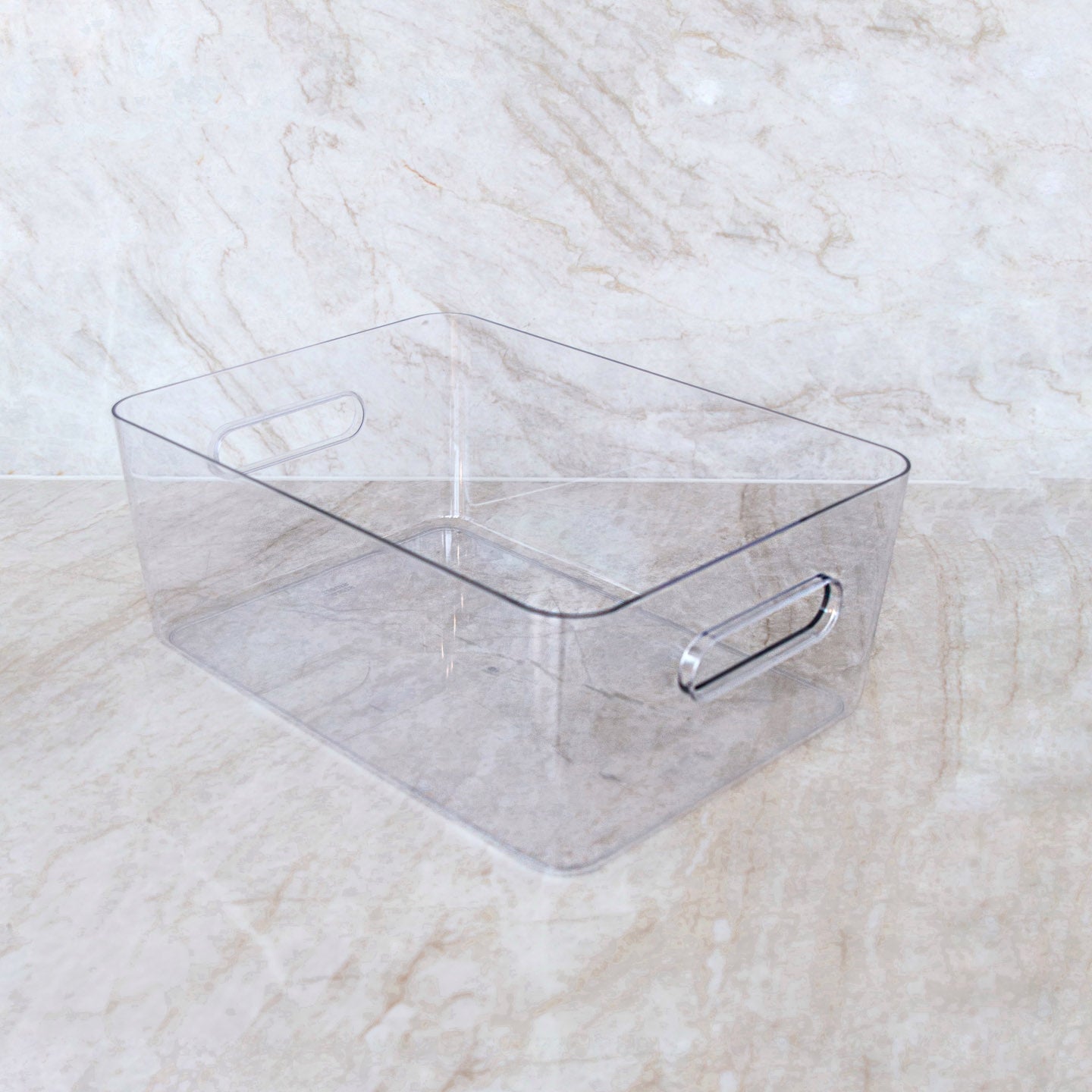
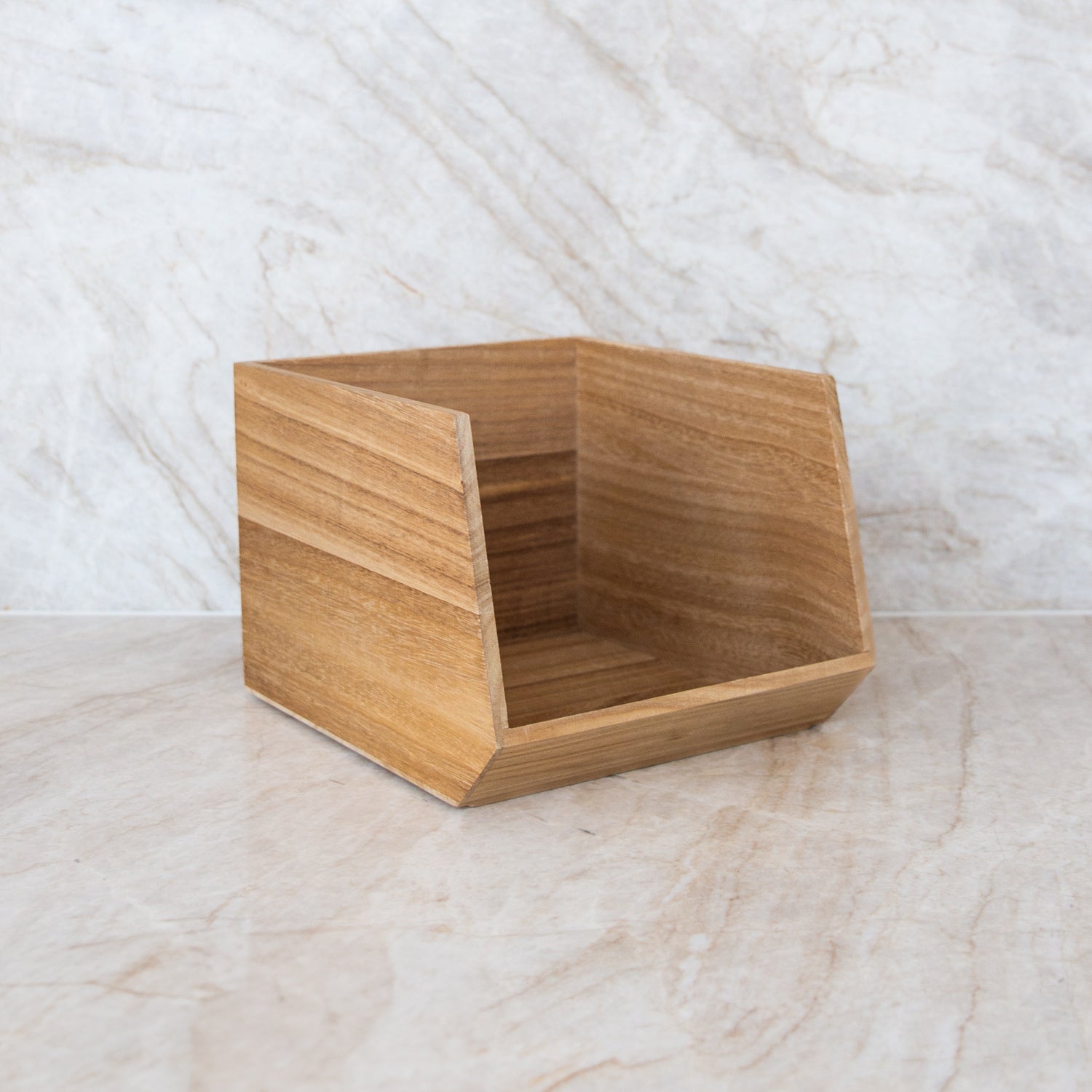
For stuffed animals, open boxes work particularly well because the child can quickly see the contents and choose a favorite themselves. An open wooden box in natural wood can stand on the floor, in a shelving unit, or next to the bed and give a warm, calm expression in the children's room. Wood also adds a natural aesthetic that fits well into a simple lifestyle.
If you have many soft stuffed animals, a spacious fabric storage box can be a good solution. The fabric gives a soft look, and the wide shape makes it easy to collect many stuffed animals in one place. It fits well in a shelving unit, on a shelf, or directly on the floor in a corner where the child can reach it themselves.
For stuffed animals not used every day, you can choose under-bed storage. An under-bed storage bag helps utilize space without the room feeling cluttered. Here you can gather special stuffed animals, extra cuddly toys, or those to be stored for later.
How to sort your stuffed animals
It can be difficult to choose what to display when all stuffed animals have a story. Try to sort them by how they are used. This makes the system easier to maintain, even as the collection grows.
- Everyday stuffed animals: The stuffed animals used for play, cuddling, and comfort should be easiest to reach.
- Large stuffed animals: Give them a fixed spot so they don't take up space in the middle of the floor.
- Small stuffed animals: Collect them in a smaller box so they don't get lost.
- Memories and special stuffed animals: Store them together so they are protected but can still be found.
You can also let the child help decide the system. Maybe the soft stuffed animals should be kept separate, the animal stuffed animals separate, or favorite characters should have their own place. When the child recognizes the division, it becomes easier to tidy up themselves.
Where should stuffed animals be placed in the children's room?
Consider where the stuffed animals are used most. Stuffed animals for bedtime naturally belong close to the bed, while stuffed animals for role-playing can be near the play area. This way, storage supports the child's daily life instead of being another thing to move around.
If space is limited, you don't have to fill every surface. Rather, choose a few clear zones: a box for play, a spot by the bed, and a solution for stuffed animals not currently in use. This creates visual calm and makes it easier to maintain a good energy flow in the room.
Make tidying up a simple habit
An organized children's room doesn't have to be perfect. There can still be traces of play during the day. But when stuffed animals have a designated spot, it becomes easy to restore calm before the day ends.
Make it a small routine to gather the stuffed animals before reading a bedtime story or moving on to the next activity. The simpler the system, the greater the chance it will be used. With just a few simple steps, you make clutter much harder to survive.
Frequently asked questions
How do you store many stuffed animals?
Sort stuffed animals into everyday stuffed animals, large stuffed animals, and those used less frequently. Use spacious boxes for those that are out, and under-bed storage for the rest.
What kind of box is good for stuffed animals?
An open box is good for stuffed animals used often because the child can easily see and reach them. A fabric box is ideal when you want to collect many soft stuffed animals in one solution.
How do you get a child to tidy up stuffed animals?
Make it easy. Have a few clear storage spaces at the child's height, and let the child help choose which stuffed animals belong where.
Can stuffed animals be stored under the bed?
Yes, under-bed storage is a practical solution for stuffed animals not used every day. This way, you utilize space while favorite stuffed animals can still be out.