
Do toys, books, art supplies, and clothes quickly pile up in the children's room? You're not alone. Storage for children is not about hiding everything away, but about creating designated spaces that both you and your child can navigate. When there's a simple place for each type of item, it becomes easier to tidy up and make room for play again.
How do you create good storage for children?
The best system is usually one that is easy to use in a busy daily life. Therefore, start at the child's height and choose solutions where it is clear what belongs where. Small children should be able to put things away without help, and older children benefit from clear zones for their different interests.
You don't need to organize the entire children's room in one day. Start with one area, for example, the floor, the dresser, or a shelf. Then sort into a few manageable groups, so the system doesn't become more cumbersome than necessary.
- Create a zone for toys used every day.
- Gather creative supplies, games, and small figures separately.
- Store clothes that are not in use so they don't take up space in everyday life.
- Keep favorite books and toys easily accessible.
Clutter affects our well-being. It's as simple as that. In a children's room, a little activity and toys in progress are naturally part of everyday life. But when everything lacks a place, the room can quickly feel restless. With a few simple measures, you make it harder for clutter to thrive.
Which boxes are good for the children's room?
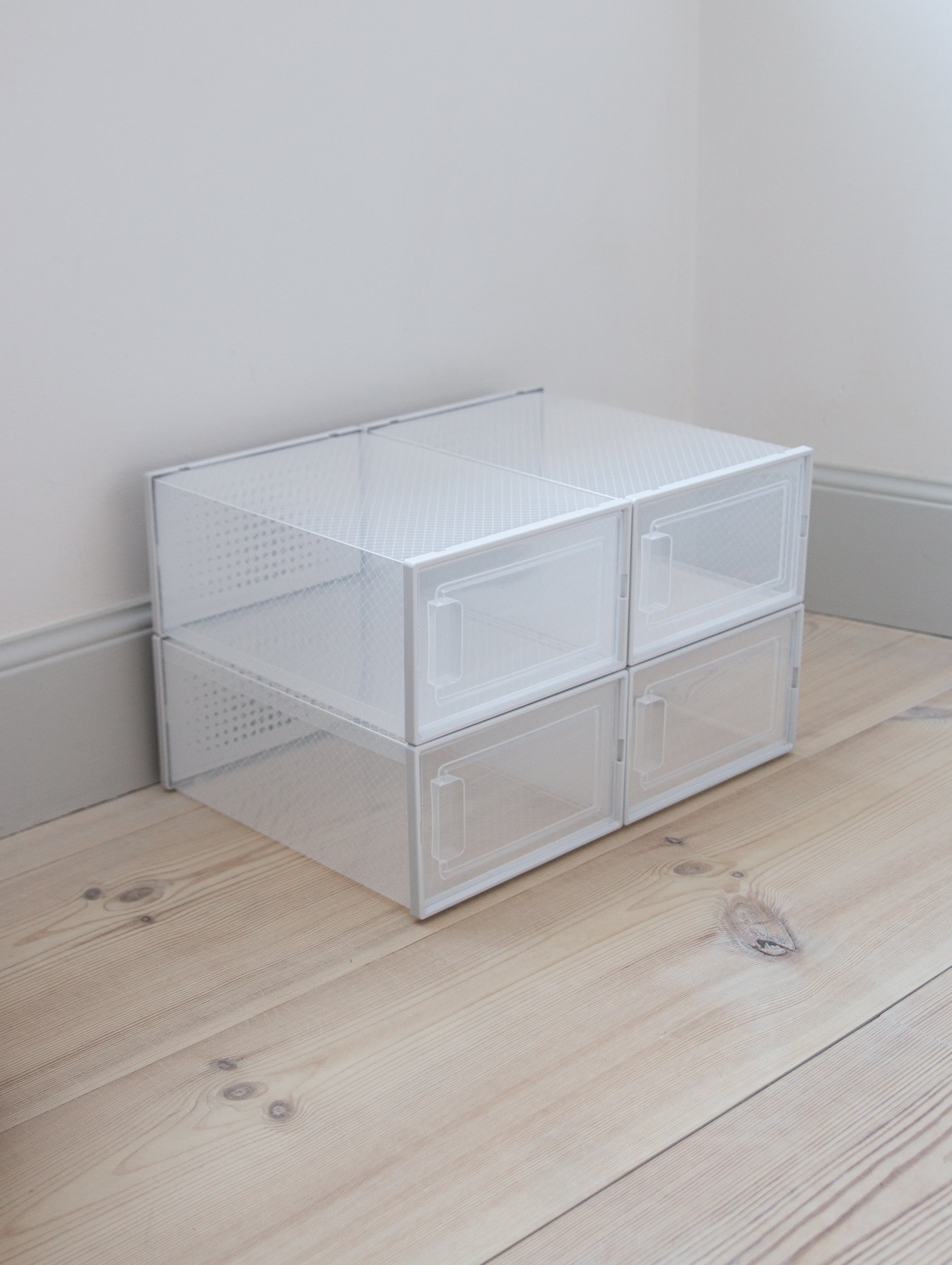
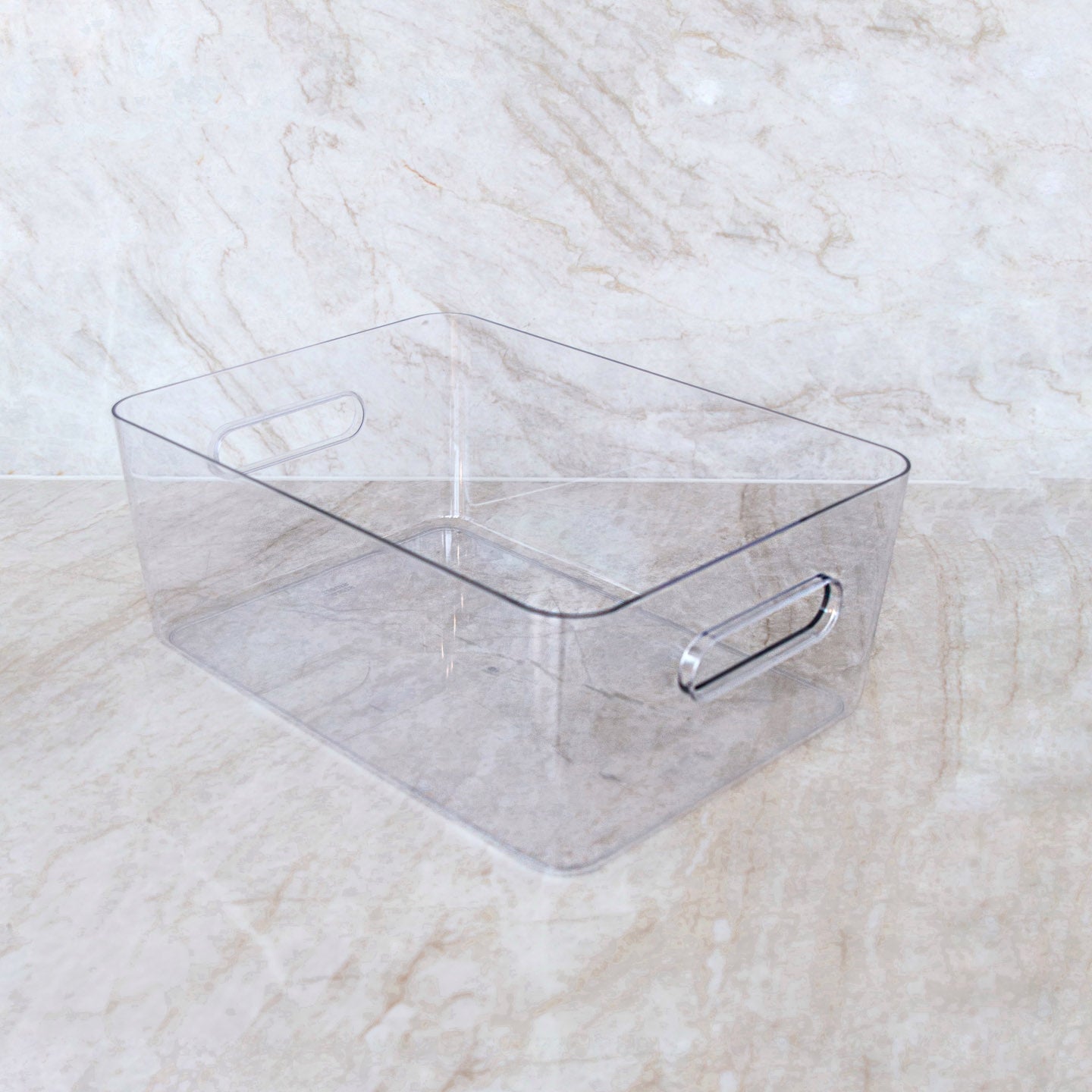
Boxes are a simple way to gather things without the room losing its lightness. Soft fabric boxes are perfect for cuddly toys, dressing-up clothes, blocks, and other things that should be close at hand. A beige fabric storage box provides a calm expression and can be left out as a natural part of the decor.
For larger collections, you can advantageously choose boxes of different sizes. This makes it easier to distinguish between, for example, building blocks, vehicles, and creative materials. It's a good idea to choose one type of box for each category, so the system is easy to understand. This provides both an overview and a calmer atmosphere in the room.
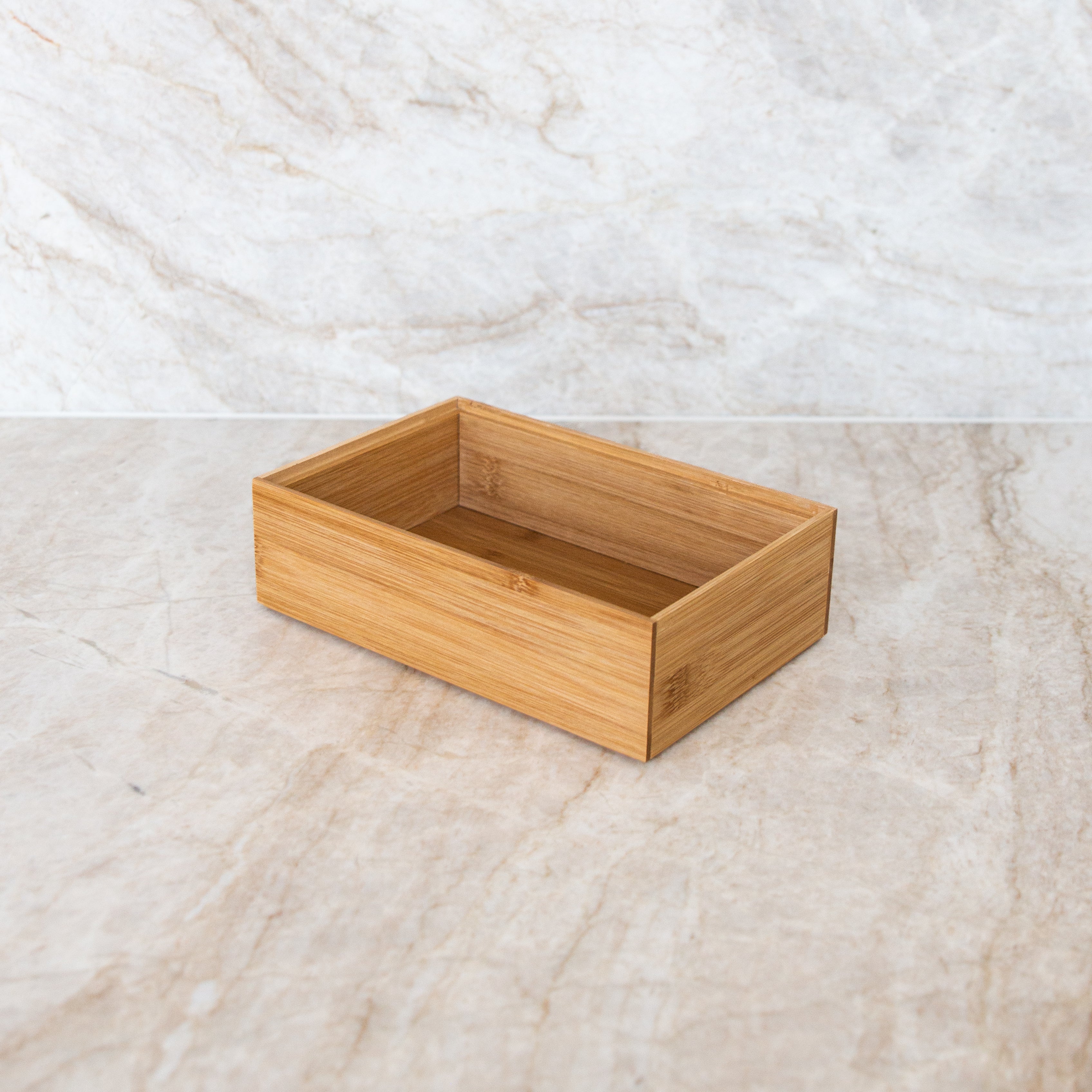
For small items that otherwise tend to get lost in a large box, a drawer organizer with dividers in light grey can be a great help. Use it in a drawer for markers, beads, hair accessories, or small collections. When small parts have their own spaces, they are also easier to find again.
How to make tidying up manageable for your child
A good organizing system should not only look good. It must work when the day is filled with play, packed lunches, and bedtime. The fewer decisions your child has to make during tidying up, the greater the chance that things will actually be put away.
- Choose few categories. Start with broad groups such as stuffed animals, building blocks, creative supplies, and books.
- Place frequently used items low. What the child uses most should be easy to reach and put back.
- Give each category one fixed place. Avoid spreading the same type of toy in several places in the room.
- Create a short tidying routine. Spend a few minutes together preparing for the next play session.
It can also help to have a simple solution for things that need to be used later or put away. A wide hanging organizer in light grey can create extra space in the wardrobe for smaller clothes, accessories, or dressing-up items. This way, you utilize the height in the closet and free up space in the drawers.
How do you keep the system going?
A children's room is constantly changing. Interest in certain games shifts, clothes become too small, and new things arrive. Therefore, the system doesn't have to be permanent. Review it regularly and remove what is no longer used. When there is space around the things the child loves, it becomes easier to play and to tidy up.
Try to stick to the idea of a simple lifestyle. This does not mean that a children's room should be empty or without colors. It simply means there is space for what brings joy, and that the rest has a designated place. It is aesthetics for the soul and a little help for more overview and surplus in everyday life.
Frequently Asked Questions
How do I best organize toys?
Divide toys into a few clear categories and give each category its own box or space. This makes it easier for the child to find the desired toy and put it back again.
What should be displayed in a children's room?
Let what is used most be displayed and easily accessible. Things that are rarely used can be placed higher up, in drawers, or in closet storage.
How do I store small parts for children?Use divided solutions in drawers so small parts don't get mixed up. Always place small parts out of reach if the child is so young that it could be relevant.
How many storage boxes does a children's room need?
It depends on the quantity of items, but it's better to start with a few spacious categories than many small ones. The system should be quick to use, even when everyday life is busy.