
Do toys quickly spread across the floor, while clothes, books, and small treasures seem to find their way into every corner of the room? You are not alone. Storage in a child's room isn't about everything being perfectly neat all the time. It's about creating designated spots so it becomes easier to find what you need and just as easy to tidy up again.
With a few simple systems, you can create more calm in the room and more overview in everyday life. This allows space for play, immersion, and a peaceful end to the day.
How do you create good storage in a child's room?
The best solution is often one the child can use themselves. When boxes, drawers, and storage are at an appropriate height, it becomes easier to get toys out and put them away again. Therefore, start by dividing the room into small, manageable zones.
- Create a play zone for the toys that are used most often.
- Create a creative zone for drawings, beads, markers, and small projects.
- Create a clothing zone where everyday clothes and pajamas are easy to reach.
- Create a quiet zone around the bed and reading corner with space for books and stuffed animals.
When each type of item has its own place, you don't need to turn tidying up into a big project. Instead, it becomes a small routine that can be done together in a few minutes.
Which boxes are suitable for toys and larger items?
Toys come in many shapes and sizes, so it makes good sense to combine several types of storage. Larger boxes are good for building blocks, dolls, dress-up clothes, and other things that should ideally be kept together but still be easy to access.
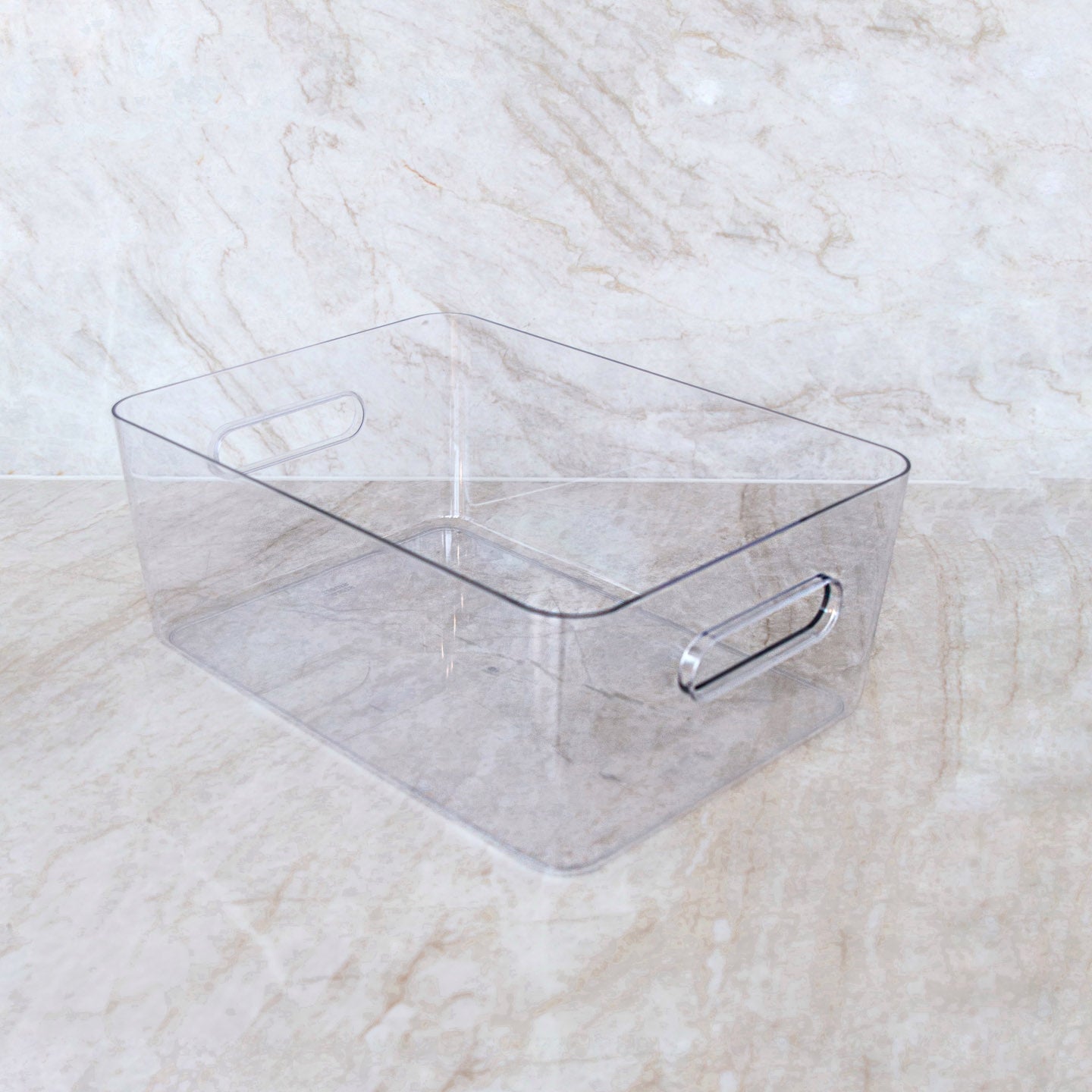
A wide fabric storage box can create a soft and calm look on a shelf or in a cabinet. It is practical for larger toy parts that might otherwise quickly end up in piles. For smaller collections like figures, cars, or blocks, a medium white storage box can be a simple solution that makes it easy to keep categories separate.
It's better to choose a few boxes with a clear purpose than many small, unsystematic solutions. This gives the child a better overview and makes the room more peaceful to be in.
How to organize small items in drawers
Small items tend to create the most clutter. Hair clips, markers, trading cards, small figures, and craft materials quickly get mixed up if the drawer doesn't have a simple division.
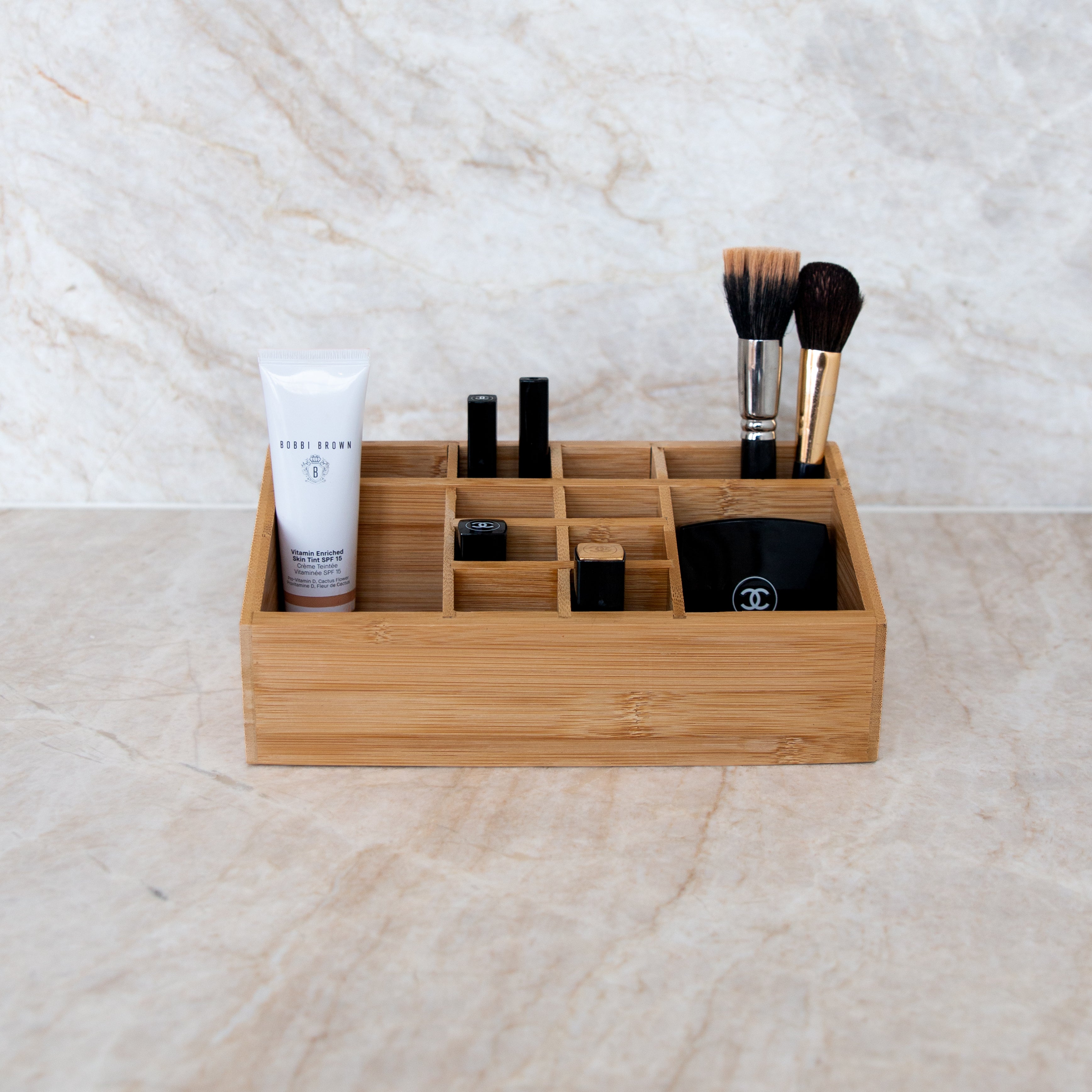
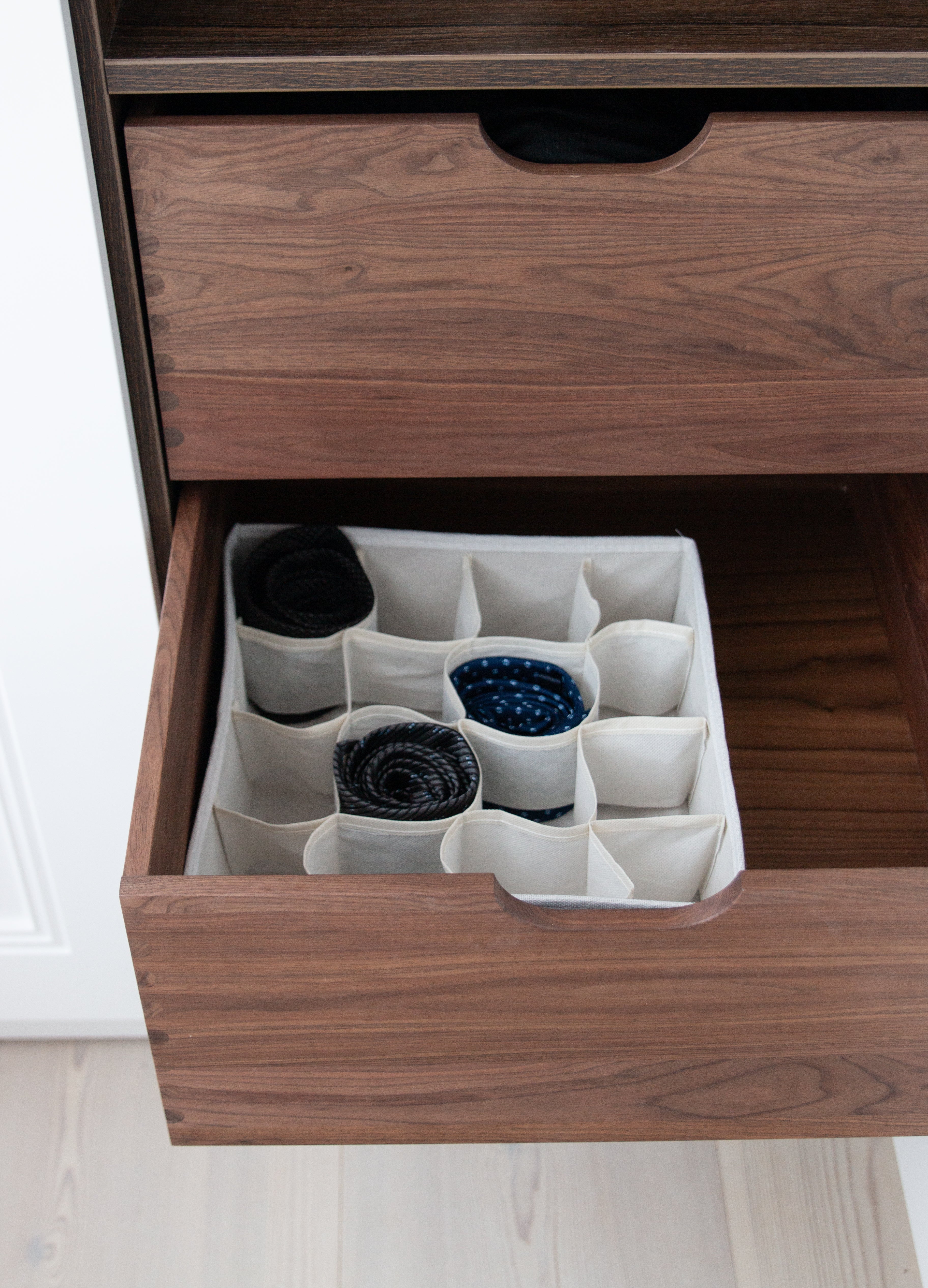
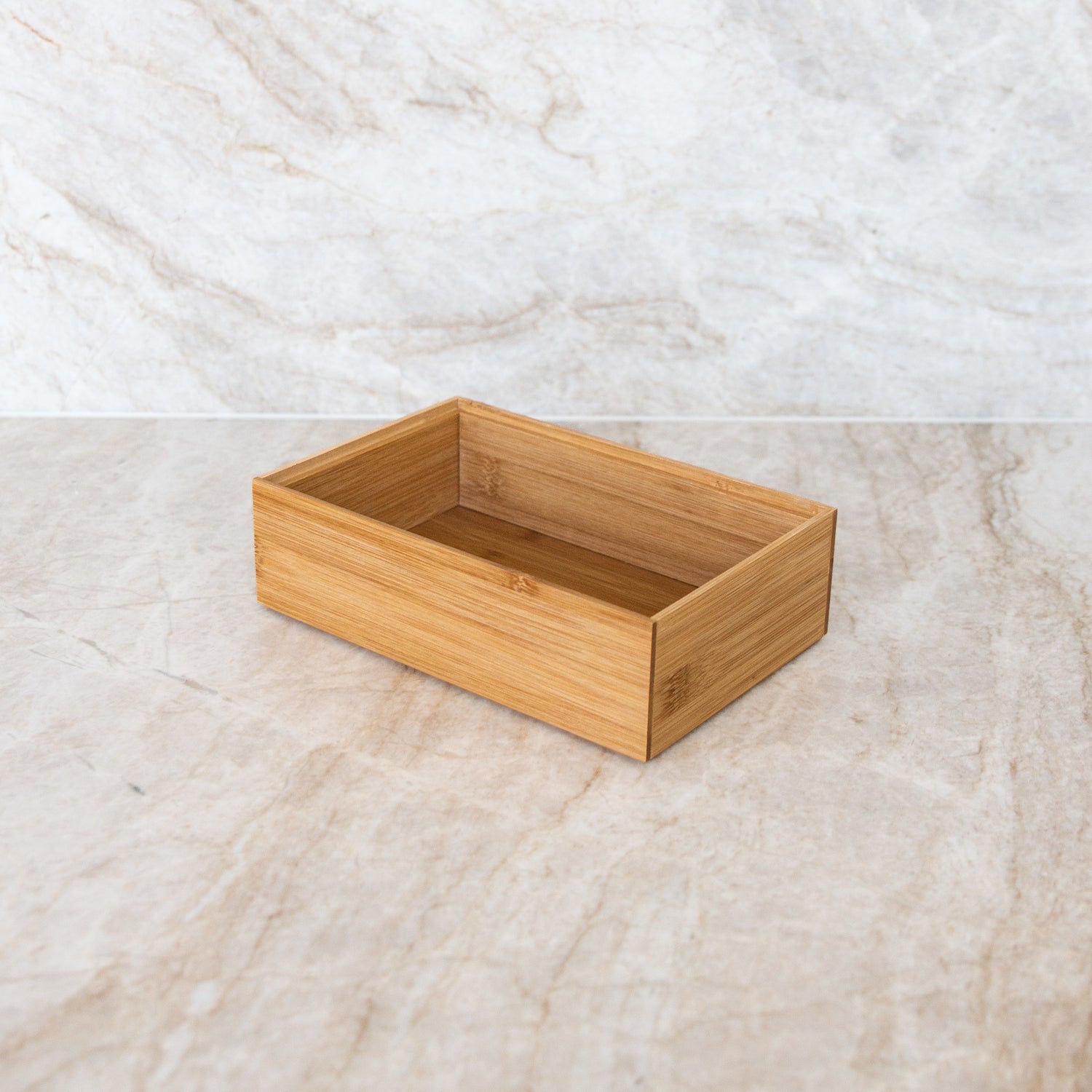
Here, drawer organizers with dividers can help create small, fixed compartments in the drawer. For example, use one compartment for drawing tools, one for stickers, and one for small parts from craft projects. When you can see what's where, it's much easier to use it again.
- Take everything out of the drawer and group similar items together.
- Sort out what is broken or no longer used.
- Distribute the items that will stay into small categories.
- Give each category its own compartment in the drawer.
You don't have to organize all drawers in one day. Start with the drawer that causes the most frustration and feel the difference immediately.
Can you utilize the height in a child's room?
Yes, especially if floor space is limited. The height in the wardrobe or on a coat rack can be used for things that don't need to be out every day. This could be extra clothes, dress-up clothes, or small bags.
A wide hanging organizer can provide more compartments in the closet without taking up floor space. Use the bottom compartments for what the child needs to be able to reach, and put items that are used less frequently higher up. This creates a more organized closet and provides better space for what is important in daily life.
Make tidying up part of a simple lifestyle
Clutter affects our well-being. It's as simple as that. In a child's room, clutter is also a natural part of play and creativity, and there should be room for that. The difference lies in whether things have a place to return to when playtime is over.
A calm system doesn't have to be perfect. It just needs to fit your everyday life. When storage is simple, the child has a better opportunity to participate, and you gain more overview and energy in daily life. It's a simple lifestyle with room for both play and good energy flow.
Frequently asked questions
How do you store toys in a small child's room?
Choose a few spacious boxes for the main toy categories, and use drawers or cabinets for small items. Also, utilize the height in the wardrobe with hanging storage so the floor remains free for play.
How many storage boxes should there be in a child's room?
There should only be enough boxes for the most important categories to have a designated place. Too many boxes can make the system difficult to manage. Start with toys, creative items, and clothes, and only add more storage as needed.
How do I get my child to tidy up?
Make the system simple and easy to access. When the child knows where blocks, books, and drawing supplies belong, tidying up becomes more manageable. It also helps to tidy up together as a regular, short routine.
What should be visible in a child's room?
Let what is used often be visible or easily accessible. Items that are only used occasionally can be placed in the closet, in drawers, or in storage boxes. This creates a calmer look without removing space for personality and play.