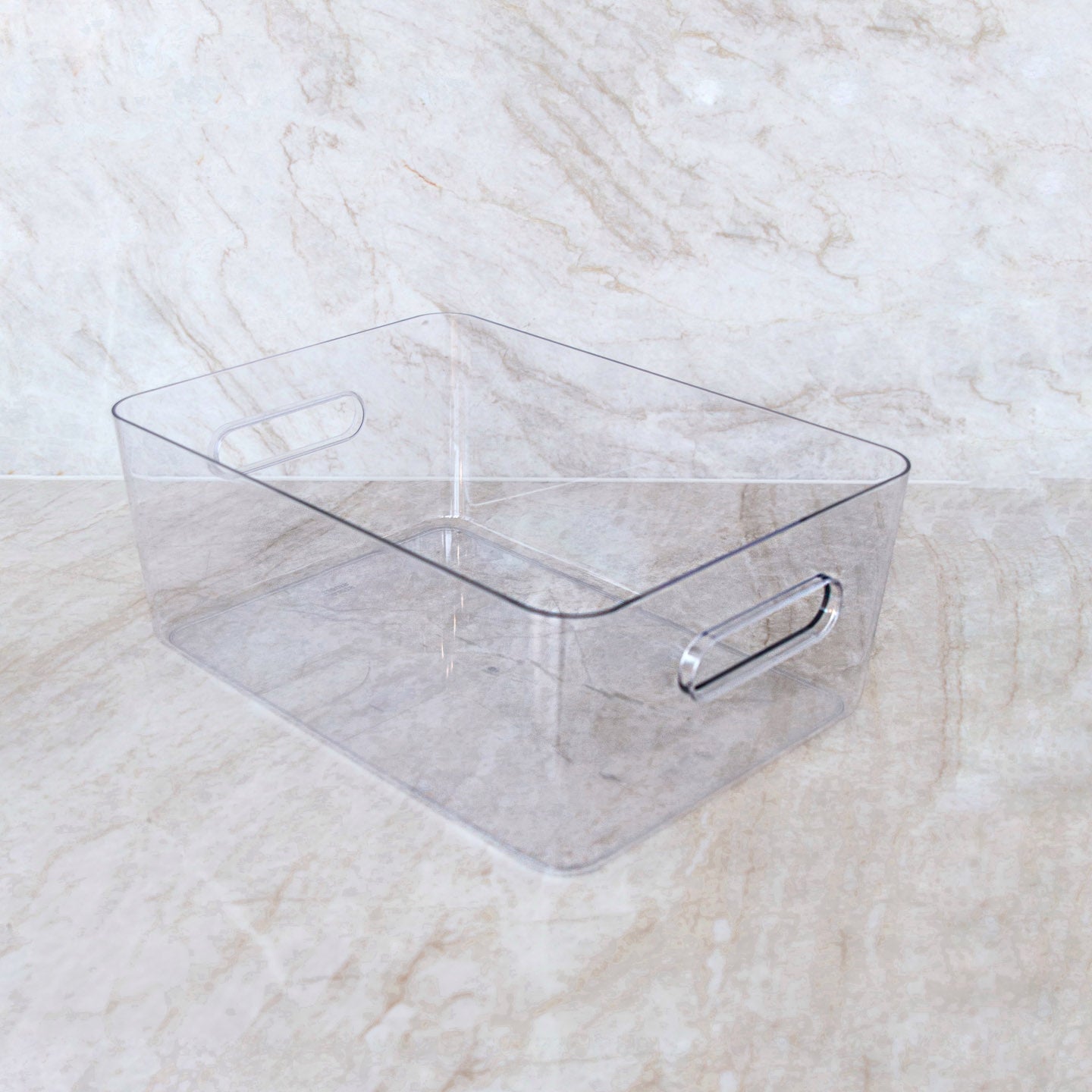


A calm and functional kitchen area starts in the drawers. When each drawer has a clear purpose and its contents are divided into fixed categories, cooking and tidying become easier. Think in terms of simple zones and repetitions: a few sizes, fixed places, and clear groups. This way, the organization supports your habits and creates a harmonious flow when cooking.
Drawer organization kitchen
Start by deciding what each drawer should hold – for example, utensils, spices, baking items, or food containers. Measure the width, depth, and height of the drawers so you choose solutions that fit without wasted space. Stick to a few repeated sizes for a calm look, and place long utensils in the same direction so everything lies flat and is easy to retrieve.
How to get started
- Divide drawers into zones: daily utensils at the top, baking equipment and extra storage further down.
- Use fixed categories: for example, baking items separately, food containers separately.
- Measure before you buy: adapt boxes and jars to the drawer's depth and height.
- Place the most used items at the front: making them easy to find and put back.
Storage boxes for drawers
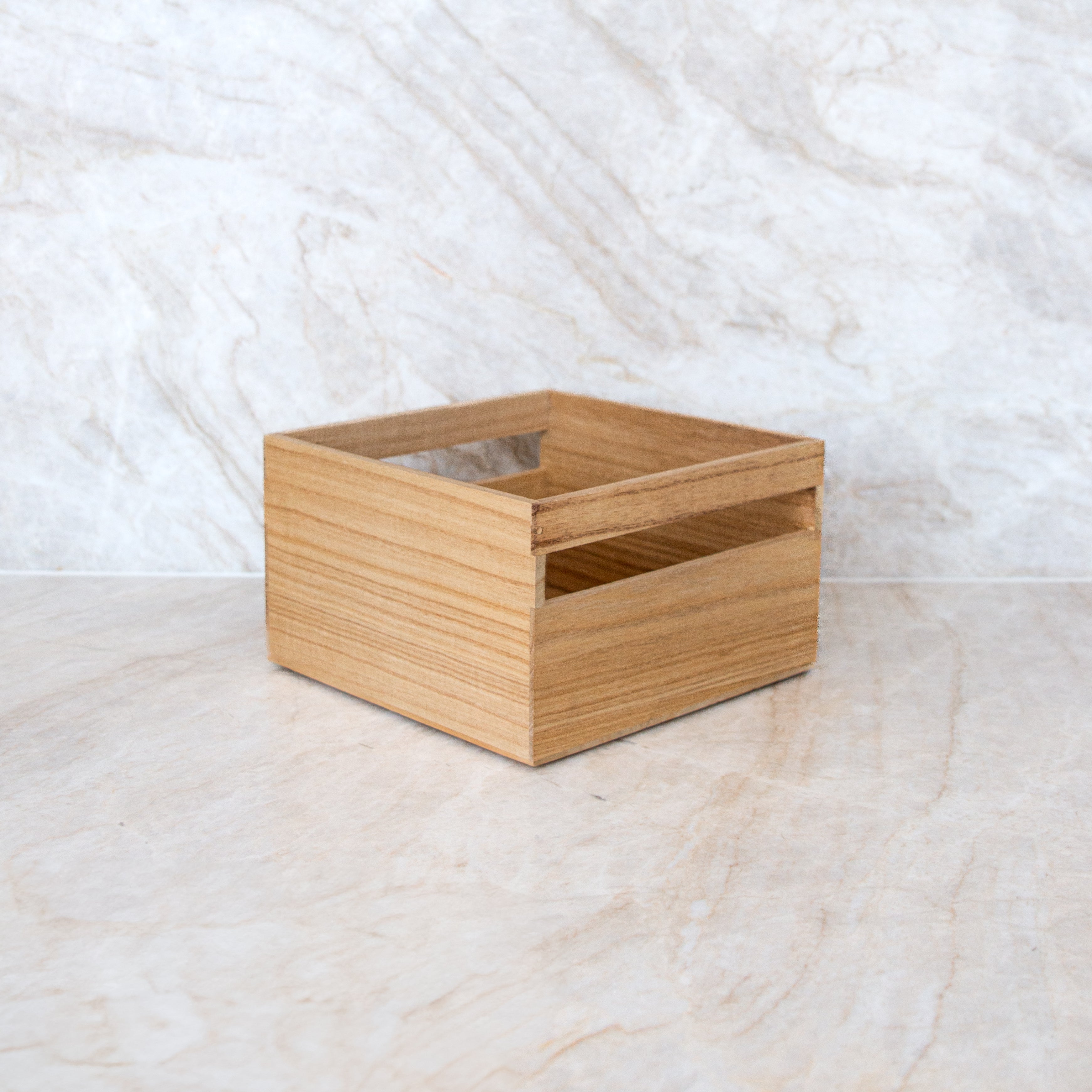
Boxes make it easy to create fixed "lanes" in drawers. Small boxes are great for tea bags, spice packets, and small bag clips – here, drawer box small fits those small groups that otherwise tend to spread out. A medium box can gather baking items like measuring cups, molds, and piping bags – here, drawer box medium is a stable choice. If you need to gather lids for food containers, foil rolls, or roll bags in one zone, drawer box large provides a tidy base. Place the boxes side by side so each category has its fixed place.
Spice drawer
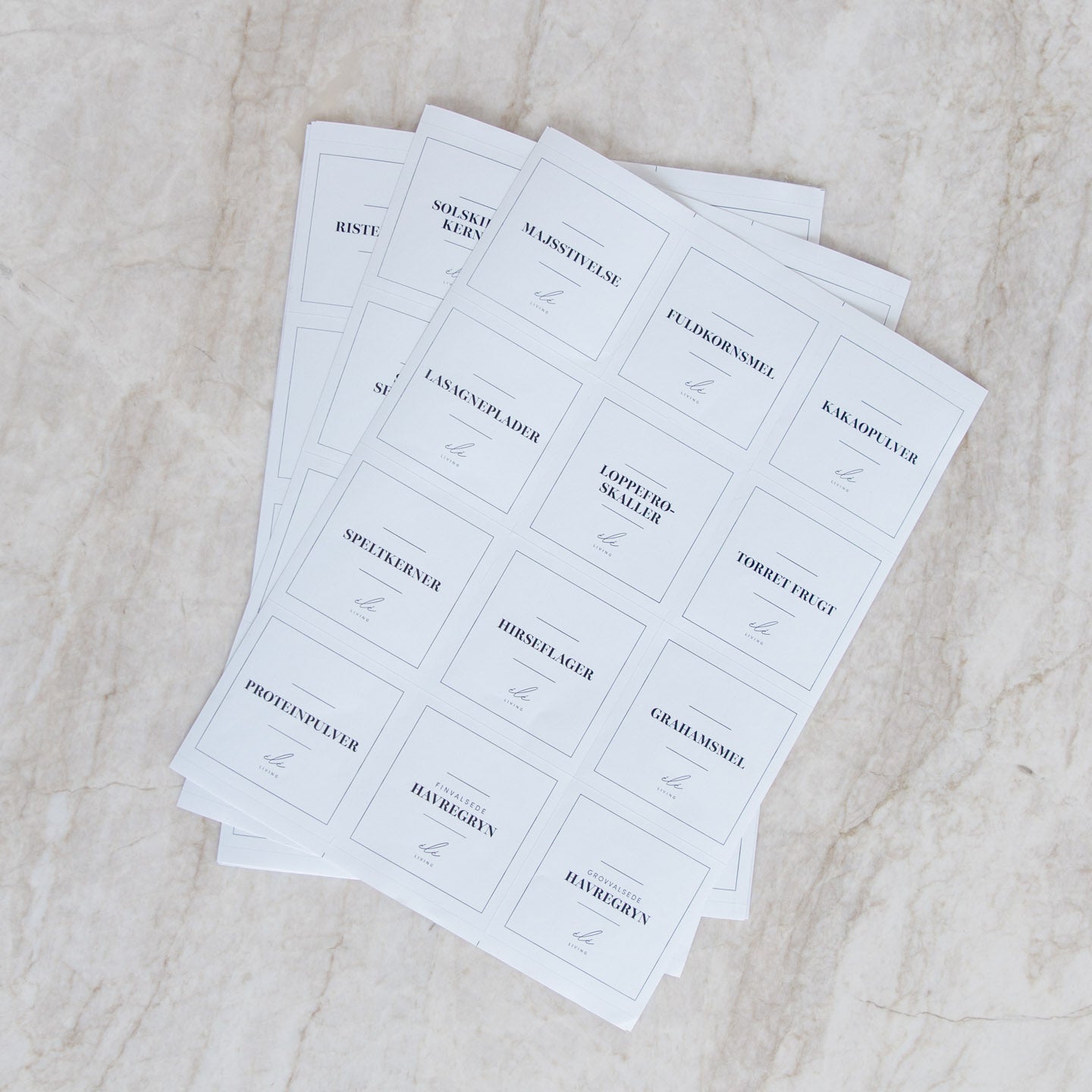
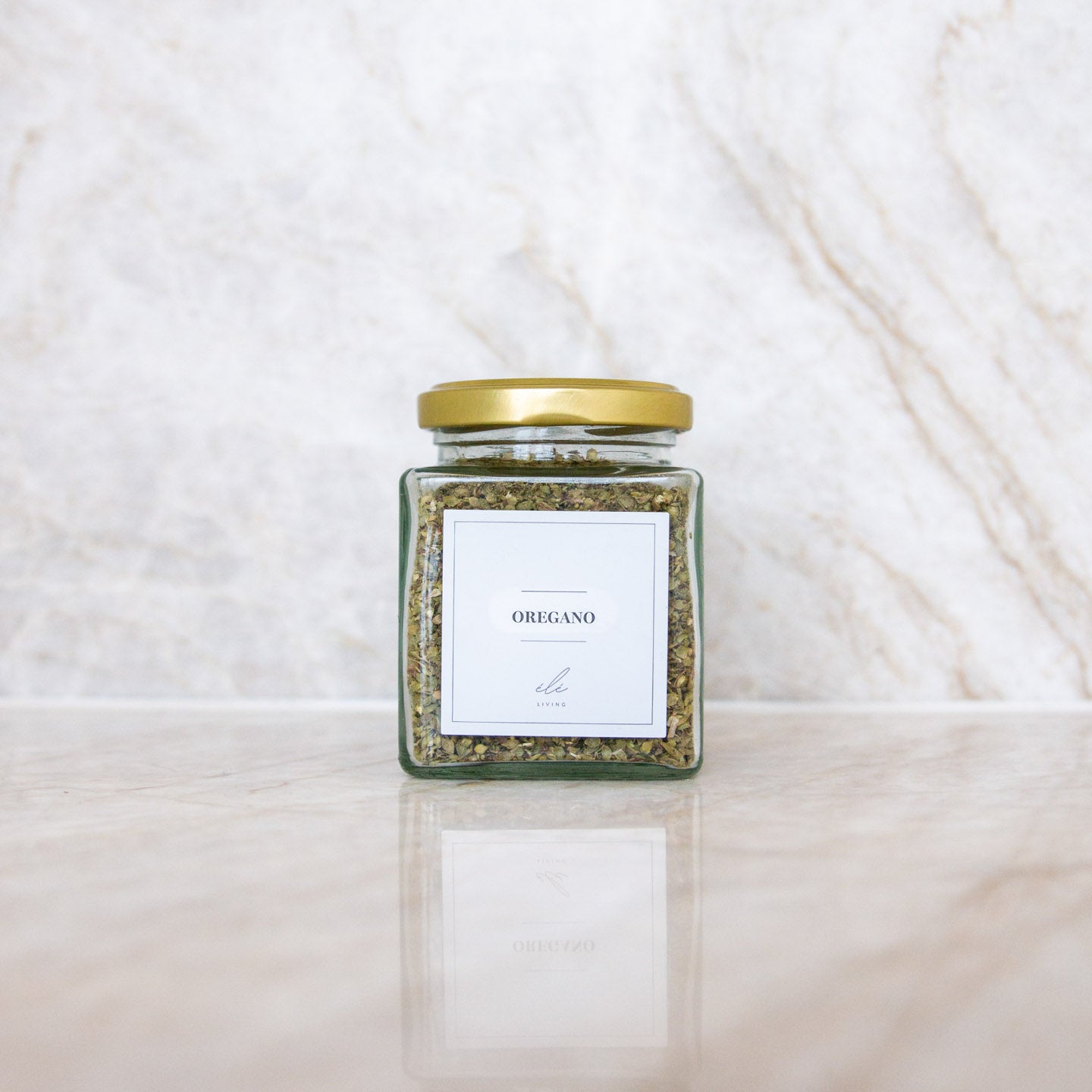
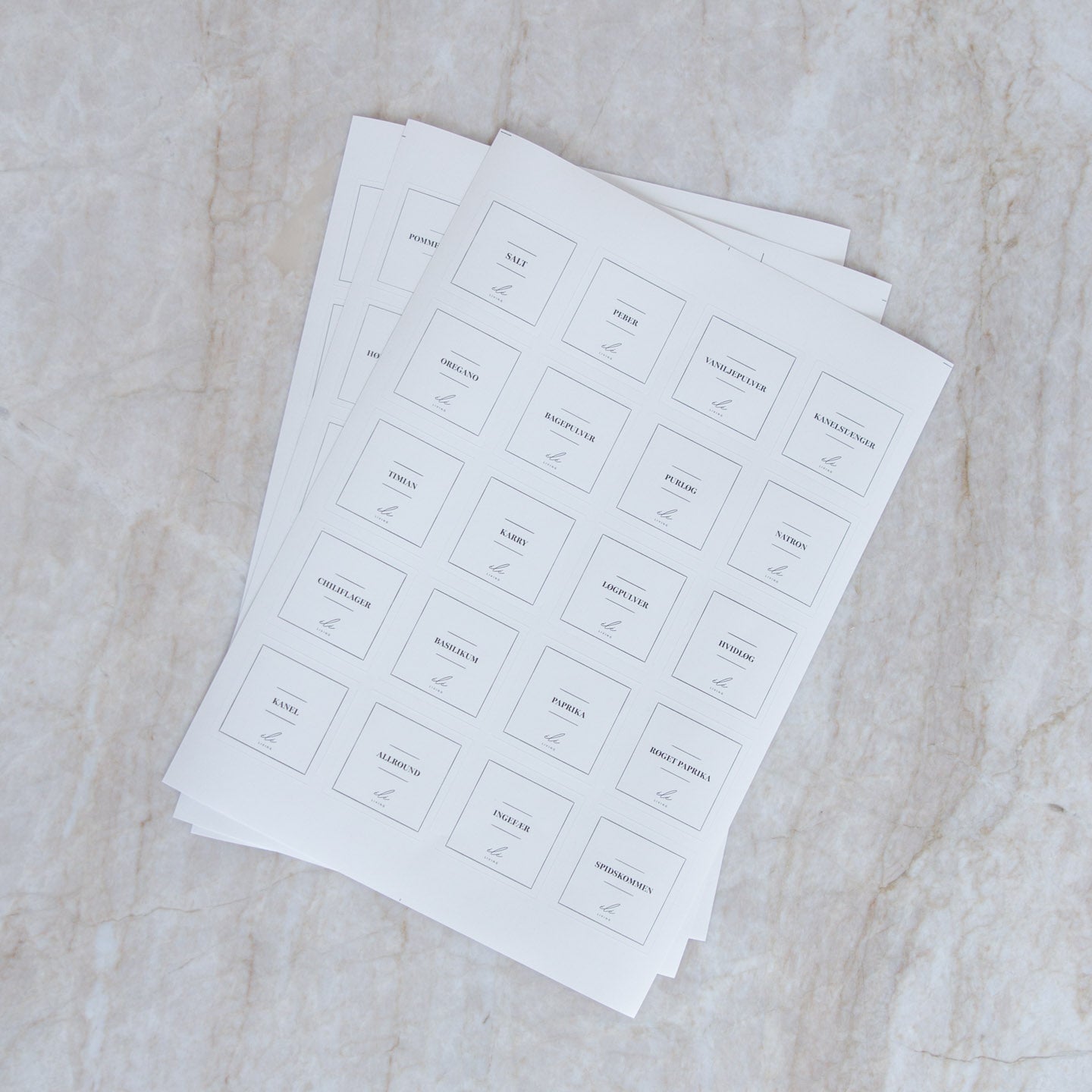
A dedicated spice drawer creates an overview in cooking. Uniform jars give a calm expression and make it easier to see how much is left. A package solution with spice jars and accompanying labels makes the setup simple – see package solution with spice jars and labels.
Setup tip
Arrange the jars in rows by use – for example, everyday spices at the front and baking spices at the back – or alphabetically, if you prefer. Make sure the lids face the same way to maintain an overview when the drawer is opened.
Storage jars in deep drawers
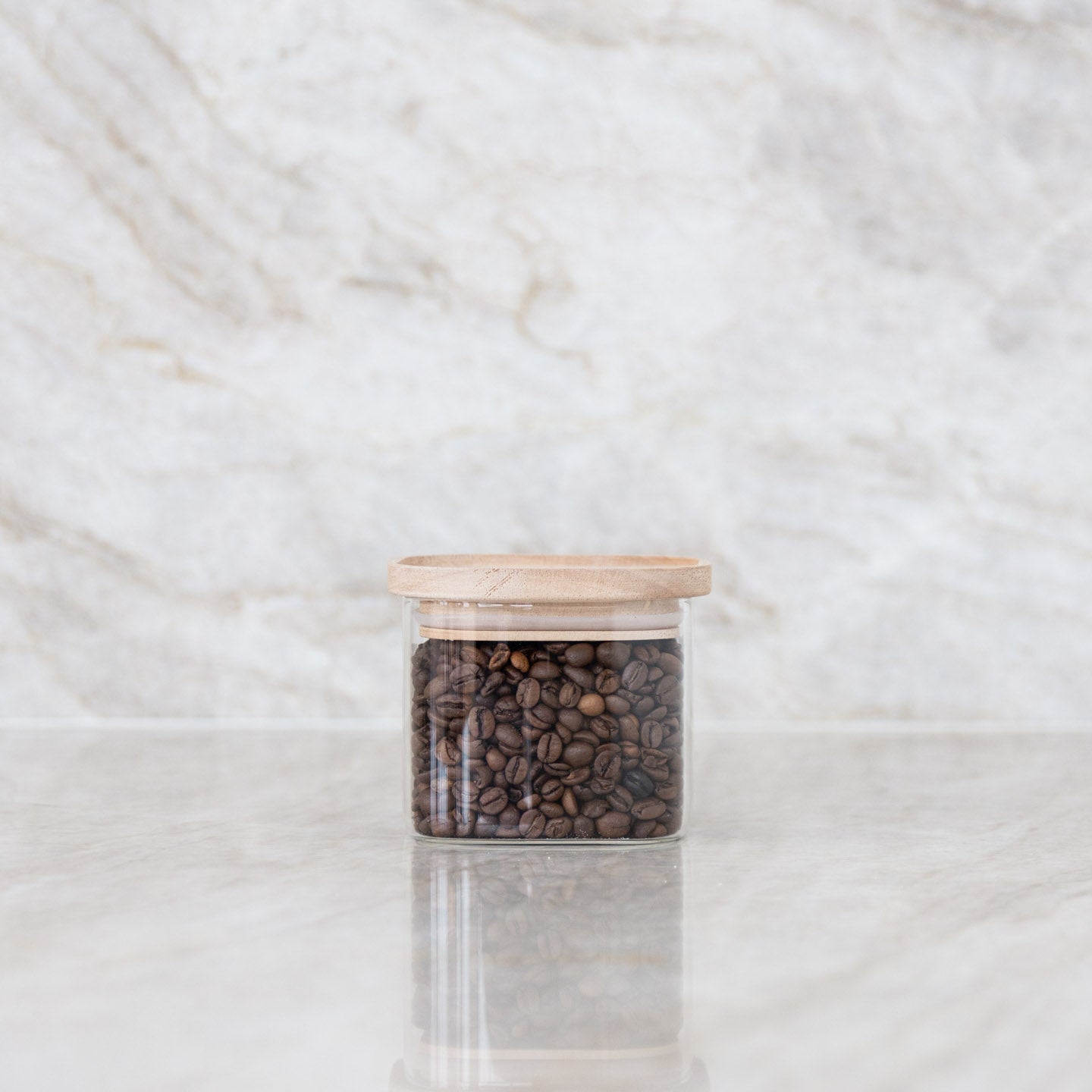
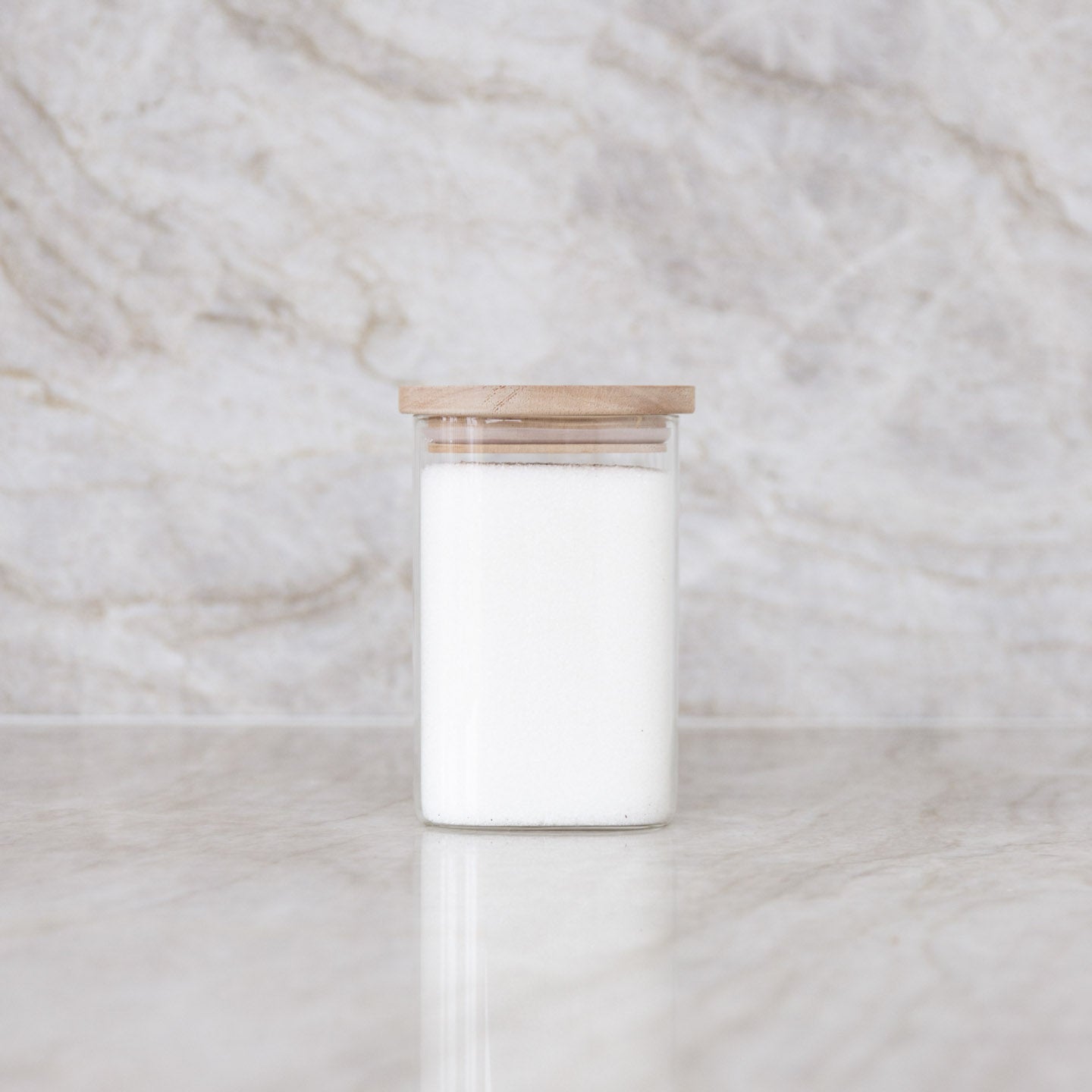
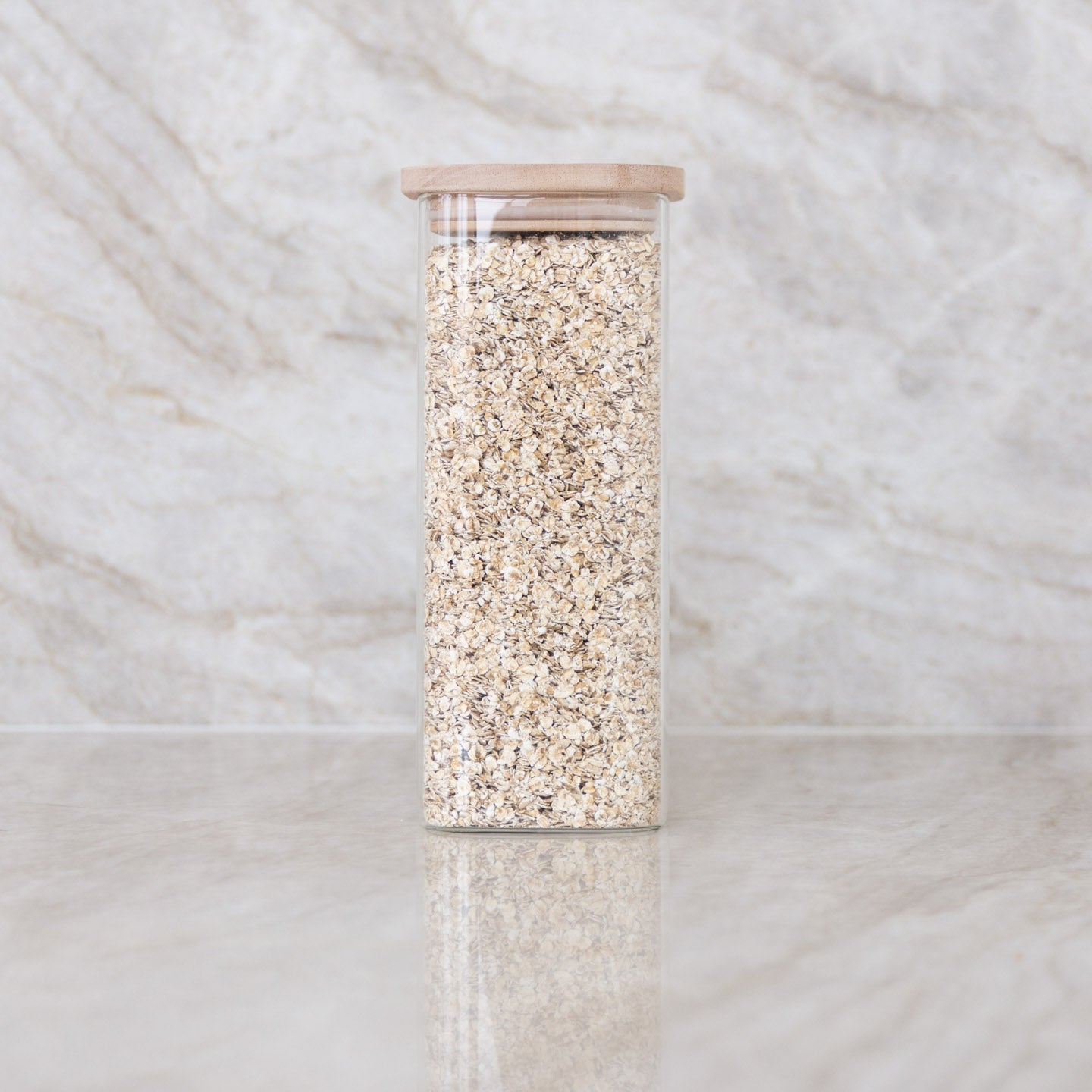
If you have a deep drawer, tall jars can help you utilize the height in a neat way. A storage jar 1800 ml can be used for flour, pasta, or rice. The square jars stand steadily side by side and help keep pests out. You can also combine them with smaller containers from the same series in the front row, so you can both see the contents and quickly grab what you use often.
Cutlery and utensils in drawers
Cutlery is tidiest when separated by type and length. Place knives, forks, and spoons in their own sections, and gather special items like dessert cutlery or serving spoons in a separate zone. For utensils like whisks, spatulas, and tongs, the same principle applies: group by function and length, and avoid mixing too many categories in the same space. Position the boxes to suit your family's routines – for example, daily utensils in the front half and specialized equipment at the back.
Maintain the daily routine
Close the drawer with a quick glance – if everything is in its place, you're on the right track. A few minutes spent tidying after use ensures the system lasts. When something isn't being used, move it to a deeper drawer or give it its own small box so the rest isn't disturbed.
With simple zones, repeated sizes, and fixed places, you'll have a kitchen drawer that supports your everyday life – calm, functional, and neat. Use boxes to define spaces, jars to gather dry goods, and a fixed setup in the spice drawer. This makes it easy to stay on track, even when everyday life is busy.