
Are bills, letters, school papers, and notes also piling up on your kitchen counter or desk? You're not alone. Paper tends to accumulate in small piles because it rarely has a designated spot. With simple paper organization, you can create order without turning your home into an archive. It's simply about choosing a system that's easy to stick to.
Why is paper organization so difficult?
Often, it's not the quantity of paper that causes clutter. It's the feeling of not knowing what's important, what needs action, and what's already taken care of. A pile can quickly contain a bill, an invitation, a receipt, and a piece of paper you no longer need.
Therefore, start by giving your paper a few clear categories. When each category has its own place, it becomes easier to put new papers away immediately. This brings peace to your surfaces and more energy into your daily life.
How to get started with paper organization
You don't need to go through every cabinet in your home in one day. First, find the pile you encounter most often, and set aside some quiet time for the task.
- Gather all paper in one place. Bring papers from the table, entryway, bag, and drawers so you get an honest overview.
- Sort roughly. For example, divide into papers that require action, papers to be saved, and papers that can be thrown out.
- Choose a few categories. Keep it simple with categories like home, finances, children, health, and personal.
- Create a space for new items. Always have one place for mail and papers that have not yet been reviewed.
You don't need to save everything. Look at each pile with a calm eye and ask yourself if the paper still serves a purpose. What you don't use or need to keep only creates clutter and obstructs the good flow of energy.
What storage solutions are suitable for papers?
The best solution depends on where you want your system. For frequently used papers, it's practical to have storage close to your desk or in a drawer. For documents you only retrieve occasionally, a closed box can provide a calm and uniform look on a shelf or in a cabinet.
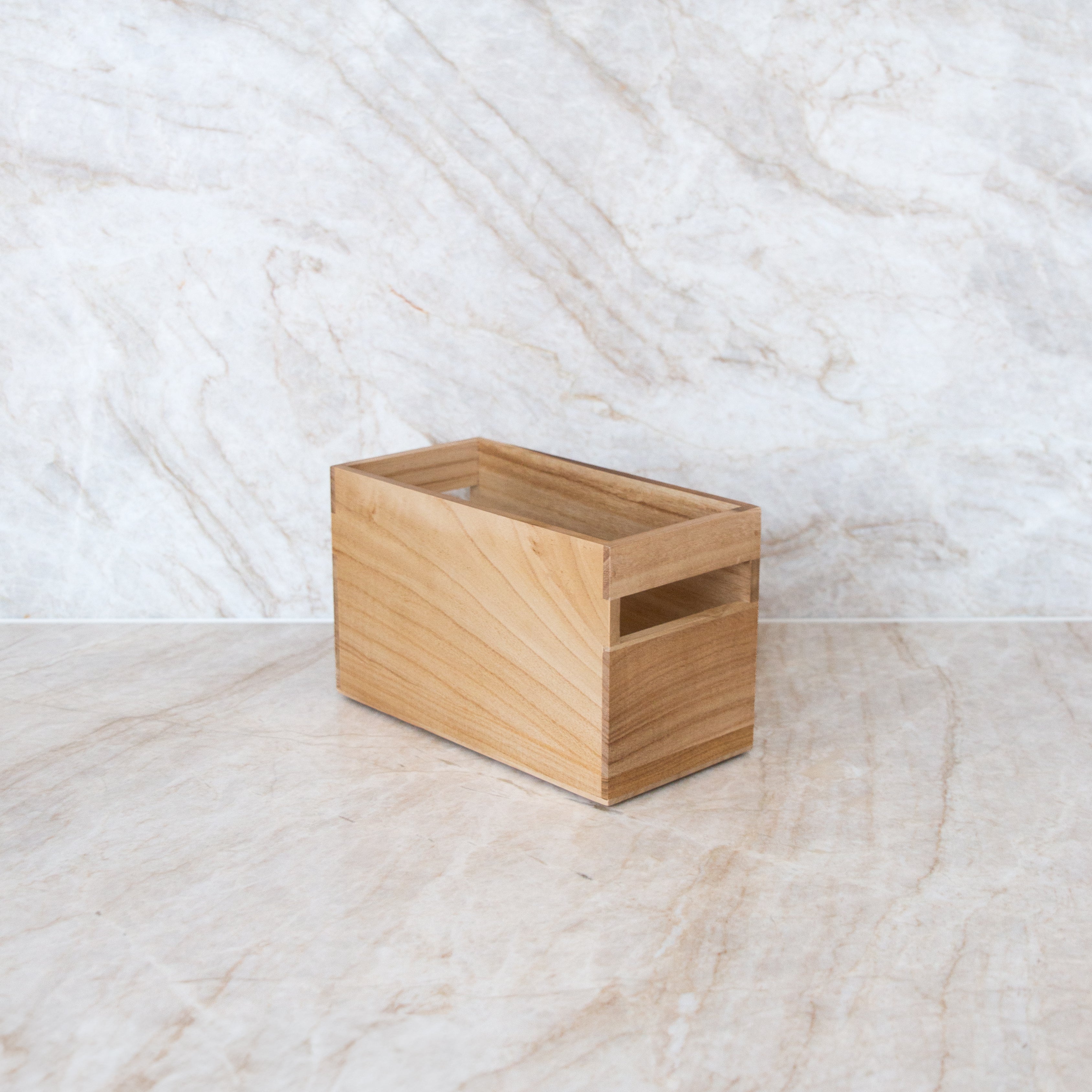
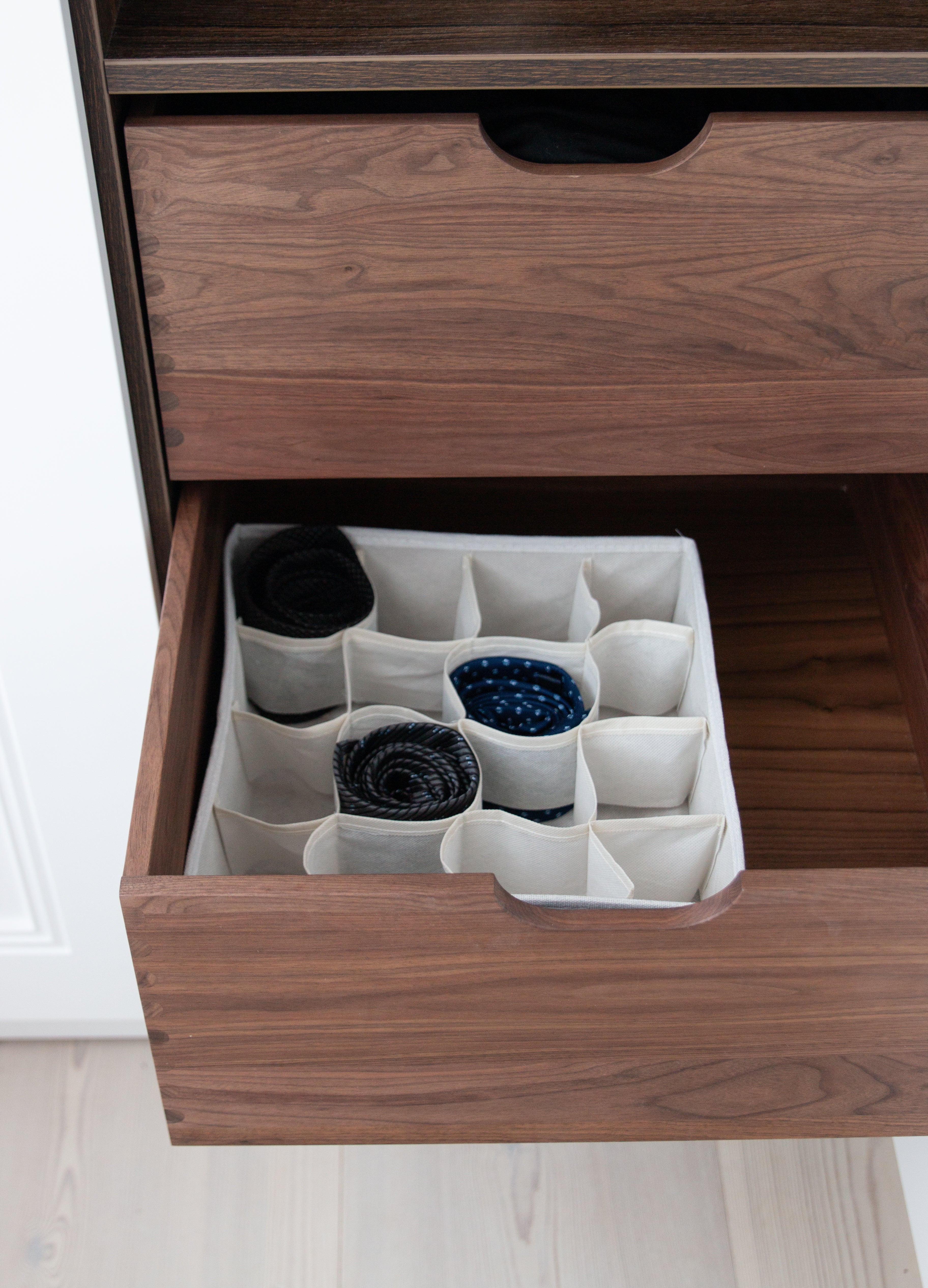
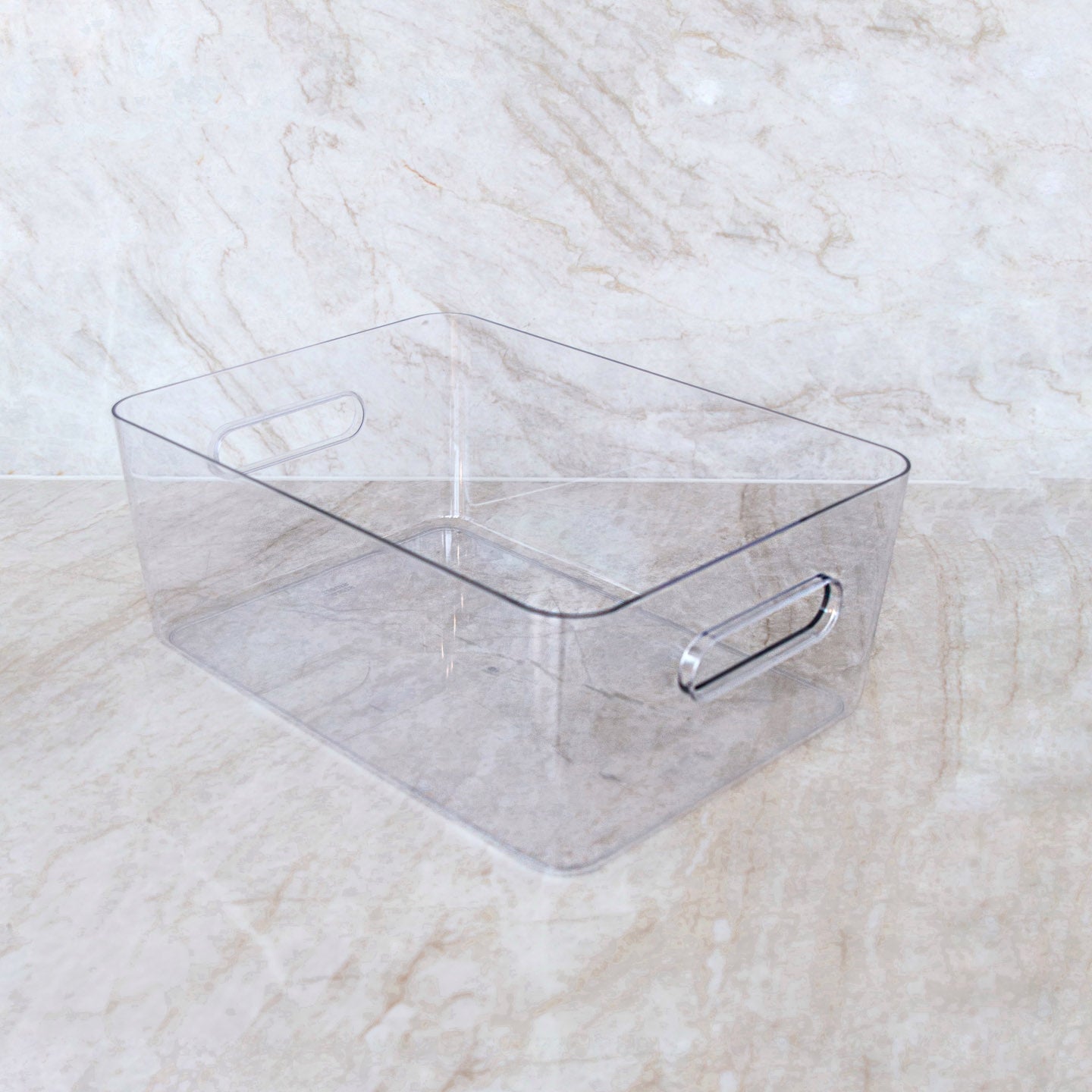
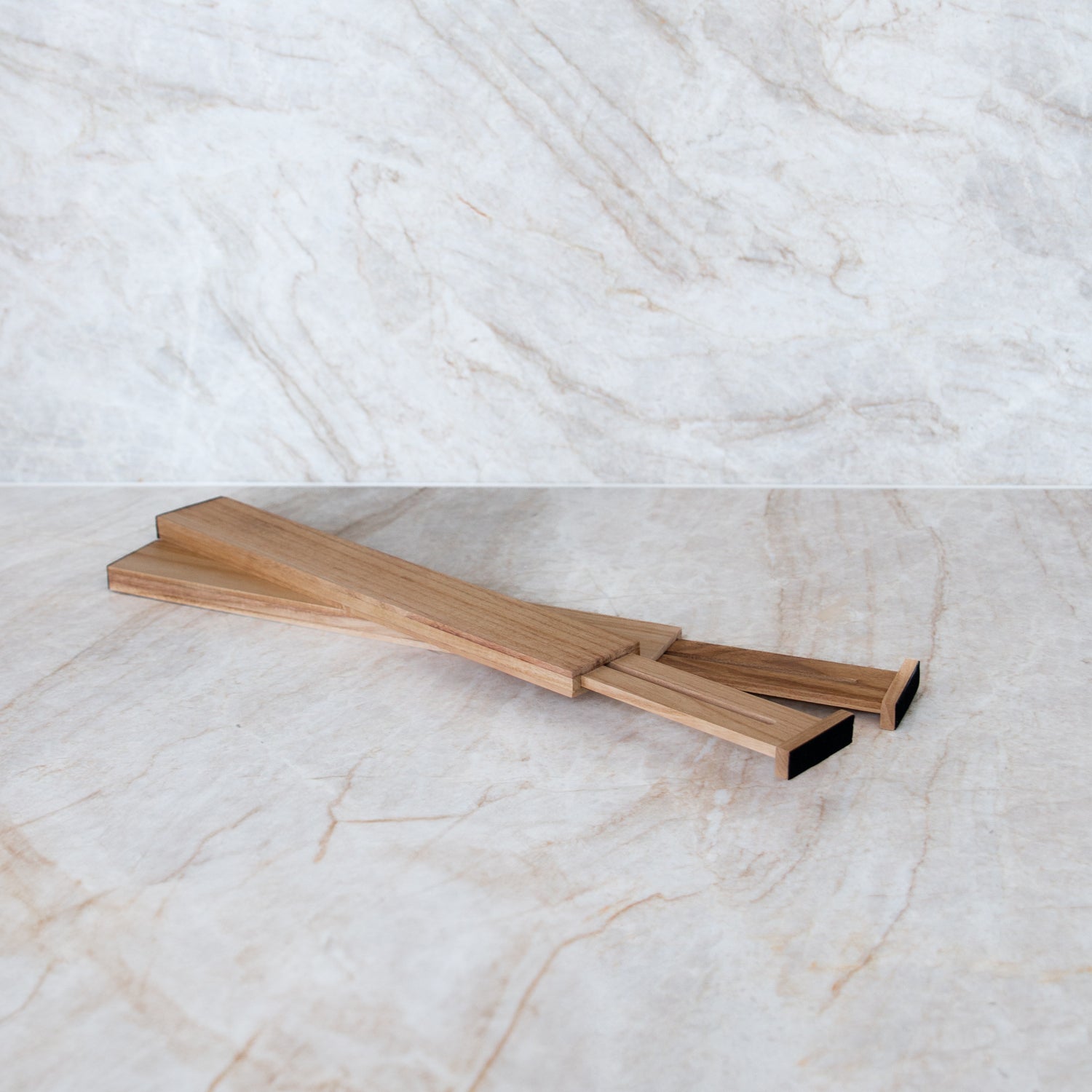
A medium drawer box is great for smaller papers, envelopes, notebooks, and writing tools, so they don't slide around. If you have a wide drawer, a large drawer organizer can create fixed compartments for papers you need to grab quickly.
For folders, documents, or papers that need to be grouped by subject, a white medium storage box can be a simple solution. It makes it easy to gather one category in one place, so you don't have to search through multiple piles. If you want a warmer look at your workspace, a bamboo multi-organizer can be used for small items that often accompany paperwork, such as clips, postcards, and notepads.
Create a system you actually use
A system only works if it's easier to use than to put paper on the table. Therefore, make the path from entering the door to a permanent spot as short as possible. Only let papers that require action be visible. The rest should be put away in seconds.
- Have one tray or box for new mail.
- Review it on a fixed day each week.
- Only save important documents in your chosen categories.
- Keep your desk as clear as possible at the end of the day.
When you work with fixed places, you not only get tidier surfaces. You also give yourself a better starting point when payments need to be made, replies sent, or an important document found. It's a simple lifestyle where small systems make a big difference.
How do you keep your papers in order?
The easiest habit is to deal with the paper as soon as you get it. Does it need action, saving, or discarding? If you can't decide immediately, put it in your designated spot for new mail and return to it during your weekly paper time.
Also, give the system a quick review a couple of times a year. Remove expired information, old offers, and papers that are no longer relevant. This way, piles won't quietly grow back.
Frequently Asked Questions
How do you organize important papers?
Sort them by a few clear topics like finances, home, and personal. Keep each category together so you always know where to look.
What do I do with papers that require action?
Give them a visible, temporary spot. Review this fixed spot every week so tasks and deadlines don't get lost in a pile.
Where should I store papers at home?
Keep papers close to where you most often open mail and handle practical matters. This could be at your desk, in a cabinet, or in a kitchen drawer.
How do I avoid new paper piles?
Make it easy to put paper directly into the correct category. The fewer steps the system requires, the easier it is to stick to.