

Filters
10 products
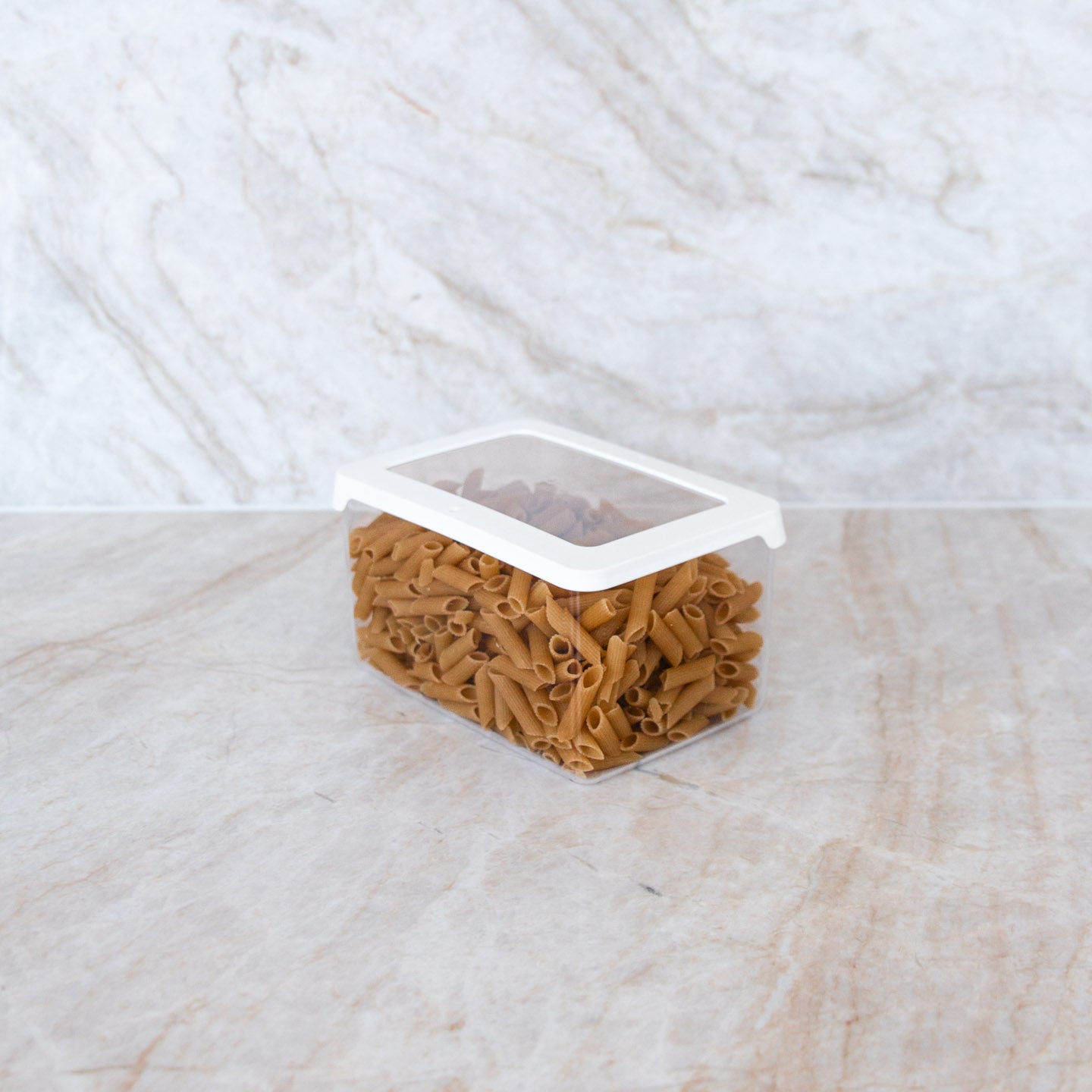

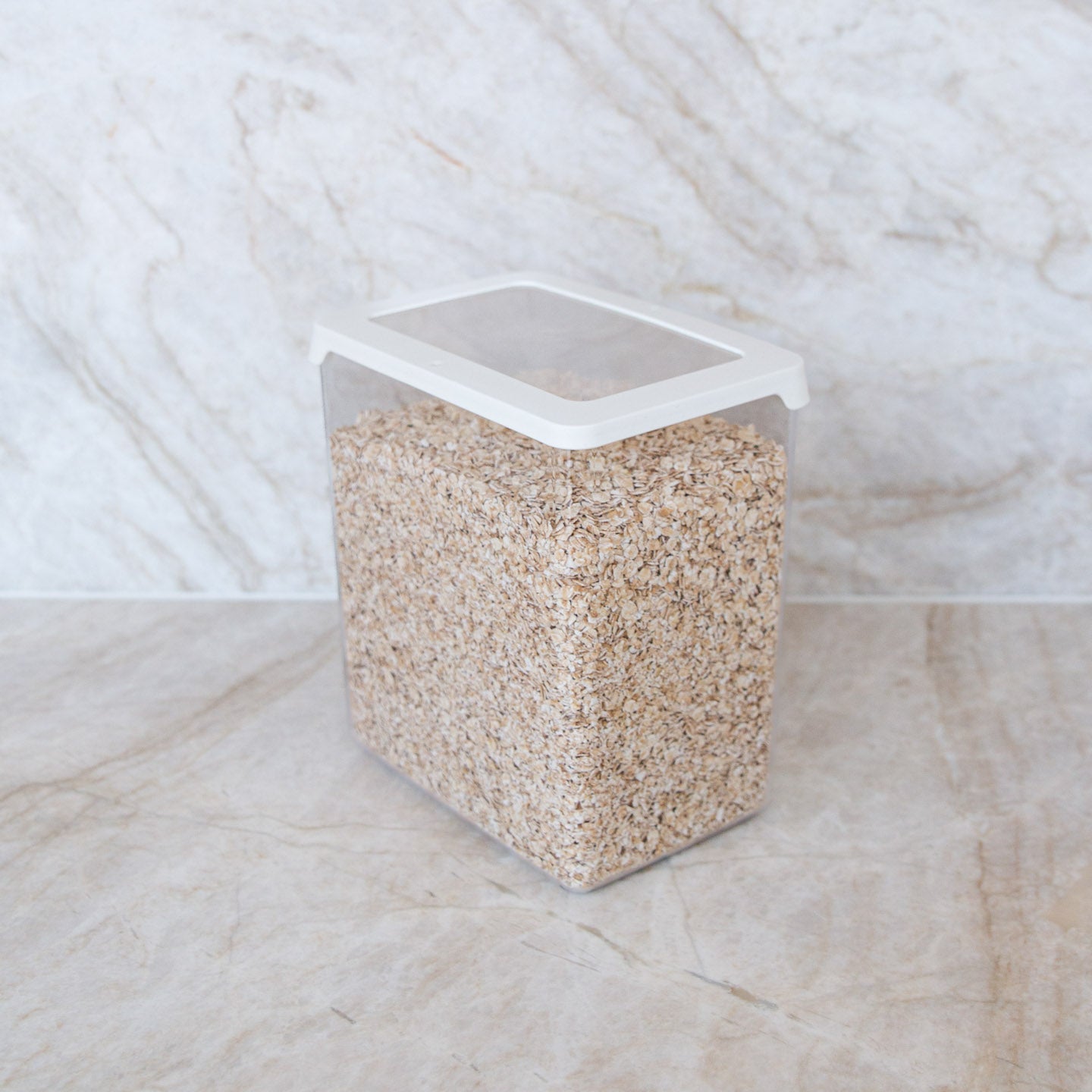

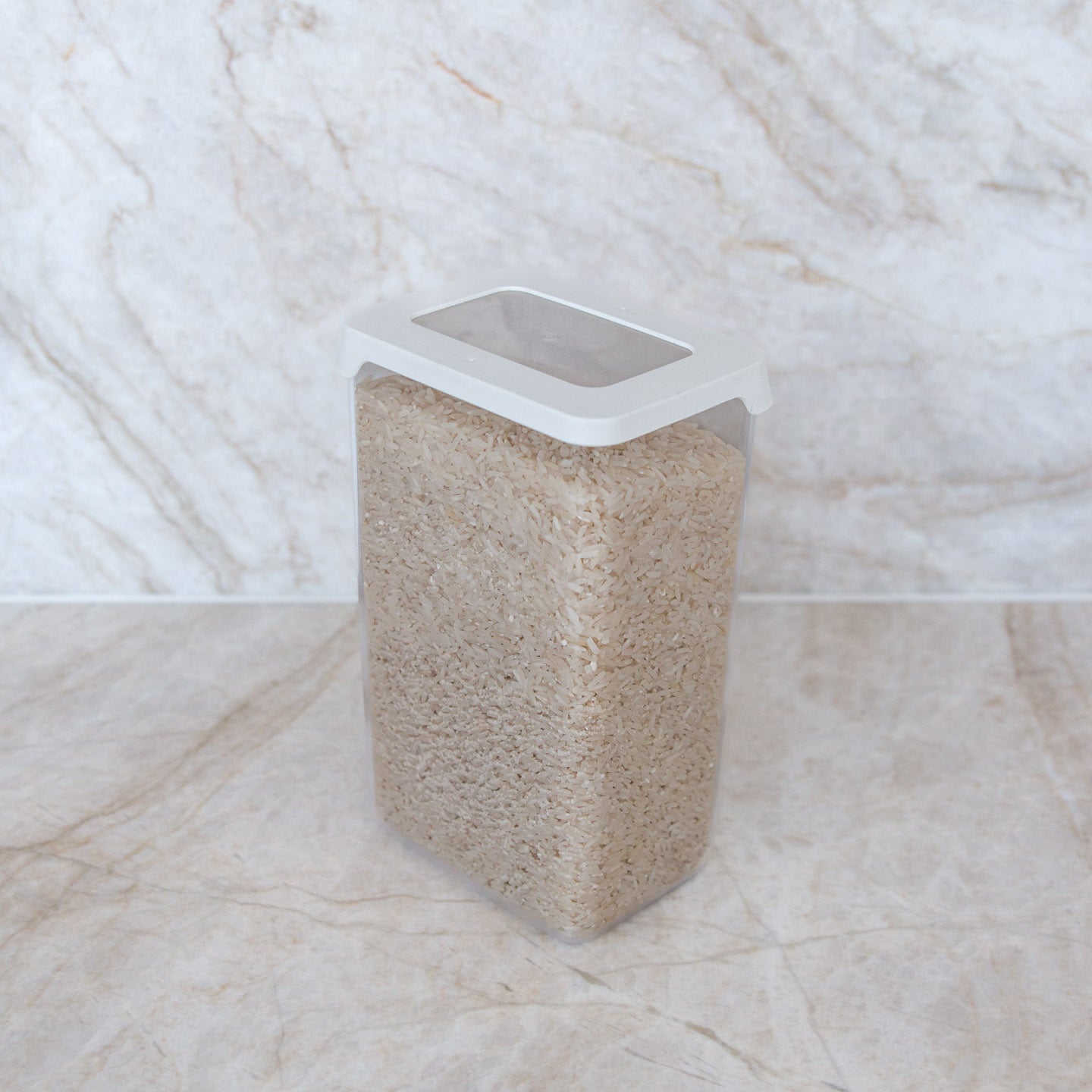

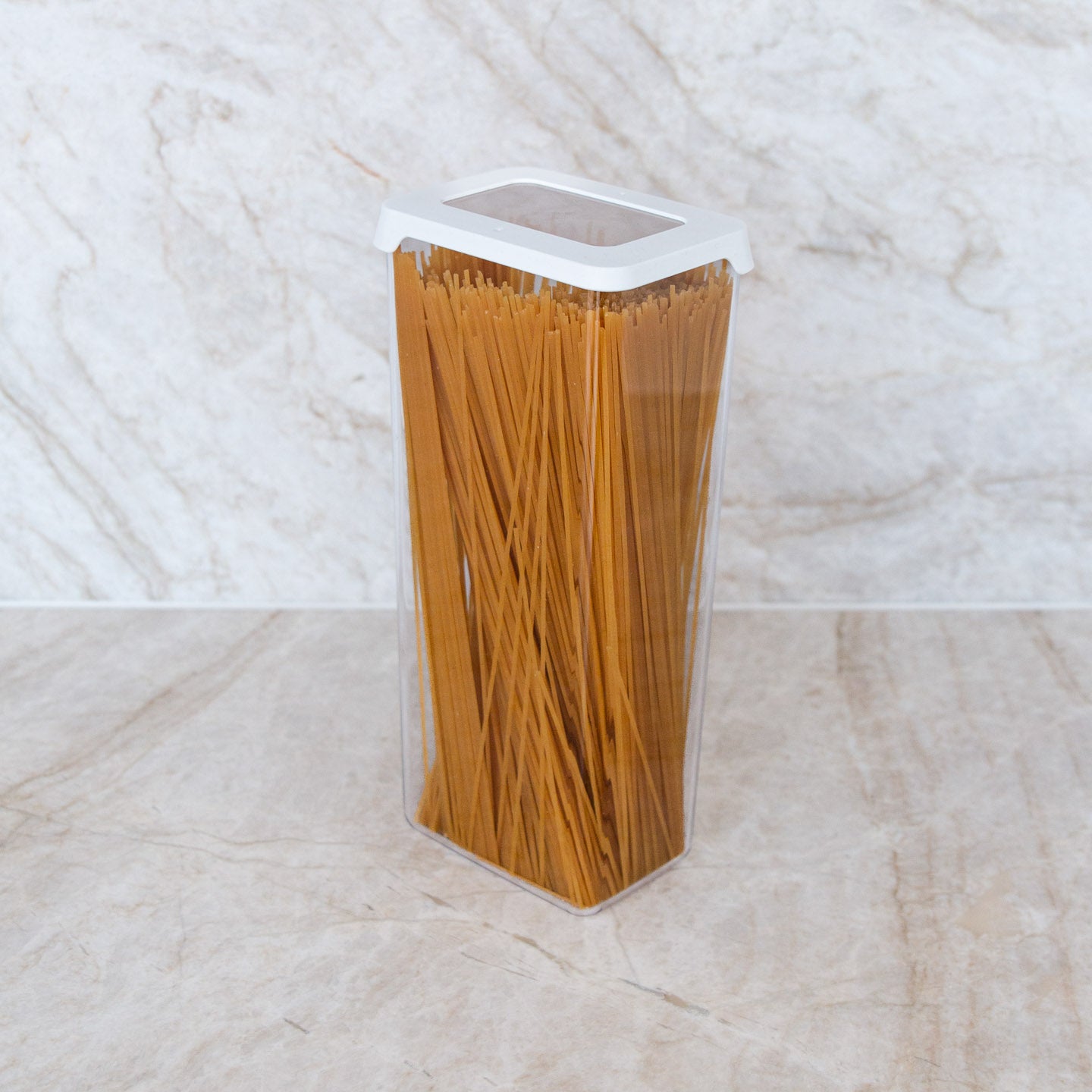





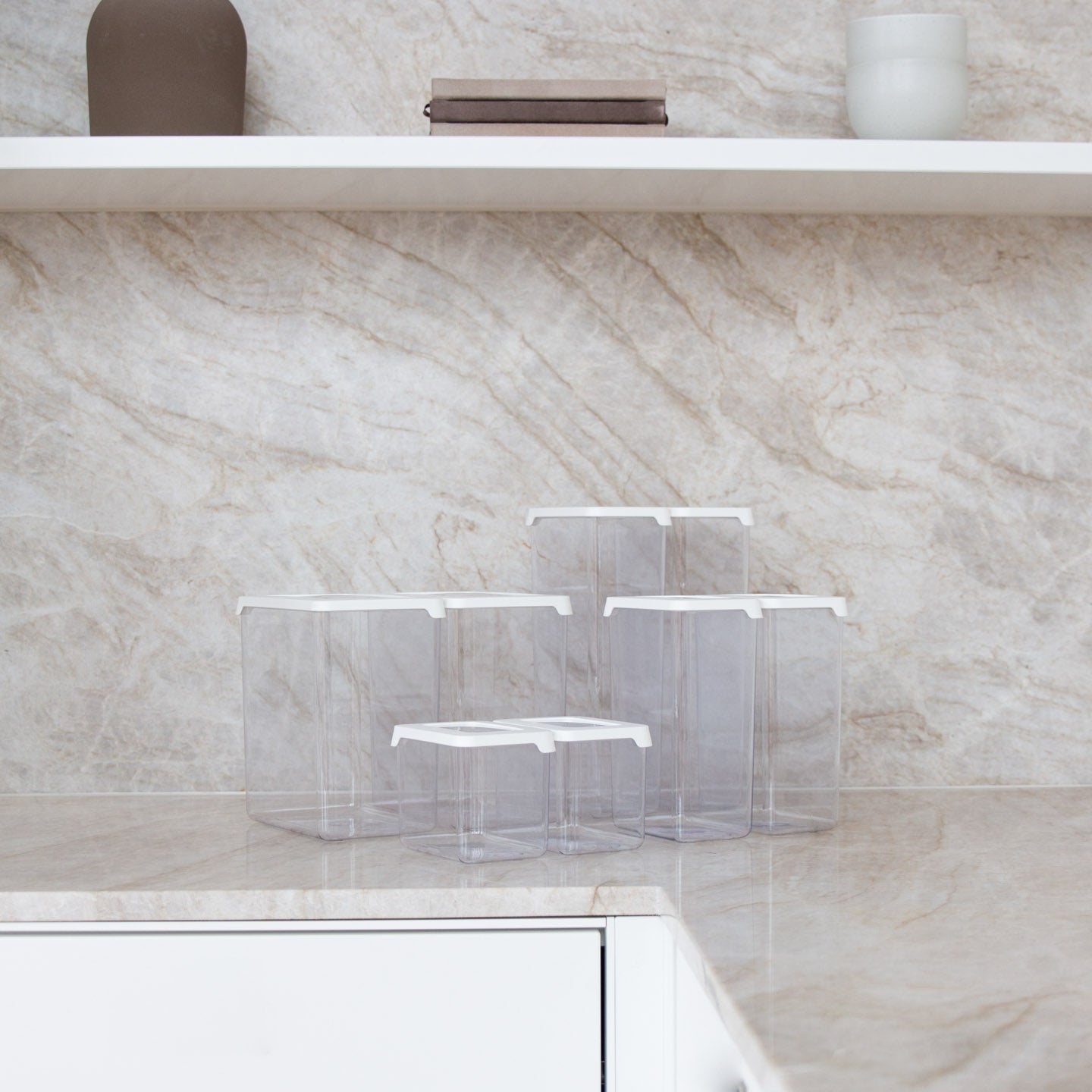

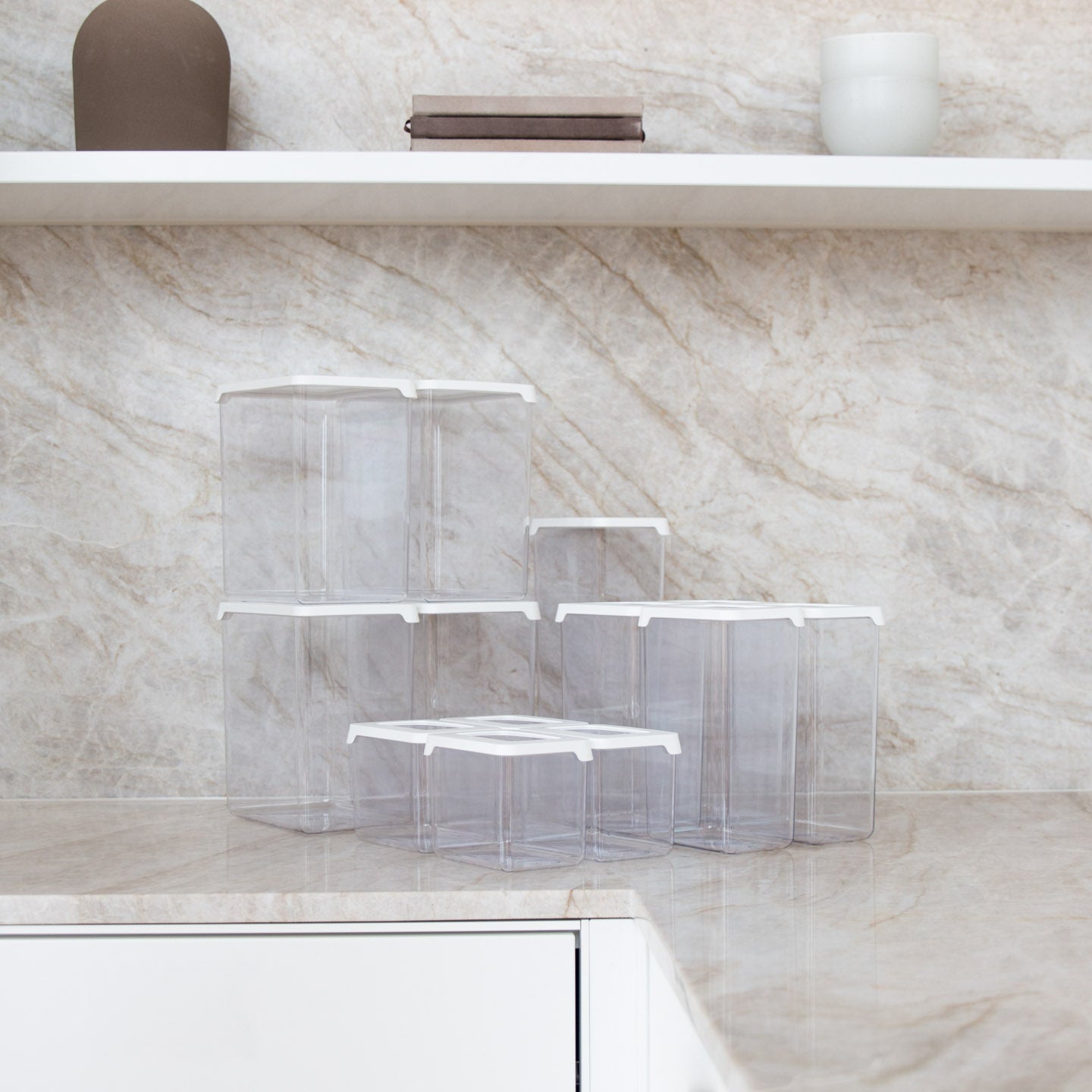

What size container fits a bag of flour?
A standard bag of wheat flour from the supermarket typically weighs 1 or 2 kilos, and flour takes up a bit more space than, for example, sugar, because it is airy and packs loosely. A good rule of thumb is that 1 kilo of wheat flour takes up about 1.6 to 1.8 liters when poured loosely into a container. If you want to empty a whole 1-kilo bag directly into the container without having to store any leftovers, you should therefore choose a container of at least 1.6 liters, and preferably a bit more, so you have room to stir with a spoon or a measuring cup.
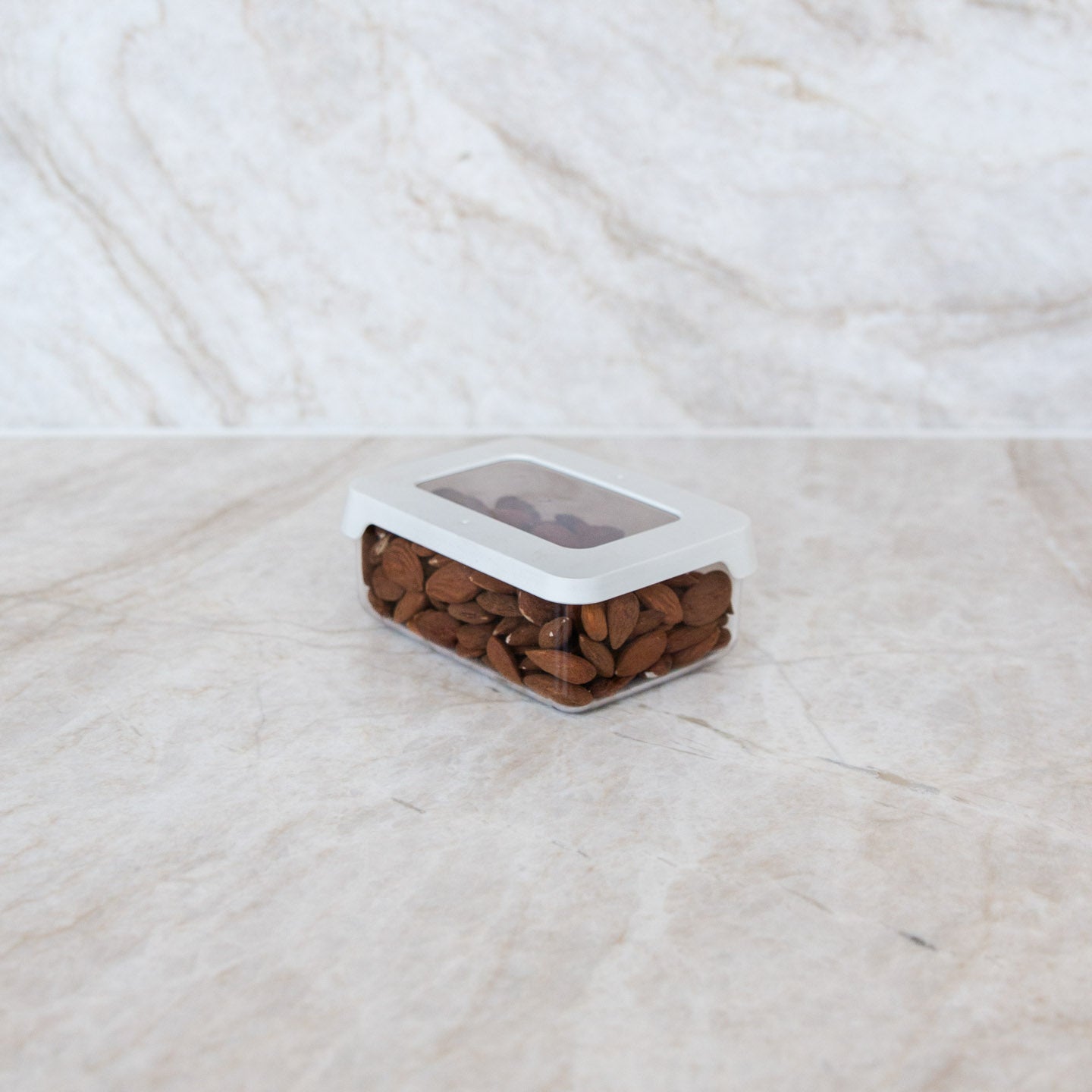
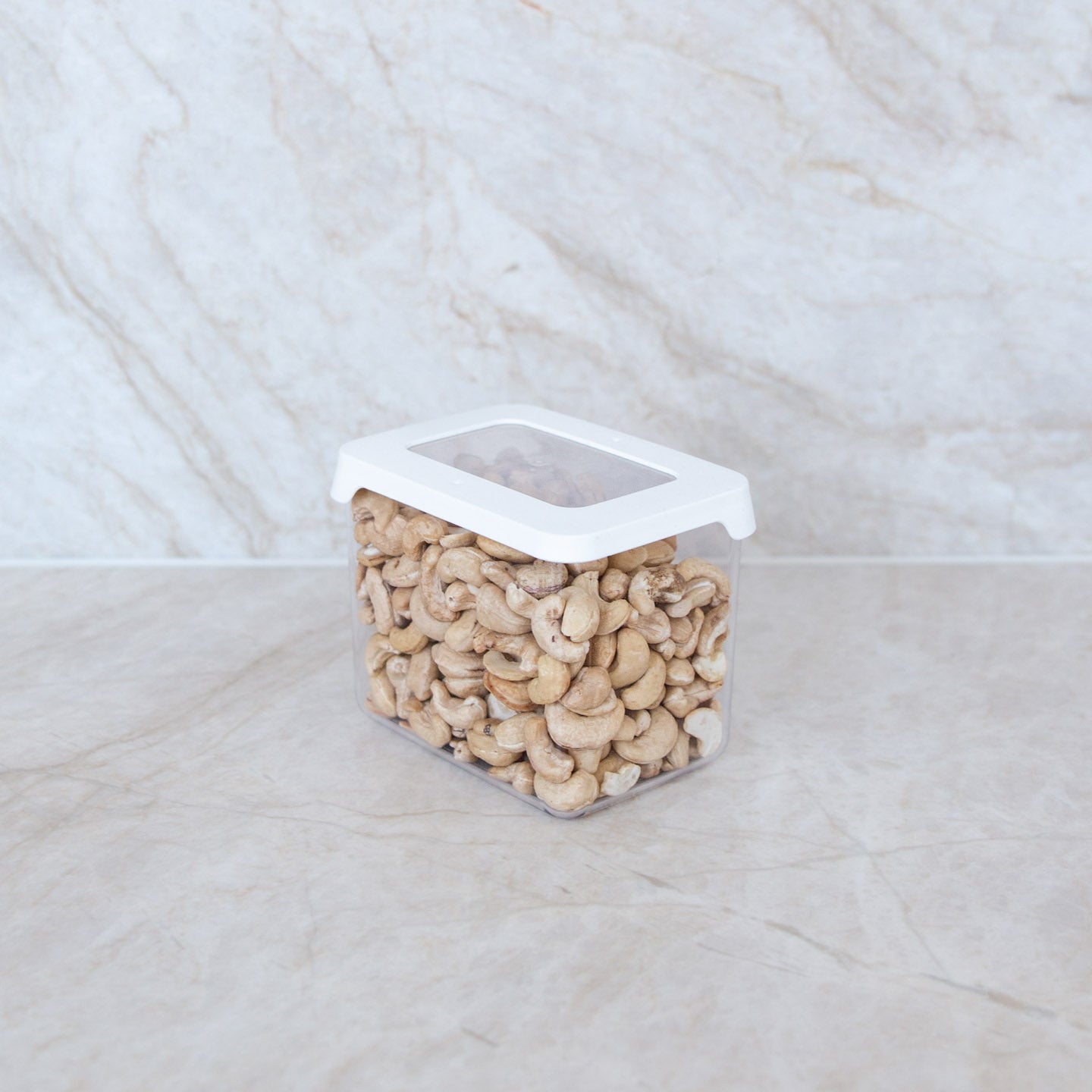
Therefore, the 1.65-liter storage container and the 2.25-liter one are the two most obvious choices for flour. The smaller of the two holds exactly one kilo, while the 2.25-liter one provides extra space if you bake a lot or want to keep an opened bag plus a little extra in the same container. If you bake in large batches, or if you have both wheat flour and a coarser type of flour, the 3.5-liter one can take a whole 2-kilo bag in one go. See the full selection of storage containers, so you can assemble the sizes according to how much you actually use.
How to keep your flour dry and free from flour moths
Flour is vulnerable to two things: moisture and pests. If the flour draws moisture, it clumps and can mold, and an open bag in the cupboard is an open invitation to flour moths, whose larvae can gnaw through paper and thin plastic. A container with a tight-fitting lid keeps both problems out. The flour is kept dry, and should there already be eggs in the flour from home, any moths will at least be kept inside that one container instead of spreading to the rest of the pantry.
The containers here have a click-lid that seals tightly around the edge, so you avoid moisture from a steamy kitchen or insects from the cupboard finding their way in. A few extra habits help the flour along: store the container in a cool and dark place, always dry the container completely inside before refilling with new flour, and never mix fresh flour on top of an old residue that has been sitting for a long time. If you want to be completely sure, you can place a bay leaf in the container, which many bakers use to keep flour moths at bay.
Transparent containers provide an overview while you bake
The flour container is not something you put away and forget. It needs to come out every time you bake buns, make pancakes, or thicken a sauce, so it matters that you can see how much is left without opening the lid. The containers are transparent, so you can see at a glance if there is enough flour for the weekend's baking, or if it needs to be on the shopping list. This saves you from the classic situation where the dough is being prepared, and the bag turns out to be empty.
The square containers also stand stably next to each other and utilize shelf space better than round jars, which leave air in between. If you have flour, sugar, oatmeal, and baking powder standing together, you get a uniform row that is easy to overview. If you want to make it even clearer, you can put labels on them, so you immediately know the difference between wheat flour and, for example, whole wheat flour or potato starch.
Containers with wooden lids for flour on the kitchen counter
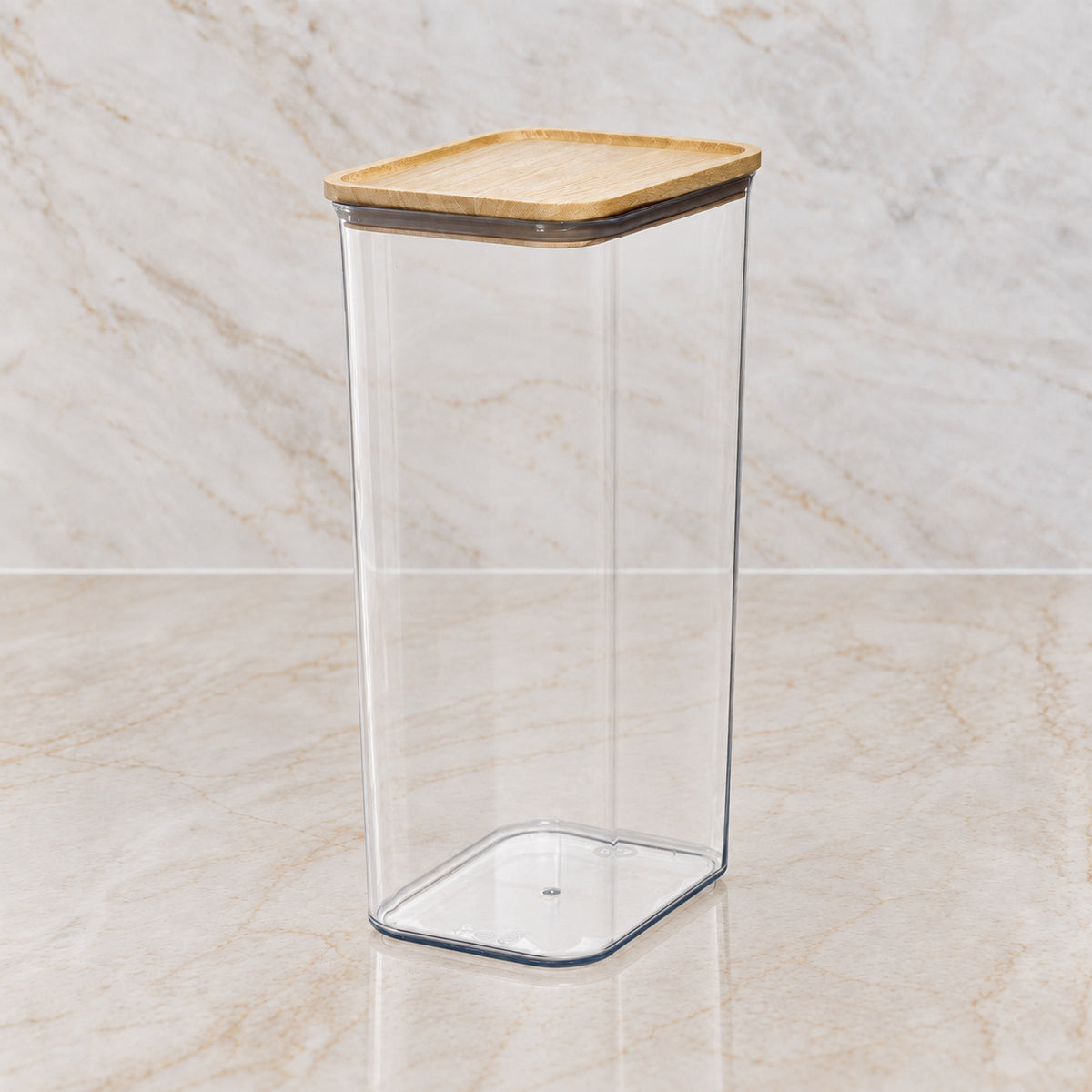
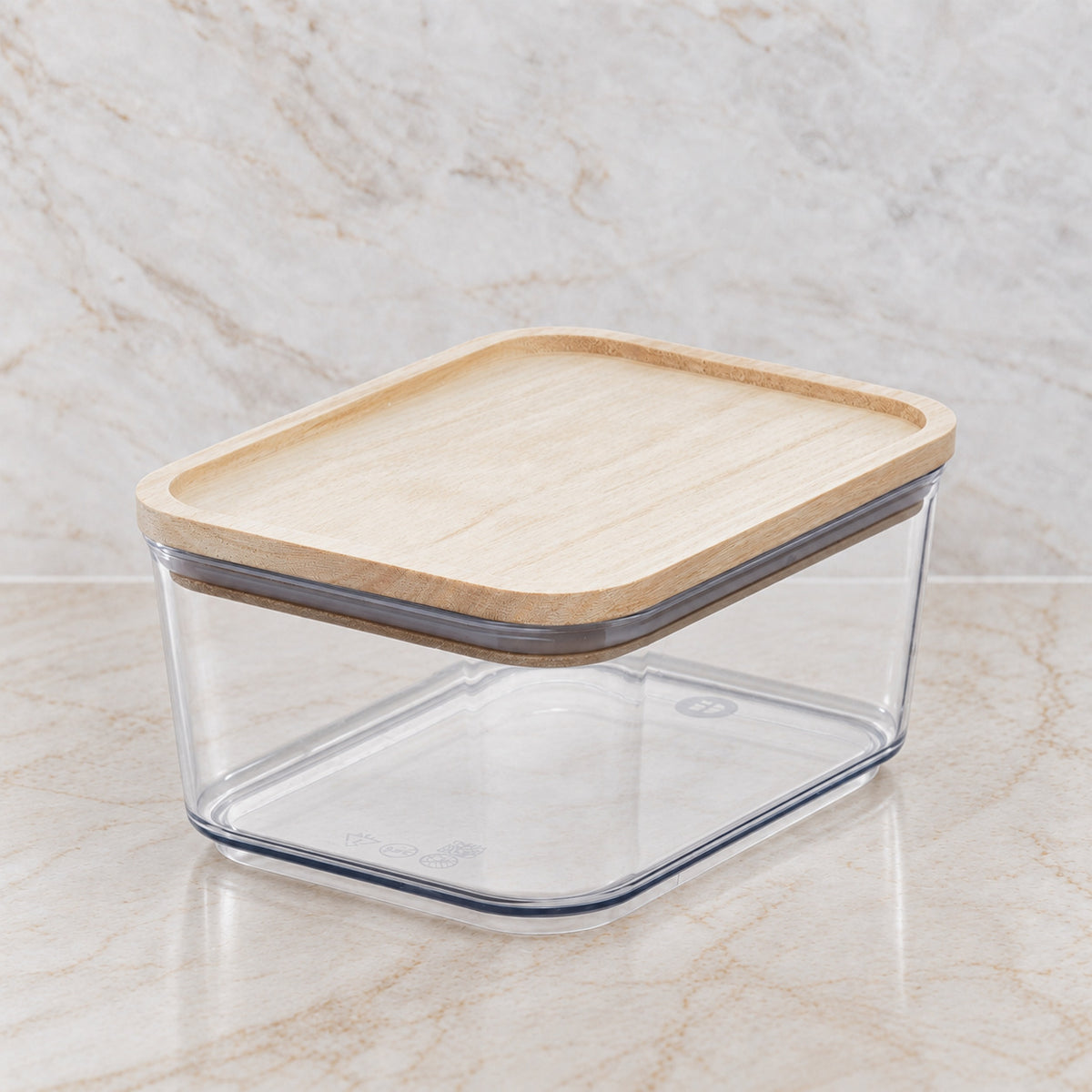
If you want to keep your flour on the countertop or on an open shelf instead of hidden in the cupboard, the containers are also available with wooden lids. The wooden lid gives a warmer, more natural look than the plastic lid and suits a calm, feng shui-inspired kitchen, where natural materials like wood, bamboo, and glass help create a sense of peace. The large 4.4-liter variant holds plenty of flour for the diligent baker, while the small 0.84-liter one is suitable for a smaller amount you use often.
If flour is part of a larger dry goods corner, it might be worth gathering everything in the same series, so the containers match jars and glasses all the way through. Look at our storage jars if you want a consistent look across flour, grains, pasta, and rice.
Several types of flour? Combine them in a package solution
Few people stick to just one type of flour. There's usually wheat flour for everyday baking, a coarser variety for rye bread and rolls, and perhaps potato starch or cornstarch for thickening. As soon as you have more than one, it makes sense to have a container for each in different sizes, so you use the most space for what you use most of, and a small container of 0.35 or 0.8 liters for what you only use now and then.
Instead of buying the containers individually, you can start with a complete package solution of storage containers that gives you several sizes at once, or the large package solution if you want to organize your entire dry goods corner at the same time. This way, from day one, you have a complete system instead of a mixture of bags, clips, and half-empty containers. If you want to read more about how to approach flour storage, we have gathered specific advice in the guide containers for flour.
Easy to clean between each type of flour
Flour settles in corners and leaves a fine dust, and if you switch from one type of flour to another, you'll want to be able to empty and wipe the container completely clean first. The square containers have rounded internal corners and a lid that can be completely removed, so you can reach everywhere with a cloth. It's a small thing, but it means you actually clean the bottom instead of filling new flour on top of old dust, where flour moths thrive.
If you have any questions about which sizes best suit your kitchen and your baking, we are always ready to help.
Det siger vores kunder
Udvalgte anmeldelser fra Trustpilot.
Nadiya Kingo
The most beautiful storage jars and fantastic service. Highly recommended 🥰
Marie Bisgaard
Great service and good products Great service and good products. And reasonably priced.
Diana Guhle
Fast delivery and the product completely meets my expectations. I think I'll get more.
Pia Nielsen
Fast delivery. Good products. Affordable prices. Multiple uses for the products.☀️👍🏼🤗 5 stars from here