

Filters
8 products
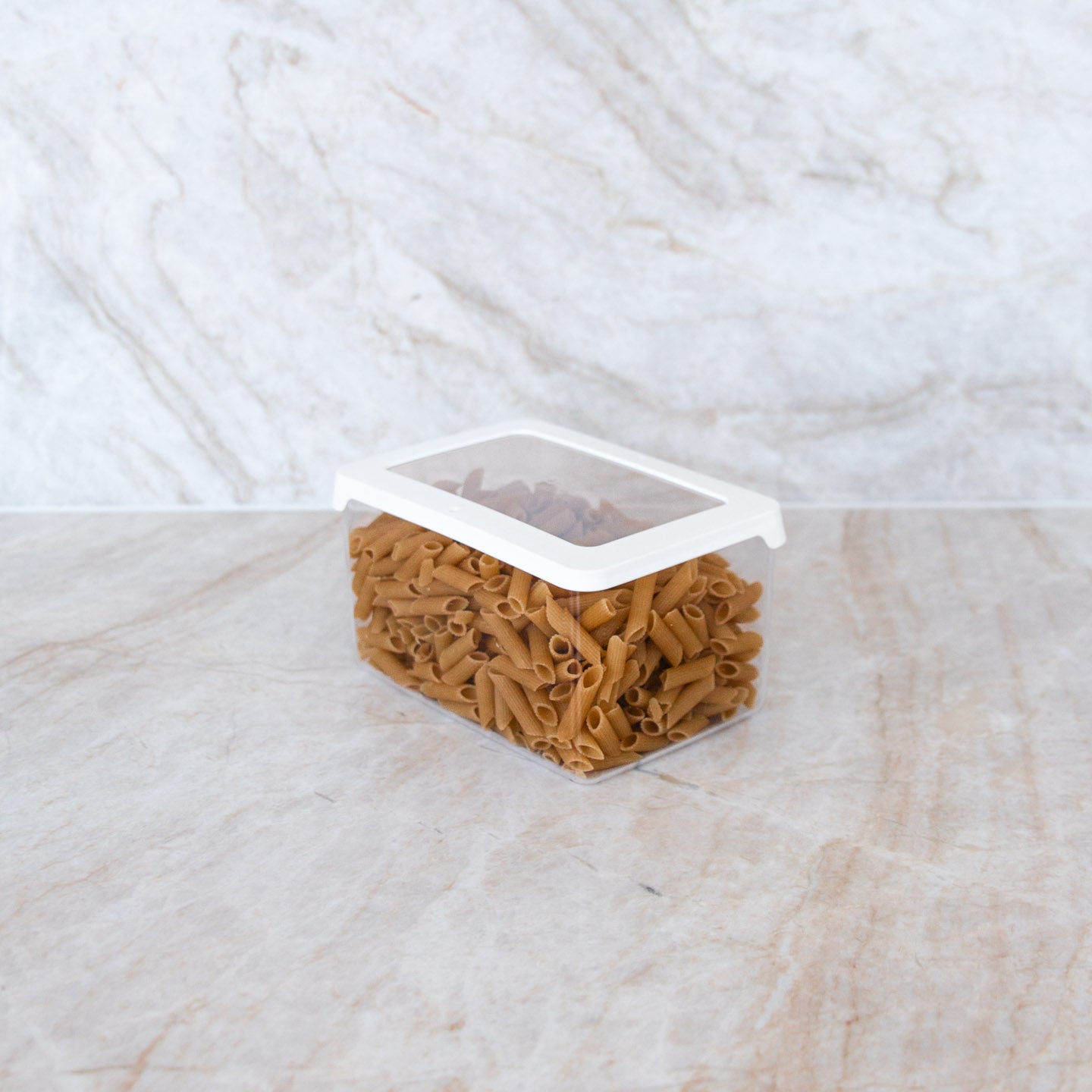

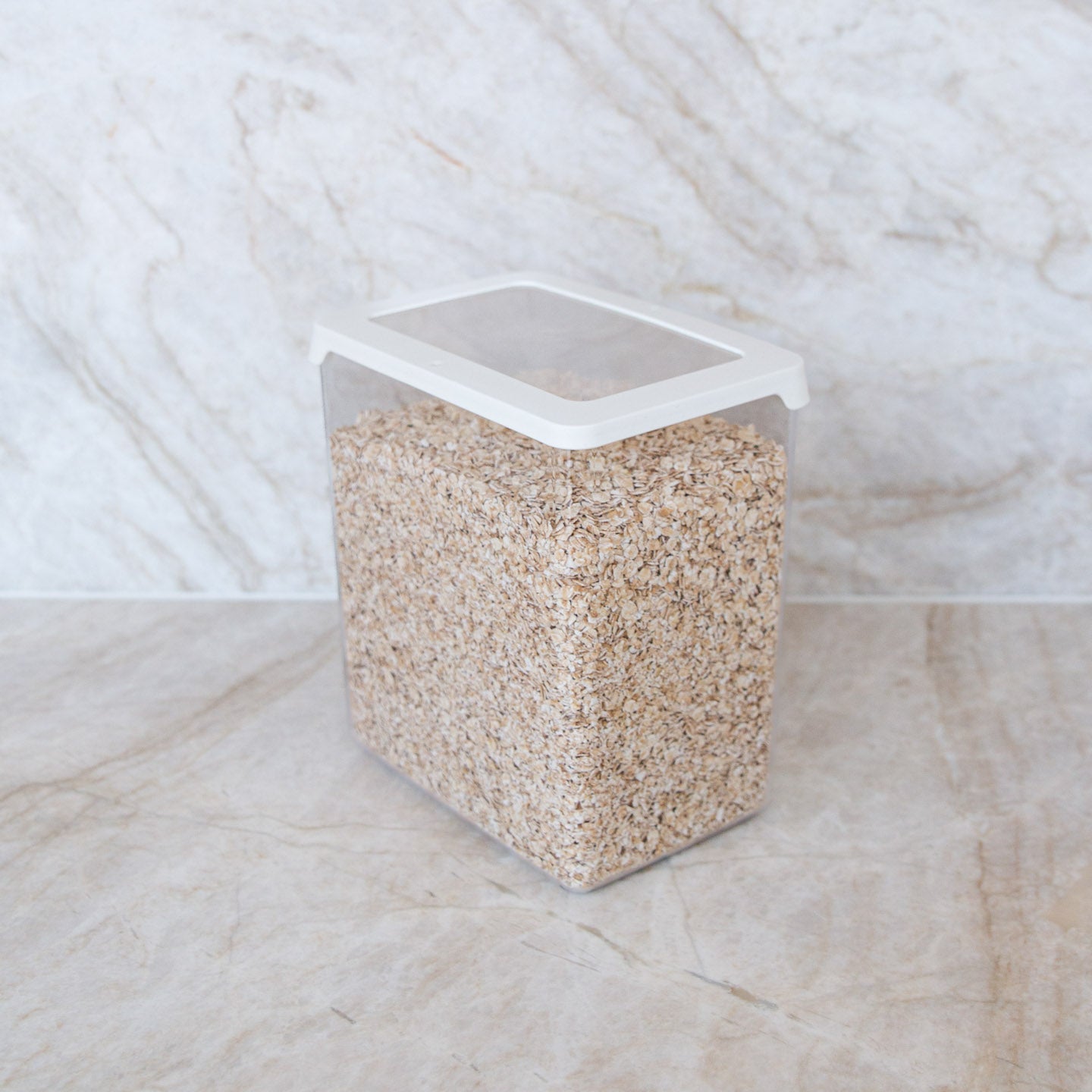

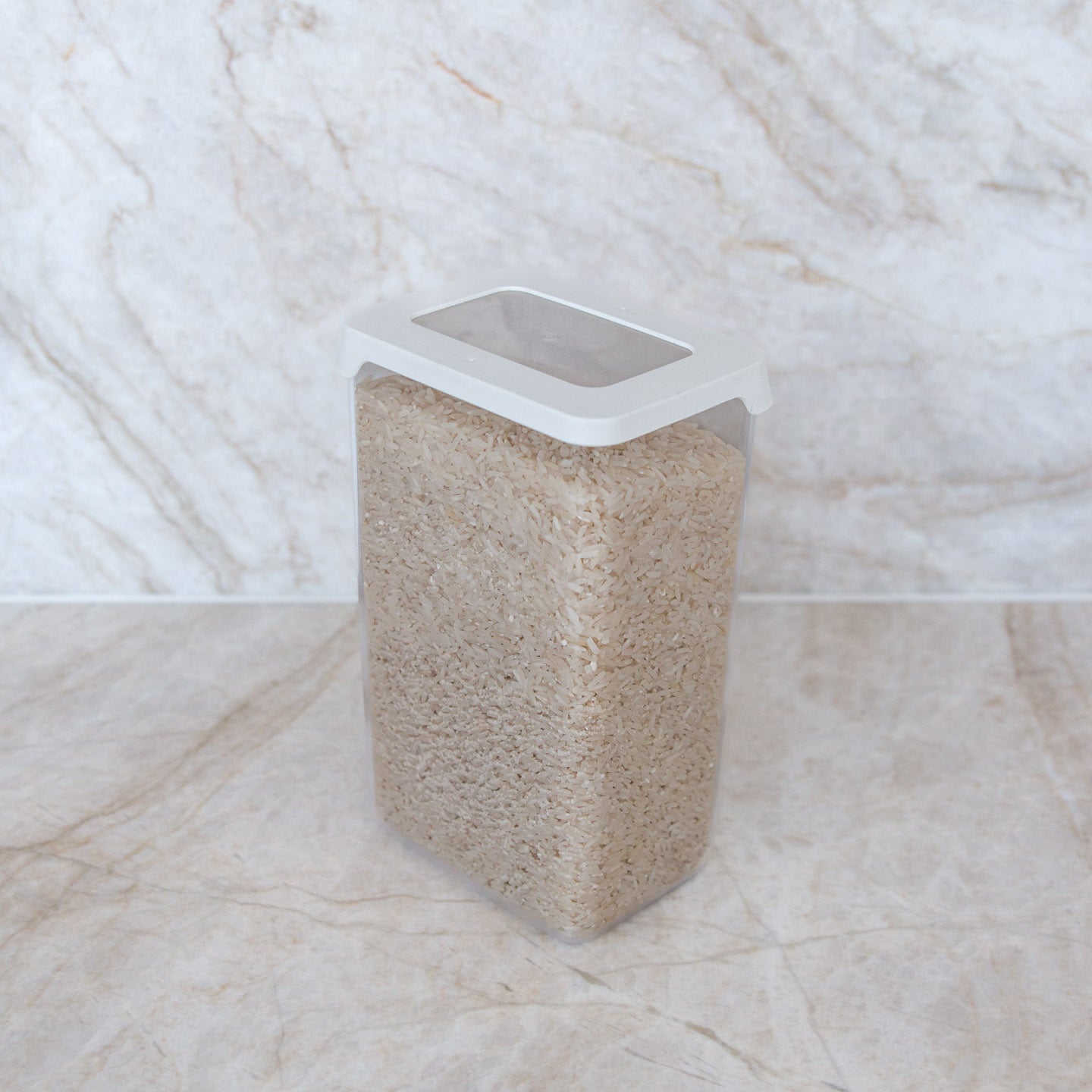

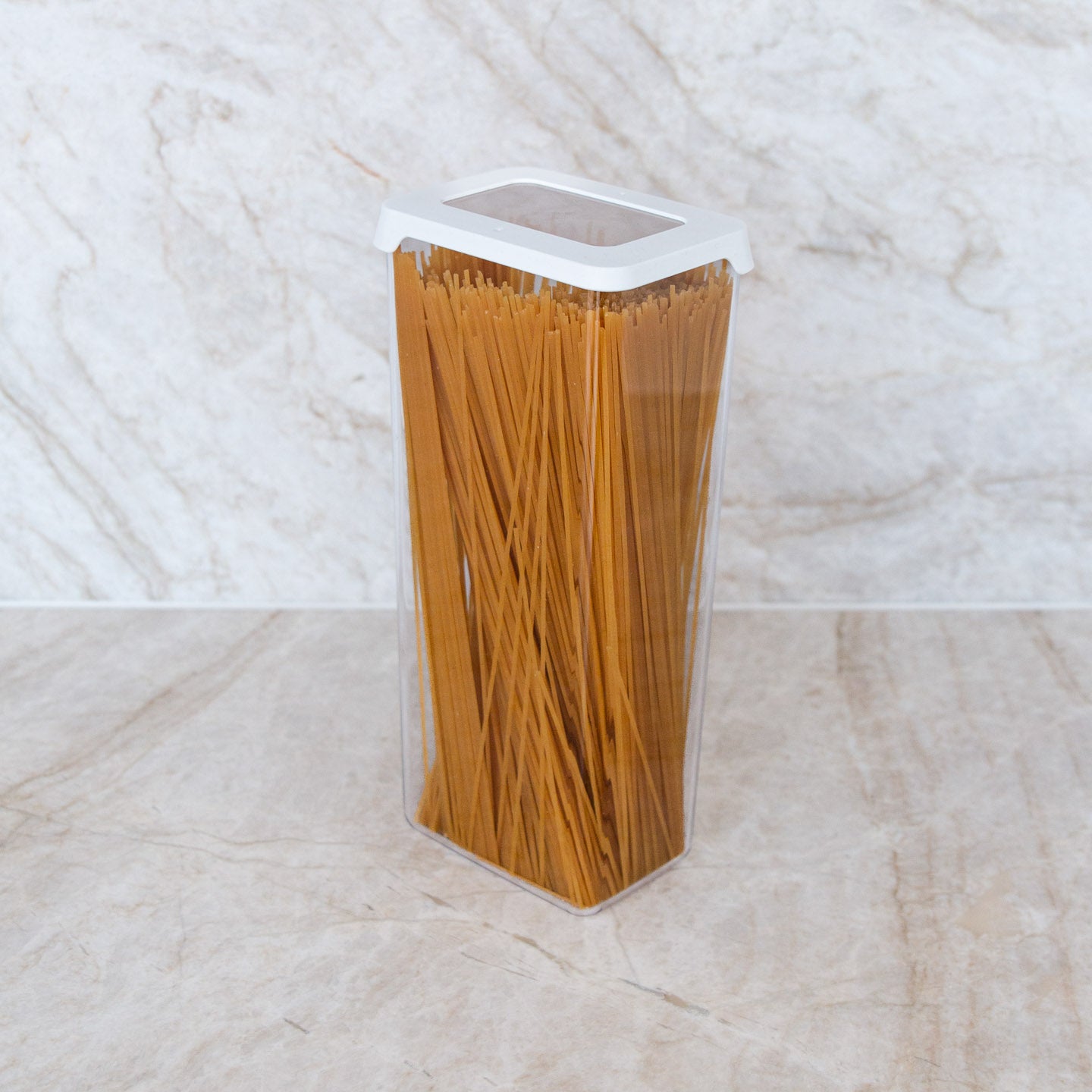

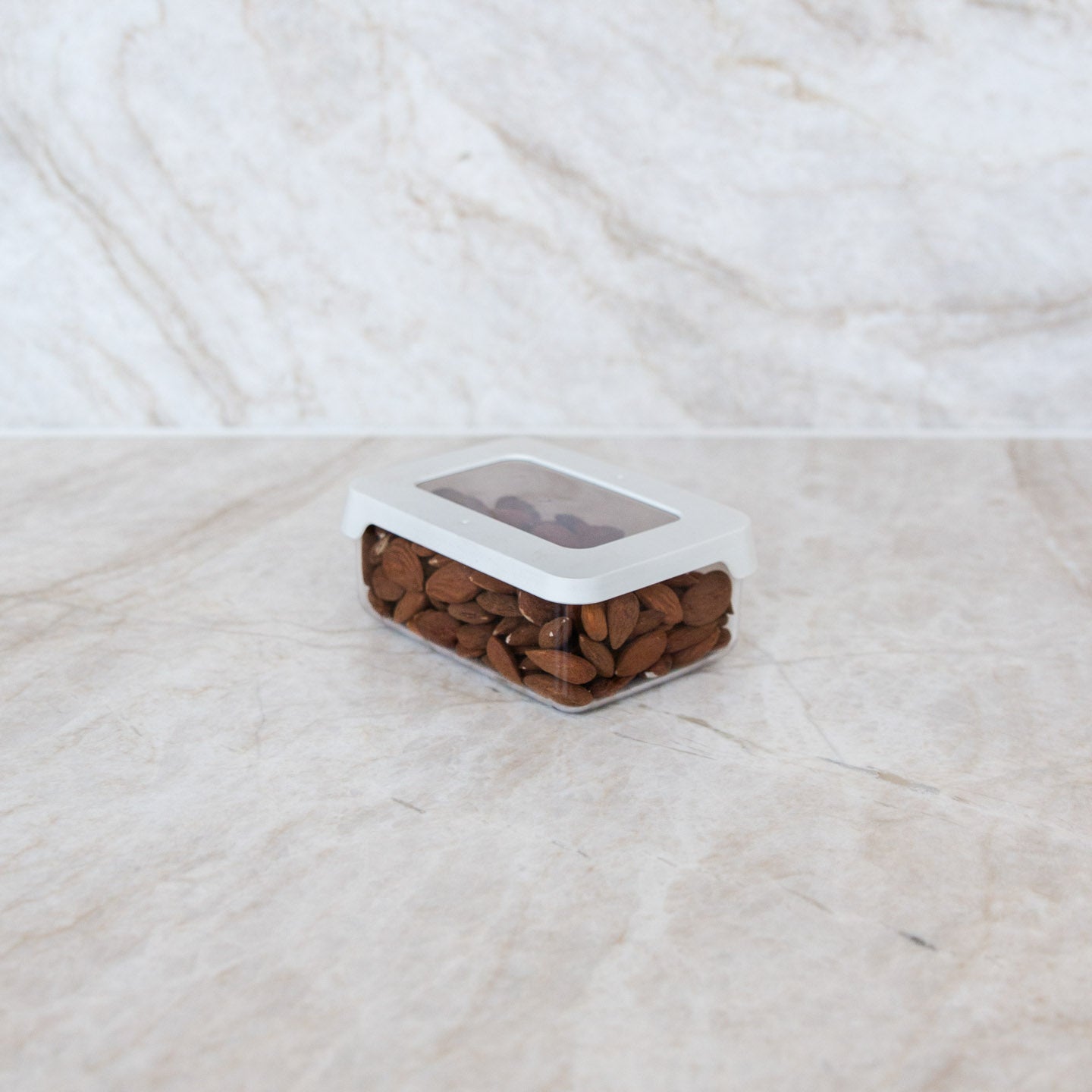

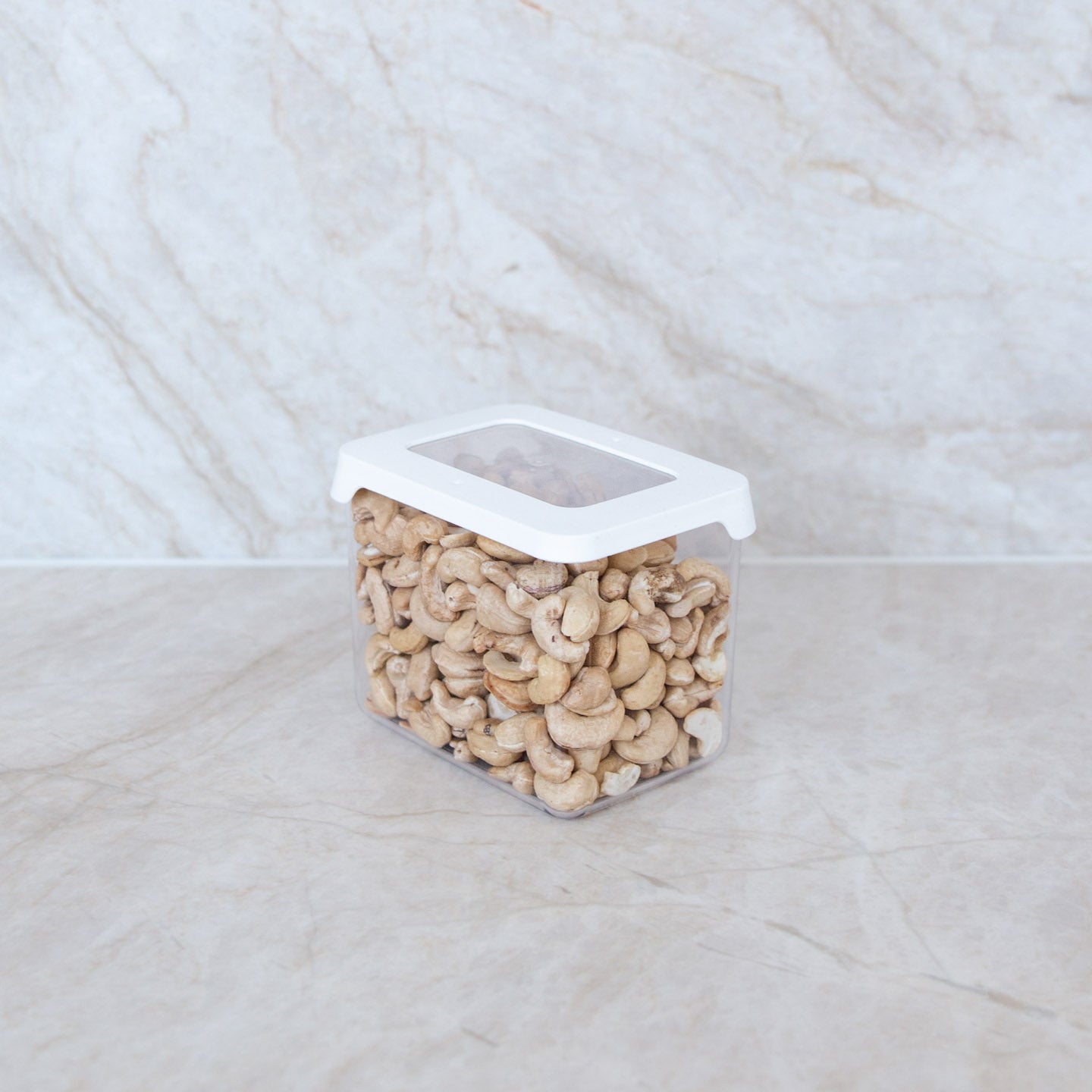



Containers that can go directly into the freezer
If a container is going into the freezer, it needs to do two things in particular: withstand the cold without becoming brittle and cracking, and seal tightly around the food so it doesn't dry out or absorb freezer odors. These containers are made of freezer -safe plastic and have lids that click shut, allowing you to portion out dinners, leftovers, and meal prep and place them directly on the freezer shelf.
A good rule of thumb when freezing food in containers: don't fill them all the way to the rim. Food containing liquid expands when it freezes, and you will need that air. Fill to a couple of centimeters below the lid, put the lid on, and you will avoid the container bulging or bursting in the process.
If you want to see the entire selection of airtight containers, you can find them under storage containers with lids and specifically for freezing under freezer containers.
Portion sizes from 0.35 to 4.4 liters
What really makes a freezer manageable is having the right sizes for what you are actually freezing. A large portion of soup or a stew takes up different space than two meatballs for a packed lunch, and if everything is in the same size container, you are wasting space.
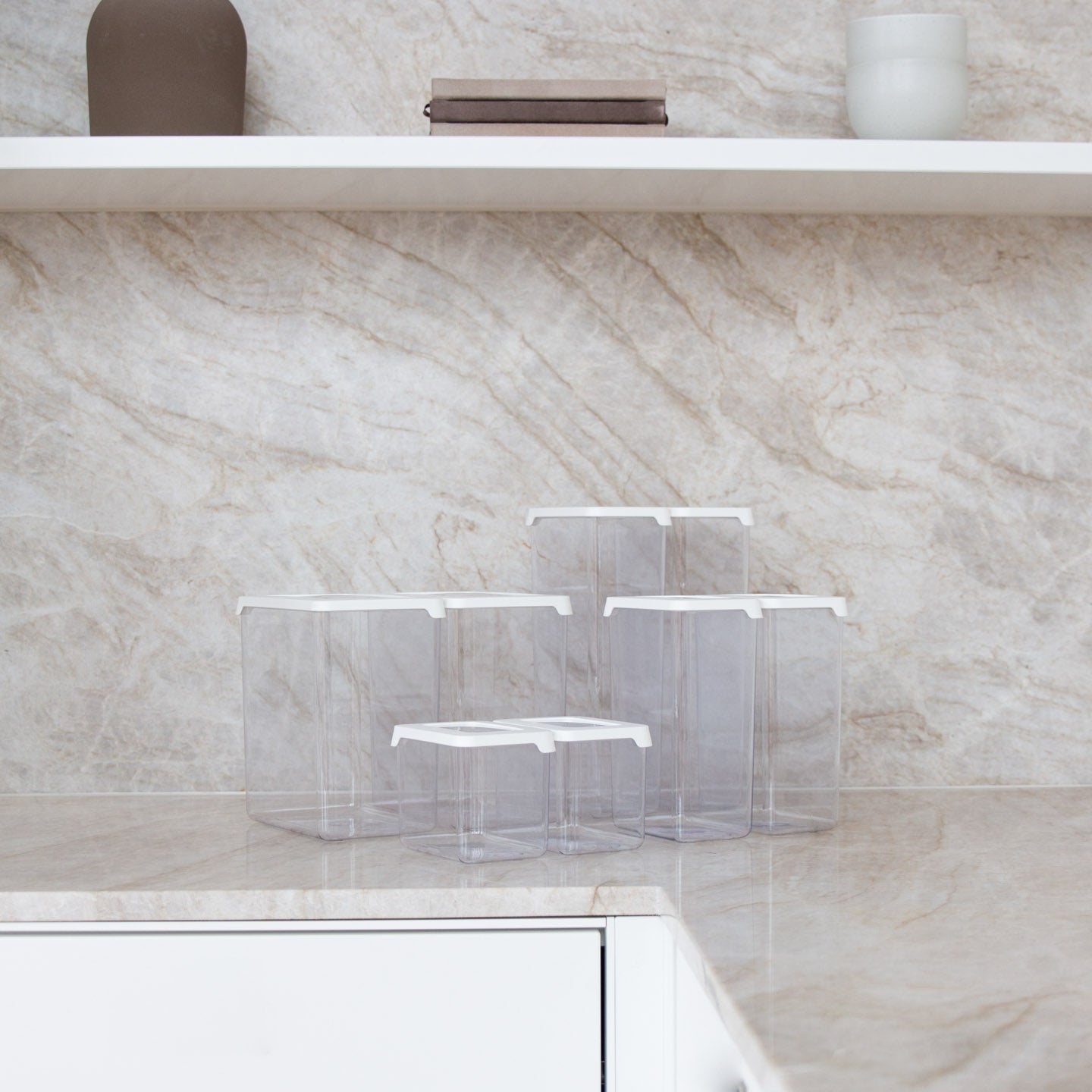
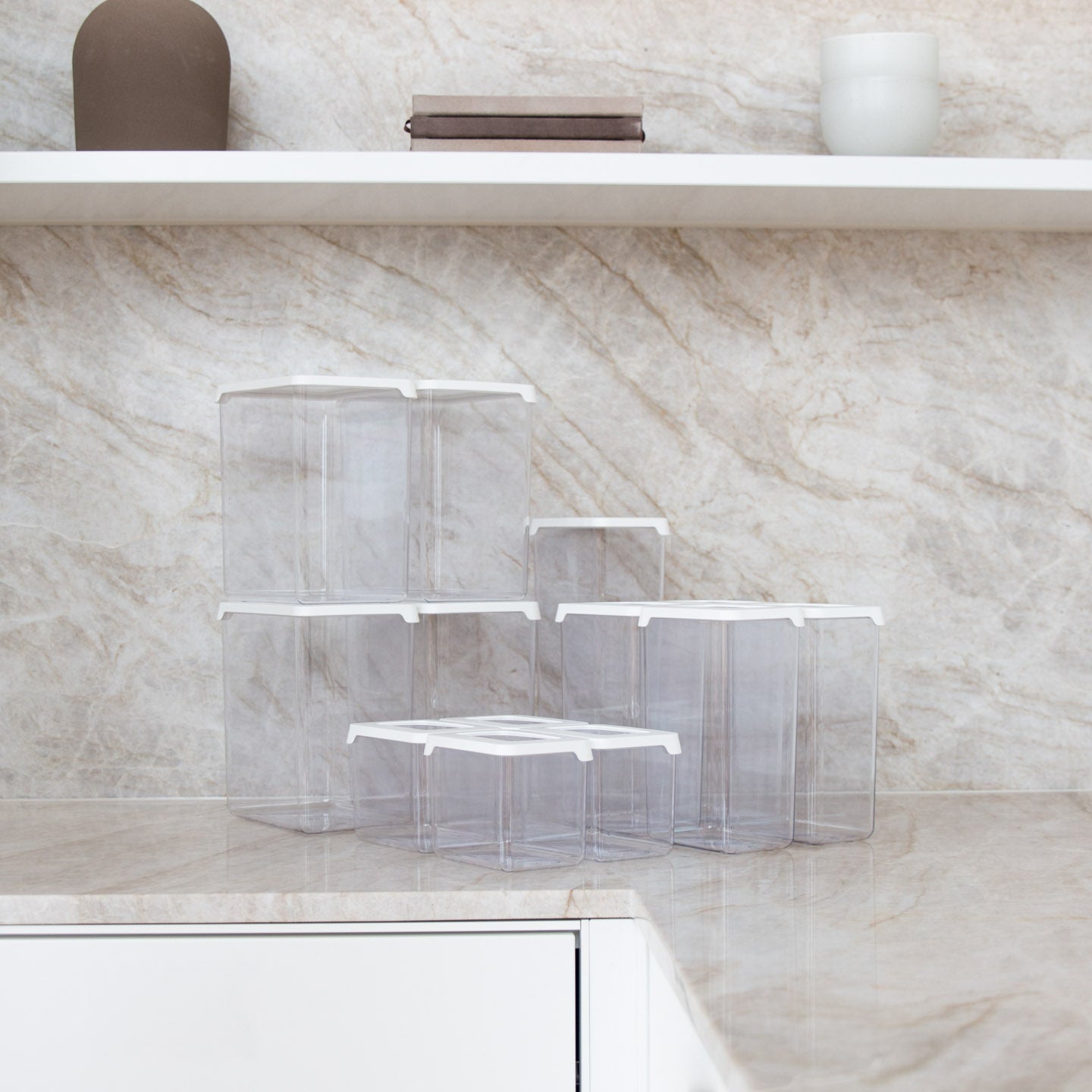
These containers range from a small dry goods storage container of 0.35 L for single portions, pesto, or frozen herbs, up to a 3.5 L storage container for whole family-sized stews or a larger portion of bolognese. In between, there are 0.8 L, 1.6 L, 1.65 L, and 2.25 L, so you can freeze in exactly the amount you usually thaw at one time. That is the whole point: if you freeze in the portion you use, you avoid pulling out a huge chunk and thawing the whole thing when you only need half.
If you need several sizes at once, there is a storage container bundle and a large storage container bundle available so you can get started with a complete set from the beginning.
How to make the most of the space in the freezer
A freezer quickly becomes a chaos of bags that freeze together and packages without dates. Square containers solve a large part of that because they can stand edge to edge and be stacked on top of each other, whereas a round bag or container leaves gaps. You get more square centimeters out of every shelf, and you can see what you have instead of digging.
The square storage containers stand stably on top of each other, and because they have straight sides, you can put the same sizes in columns and use the freezer drawer like a small filing cabinet. If you have a freezer with drawers, try standing the containers on their side like folders that you flip through, instead of laying them flat. Then you can see the name of everything at once when you open the drawer.
A little piece of advice that saves a lot of trouble: write the contents and date on it before you freeze it. After a month in the freezer, a portion of meat sauce and a portion of chili look suspiciously alike. A piece of tape or a label on the lid ensures that you actually eat what you have frozen, instead of discarding it because you didn't dare to guess.
From freezer to thawing without any fuss
The advantage of freezing in containers rather than bags is that the food is already in its own container when you need to use it. You place the container in the refrigerator the night before, let it thaw slowly, and the food is ready without extra dishes. If you want to speed it up, you can place the closed container in a bowl of cold water.
A great feature of the square containers is that they fit into the same system throughout the entire kitchen. The same sizes you use for the freezer can be used for food storage containers in the fridge and for dry goods storage containers in the cupboard. That is the whole philosophy behind a storage system: one type of container that is consistent across the freezer, fridge, and cupboard, so you don't have to look for the right lid every time.
Glass or plastic containers for the freezer
These plastic containers are lightweight, can withstand being dropped, and take up less space when you stack them. This makes them perfect for the freezer, where you are constantly moving them around and want as many as possible on the shelf.
If you prefer glass because it is neutral to food and goes nicely from the freezer to the table, you can take a look at glass storage containers. With glass in the freezer, two safety precautions apply: avoid filling it all the way up so the glass has room for the food to expand, and don't move it directly from the freezer to a hot oven. Let it thaw in the fridge first so you avoid temperature shock. For daily freezing of leftovers and meal prep, plastic is the most flexible choice, while glass is nice when you want to be able to serve directly from the container.
Here's what our customers say
Selected reviews from Trustpilot.
Nadiya Kingo
The most beautiful storage jars and fantastic service. Highly recommended 🥰
Marie Bisgaard
Great service and good products Great service and good products. And reasonably priced.
Diana Guhle
Fast delivery and the product completely meets my expectations. I think I'll get more.
Pia Nielsen
Fast delivery. Good products. Affordable prices. Multiple uses for the products.☀️👍🏼🤗 5 stars from here