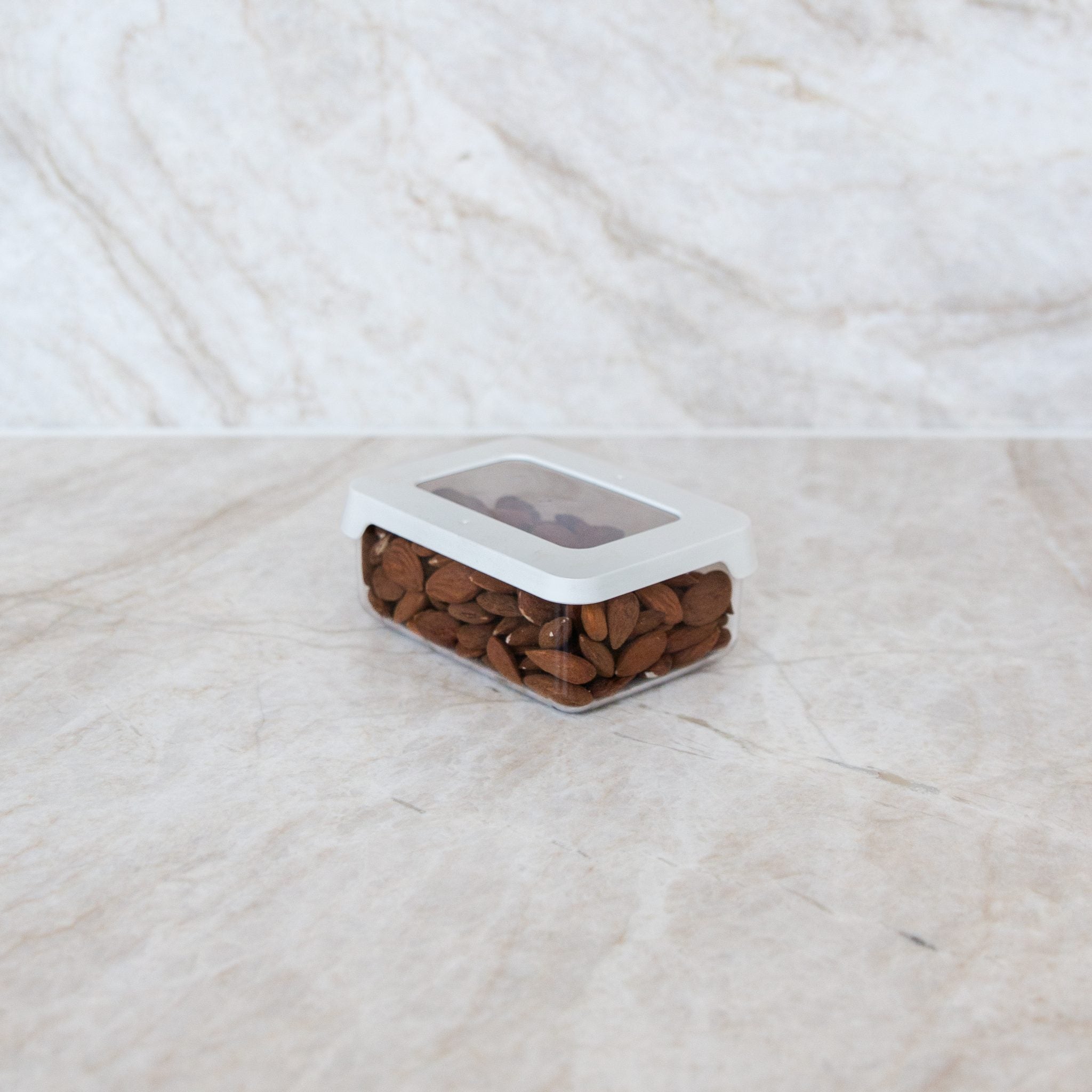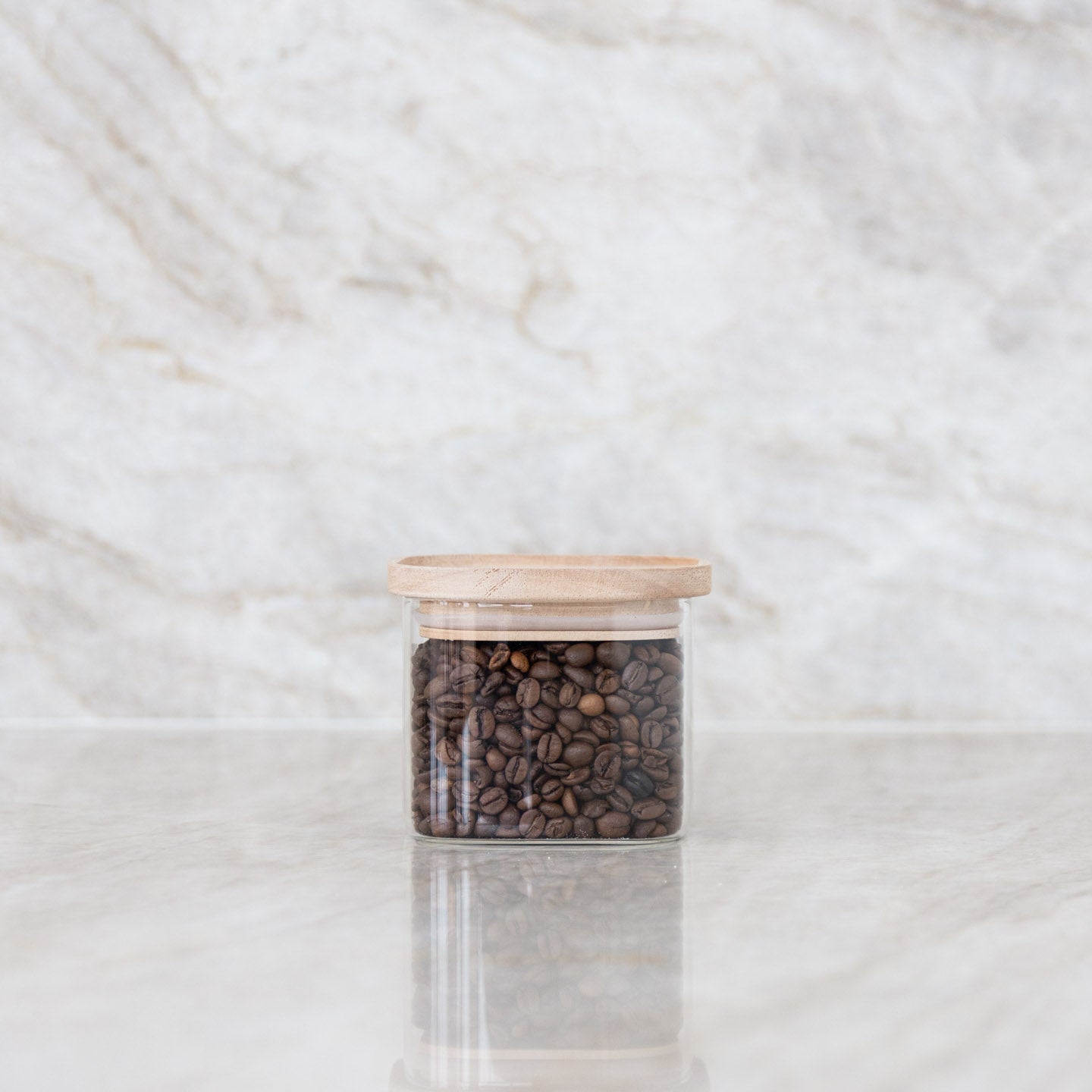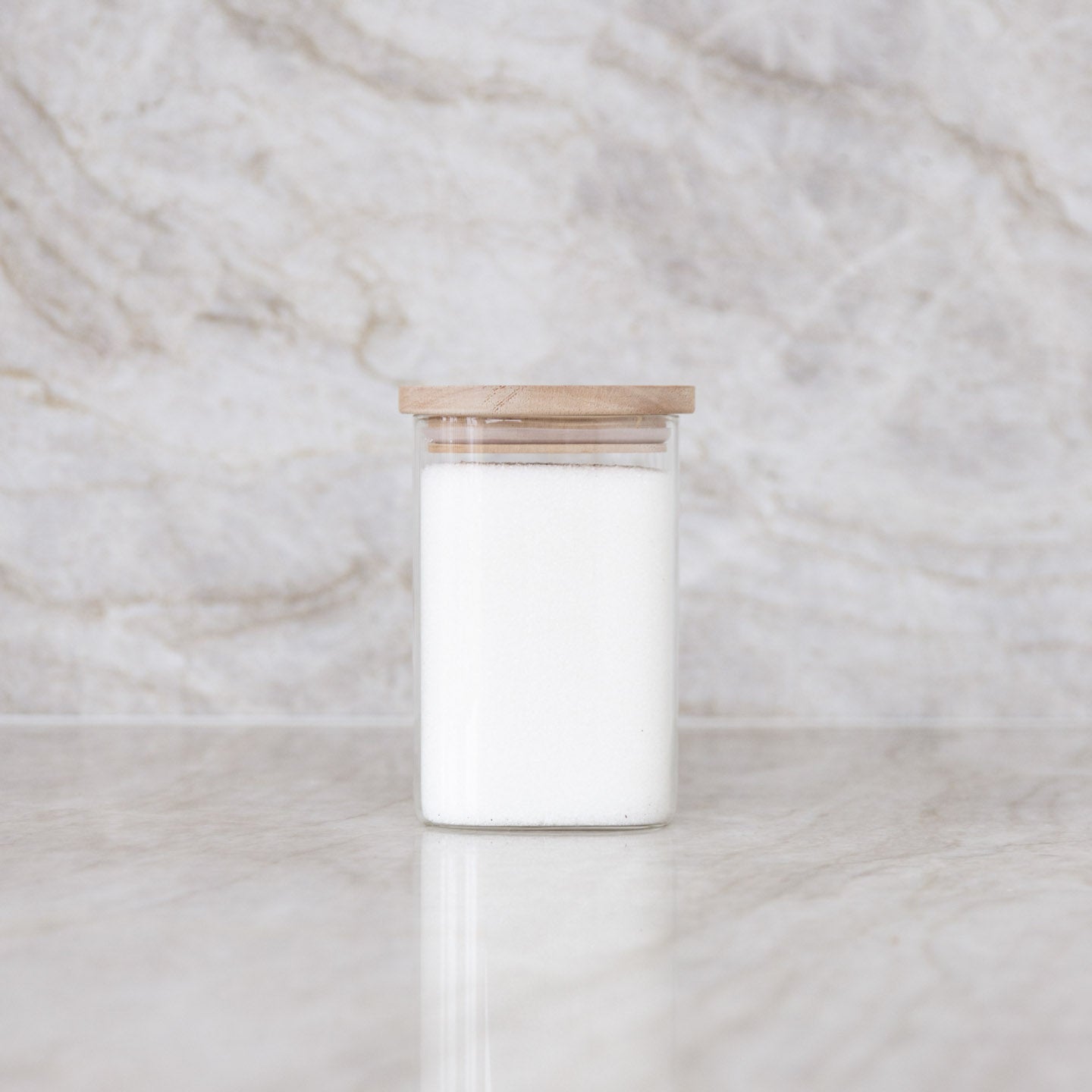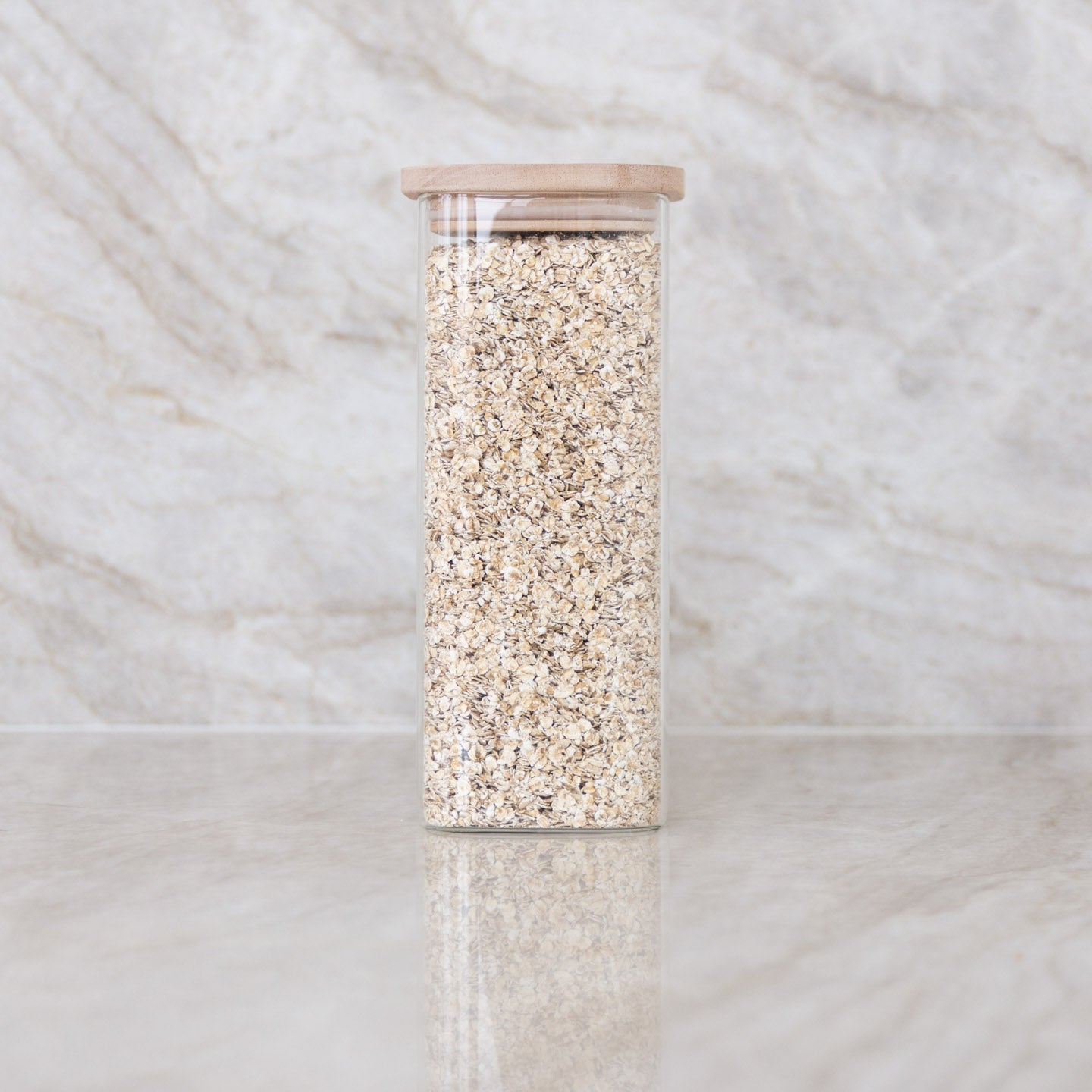

Dry goods are non-perishable food items with a long shelf life that you store at room temperature - meaning not in the fridge or freezer. These are typically flour, rice, pasta, grains, oatmeal, sugar, legumes, nuts, dried fruit, and the like. What they all have in common is a low moisture content, which is precisely why they can stay in the cupboard for a long time without spoiling. They are often the food items that take up the most space in kitchen cupboards and drawers and quickly become messy if kept in half-open bags.
Which food items are considered dry goods?
In short, dry goods cover everything dry that you have in the cupboard and use time and again. The most common are:
- Flour of all kinds and baking grains
- Rice, pasta, couscous, and bulgur
- Oatmeal and other breakfast cereals
- Legumes such as lentils, chickpeas, and dried beans
- Sugar, cane sugar, and other baking ingredients
- Nuts, seeds, and dried fruit
- Muesli and granola
Technically, spices also belong to dry goods, but they have their own place and are best stored separately. The same applies to coffee and tea, which many people keep apart from baking ingredients. As soon as a food item is dry and can be kept out without refrigeration, it counts here.
Why do dry goods last so long?
The short answer is the low moisture content. Bacteria and mold need moisture to grow, and when the food item is dry, it is difficult for them to thrive. That is why flour, rice, and legumes can be stored for months - sometimes longer - if stored correctly.
But precisely because they last a long time, there are two things you need to be aware of. Moisture is one: if moisture gets in, the product can clump or mold. Pests are the other. Flour moths and beetles easily find their way into an open bag, and they spread quickly from package to package in the cupboard. Therefore, good storage of dry goods is just as much about keeping things out as it is about keeping things fresh.
How do you best store dry goods?
Do you also have a lot of bags of flour, rice, and grains lying around, half-open and with a clip on them? You are not alone. It is easy to lose track when the items are in their original packaging and the bag topples over every time you open the cupboard. The solution is fixed containers and fixed places.
Here is how to get your dry goods in order:
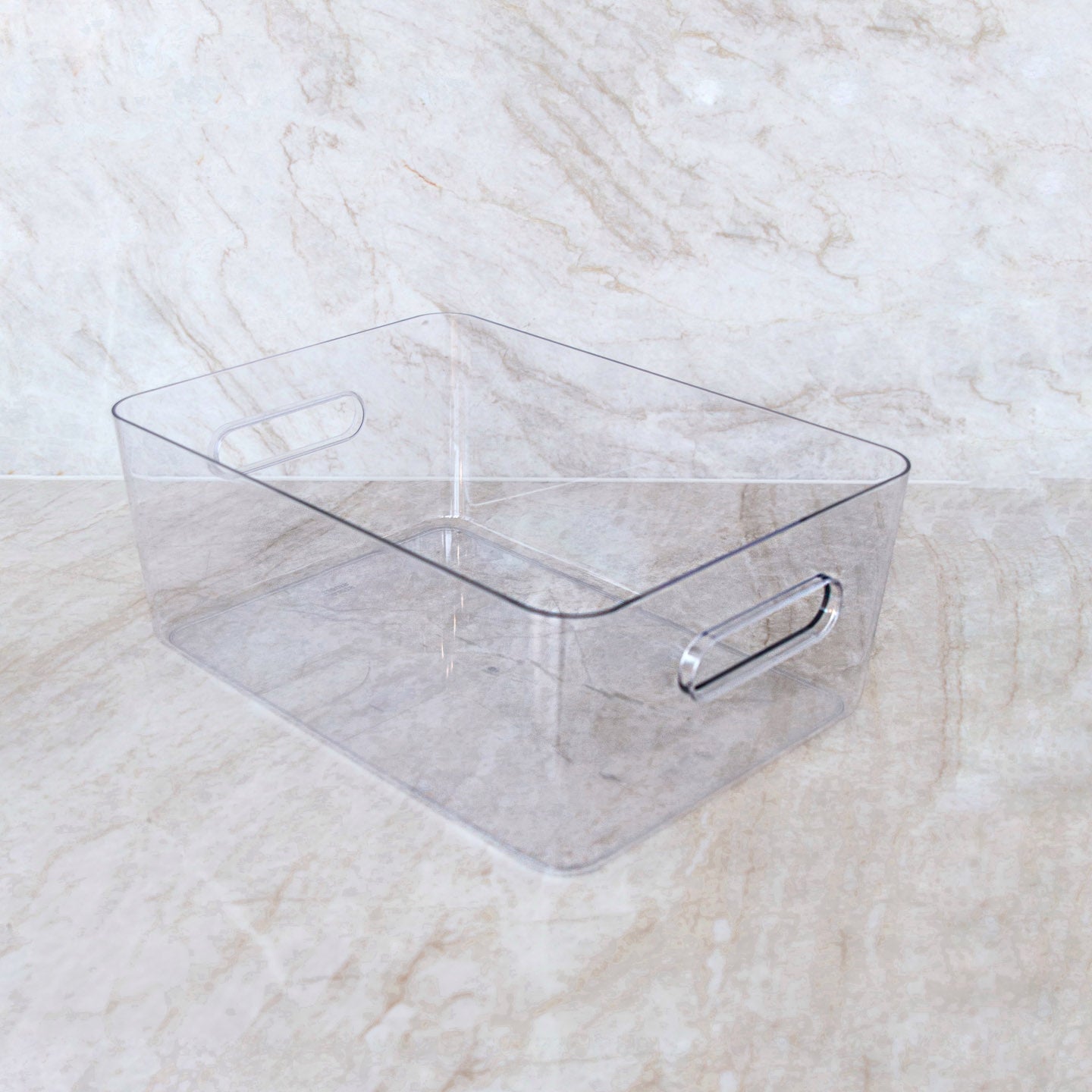
- Empty the bags into fixed containers. When everything is in uniform containers, you can see the quantity, place them neatly next to each other, and avoid toppled bags.
- Choose transparent containers. Then you can see immediately what is inside and when you are about to run out.
- Create zones. Gather baking ingredients together, breakfast items together, and pasta and rice together. Keep what you use often at the front.
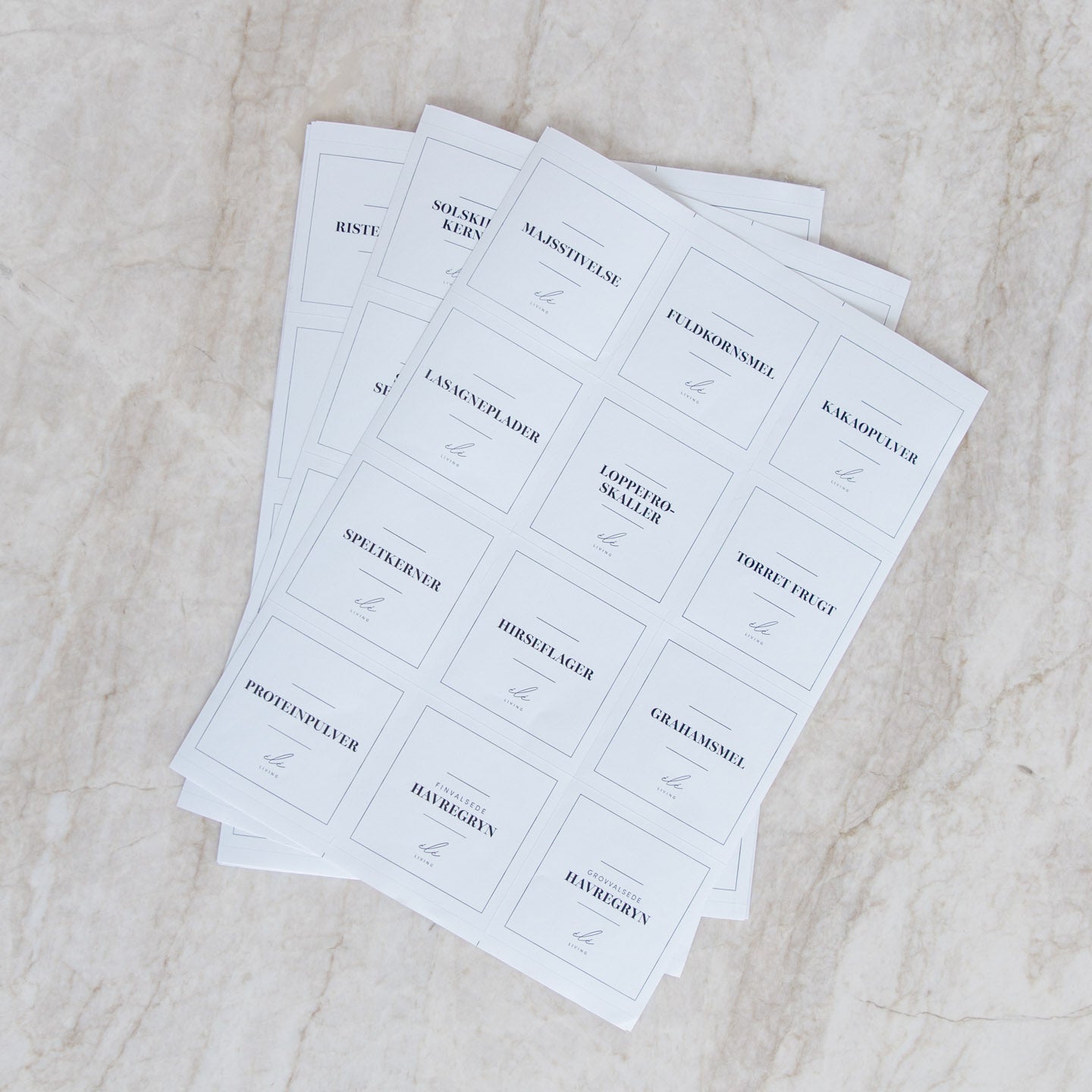
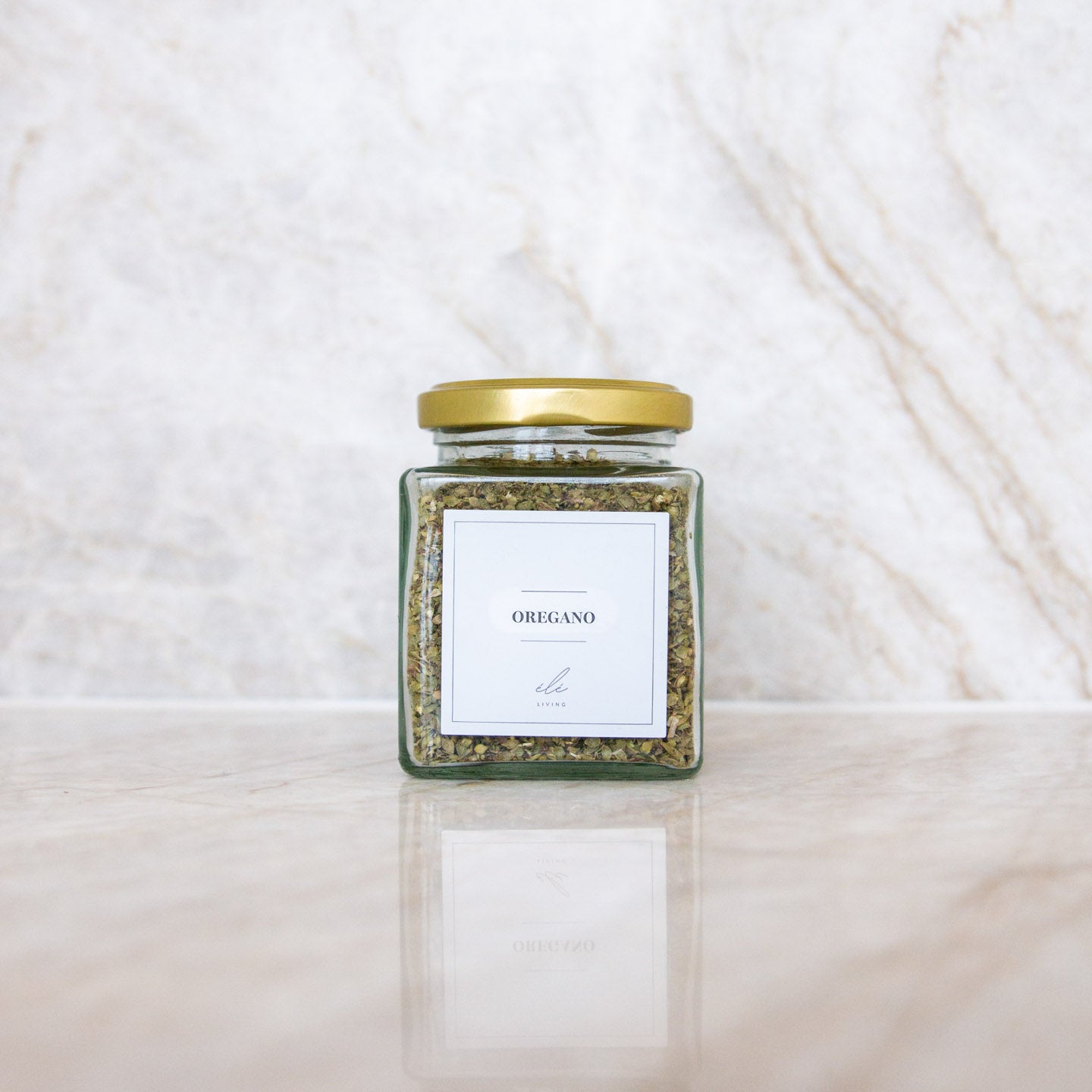
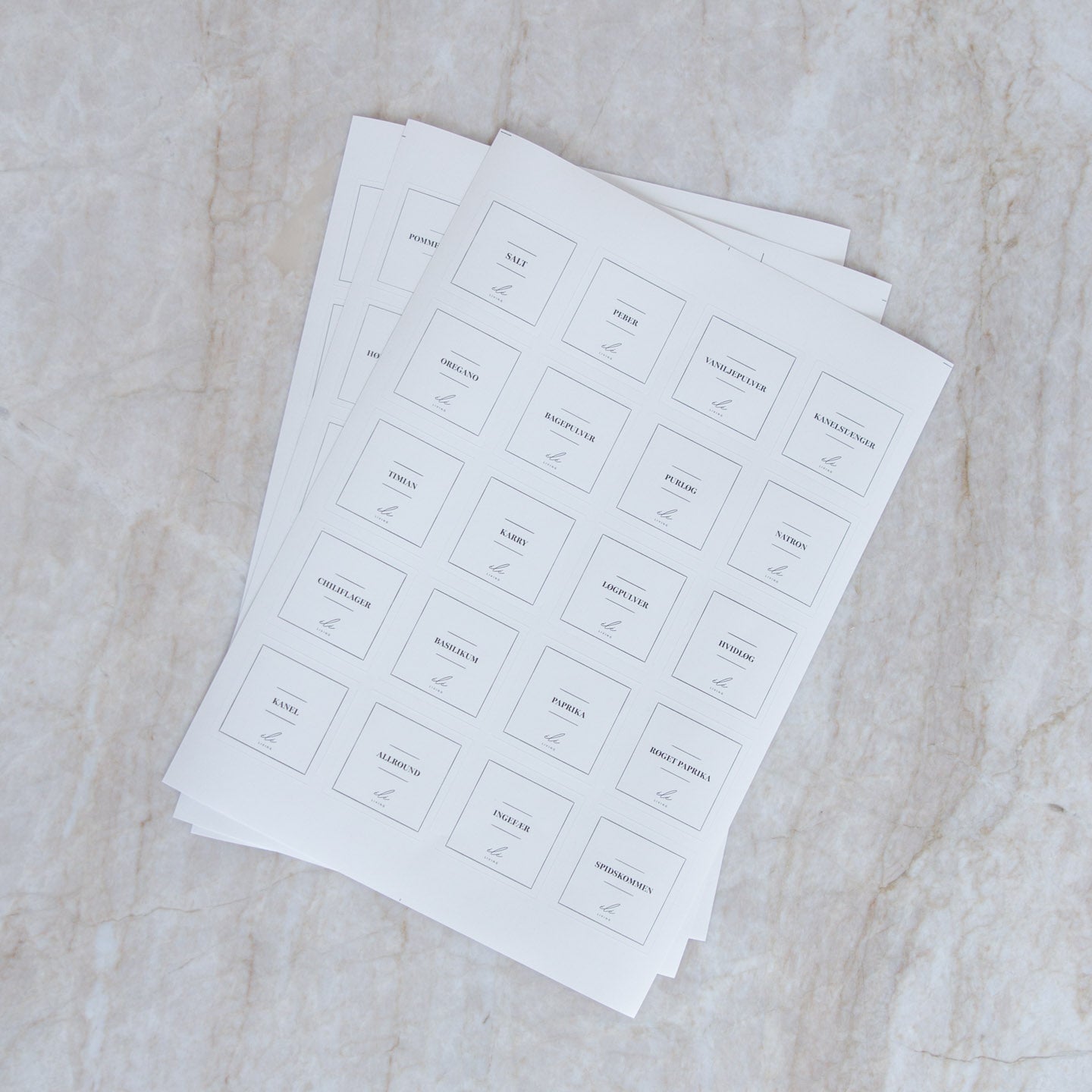
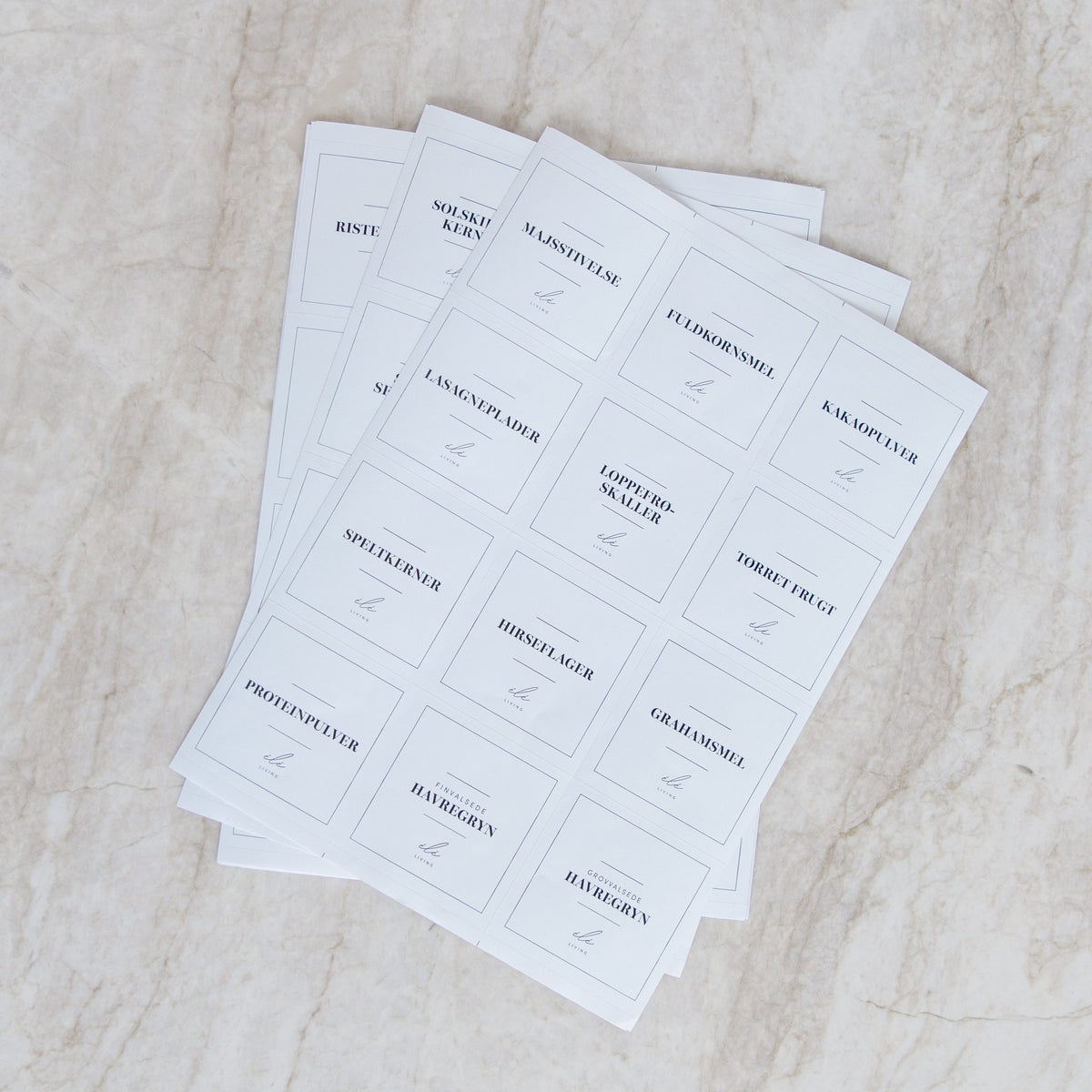
- Label them. A label on each container makes it easy to maintain the system - also for the rest of the household.
For classic dry goods like flour, grains, and pasta, fixed canisters are a great foundation. In our shop, you will find a selection in the Storage canisters for dry goods collection, where you can choose sizes based on how much you use of each item.
Glass or canister - what fits what?
Both work well, and the choice is mostly about style and placement. Storage jars look great on a shelf or countertop and provide a calm, uniform look, while canisters are often lightweight and practical for the cupboard. If you want a cohesive, aesthetic look on the shelves, you can take a look at our Storage jars.
A concrete plus of square jars: they utilize space better than round ones because they can stand edge to edge without wasted space. Our square storage jars are also good at keeping pests out of flour, grains, and legumes, so you avoid flour moths in the cupboard. They are available in several sizes, so you can match the container to the amount you typically purchase.
Add labels to maintain the system
Once the items have been moved into jars and canisters, a label is what keeps things in order over time. With a name on each container, everyone in the house knows where the flour is and what needs to be refilled. Check out our Dry goods labels if you want to give your shelves a finished, uniform look.
Frequently asked questions
Are spices considered dry goods?
Spices are dry and last a long time, so they resemble dry goods. In practice, most people store them separately in smaller jars because they are used in small quantities and are easier to find when kept together.
How long do dry goods last?
This varies from item to item, but most dry goods last for months when stored dry and closed. Keep an eye on the date on the package, and feel free to add a note on the container so you know when the product was filled.
Should dry goods be stored airtight?
The most important thing is that they are kept dry and well-closed so that moisture and pests are kept out. The square storage jars are not airtight, but they are great for keeping pests out of flour, grains, and legumes.
How do I avoid flour moths in the cupboard?
Move the dry goods from the open bags into fixed containers with tight-fitting lids. This way, moths and beetles cannot reach the items or spread to other packages in the cupboard.